Tag: solar system

  • NASA, NOAA Launch Three Spacecraft to Map Sun’s Influence Across Space

    A SpaceX Falcon 9 rocket carrying NASA’s IMAP (Interstellar Mapping and Acceleration Probe), Carruthers Geocorona Observatory, and the National Oceanic and Atmospheric Administration’s (NOAA) Space Weather Follow On-Lagrange 1 (SWFO-L1) missions launches from the agency’s Kennedy Space Center in Florida, Wednesday, Sept. 24, 2025.
    A SpaceX Falcon 9 rocket carrying NASA’s IMAP (Interstellar Mapping and Acceleration Probe), Carruthers Geocorona Observatory, and the National Oceanic and Atmospheric Administration’s (NOAA) Space Weather Follow On-Lagrange 1 (SWFO-L1) missions launches from the agency’s Kennedy Space Center in Florida, Wednesday, Sept. 24, 2025.
    Credit: NASA

    Lee este comunicado de prensa en español aquí.

    NASA and the National Oceanic and Atmospheric Administration (NOAA) launched three new missions Wednesday to investigate the Sun’s influence across the solar system.

    At 7:30 a.m. EDT, a SpaceX Falcon 9 rocket lifted off from Launch Complex 39A at NASA’s Kennedy Space Center in Florida carrying the agency’s IMAP (Interstellar Mapping and Acceleration Probe), Carruthers Geocorona Observatory, and NOAA’s SWFO-L1 (Space Weather Follow On-Lagrange 1) spacecraft.

    “This successful launch advances the space weather readiness of our nation to better protect our satellites, interplanetary missions, and space-faring astronauts from the dangers of space weather throughout the solar system,” said acting NASA Administrator Sean Duffy, “This insight will be critical as we prepare for future missions to the Moon and Mars in our endeavor to keep America first in space.”

    These missions will help safeguard both our ground-based technology, as well as our human and robotic space explorers from the harsh conditions known of space weather.

    “As the United States prepares to send humans back to the Moon and onward to Mars, NASA and NOAA are providing the ultimate interplanetary survival guide to support humanity’s epic journey along the way,” said Nicola Fox, associate administrator, Science Mission Directorate at NASA Headquarters in Washington. “Our scientific discoveries and technical innovations directly feed into our know-before-you-go roadmap to ensure a prepared, safe, and sustained human presence on other worlds.”

    New science to protect society

    Each mission will investigate different effects of space weather and the solar wind, which is a continuous stream of particles emitted by the Sun, from their origins at the Sun all the way outward to interstellar space.

    “These three unique missions will help us get to know our Sun and its effects on Earth better than ever before,” said Joe Westlake, Heliophysics Division director at NASA Headquarters. “This knowledge is critical because the Sun’s activity directly impacts our daily lives, from power grids to GPS. These missions will help us ensure the safety and resilience of our interconnected world.”

    The IMAP mission will chart the boundary of the heliosphere, a bubble inflated by the solar wind that shields our solar system from galactic cosmic rays — a key protection that helps make our planet habitable. In addition, the spacecraft will sample and measure solar wind particles streaming outward from the Sun, as well as energetic particles streaming inward from the boundary of our solar system and beyond.

    “IMAP will help us better understand how the space environment can harm us and our technologies, and discover the science of our solar neighborhood,” said David McComas, IMAP mission principal investigator at Princeton University in New Jersey.

    The Carruthers Geocorona Observatory is the first mission dedicated to recording changes in the outermost layer of our atmosphere, the exosphere, which plays an important role in Earth’s response to space weather. By studying the geocorona — the ultraviolet glow given off by the exosphere when sunlight shines on it — the Carruthers mission will reveal how the exosphere responds to solar storms and how it changes with the seasons. The mission builds on the legacy of the first instrument to image the geocorona, which flew to the Moon aboard Apollo 16 and was built and designed by scientist, inventor, engineer, and educator Dr. George Carruthers.

    “The Carruthers mission will show us how the exosphere works and will help improve our ability to predict the impacts of solar activity here on Earth,” said Lara Waldrop, the mission’s principal investigator at the University of Illinois at Urbana-Champaign.

    The first of its kind, NOAA’s SWFO-L1 is designed to be a full-time operational space weather observatory. By keeping a watchful eye on the Sun’s activity and space conditions near Earth 24/7, and without interruption or obstruction, SWFO-L1 will provide quicker and more accurate space weather forecasts than ever before.

    “This is the first of a new generation of NOAA space weather observatories dedicated to 24/7 operations, working to avoid gaps in continuity. Real-time observations from SWFO-L1 will give operators the trusted data necessary to issue advance warnings so that decision-makers can take early action to protect vital infrastructure, economic interests, and national security on Earth and in space. It’s about safeguarding society against space weather hazards,” said Richard Ullman, deputy director of the Office of Space Weather Observations at NOAA. 

    Next steps

    In the hours after launch, all three spacecraft successfully deployed from the rocket and sent signals to Earth to confirm they’re active and working well.

    Over the next few months, the spacecraft will make their way to their destination — a location between Earth and the Sun, about a million miles from Earth, called Lagrange point 1 (L1). They should arrive by January and, once their instrument checkouts and calibrations are complete, begin their missions to better understand space weather and protect humanity.

    David McComas of Princeton University leads the IMAP mission with an international team of 27 partner institutions. The Johns Hopkins Applied Physics Laboratory in Laurel, Maryland, built the spacecraft and will operate the mission.

    The Carruthers Geocorona Observatory mission is led by Lara Waldrop from the University of Illinois Urbana-Champaign. Mission implementation is led by the Space Sciences Laboratory at University of California, Berkeley, which also designed and built the two ultraviolet imagers. BAE Systems designed and built the Carruthers spacecraft.

    The Explorers and Heliophysics Projects Division at NASA’s Goddard Space Flight Center in Greenbelt, Maryland, manages the IMAP and Carruthers Geocorona Observatory missions for NASA’s Science Mission Directorate.

    The SWFO-L1 mission is managed by NOAA and developed with NASA Goddard, and commercial partners. NASA’s Launch Services Program, based at NASA Kennedy, manages the launch service for the missions.

    To learn more about these missions, visit:

    https://www.nasa.gov/sun

    -end-

    Abbey Interrante
    Headquarters, Washington
    301-201-0124
    abbey.a.interrante@nasa.gov

    Sarah Frazier
    Goddard Space Flight Center, Greenbelt, Md.
    202-853-7191
    sarah.frazier@nasa.gov

    Leejay Lockhart
    Kennedy Space Center, Fla.
    321-747-8310
    leejay.lockhart@nasa.gov

    John Jones-Bateman
    NOAA’s Satellite and Information Service, Silver Spring, Md.
    202-242-0929
    john.jones-bateman@noaa.gov

  • NASA Launches 2026 Gateways to Blue Skies Competition

    NASA’s 2026 Gateways to Blue Skies competition invites collegiate teams to conceptualize innovative systems and practices that would advance current commercial aircraft maintenance, repair, and operations with the goal to enhance resilience, safety, and efficiency.  

    The commercial aviation industry is a crucial component of the U.S. economy, employing millions and supporting global commerce and tourism. However, the industry faces certain challenges, including the need to reduce rising operational costs in a growing market to accommodate increased demand in air travel, e-commerce, and cargo sectors.  

    NASA’s Aeronautics Research Mission Directorate is dedicated to working with commercial, industry, and government partners in advancing and improving the country’s aviation sector. 

    “The aviation maintenance industry is at the heart of what keeps us all flying,” said Steven Holz, NASA’s lead for the Gateways to Blue Skies competition. “Having our future workforce looking into new technologies, creating, and innovating with a focus on this area of our industry will have lasting impacts on the future of aviation.” 

    Sponsored by NASA’s University Innovation Project, the Gateways to Blue Skies competition encourages multidisciplinary teams of college students to conceptualize unique systems-level ideas for an aviation-themed problem identified annually. It aims to engage as many students as possible – from all backgrounds, majors, and collegiate levels, freshman to graduate. Students from aviation maintenance and trades schools are encouraged to apply. 

    In this year’s competition, participating teams of two to six students should propose solutions that focus on a specific maintenance area being addressed, such as predictive maintenance, advanced monitoring, or compliance checks. Competitors must choose technologies that can be deployable by 2035.  

    The competition is divided into phases. In Phase 1, teams will submit concepts in a five-to seven-page proposal and accompanying two-minute video, which will be judged in a competitive review process by NASA and industry experts.  

    Up to eight finalist teams will be selected to receive a $9,000 prize and advance to Phase 2 of the competition, which includes a review of each team’s final paper, infographic, and presentation at a forum to be held in May 2026 at NASA’s Langley Research Center in Hampton, Virginia. Forum winners who fulfill eligibility criteria will be offered the opportunity to intern with NASA Aeronautics in the academic year following the forum.  

    Teams interested in participating in the competition should review competition guidelines and eligibility requirements posted on the competition website. Teams are encouraged to submit a non-binding notice of intent by Tuesday, Nov. 4, 2025, via the website. Submitting a notice of intent ensures teams stay apprised of competition news. The proposal and video are due Feb. 16, 2026. 

    The Gateway to Blue Skies competition is administered by the National Institute of Aerospace on behalf of NASA. The NASA Tournament Lab, part of the Prizes, Challenges, and Crowdsourcing Program in the Space Technology Mission Directorate, manages the challenge.

  • Curiosity Blog, Sols 4661-4667: Peaking Into the Hollows

    5 min read

    Curiosity Blog, Sols 4661-4667: Peaking Into the Hollows

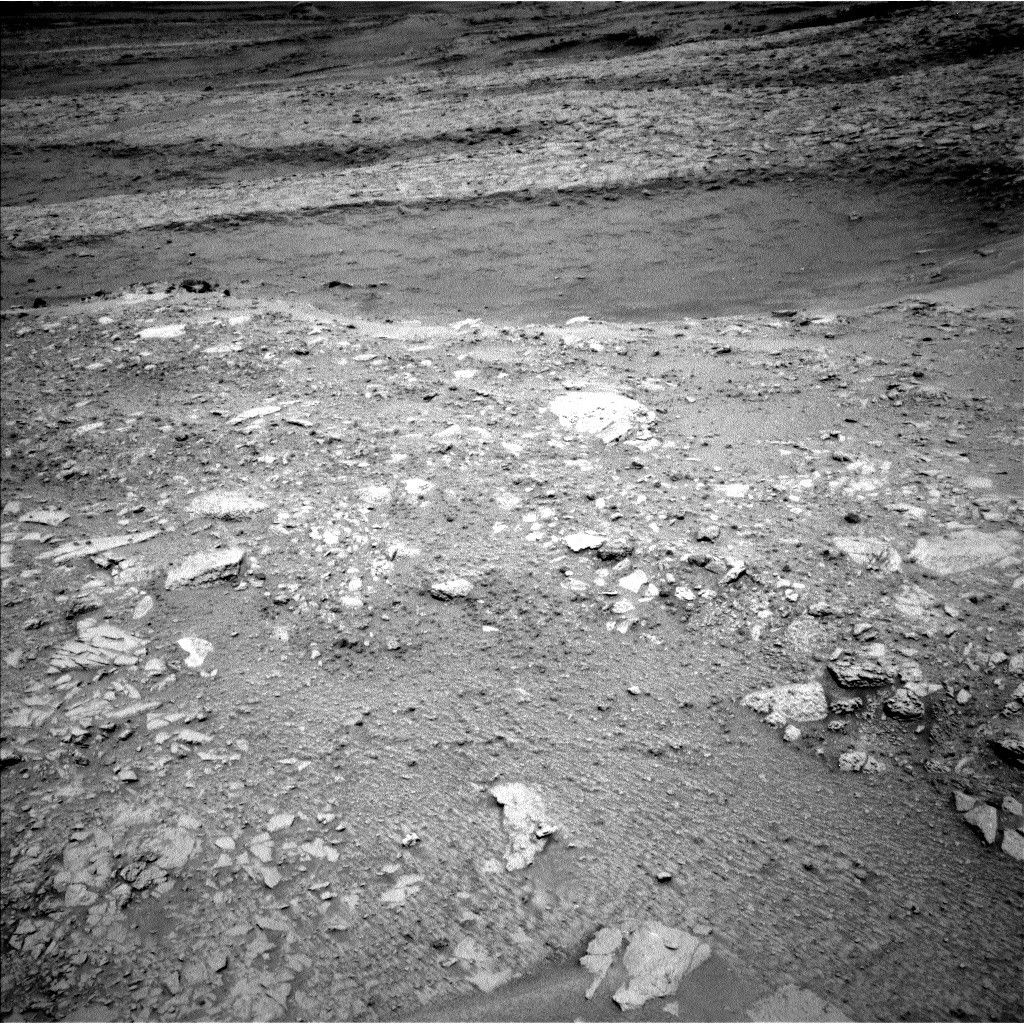
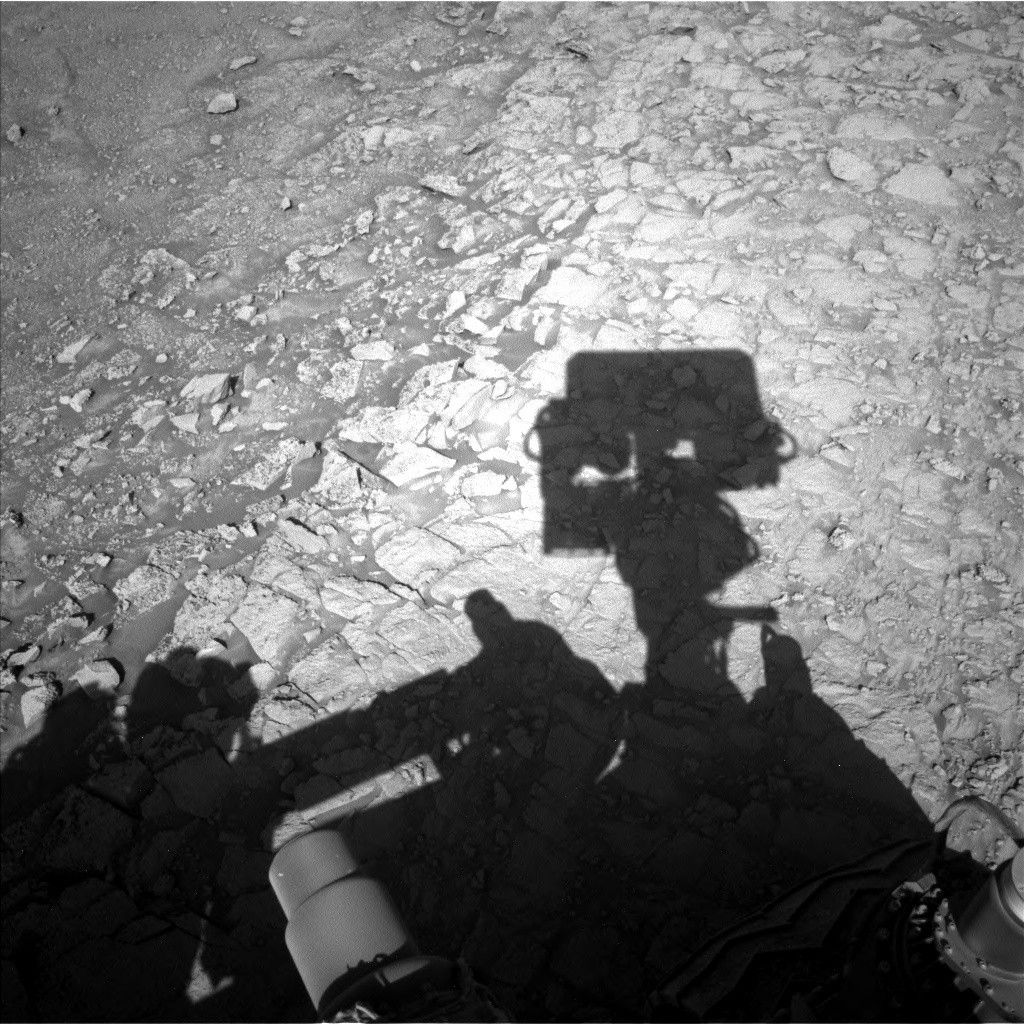
    A grayscale image from the Martian surface shows dark gray, very rocky terrain. In the foreground, whitish rocks are surrounded by gray soil, while in the middle of the frame a smoother area looks like sand, and beyond that the terrain turns rocky again, sloping downward from the upper right corner of the frame to the upper left side of the image.
    NASA’s Mars rover Curiosity acquired this image of the landscape it is currently navigating — hollows surrounded by ridges. The rover captured the image using its Left Navigation Camera on Sept. 17, 2025 — Sol 4662, or Martian day 4,662 of the Mars Science Laboratory mission — at 05:25:51 UTC.
    NASA/JPL-Caltech

    By Susanne P. Schwenzer, Professor of Planetary Mineralogy at The Open University, UK

    Earth planning date: Friday, Sept. 19, 2025

    Curiosity is currently driving along the ridges of a very uneven terrain. One of the bigger ridges we nicknamed “Autobahn,” which is the German word for a highway. But the rover didn’t stay on that autobahn, now more officially named “Arare,” for very long. Instead it went on a trip along several of the smaller ridges and even into some hollows. You can get a good impression of the landscape in the image above, or view a wider panorama image here.

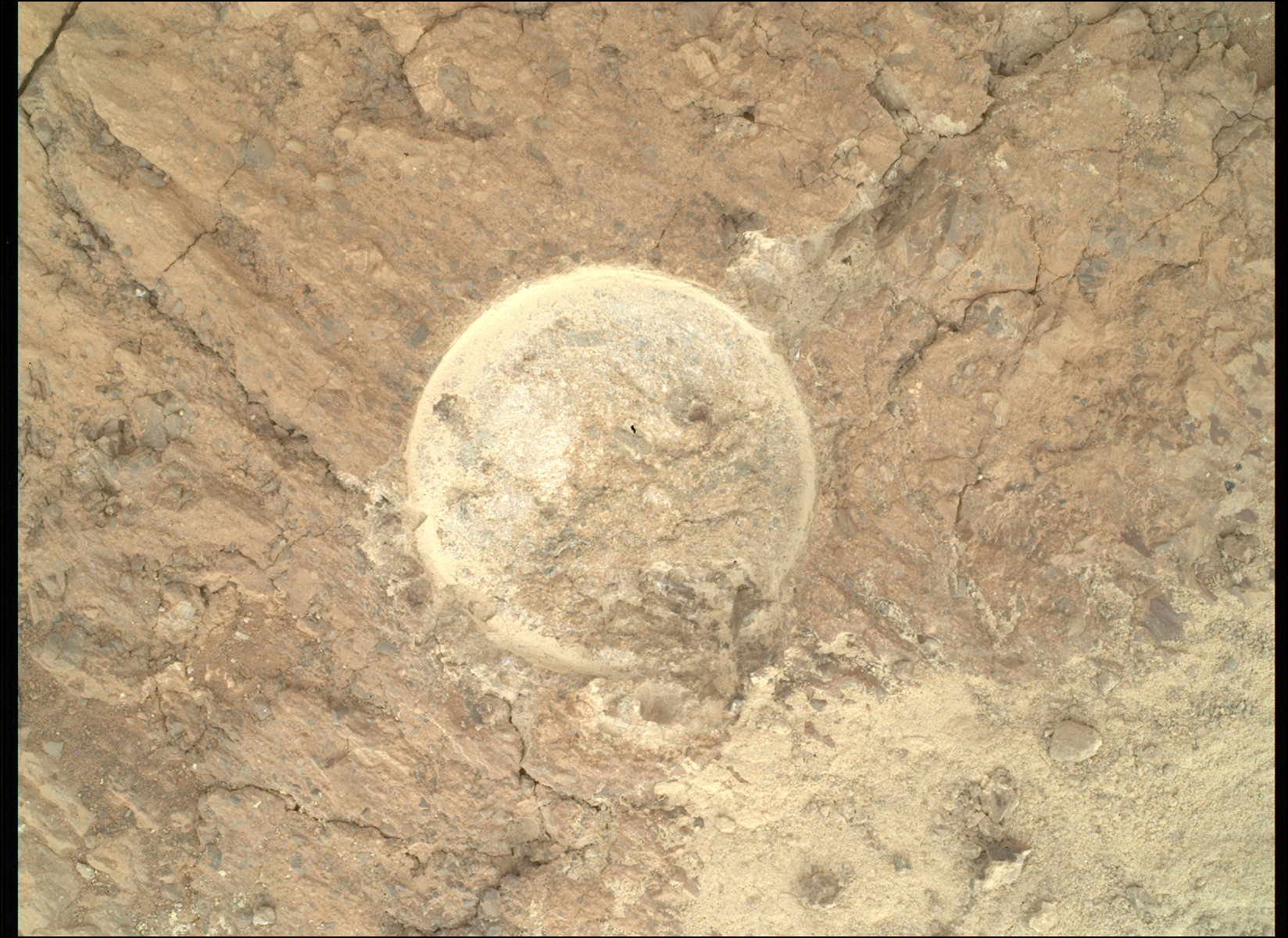
    Today, I was science operations working group (SOWG) chair, the one responsible for coordinating all the science planning and making sure we stay within power and data budgets. As we have so much to do with imaging ridges and hollows, and the team members are also keeping APXS and LIBS busy planning to investigate the chemistry of the ridge tops, the sides of the ridges, and of course the rocks within the hollows, the demands on power and data volume are high. Alongside the “geo” observations, we are still in aphelion cloud season and want to make sure we capture enough atmospheric and environmental observations, too. In each plan, the DAN instrument and MARDI camera are regularly looking down. DAN informs us about hydrogen in the subsurface underneath the rover, which is most likely associated with water-bearing minerals. MARDI is documenting the rocks underneath the rover, more precisely underneath the left-front wheel. 

    With so many demands, and the fact that we are just coming out of Martian winter, where cold temperatures demand more heating to keep the rover safe, there was lots of demand on the power budgets all of this week. Thus, myself and my SOWG chair colleagues had many discussions to facilitate. What amazes me each time about our team, though, is how smoothly those discussions go and how deep an understanding we all have developed about the seasonality and cadence of each other’s investigations. It is so nice to see how smooth it has become to — as a team — figure out what has the highest priority on a given planning day.

    After a range of good discussions, and luck that the rover was parked in a stable position for each planning cycle, we had many arm activities. APXS and MAHLI focused on measuring and imaging the ridge tops — we call them bedrock — and those bedrocks look very smooth on top of the ridges. Targets “Turbio,” “Río Aguas Blancas,” and “Isiboro” were measured and imaged earlier in the week, and today it was “Colonia Santa Rosa” and “Le Lentias.” (I am learning Spanish as we go; all those names are from the Uyuni region in South America.) We entered the Uyuni quadrangle on sol 4573; you can read all about it in the blog post, ‘Welcome to the Uyuni Quad.’ More chemistry investigations were added by ChemCam using the LIBS instrument on a wide range of smoother bedrock, complementing APXS observations in many places, and then adding chemical information from locations that have more variable features such as veins, nodules and fractures.

    Mastcam and ChemCam, through its remote imager, are taking images of many different features in the landscape. You can see its variation in the image at the top of the blog. What we are interested in is the variability of all those features, but also how they relate to each other. Are some features always on top of others, or are the veins cutting across the fractures? Those are the questions that we can answer with the images taken from a distance for the wider context, and then close-up to see all the details. We have taken overview images such as the one in the image above, and we have taken close-up images with the remote micro-imager and, of course, MAHLI. Many of those images come from the sides of the ridges as this allows us to see “into” the rock record, and how the ridges are constructed. If you look at the image above closely, you can see some of this yourself. You can spot some patterns, too. The ridge tops are more smooth, mostly at least. And that’s how the “Autobahn” was nicknamed in the first place! The hollows look more rough and a little more chaotic, too.

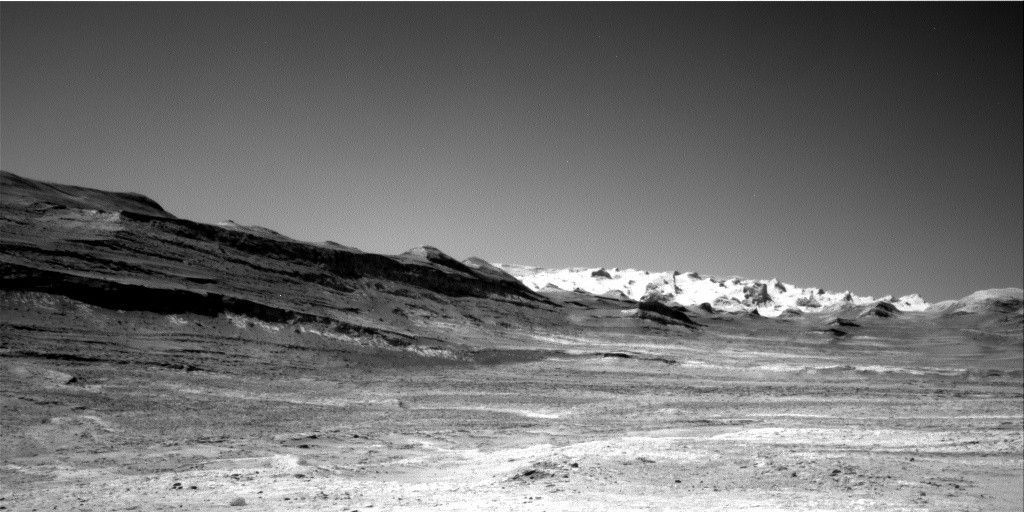
    With all the excitement about the rocks, we didn’t forget the environmental observations. Those include temperature and wind, but also imaging of the atmosphere for its opacity and looking for dust devils. We are just coming out of the season with the least dust in the atmosphere. That allowed us to do a first for the mission: image rocks outside the crater rim, 90 kilometers away (about 56 miles)! We are very excited about those images taken with the remote micro-imager of ChemCam and with added Mastcam context. They show what’s beyond the crater rim, and what will have been the source region for some of the sediments we saw very early in the mission, when we explored the Peace Vallis Fan! Have a look at the wide overview image, and this close-up of rocks, 90 kilometers away, with the remote micro-imager.

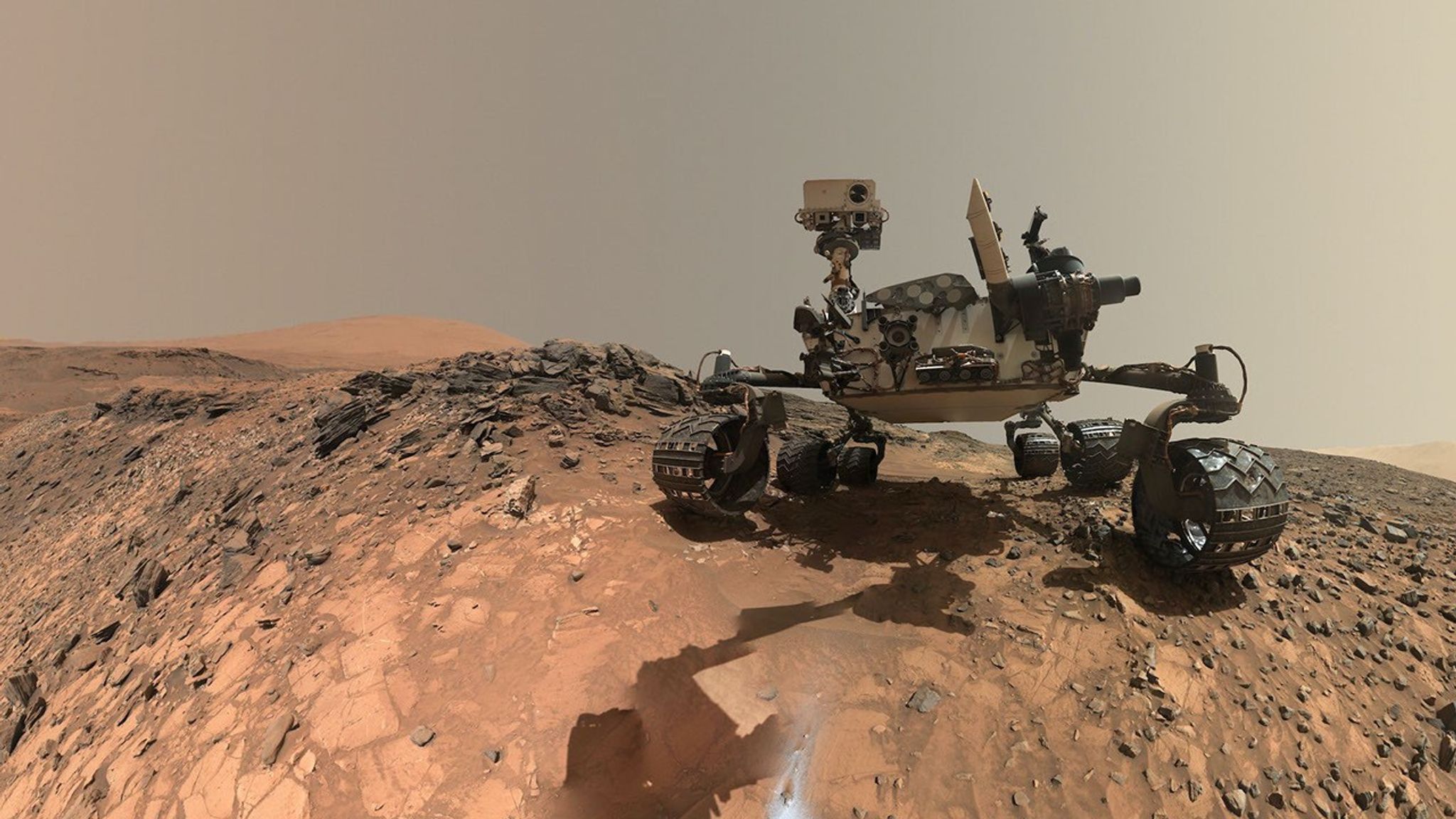
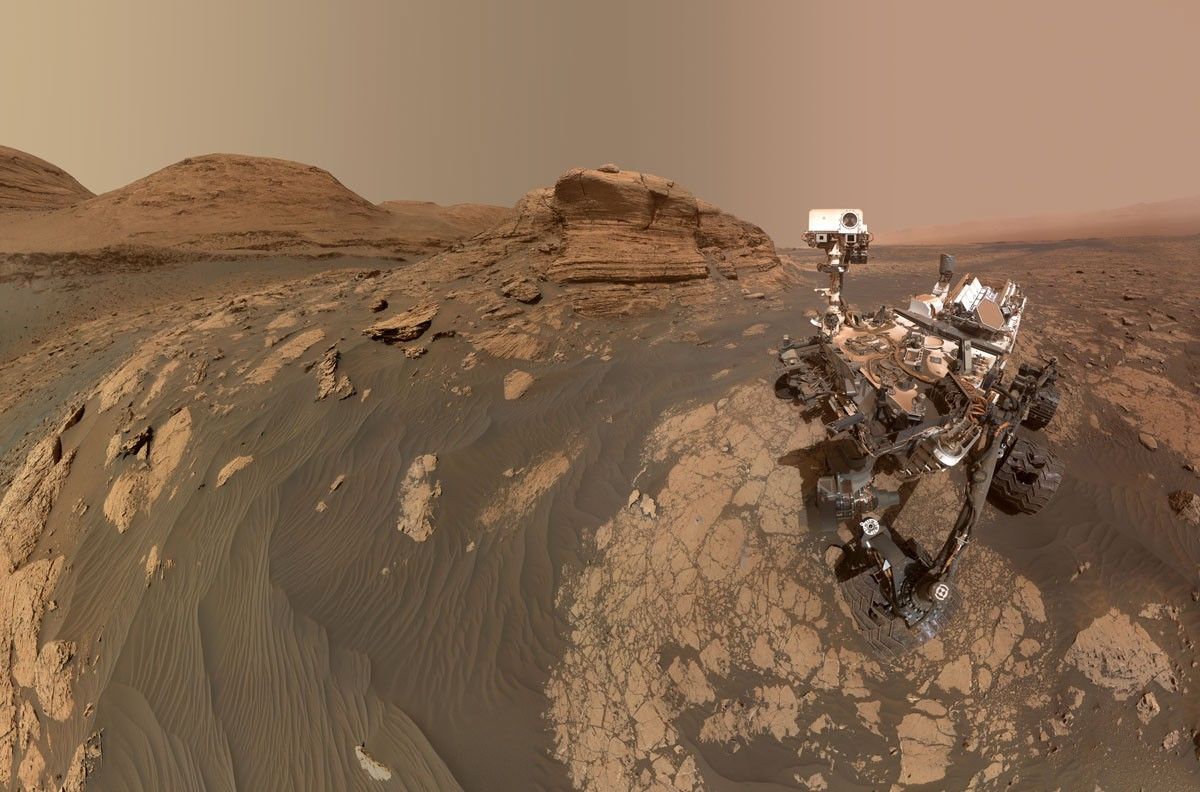
    A rover sits on the hilly, orange Martian surface beneath a flat grey sky, surrounded by chunks of rock.
    NASA’s Mars rover Curiosity at the base of Mount Sharp
    NASA/JPL-Caltech/MSSS

    Details

    Last Updated

    Sep 23, 2025

    Related Terms

  • NASA’s New Astronaut Candidates

    Ten people in blue jumpsuits link arms. The two women on either end wave at the audience, who is not visible.
    NASA/James Blair

    NASA’s 2025 astronaut candidate class greets the crowd in this Sept. 22, 2025, image. The group was introduced Monday following a competitive selection process of more than 8,000 applicants from across the United States. The class now will complete nearly two years of training before becoming eligible for flight assignments supporting future science and exploration missions to low Earth orbit, the Moon, and Mars.

    After graduation, the 2025 class will join the agency’s active astronaut corps. Active astronauts are conducting science research aboard the space station while preparing for the transition to commercial space stations and the next great leaps in human exploration at the Moon and Mars. The candidates’ operational expertise, scientific knowledge, and technical backgrounds are essential to advancing NASA’s deep space exploration goals and sustaining a long-term human presence beyond low Earth orbit.

    Image credit: NASA/James Blair

  • New NASA Mission to Reveal Earth’s Invisible ‘Halo’

    5 min read

    New NASA Mission to Reveal Earth’s Invisible ‘Halo’

    A new NASA mission will capture images of Earth’s invisible “halo,” the faint light given off by our planet’s outermost atmospheric layer, the exosphere, as it morphs and changes in response to the Sun. Understanding the physics of the exosphere is a key step toward forecasting dangerous conditions in near-Earth space, a requirement for protecting Artemis astronauts traveling through the region on the way to the Moon or on future trips to Mars. The Carruthers Geocorona Observatory will launch from NASA’s Kennedy Space Center in Florida no earlier than Tuesday, Sept. 23.

    Revealing Earth’s invisible edge

    In the early 1970s, scientists could only speculate about how far Earth’s atmosphere extended into space. The mystery was rooted in the exosphere, our atmosphere’s outermost layer, which begins some 300 miles up. Theorists conceived of it as a cloud of hydrogen atoms — the lightest element in existence — that had risen so high the atoms were actively escaping into space.

    But the exosphere reveals itself only via a faint “halo” of ultraviolet light known as the geocorona. Pioneering scientist and engineer Dr. George Carruthers set himself the task of seeing it. After launching a few prototypes on test rockets, he developed an ultraviolet camera ready for a one-way trip to space.

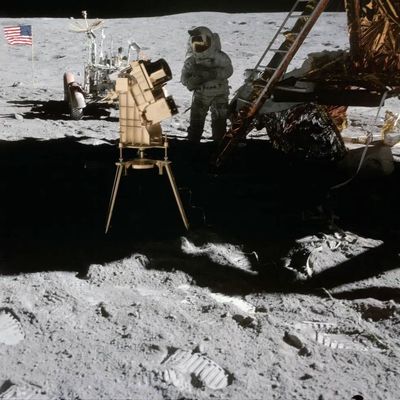
    An astronaut stands on the Moon near a lunar module and scientific equipment, with an American flag and lunar rover in the background. The lunar surface is covered in footprints and gray dust.
    Apollo 16 astronaut John Young is pictured on the lunar surface with George Carruthers’ gold-plated Far Ultraviolet Camera/Spectrograph, the first Moon-based observatory. The Lunar Module “Orion” is on the right and the Lunar Roving Vehicle is parked in the background next to the American flag.
    NASA

    In April 1972, Apollo 16 astronauts placed Carruthers’ camera on the Moon’s Descartes Highlands, and humanity got its first glimpse of Earth’s geocorona. The images it produced were as stunning for what they captured as they were for what they didn’t.

    “The camera wasn’t far enough away, being at the Moon, to get the entire field of view,” said Lara Waldrop, principal investigator for the Carruthers Geocorona Observatory. “And that was really shocking — that this light, fluffy cloud of hydrogen around the Earth could extend that far from the surface.” Waldrop leads the mission from the University of Illinois Urbana-Champaign, where George Carruthers was an alumnus.

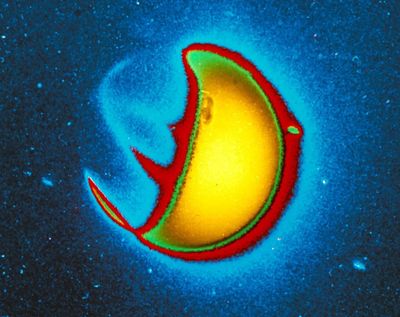
    A false-color, close-up image of Earth’s exosphere as captured by the Carruthers Geocorona Observatory against a dark blue background. The image shows a semicircle glowing yellow and outlined in red.
    The first image of UV light from Earth’s outer atmosphere, the geocorona, taken from a telescope designed and built by George Carruthers. The telescope took the image while on the Moon during the Apollo 16 mission in 1972.
    G. Carruthers (NRL) et al./Far UV Camera/NASA/Apollo 16

    Our planet, in a new light

    Today, the exosphere is thought to stretch at least halfway to the Moon. But the reasons for studying go beyond curiosity about its size.
    As solar eruptions reach Earth, they hit the exosphere first, setting off a chain of reactions that sometimes culminate in dangerous space weather storms. Understanding the exosphere’s response is important to predicting and mitigating the effects of these storms. In addition, hydrogen — one of the atomic building blocks of water, or H2O — escapes through the exosphere. Mapping that escape process will shed light on why Earth retains water while other planets don’t, helping us find exoplanets, or planets outside our solar system, that might do the same.
    NASA’s Carruthers Geocorona Observatory, named in honor of George Carruthers, is designed to capture the first continuous movies of Earth’s exosphere, revealing its full expanse and internal dynamics.

    “We’ve never had a mission before that was dedicated to making exospheric observations,” said Alex Glocer, the Carruthers mission scientist at NASA’s Goddard Space Flight Center in Greenbelt, Maryland. “It’s really exciting that we’re going to get these measurements for the first time.”

    Download this video from NASA’s Scientific Visualization Studio.

    Journey to L1

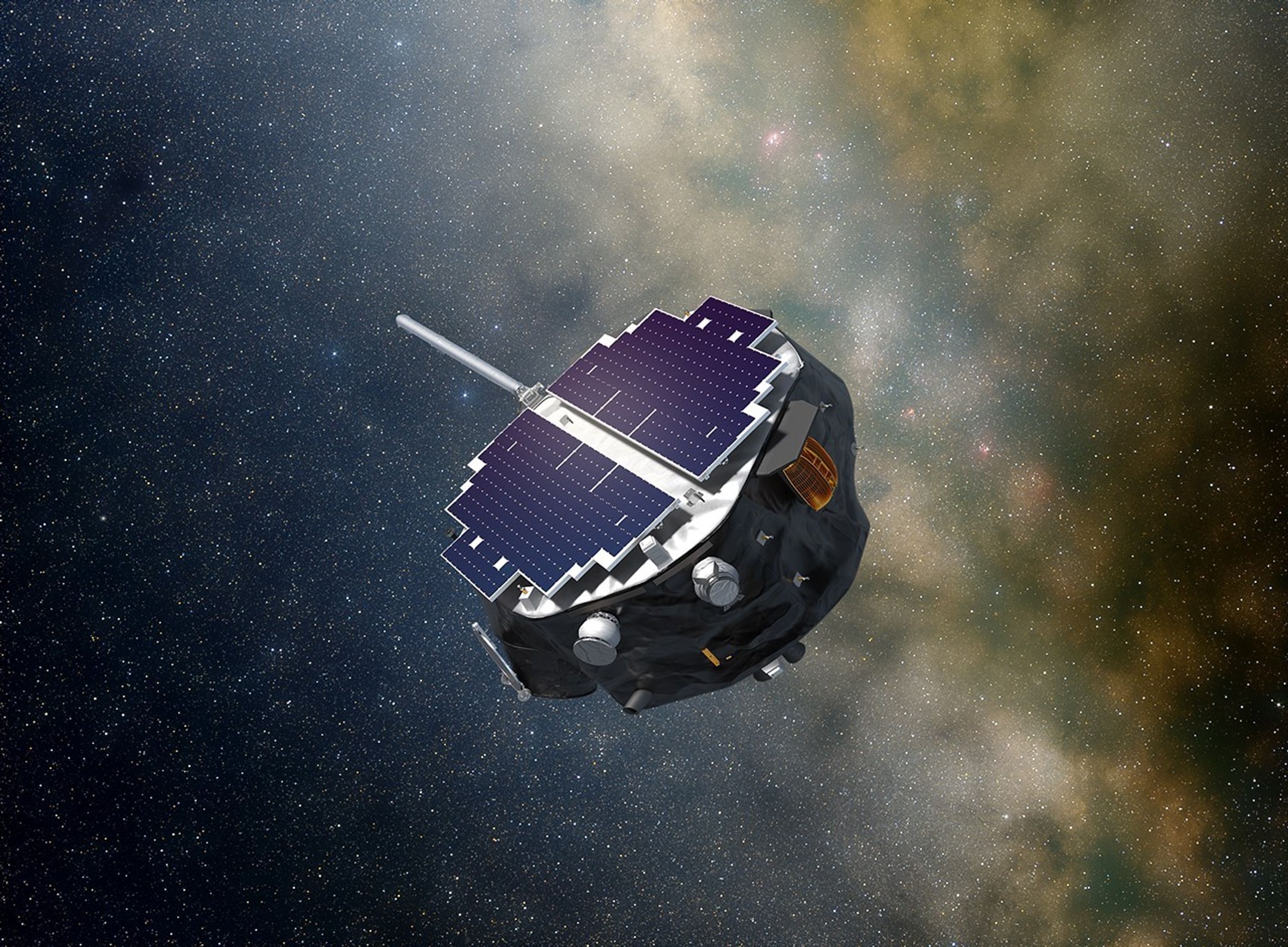
    At 531 pounds and roughly the size of a loveseat sofa, the Carruthers spacecraft will launch aboard a SpaceX Falcon 9 rocket along with NASA’s IMAP (Interstellar Mapping and Acceleration Probe) spacecraft and the National Oceanic and Atmospheric Administration’s SWFO-L1 (Space Weather Follow On – Lagrange 1) space weather satellite. After launch, all three missions will commence a four-month cruise phase to Lagrange point 1 (L1), a location approximately 1 million miles closer to the Sun than Earth is. After a one-month period for science checkouts, Carruthers’ two-year science phase will begin in March 2026.

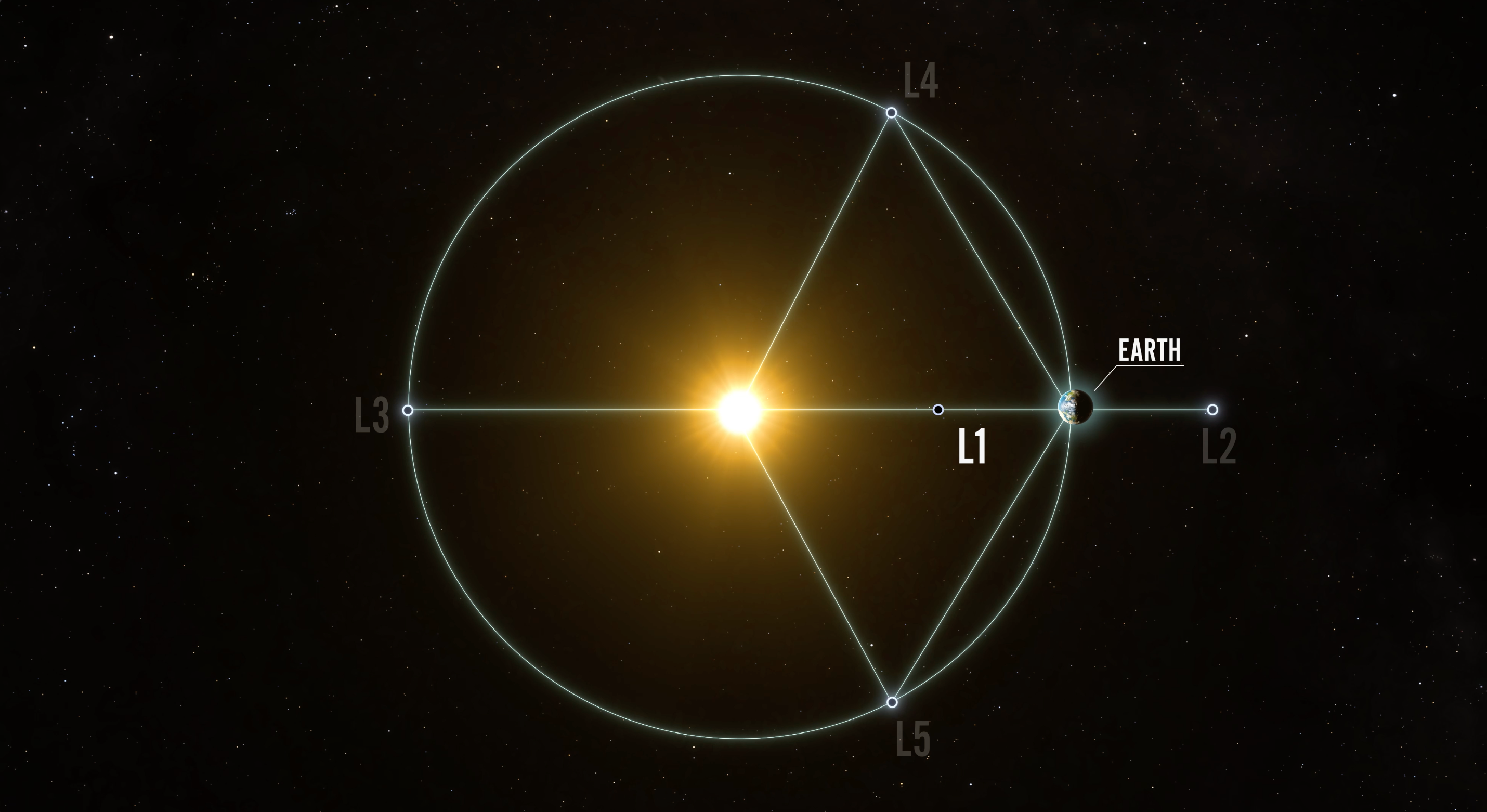
    An artist’s concept showing a diagram including the Sun, Earth, and five labeled points (L1–L5) representing the Sun-Earth Lagrange Points, where gravitational forces balance in the Sun-Earth system, against the backdrop of space. L1, where the Carruthers spacecraft will orbit, is labeled with brighter, bold text. Earth is labeled as well.
    Artist’s concept of the five Sun-Earth Lagrange points in space. At Lagrange points, the gravitational pull of two large masses counteract, allowing spacecraft to reduce fuel consumption needed to remain in position. The L1 point of the Earth-Sun system affords an uninterrupted view of the Sun and will be home to three new heliophysics missions in 2025: NASA’s Interstellar Mapping and Acceleration Probe (IMAP), NASA’s Carruthers Geocorona Observatory, and NOAA’s Space Weather Follow-On – Lagrange 1 (SWFO – L1).
    NASA’s Conceptual Image Lab/Krystofer Kim

    From L1, roughly four times farther away than the Moon, Carruthers will capture a comprehensive view of the exosphere using two ultraviolet cameras, a near-field imager and a wide-field imager.

    “The near-field imager lets you zoom up really close to see how the exosphere is varying close to the planet,” Glocer said. “The wide-field imager lets you see the full scope and expanse of the exosphere, and how it’s changing far away from the Earth’s surface.”

    The two imagers will together map hydrogen atoms as they move through the exosphere and ultimately out to space. But what we learn about atmospheric escape on our home planet applies far beyond it.

    “Understanding how that works at Earth will greatly inform our understanding of exoplanets and how quickly their atmospheres can escape,” Waldrop said.

    By studying the physics of Earth, the one planet we know that supports life, the Carruthers Geocorona Observatory can help us know what to look for elsewhere in the universe.

    The Carruthers Geocorona Observatory mission is led by Lara Waldrop from the University of Illinois Urbana-Champaign. The Space Sciences Laboratory at the University of California, Berkeley leads mission implementation, design and development of the payload in collaboration with Utah State University’s Space Dynamics Laboratory. The Carruthers spacecraft was designed and built by BAE Systems. NASA’s Explorers and Heliophysics Projects Division at the agency’s Goddard Space Flight Center in Greenbelt, Maryland, manages the mission for the agency’s Heliophysics Division at NASA Headquarters in Washington.

    By Miles Hatfield
    NASA’s Goddard Space Flight Center, Greenbelt, Md.

  • Milky Way Views

    The Milky Way galaxy appears above Earth's greenish atmospheric glow. The galaxy's dust and stars can be seen against the darkness of space.
    NASA; JAXA

    The Milky Way appears above Earth’s bright atmospheric glow in this Aug. 23, 2025, photograph from the International Space Station as it soared 261 miles above southern Iran at approximately 12:54 a.m. local time. The camera was configured for low light and long duration settings.

    Our home galaxy has hundreds of billions of stars, enough gas and dust to make billions more stars, and at least ten times as much dark matter as all the stars and gas put together. NASA’s Nancy Grace Roman Space Telescope – slated to launch no later than May 2027 – will help scientists better understand the gas and dust strewn between stars in our galaxy, known as the interstellar medium.

    Image credit: NASA; JAXA

  • NASA’s Hubble Sees White Dwarf Eating Piece of Pluto-Like Object

    5 Min Read

    NASA’s Hubble Sees White Dwarf Eating Piece of Pluto-Like Object

    An illustration showing a glowing white object in the upper left corner. This object is encircled by hundreds of thin, concentric, pale-yellow rings on an angle from bottom left to top right. The rings are palest closest to the central, glowing white object. A curving trail of gray, rock-like fragments marches across the right side, through the thin rings and joins the rings at far right. The eight largest fragments of varying sizes appear in the foreground. These objects have white, comet-like tails streaking away from the glowing white object in the rings’ center. The curving trail of fragments bends toward the glowing white object. At the bottom left corner is the label Artist’s Concept.

    This artist’s concept shows a white dwarf surrounded by a large debris disk. Debris from pieces of a captured, Pluto-like object is falling onto the white dwarf.

    Credits:
    Artwork: NASA, Tim Pyle (NASA/JPL-Caltech)

    In our nearby stellar neighborhood, a burned-out star is snacking on a fragment of a Pluto-like object. With its unique ultraviolet capability, only NASA’s Hubble Space Telescope could identify that this meal is taking place.

    The stellar remnant is a white dwarf about half the mass of our Sun, but that is densely packed into a body about the size of Earth. Scientists think the dwarf’s immense gravity pulled in and tore apart an icy Pluto analog from the system’s own version of the Kuiper Belt, an icy ring of debris that encircles our solar system. The findings were reported on September 18 in the Monthly Notices of the Royal Astronomical Society.

    The researchers were able to determine this carnage by analyzing the chemical composition of the doomed object as its pieces fell onto the white dwarf. In particular, they detected “volatiles” — substances with low boiling points — including carbon, sulphur, nitrogen, and a high oxygen content that suggests the strong presence of water.

    “We were surprised,” said Snehalata Sahu of the University of Warwick in the United Kingdom. Sahu led the data analysis of a Hubble survey of white dwarfs. “We did not expect to find water or other icy content. This is because the comets and Kuiper Belt-like objects are thrown out of their planetary systems early, as their stars evolve into white dwarfs. But here, we are detecting this very volatile-rich material. This is surprising for astronomers studying white dwarfs as well as exoplanets, planets outside our solar system.”

    An illustration showing a glowing white object in the upper left corner. This object is encircled by hundreds of thin, concentric, pale-yellow rings on an angle from bottom left to top right. The rings are palest closest to the central, glowing white object. A curving trail of gray, rock-like fragments marches across the right side, through the thin rings and joins the rings at far right. The eight largest fragments of varying sizes appear in the foreground. These objects have white, comet-like tails streaking away from the glowing white object in the ringsu2019 center. The curving trail of fragments bends toward the glowing white object. At the bottom left corner is the label Artistu2019s Concept.
    This artist’s concept shows a white dwarf surrounded by a large debris disk. Debris from pieces of a captured, Pluto-like object is falling onto the white dwarf.
    Artwork: NASA, Tim Pyle (NASA/JPL-Caltech)

    Only with Hubble

    Using Hubble’s Cosmic Origins Spectrograph, the team found that the fragments were composed of 64 percent water ice. The fact that they detected so much ice meant that the pieces were part of a very massive object that formed far out in the star system’s icy Kuiper Belt analog. Using Hubble data, scientists calculated that the object was bigger than typical comets and may be a fragment of an exo-Pluto.

    They also detected a large fraction of nitrogen – the highest ever detected in white dwarf debris systems. “We know that Pluto’s surface is covered with nitrogen ices,” said Sahu. “We think that the white dwarf accreted fragments of the crust and mantle of a dwarf planet.”

    Accretion of these volatile-rich objects by white dwarfs is very difficult to detect in visible light. These volatile elements can only be detected with Hubble’s unique ultraviolet light sensitivity. In optical light, the white dwarf would appear ordinary.

    About 260 light-years away, the white dwarf is a relatively close cosmic neighbor. In the past, when it was a Sun-like star, it would have been expected to host planets and an analog to our Kuiper Belt.

    Like seeing our Sun in future

    Billions of years from now, when our Sun burns out and collapses to a white dwarf, Kuiper Belt objects will be pulled in by the stellar remnant’s immense gravity. “These planetesimals will then be disrupted and accreted,” said Sahu. “If an alien observer looks into our solar system in the far future, they might see the same kind of remains we see today around this white dwarf.”

    The team hopes to use NASA’s James Webb Space Telescope to detect molecular features of volatiles such as water vapor and carbonates by observing this white dwarf in infrared light. By further studying white dwarfs, scientists can better understand the frequency and composition of these volatile-rich accretion events.

    Sahu is also following the recent discovery of the interstellar comet 3I/ATLAS. She is eager to learn its chemical composition, especially its fraction of water. “These types of studies will help us learn more about planet formation. They can also help us understand how water is delivered to rocky planets,” said Sahu.

    Boris Gänsicke, of the University of Warwick and a visitor at Spain’s Instituto de Astrofisica de Canarias, was the principal investigator of the Hubble program that led to this discovery. “We observed over 500 white dwarfs with Hubble. We’ve already learned so much about the building blocks and fragments of planets, but I’ve been absolutely thrilled that we now identified a system that resembles the objects in the frigid outer edges of our solar system,” said Gänsicke. “Measuring the composition of an exo-Pluto is an important contribution toward our understanding of the formation and evolution of these bodies.”

    The Hubble Space Telescope has been operating for more than three decades and continues to make ground-breaking discoveries that shape our fundamental understanding of the universe. Hubble is a project of international cooperation between NASA and ESA (European Space Agency). NASA’s Goddard Space Flight Center in Greenbelt, Maryland, manages the telescope and mission operations. Lockheed Martin Space, based in Denver, also supports mission operations at Goddard. The Space Telescope Science Institute in Baltimore, which is operated by the Association of Universities for Research in Astronomy, conducts Hubble science operations for NASA.

    To learn more about Hubble, visit: https://science.nasa.gov/hubble 

    Details

    Last Updated

    Sep 18, 2025

    Editor
    Andrea Gianopoulos
    Contact

    Media

    Claire Andreoli
    NASA’s Goddard Space Flight Center
    Greenbelt, Maryland
    claire.andreoli@nasa.gov

    Ann Jenkins
    Space Telescope Science Institute
    Baltimore, Maryland

    Ray Villard
    Space Telescope Science Institute
    Baltimore, Maryland

  • NASA Makes Webby 30s List of Most Iconic, Influential on Internet

    A Webby Award is photographed Thursday, Sept. 11, 2025, at the Mary W. Jackson NASA Headquarters building in Washington.
    NASA/Keegan Barber

    NASA has earned a spot on The Webby 30, a curated list celebrating 30 companies and organizations that have shaped the digital landscape.

    “This honor reflects the talent of NASA’s communications professionals who bring our story to life,” said Will Boyington, associate administrator for the Office of Communications at NASA Headquarters in Washington. “Being recognized shows that America’s leadership in space and NASA’s innovative messaging resonate with the public as we share our missions that inspire the world.”

    The Webby awards recognize companies across technology, media, entertainment, and social media that have consistently demonstrated creativity and innovation on their digital platforms. NASA’s inclusion in the list underscores the agency’s long-standing commitment to sharing its awe-inspiring missions, discoveries, and educational resources with audiences around the globe.

    “Singling out NASA as one of the most iconic and innovative brands shows a government agency can compete on the global digital stage,” said Brittany Brown, head of digital communications at NASA Headquarters in Washington. “We’re proud of our impact as we honor our commitment to connect with the public where they are — online.”

    From live-streamed launches to interactive web content and immersive educational experiences, NASA has leveraged digital platforms to engage millions, inspire curiosity, and make space exploration available to all.

    The full list of companies included on The Webby 30 is available online.

    To learn more about NASA’s missions, visit:

    https://www.nasa.gov

  • Avatars for Astronaut Health to Fly on NASA’s Artemis II

    5 min read

    Avatars for Astronaut Health to Fly on NASA’s Artemis II

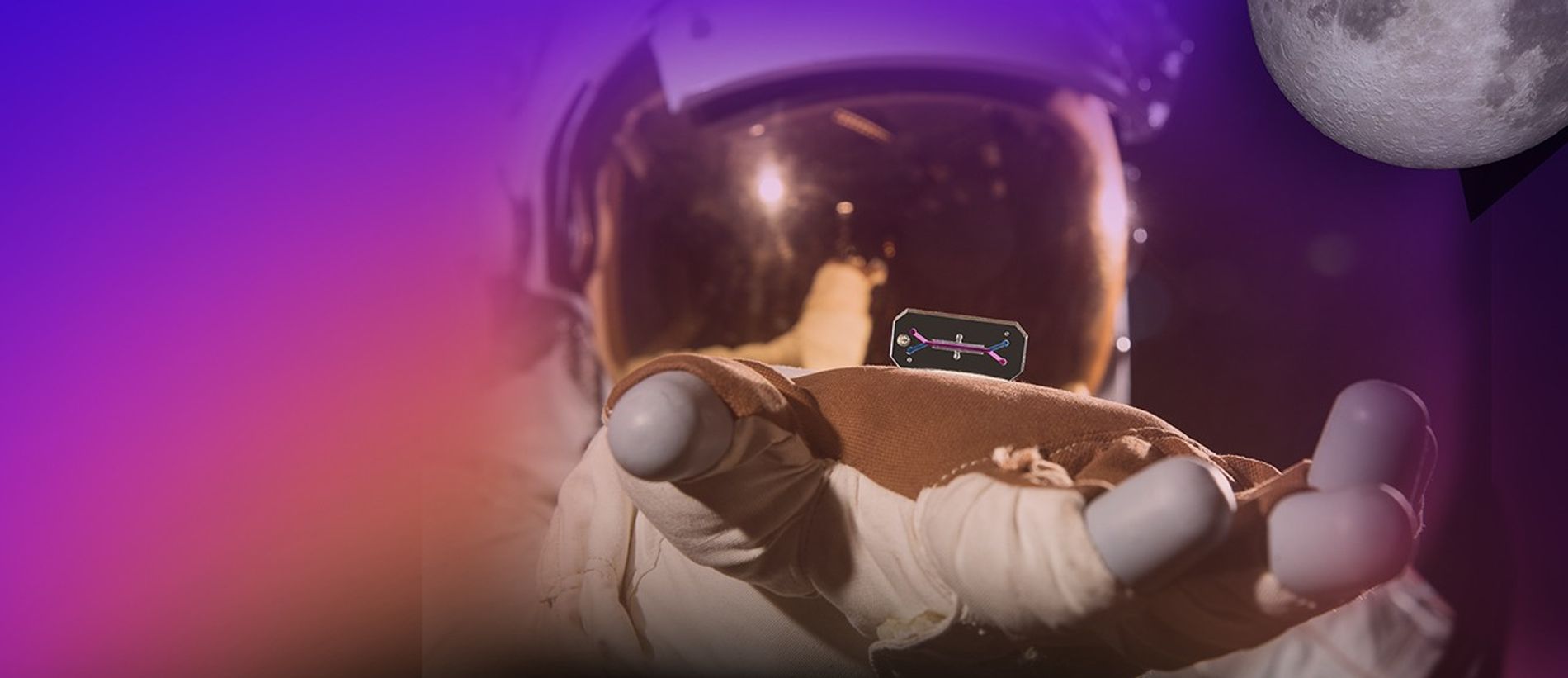
    Two fingers holding a transparent rectangular device the size of a USB drive. Inside the device is a long line of blue with two short, red lines at opposite ends.
    An organ chip for conducting bone marrow experiments in space.
    Emulate

    NASA announced a trailblazing experiment that aims to take personalized medicine to new heights. The experiment is part of a strategic plan to gather valuable scientific data during the Artemis II mission, enabling NASA to “know before we go” back to the lunar surface and on to Mars.

    The AVATAR (A Virtual Astronaut Tissue Analog Response) investigation will use organ-on-a-chip devices, or organ chips, to study the effects of deep space radiation and microgravity on human health. The chips will contain cells from Artemis II astronauts and fly side-by-side with crew on their approximately 10-day journey around the Moon. This research, combined with other studies on the health and performance of Artemis II astronauts, will give NASA insight into how to best protect astronauts as exploration expands to the surface of the Moon, Mars, and beyond. 

    AVATAR is NASA’s visionary tissue chip experiment that will revolutionize the very way we will do science, medicine, and human multi-planetary exploration.”

    Nicky Fox

    Associate Administrator, NASA Science Mission Directorate

    AVATAR is NASA’s visionary tissue chip experiment that will revolutionize the very way we will do science, medicine, and human multi-planetary exploration,” said Nicky Fox, associate administrator, Science Mission Directorate at NASA Headquarters in Washington. “Each tissue chip is a tiny sample uniquely created so that we can examine how the effects of deep space act on each human explorer before we go to ensure we pack the appropriate medical supplies tailored to each individual’s needs as we travel back to the Moon, and onward to Mars.”

    The investigation is a collaboration between NASA, government agencies, and industry partners, leveraging commercial expertise to gain a deeper understanding of human biology and disease. This research could accelerate innovations in personalized healthcare, both for astronauts in space and patients on Earth.

    Organ-on-a-chip: mimic for human health

    Organ chips, also referred to as tissue chips or microphysiological systems, are roughly the size of a USB thumb drive and used to help understand — and then predict — how an individual might respond to a variety of stressors, such as radiation or medical treatments, including pharmaceuticals. Essentially, these small devices serve as “avatars” for human organs. 

    Organ chips contain living human cells that are grown to model the structures and functions of specific regions in human organs, such as the brain, lungs, heart, pancreas, and liver — they can beat like a heart, breathe like a lung, or metabolize like a liver. Tissue chips can be linked together to mimic how organs interact with each other, which is important for understanding how the whole human body responds to stressors or treatments.

    Researchers and oncologists use human tissue chips today to understand how a specific patient’s cancer might react to different drugs or radiation treatments. To date, a standard milestone for organs-on-chips has been to keep human cells healthy for 30 days. However, NASA and other research institutions are pushing these boundaries by increasing the longevity of organ chips to a minimum of six months so that scientists can observe diseases and drug therapies over a longer period.

    Bone marrow as bellwether

    The Artemis II mission will use organ chips created using blood-forming stem and progenitor cells, which originate in the bone marrow, from Artemis II crew members.

    Bone marrow is among the organs most sensitive to radiation exposure and, therefore, of central importance to human spaceflight. It also plays a vital role in the immune system, as it is the origin of all adult red and white blood cells, which is why researchers aim to understand how deep space radiation affects this organ.

    Studies have shown that microgravity affects the development of bone marrow cells. Although the International Space Station operates in low Earth orbit, which is shielded from most cosmic and solar radiation by the Earth’s magnetosphere, astronauts often experience a loss of bone density. Given that Artemis II crew will be flying beyond this protective layer, AVATAR researchers also seek to understand how the combined stressors of deep space radiation and microgravity affect the developing cells.

    To make the bone marrow organ chips, Artemis II astronauts will first donate platelets to a local healthcare system. The cells remaining from their samples will contain a small percentage of bone marrow-derived stem and progenitor cells. NASA-funded scientists at Emulate, Inc., which developed the organ chip technology used in AVATAR, will purify these cells with magnetic beads that bind specifically to them. The purified cells will then be placed in the bone marrow chips next to blood vessel cells and other supporting cells to model the structure and function of the bone marrow.

    Investigating how radiation affects the bone marrow can provide insights into how radiation therapy and other DNA-damaging agents, such as chemotherapeutic drugs, impair blood cell formation. Its significance for both spaceflight and medicine on Earth makes the bone marrow an ideal organ to study in the Artemis II AVATAR project.

    Passenger for research

    “For NASA, organ chips could provide vital data for protecting astronaut health on deep space missions,” said Lisa Carnell, director of NASA’s Biological and Physical Sciences division at NASA Headquarters. “As we go farther and stay longer in space, crew will have only limited access to on-site clinical healthcare. Therefore, it’ll be critical to understand if there are unique and specific healthcare needs of each astronaut, so that we can send the right supplies with them on future missions.”

    During the Artemis II mission, the organ chips will be secured in a custom payload developed by Space Tango and mounted inside the capsule during the mission. The battery-powered payload will maintain automated environmental control and media delivery to the organ chips throughout the flight.

    For NASA, organ chips could provide vital data for protecting astronaut health on deep space missions.”

    Lisa Carnell

    Director of NASA’s Biological and Physical Sciences Division

    Upon return, researchers at Emulate will examine how spaceflight affected the bone marrow chips by performing single-cell RNA sequencing, a powerful technique that measures how thousands of genes change within individual cells. The scientists will compare data from the flight samples to measurements of crew cells used in a ground-based immunology study happening simultaneously. This will provide the most detailed look at the impact of spaceflight and deep space radiation on developing blood cells to date.

    Biological & Physical Sciences Division (BPS)

    • NASA’s Biological and Physical Sciences Division pioneers scientific discovery and enables exploration by using space environments to conduct investigations not possible on Earth. Studying biological and physical phenomenon under extreme conditions allows researchers to advance the fundamental scientific knowledge required to go farther and stay longer in space, while also benefitting life on Earth.

  • Weird Ways to Observe the Moon

    3 min read

    Weird Ways to Observe the Moon

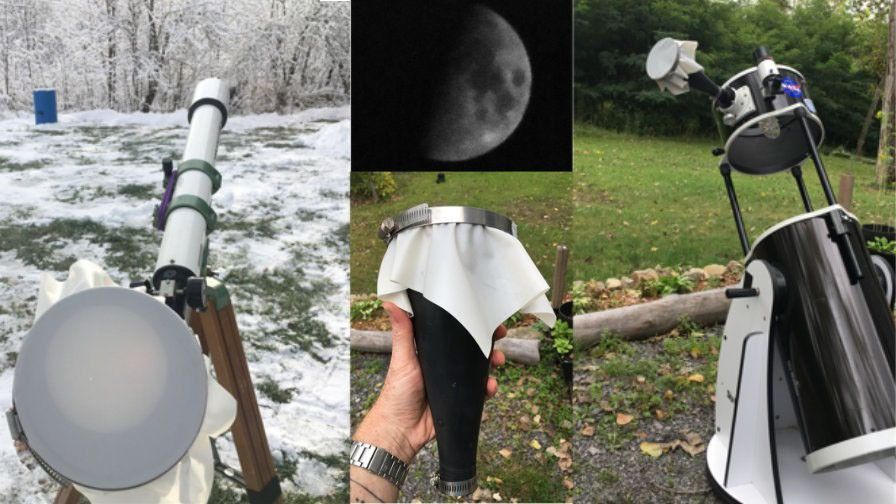
    Sun Funnels in action! Starting clockwise from the bottom left, a standalone Sun Funnel; attached to a small refractor to observe the transit of Mercury in 2019; attached to a large telescope in preparation for evening lunar observing; projection of the Moon on a funnel from a medium-size scope (5 inches).
    Night Sky Network

    International Observe the Moon Night is on October 4, 2025, this year– but you can observe the Moon whenever it’s up, day or night! While binoculars and telescopes certainly reveal incredible details of our neighbor’s surface, bringing out dark seas, bright craters, and numerous odd fissures and cracks, these tools are not the only way to observe details about our Moon. There are more ways to observe the Moon than you might expect, just using common household materials.

    Put on a pair of sunglasses, especially polarized sunglasses! You may think this is a joke, but the point of polarized sunglasses is to dramatically reduce glare, and so they allow your eyes to pick out some lunar details! Surprisingly, wearing sunglasses even helps during daytime observations of the Moon.

    One unlikely tool is the humble plastic bottle cap! John Goss from the Roanoke Valley Astronomical Society shared these directions on how to make your own bottle cap lunar viewer, which was suggested to him by Fred Schaaf many years ago as a way to also view the thin crescent of Venus when close to the Sun:

    “The full Moon is very bright, so much that details are overwhelmed by the glare. Here is an easy way to see more! Start by drilling a 1/16-inch (1.5 mm) diameter hole in a plastic soft drink bottle cap. Make sure it is an unobstructed, round hole.  Now look through the hole at the bright Moon. The image brightness will be much dimmer than normal – over 90% dimmer – reducing or eliminating any lunar glare. The image should also be much sharper because the bottle cap blocks light from entering the outer portion of your pupil, where imperfections of the eye’s curving optical path likely lie.” Many report seeing a startling amount of lunar detail!

    You can project the Moon! Have you heard of a “Sun Funnel”? It’s a way to safely view the Sun by projecting the image from an eyepiece to fabric stretched across a funnel mounted on top. It’s easy to make at home, too – directions are here: bit.ly/sunfunnel. Depending on your equipment, a Sun Funnel can view the Moon as well as the Sun– a full Moon gives off more than enough light to project from even relatively small telescopes. Large telescopes will project the full Moon and its phases with varying levels of detail; while not as crisp as direct eyepiece viewing, it’s still an impressive sight! You can also mount your smartphone or tablet to your eyepiece for a similar Moon-viewing experience, but the funnel doesn’t need batteries.

    Of course, you can join folks in person or online to celebrate our Moon on October 4, 2025, with International Observe the Moon Night – find details at moon.nasa.gov/observe.

    Originally posted by Dave Prosper: September 2021

    Last Updated by Kat Troche: March 2025

  • Artemis II Crew to Advance Human Spaceflight Research

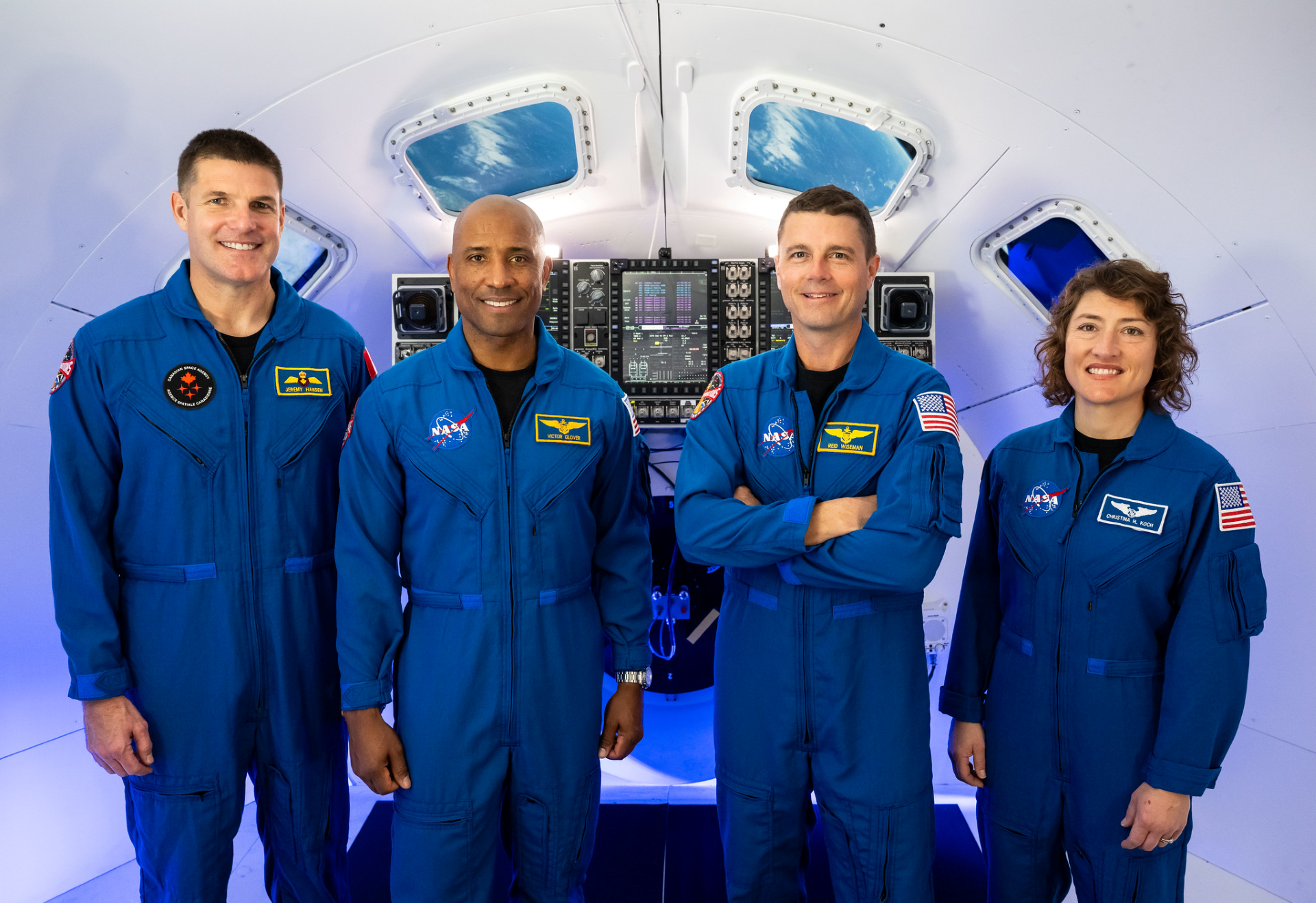
    CSA (Canadian Space Agency) astronaut Jeremy Hansen, alongside NASA astronauts Victor Glover, Reid Wiseman, and Christina Koch, will launch on the Artemis II mission early next year. The crew will participate in human research studies to provide insights about how the body performs in deep space as part of this mission. Credit: (NASA/James Blair)

    A sweeping collection of astronaut health studies planned for NASA’s Artemis II mission around the Moon will soon provide agency researchers with a glimpse into how deep space travel influences the human body, mind, and behavior.

    During an approximately 10-day mission set to launch in 2026, NASA astronauts Reid Wiseman, Victor Glover, and Christina Koch, and CSA (Canadian Space Agency) astronaut Jeremy Hansen will collect and store their saliva, don wrist monitors that track movement and sleep, and offer other essential data for NASA’s Human Research Program and other agency science teams. 

    “The findings are expected to provide vital insights for future missions to destinations beyond low Earth orbit, including Mars,” said Laurie Abadie, an aerospace engineer for the program at NASA’s Johnson Space Center in Houston, who strategizes about how to carry out studies on Artemis missions. “The lessons we learn from this crew will help us to more safely accomplish deep space missions and research,” she said.

    One study on the Artemis II mission, titled Immune Biomarkers, will explore how the immune system reacts to spaceflight. Another study, ARCHeR (Artemis Research for Crew Health and Readiness), will evaluate how crew members perform individually and as a team throughout the mission, including how easily they can move around within the confined space of their Orion spacecraft. Astronauts also will collect a standardized set of measurements spanning multiple physiological systems to provide a comprehensive snapshot of how spaceflight affects the human body as part of a third study called Artemis II Standard Measures. What’s more, radiation sensors placed inside the Orion capsule cells will collect additional information about radiation shielding functionality and organ-on-a-chip devices containing astronaut cells will study how deep space travel affects humans at a cellular level.

    “Artemis missions present unique opportunities, and challenges, for scientific research,” said Steven Platts, chief scientist for human research at NASA Johnson.

    Platts explained the mission will need to protect against challenges including exposure to higher radiation levels than on the International Space Station, since the crew will be farther from Earth.

    “Together, these studies will allow scientists to better understand how the immune system performs in deep space, teach us more about astronauts’ overall well-being ahead of a Mars mission, and help scientists develop ways to ensure the health and success of crew members,” he said.

    Another challenge is the relatively small quarters. The habitable volume inside Orion is about the size of a studio apartment, whereas the space station is larger than a six-bedroom house with six sleeping quarters, two bathrooms, a gym, and a 360-degree view bay window. That limitation affects everything from exercise equipment selection to how to store saliva samples.

    Previous research has shown that spaceflight missions can weaken the immune system, reactivate dormant viruses in astronauts, and put the health of the crew at risk. Saliva samples from space-based missions have enabled scientists to assess various viruses, hormones, and proteins that reveal how well the immune system works throughout the mission.

    But refrigeration to store such samples will not be an option on this mission due to limited space. Instead, for the Immune Biomarkers study, crew members will supply liquid saliva on Earth and dry saliva samples in space and on Earth to assess changes over time. The dry sample process involves blotting saliva onto special paper that’s stored in pocket-sized booklets.

    “We store the samples in dry conditions before rehydrating and reconstituting them,” said Brian Crucian, an immunologist with NASA Johnson who’s leading the study. After landing, those samples will be analyzed by agency researchers.

    For the ARCHeR study, participating crew members will wear movement and sleep monitors, called actigraphy devices, before, during, and after the mission. The monitors will enable crew members and flight controllers in mission control to study real-time health and behavioral information for crew safety, and help scientists study how crew members’ sleep and activity patterns affect overall health and performance. Other data related to cognition, behavior, and team dynamics will also be gathered before and after the mission.

    “Artemis missions will be the farthest NASA astronauts have ventured into space since the Apollo era,” said Suzanne Bell, a NASA psychologist based at Johnson who is leading the investigation. “The study will help clarify key mission challenges, how astronauts work as a team and with mission control, and the usability of the new space vehicle system.” 

    Another human research study, Artemis II Standard Measures, will involve collecting survey and biological data before, during, and after the Artemis II mission, though blood collection will only occur before and after the mission. Collecting dry saliva samples, conducting psychological assessments, and testing head, eye, and body movements will also be part of the work. In addition, tasks will include exiting a capsule and conducting simulated moonwalk activities in a pressurized spacesuit shortly after return to Earth to investigate how quickly astronauts recover their sense of balance following a mission.

    Crew members will provide data for these Artemis II health studies beginning about six months before the mission and extending for about a month after they return to Earth.

    NASA also plans to use the Artemis II mission to help scientists characterize the radiation environment in deep space. Several CubeSats, shoe-box sized satellites that will be deployed into high-Earth orbit during Orion’s transit to the Moon, will probe the near-Earth and deep space radiation environment. Data gathered by these CubeSats will help scientists understand how best to shield crew and equipment from harmful space radiation at various distances from Earth.

    Crew members will also keep dosimeters in their pockets that measure radiation exposure in real time. Two additional radiation-sensing technologies will also be affixed to the inside of the Orion spacecraft. One type of device will monitor the radiation environment at different shielding locations and alert crew if they need to seek shelter, such as during a solar storm. A separate collection of four radiation monitors, enabled through a partnership with the German Space Agency DLR, will be placed at various points around the cabin by the crew after launch to gather further information.

    Other technologies also positioned inside the spacecraft will gather information about the potential biological effects of the deep space radiation environment. These will include devices called organ chips that house human cells derived from the Artemis II astronauts, through a project called AVATAR (A Virtual Astronaut Tissue Analog Response). After the Artemis II lands, scientists will analyze how these organ chips responded to deep space radiation and microgravity on a cellular level.

    Together, the insights from all the human research science collected through this mission will help keep future crews safe as humanity extends missions to the Moon and ventures onward to Mars.

    ____

    NASA’s Human Research Program

    NASA’s Human Research Program pursues methods and technologies to support safe, productive human space travel. Through science conducted in laboratories, ground-based analogs, commercial missions, the International Space Station and Artemis missions, the program scrutinizes how spaceflight affects human bodies and behaviors. Such research drives the program’s quest to innovate ways that keep astronauts healthy and mission ready as human space exploration expands to the Moon, Mars, and beyond.

  • NSTGRO 2025

    NSTGRO Homepage

    Andrew Arends
    University of California, Davis
    Astronaut-Powered Laundry Machine

    Allan Attia
    Stanford University
    Computational Modeling of Lithium Magnetoplasmadynamic Thruster for Nuclear Electric Propulsion

    Michael Auth
    University of California, Santa Barbara
    Non-Contact, Real-Time Diagnostics of Battery Aging in 18650 Cells During the Lunar Night Using Acoustic Spectroscopy

    Nicholas Brennan
    Cornell University
    Spin Wave-Based Neuromorphic Coprocessor for Advanced AI Applications

    John Carter
    Purdue University
    Spectroscopic Measurements and Kinetic Modeling of Non-Boltzmann CN for Entry Systems Modeling

    Thomas Clark
    University of Colorado, Boulder
    Data-Driven Representations of Trajectories in Cislunar Space

    Nicholas Cmkovich
    University of Wisconsin-Madison
    Development of Radiation Tolerant Additively Manufactured Refractory Compositionally Complex Alloys

    Kara Hardy
    Michigan Technological University
    Design and Optimization of Cuttlebone-Inspired Cellular Materials Using Turing Systems

    Tyler Heggenes
    Utah State University
    Mitigating Spacecraft Charging Issues Through High-Precision, Temperature-Dependent Measurements of Dynamic Radiation Induced Conductivity

    Joseph Hesse-Withbroe
    University of Colorado, Boulder
    Decreasing Astronaut Radiation Doses with Magnetic Shields

    Niya Hope-Glenn
    Massachusetts Institute of Technology
    Investigating the Selectivity of CO2 Hydrogenation to Ethylene in a Plasma Reactor for Mars ISRU

    Adrianna Hudyma
    University of Minnesota
    Biorthogonal Translation System for Production of Pharmaceuticals During Space Missions

    Tushaar Jain
    Carnegie Mellon University
    Towards On-Demand Planetary Landing Through On-Board Autonomous Mapping and Cross-Modality Map Relative Localization

    Devin Johnson
    Purdue University
    Numerical and Experimental Methodology to Optimize Propellant Injection, Mixing, and Response in Rotating Detonation Engines

    Jack Joshi
    University of Texas at Austin
    State Representations for Measurement Fusion and Uncertainty Propagation in Cislunar Regime

    John Knoll
    William Marsh Rice University
    Dexterous Manipulation via Vision-Intent-Action Models

    Joseph Ligresti
    Purdue University
    Effects of Vacuum Conditions on FORP Reactivity and Long-Term Viability of MON-25/MMH Thrusters

    Alexander Madison
    University of Central Florida
    Hybrid Microwave Sintering of Lunar Regolith with 2.45GHz and 18-28GHz

    Aurelia Moriyama-Gurish
    Yale University
    Investigating Fundamental High Strain Rate Deformation Mechanisms to Bridge the Experiment-Computation Gap and Local Thermal Shock Response in C103

    Sophia Nowak
    University of Wisconsin-Madison
    Pulsed Laser System for Calibration of High Resolution X-ray Microcalorimeters

    Jacob Ortega
    Missouri University of Science and Technology
    Forging the Future Lunar Settlement with In-Situ Aluminum Extraction

    John Riley O’Toole
    University of Michigan
    Laser-Based Measurements of Electron Properties in Hall Effect Thrusters with Non-Conventional Propellants Enabling for Cis-Lunar, Mars, and Deep Space Missions

    Cort Reinarz
    Texas A&M University
    Utilizing Biometrics in Closed-Loop Compression Garment Systems as a Countermeasure for Orthostatic Intolerance

    Erica Sawczynec
    University of Texas at Austin
    A Monolithic Cross-Dispersed Grism for Near-Infrared Spectroscopy

    Ingrid Shan
    California Institute of Technology
    Micro-Architected Metallic Lattices for Lunar Dust Mitigation

    Pascal Spino
    Massachusetts Institute of Technology
    Centimeter-Scale Robots for Accessing Europa’s Benthic Zone

    Benjamin Stern
    Northwestern University, Chicago
    A Near-Field Thermoreflectance Approach for Nanoscale Thermal Mapping on Nanostructured Sige

    Titus Szobody
    William Marsh Rice University
    Leveraging Polymeric Photochemistry in Ionic Liquid-Based Mirror Synthesis for Space Telescope Optics

    Seneca Velling
    California Institute of Technology
    Constraining Weathering Kinetics Under Experimentally Simulated Venus Conditions

    Zhuochen Wang
    Georgia Institute of Technology
    Optimal Covariance Steering on Lie Groups for Precision Powered Descent

    Stanley Wang
    Stanford University
    Compact Robots with Long Reach for Space Exploration and Maintenance Tasks

    Thomas Westenhofer
    University of California, Irvine
    Kinetic Modeling of Carbon Mass Loss in Nuclear Thermal Propulsion

    Andrew Witty
    Purdue University
    Scalable Nanoporous Paints with High Solar Reflectance and Durability in Space Environments

    Jonathan Wrieden
    University of Maryland, College Park
    A Stochastic Model for Predicting Charged Orbital Debris Probability Densities by Utilizing Earth’s Electromagnetic Field to Guide Active Debris Remediation Efforts

    Jasen Zion
    California Institute of Technology
    Large-Format, Fast SNSPD Cameras Benchmarked with Neutral Atom Arrays

    Details

    Last Updated

    Sep 12, 2025

    Editor
    Loura Hall

  • Hubble Surveys Cloudy Cluster

    2 min read

    Hubble Surveys Cloudy Cluster

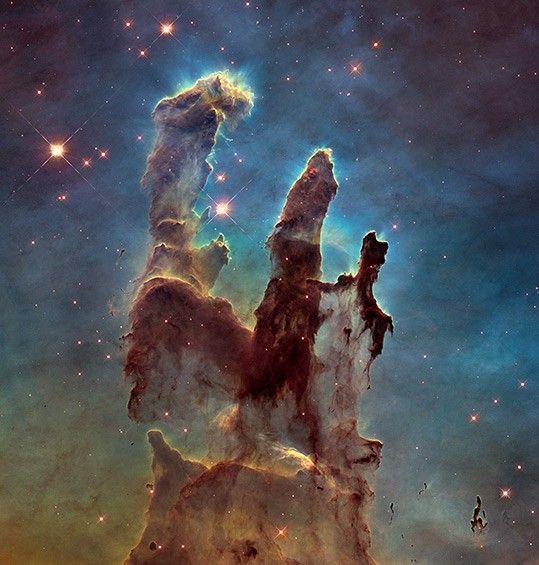
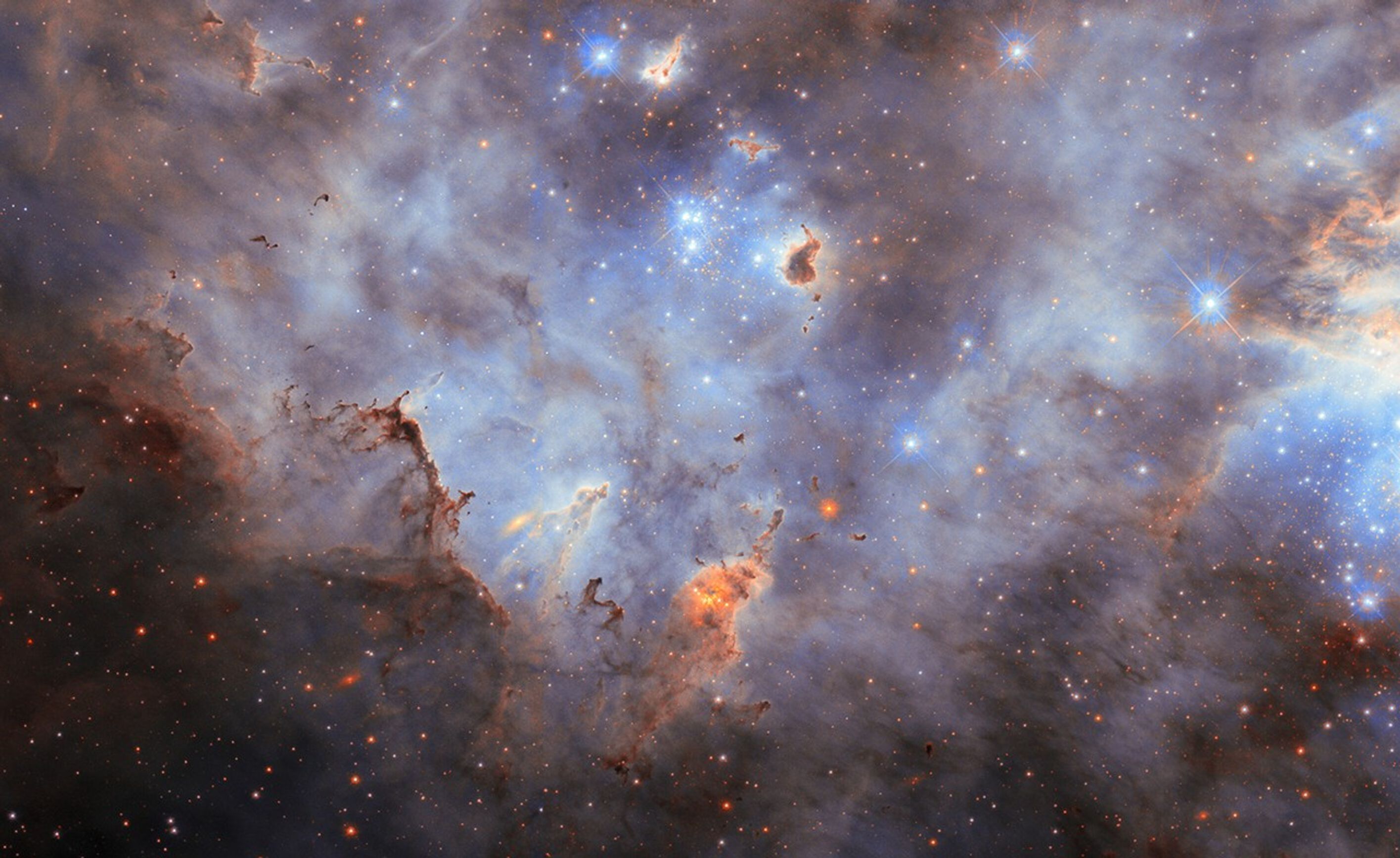
    Stars in a star cluster shine brightly blue, with four-pointed diffraction spikes radiating from them. The center shows a small, crowded group of stars while a larger group is partially visible on the right side of the image. The nebula is mostly thick, smoky clouds of gas, lit up in blue tones by the stars. Clumps of dust hover before and around the stars; they are mostly dark but lit around their edges where the starlight erodes them.
    This new NASA/ESA Hubble Space Telescope image features the nebula LMC N44C.
    ESA/Hubble & NASA, C. Murray, J. Maíz Apellániz

    This new NASA/ESA Hubble Space Telescope image features a cloudy starscape from an impressive star cluster. This scene is in the Large Magellanic Cloud, a dwarf galaxy situated about 160,000 light-years away in the constellations Dorado and Mensa. With a mass equal to 10–20% of the mass of the Milky Way, the Large Magellanic Cloud is the largest of the dozens of small galaxies that orbit our galaxy.

    The Large Magellanic Cloud is home to several massive stellar nurseries where gas clouds, like those strewn across this image, coalesce into new stars. Today’s image depicts a portion of the galaxy’s second-largest star-forming region, which is called N11. (The most massive and prolific star-forming region in the Large Magellanic Cloud, the Tarantula Nebula, is a frequent target for Hubble.) We see bright, young stars lighting up the gas clouds and sculpting clumps of dust with powerful ultraviolet radiation.

    This image marries observations made roughly 20 years apart, a testament to Hubble’s longevity. The first set of observations, which were carried out in 2002–2003, capitalized on the exquisite sensitivity and resolution of the then-newly-installed Advanced Camera for Surveys. Astronomers turned Hubble toward the N11 star cluster to do something that had never been done before at the time: catalog all the stars in a young cluster with masses between 10% of the Sun’s mass and 100 times the Sun’s mass.

    The second set of observations came from Hubble’s newest camera, the Wide Field Camera 3. These images focused on the dusty clouds that permeate the cluster, providing us with a new perspective on cosmic dust.

    Media Contact:

    Claire Andreoli (claire.andreoli@nasa.gov)
    NASA’s Goddard Space Flight CenterGreenbelt, MD