Tag: solar system

  • SARP West 2025 Aerosols Group

    9 min read

    Preparations for Next Moonwalk Simulations Underway (and Underwater)

    A group of seven students wearing badges on lanyards stand on tan tarmac in front of a small gray plane.
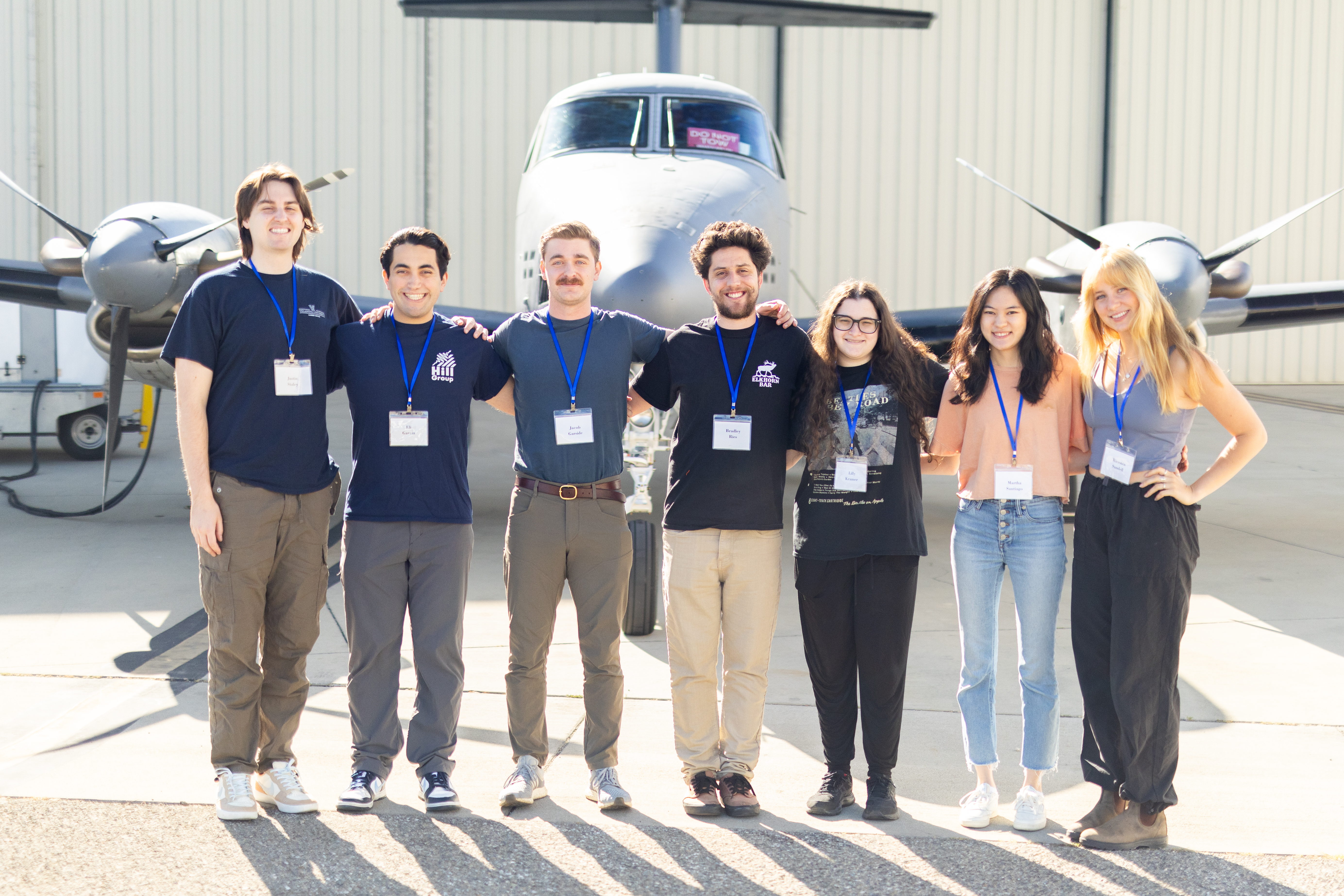
    The 2025 SARP West Aerosols Group poses in front of the Dynamic Aviation B-200 aircraft, parked on the tarmac at Guardian Jet Center in Southern California. During the internship, students spend a week engaged in Earth science data collection and learning from instruments specialists while flying onboard both the B-200 and NASA’s P-3 aircraft.
    NASA/Milan Loiacono

    Faculty Advisors:

    Andreas Beyersdorf, California State University, San Bernardino 

    Graduate Mentor:

    Bradley Ries, University of California, Riverside 

    Aerosols Group Introduction

    Faculty Advisor Andreas Beyersdorf

    Martha Santiago

    Aerosol Pollution in Two Coastal Agricultural Regions in the United States 

    Martha Santiago, Northwestern University 

    Although air quality has improved across the United States since the passage of the Clean Air 

    Act in 1970, air pollution remains an issue for millions of Americans. Livestock, fertilizers, and pesticides can release pollutants into the surrounding environment, which may be associated with adverse health effects like asthma and cardiovascular disease, in nearby populations. Because some aerosols are tracers for agriculture, examining aerosol concentrations and composition can help better understand sources and impacts of air pollution. Here, we compare two agricultural regions, the Central Valley in California, which is dominated by fruit, nut, and cattle farms, and the Delmarva Peninsula, which comprises chicken hatcheries and vegetable farms. Using airborne data from the Aerosol Mass Spectrometer (AMS), we compare relative and absolute levels of ammonium (NH4+), chloride (Cl-), nitrates (NO3-), organics, and sulfates (SO42-), and calculate total particulate matter smaller than one micron (PM1). We also examine other agricultural pollutants such as methane (CH4), a tracer for agricultural activity, and compare hotspots between each region. Although both regions are known for high levels of agriculture, our results indicate that their aerosol and trace gas compositions and concentrations vary significantly. On the Delmarva Peninsula, air pollution appears to be a regional issue; average pollutant concentrations are higher but evenly distributed. Conversely, pollution in the Central Valley is localized, as indicated by higher pollutant peaks that overlap over clusters of communities. Understanding differences in composition, concentration, and distribution enables communities and policymakers to identify solutions to address air pollution and to improve air quality. 

    Eli Garcia 

    Analysis of missed approaches across the Los Angeles basin with a focus on Long Beach aerosol composition 

    Eli Garcia, Trinity College 

    Aerosols play an important part in the overall air quality, visibility, and human health in urban and rural areas alike. Within the urban sprawl of Los Angeles, many sources of anthropogenic aerosols contribute meaningfully to the improving, yet still below-average air quality of the greater metropolitan area. Because of the relative size and topography of urban Los Angeles, the area can be divided into multiple distinct regions each with distinct sources and compositions of aerosols. To better understand these sources, missed approaches were examined from the NASA Student Airborne Research Program flight campaigns over the last two summers. These missed approaches provide us with an accurate snapshot of the local aerosol composition for people living near these airports, so that we can better understand the sources of these pollutants. For this study, we used aerosol mass spectrometer data to determine the relative amounts of organics, sulfates, nitrates, ammonium, and chlorides. We were also able to collect the total number count of particulate matter and the nonvolatile number count utilizing a condensation particle counter. Data were acquired from six common airports where missed approaches were performed, and we discovered the aerosol composition varies based on the location within the basin. At airports with large amounts of traffic and warehouses, nitrates are a greater portion of total mass, while at airports with a greater concentration of industry, like Long Beach, sulfates are also a greater fraction. By determining what the largest contributing aerosols are and their major sources, efforts can be focused to mitigate these specific polluters. 

    Kiersten Sundell

    Mega-Feedlots, Mega-Impact: Differences in Health Outcomes in California’s Imperial Valley 

    Kiersten Sundell, University of Rhode Island 

    Imperial Valley communities show asthma rates significantly higher than California averages across all age groups, despite relatively low particulate matter (PM2.5 and PM10) readings at regulatory monitoring stations. This health-pollution disconnect indicates potential unmeasured emission sources in a region dominated by industrial cattle feedlots. Imperial Valley hosts California’s largest Concentrated Animal Feeding Operation (CAFO) and slaughterhouse, facilities that confine thousands of cattle and produce large volumes of methane, PM, nitrous oxide, and ammonia, producing complex aerosols linked to respiratory and cardiovascular health impacts. While previous studies have used downwind total suspended particulate filters, dispersion modeling, and supply chain mapping to assess CAFO emissions, these approaches often miss concentrated pollution hotspots. We combine aerosol data from the NASA Student Airborne Research Program, EPA air quality monitoring stations, IPCC calculations, and California wastewater permits to quantify and map emissions from the state’s largest cattle feedlot and slaughterhouse: Brandt Beef in Calipatria and Brawley, California. We mapped these pollutants against health and demographic data in California’s Imperial Valley using data from California Department of Public Health and CalEnviroScreen, finding significant correlations between pollutant spread and prevalence of health indicators such as asthma and cardiovascular disease. Our analysis reveals that Brandt Beef operations emit 26.73 tons of methane and 39.98 tons of nitrous oxide daily. Airborne measurements revealed elevated PM concentrations around facilities, while spatial analysis showed significant correlations between facility proximity and health conditions. These findings indicate that large-scale cattle operations are associated with measurable environmental impact in the surrounding communities, which may be linked to differences in health outcomes, despite compliance with federal air quality standards. 

    Lilly Kramer

    Dust Over the Salton Sea 

    Lilly Kramer, Oberlin College 

    Dust storms occur from winds picking up loose sediments, which creates health issues for surrounding populations. The largest dust source in the US is found in California’s Owens Dry Lake. These dust storms are incredibly toxic, carrying carcinogens from the exposed lakebed (playa) into the atmosphere and toward people. The Salton Sea is a lake in California that is rapidly drying, exposing its playa to the environment. In its decline, the Salton Sea mirrors the fate of Owens Lake, which dried up in 1905. A 2024 research paper by Eric C. Edwards (et al.) used a spatially explicit particle transport model to demonstrate increased dust emissions from the Salton Sea. Our research will showcase environmental evidence that the increasing playa creates more dust in the Salton Sea area, corroborating the existing model. This was achieved by analyzing the NASA Student Airborne Research Program flight data over nearly a decade. An Ultra-High Sensitivity Aerosol Spectrometer (UHSAS) and Laser Aerosol Spectrometer (LAS) provided the information on the size of aerosol particles and their quantity. The analysis established a trend of increasing dust particles over the Salton Sea area by looking at particles over 500 nm in diameter. This trend is currently dangerous for the people living near the lake, as increased toxic dust causes significant health issues. This problem will only be exacerbated because if the lake continues its projected path and completely dries up, it could create massive toxic dust storms that extend much farther. 

    Justin Staley

    Seasonal Variability in Boundary Layer Vertical Profiles over Los Angeles: A Comparative Analysis of Summer and Winter Conditions 

    Justin Staley, Villanova University 

    The planetary boundary layer (PBL) is the lowest part of the atmosphere, in situ air that borders the free troposphere and the Earth’s surface. Characterized by turbulent mixing, PBL plays an important role in climate patterns, weather dynamics, and air quality, and is influenced by external factors such as temperature, geography, and proximity to the ocean. This project analyzes the seasonal differences in PBL characteristics over the greater Los Angeles area by asking how vertical profiles of trace gases and aerosols compare during missed approaches in summer 2025 and winter 2021. Aircraft-based measurements of trace gases (CH₄, NH₄, O₃, NO₃), organic aerosols, and total number count of aerosols, were used to analyze how the PBL structure influences pollutant distribution across urban and coastal regions. Results indicate that summer mornings often exhibit deeper boundary layers from increased solar intensity. In contrast, winter morning profiles exhibit shallower and more stable boundary layers from less warming and more cloud coverage, with weaker vertical mixing. Observed chemical species, particularly O₃ and NH₄, displayed distinct vertical gradients at the PBL top, aiding in defining its height and dynamics. Additionally, ozone concentrations increase above PBL, while total aerosol number counts vary with altitude and location. These findings provide insight into pollutant dispersion, chemical reactivity, implications for regional air quality modeling, and a better understanding of the role of local geography and meteorology in shaping boundary layer behavior in Southern California. 

    Jacob Garside

    Biomass Burning Aerosol Fingerprints: Combining Absorption and Trace Gas Measurements for Plume Characterization 

    Jacob Garside, Plymouth State University 

    With thousands of wildfires occurring annually in California, understanding smoke composition is critical for air quality and climate assessments. As wildfire severity and intensity are increasing year over year, being able to characterize aerosol plumes becomes more important. This study examines two significant 2025 fires through combined airborne and ground-based measurements: the June 30th Juniper Fire and the 24-day Eaton Fire (January 7th–31st). During the NASA Student Airborne Research Program, the P-3B aircraft intercepted the Juniper Fire plume, enabling a comprehensive analysis of biomass burning aerosols. We investigated whether aerosols and trace gases could serve as definitive fire signatures by comparing aircraft and surface measurements. The study utilized absorption measurements from both the airborne Langley Aerosols Research Group, instrument suite and a ground-based Atmospheric Science and Chemistry mEasuremet NeTwork (ASCENT) aethalometer to derive the absorption Ångström exponent (AAE), while simultaneous CO and CO₂ measurements on the aircraft identified plume intercepts and combustion efficiency. Calculated AAE values of 1.5-1.7 indicated mixed contributions from black carbon and brown carbon, which is characteristic of biomass burning. Elevated CO to CO₂ ratios confirmed inefficient smoldering fires, as high values of CO are usually linked to such fires. These findings demonstrate that integrated AAE and trace gas measurements from multiple platforms effectively characterize smoke composition, providing valuable discrimination between black carbon and brown carbon-dominated plumes for improved atmospheric modeling and public health assessment. 

    Details

    Last Updated

    Nov 19, 2025

  • SARP West 2025 Land Group

    11 min read

    Preparations for Next Moonwalk Simulations Underway (and Underwater)

    A group of eight people stand on tan tarmac in front of a small gray plane.
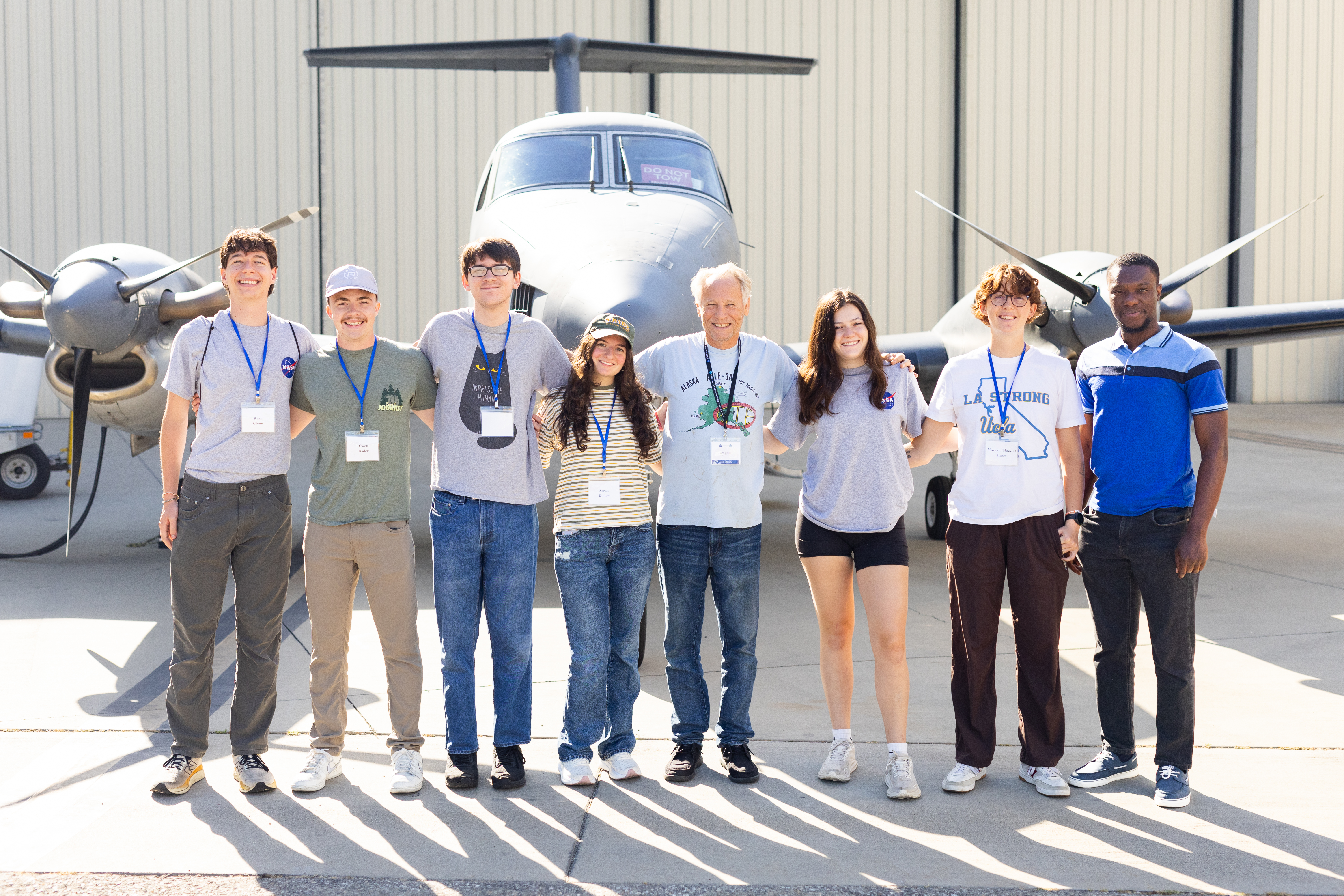
    The 2025 SARP West Land Group poses in front of the Dynamic Aviation B-200 aircraft, parked on the tarmac at Guardian Jet Center in Southern California. During the internship, students spend a week engaged in Earth science data collection and learning from instruments specialists while flying onboard both the B-200 and NASA’s P-3 aircraft.
    NASA/Milan Loiacono

    Faculty Advisors:

    Daniel Sousa, San Diego State University 

    Graduate Mentor:

    Megan Ward-Baranyay, San Diego State University 

    Land Group Introduction

    Faculty Advisor Daniel Sousa

    Robert Purvis

    Fractional cover estimates of the epiphytic macrolichen Ramalina menziesii in oak canopies from simulated mixed spectra and airborne imaging spectroscopy 

    Robert Purvis, Western Kentucky University 

    Lichens, a symbiotic relationship between a fungus (mycobiont) and green algae or cyanobacterium (photobiont), occur globally with great variability in form and function. On the North American west coast, Ramalina menziesii is a robust lichen with net-like morphology found across three distinct biomes. In the mediterranean climate of coastal California, R. menziesii can survive with thallus water content as low as 13%, making the lichen a powerful medium for wildfire spread. As a late-successional community member, changes in wildfire incidence observed in the region have caused R. menziesii coverage to decline. Despite their importance, there is little research on the detection of lichen with imaging spectroscopy, which would provide a potentially novel piece of information to wildland firefighters. The lichen primarily grows on oaks of the region, with the percentage of top-cover ranging from near zero to tree canopy overgrowth due to the lichens’ pendulous growth form. These characteristics may make R. menziesii a good candidate for airborne imaging spectroscopy. Reflectance spectra were collected with a field spectrometer and contact probe from the Figueroa creek area of Sedgwick Reserve in Santa Barbara County, California. From this collection, a spectral library was built (n=70) to contain three endmember types: Quercus lobata (California Valley Oak) leaf (GV; n=34), Q. lobata bark (NPV; n=8), and R. menziesii, (lichen; n=28). This library was sampled using a stratification method and was split into a simulation library (n=41) and an unmixing library (n=29). Mixed spectroscopic pixels at 5% increments of lichen coverage were simulated (n=1344) with random fractions of GV and NPV coverage. Multiple endmember spectral mixture analysis (MESMA) on the simulated pixels recovered the known lichen fractions at an RMSE of 0.25 and R2 of 0.38, with some overestimation of lichen coverage at high GV fractions. Future work will include evaluating the performance of the model with Airborne Visible and Infrared Imaging Spectroscopy (AVIRIS) imagery over Sedgwick Reserve. 

    Kyra Shimbo

    Investigating the Influence of Pre-Fire Fuels and Topography on Burn Severity Prediction in the 2024 Lake Fire in Santa Barbara County, California 

    Kyra Shimbo, University of Rochester 

    Wildfires can pose significant threats to air and water quality, vegetation, soil health, and public safety. The growing severity, frequency, and intensity of wildfires underscore the need to mitigate their impacts on ecosystems and communities. In California, a total of 8,110 wildfires occurred in 2024—burning over 1 million acres of land and destroying more than 1,800 structures. Prospective modeling of potential burn severity in fire-prone areas can help inform decisions on effectively implementing fire management strategies to reduce wildfire hazards. Previous studies have demonstrated that various combinations of pre-fire environmental characteristics, such as fuels and topography, can explain burn severity patterns. However, identifying the dominant drivers of burn severity and accurately predicting it remains challenging across different landscapes. To gain a stronger understanding of burn severity dynamics, we evaluated the influence of pre-fire fuels and topography on predicting post-fire char fractional cover—a proxy for burn severity—for the 2024 Lake Fire in Santa Barbara County, California. We used a random forest regression model to predict post-fire char fractional cover based on pre-fire measurements of fuel structure, fuel moisture, fuel condition, fuel water stress, and topography. Fuel structure was measured with the Land, Vegetation, and Ice Sensor (LVIS), a full-waveform LiDAR. Fuel moisture, fuel condition, and char fractional cover were derived from surface reflectance collected by the Earth Surface Mineral Dust Source Investigation (EMIT). Variables related to fuel water stress were estimated from the ECOsystem Spaceborne Thermal Radiometer Experiment on Space Station (ECOSTRESS). Topographic variables were acquired from the Shuttle Radar Topography Mission (SRTM). Preliminary results indicate that the model explains 28% of the variance in post-fire burn severity for the Lake Fire (R-squared = 0.28), with canopy height, green vegetation fractional cover, and aspect ranking the highest in predictor importance. Future work could focus on model improvement by incorporating additional pre-fire and active fire weather variables into the model. Overall, this model can be applied to monitoring fuel parameters associated with high burn severity that jeopardize ecosystems and water resources. 

    Nimay Mahajan 

    Evaluating Spectral Mixture Analysis (SMA) Derived Vegetation Fraction for Improved ET Estimates in the Semi-Arid Ecosystems of the Sierra Foothills 

    Nimay Mahajan, University of Miami 

    Evapotranspiration (ET) plays a critical role in water and energy cycles, particularly in semi-arid ecosystems. For decades, ET models have used spectral indices like the Normalized Difference Vegetation Index (NDVI) to quantify the abundance of green vegetation. However, NDVI has long-recognized limitations in semi-arid environments, including saturation for densely vegetated pixels and sensitivity to soil reflectance in sparsely vegetated areas. We explore the potential for vegetation fraction (VF) derived from spectral mixture analysis (SMA) of imaging spectroscopy data to provide a more accurate alternative to NDVI for modeling ET. Focusing on a region east of Fresno, California, we leverage data from National Ecological Observatory Network (NEON) flux towers (SJER and SOAP) which provide ground-based measurements of Latent Heat Flux (LE). We derive VF from surface reflectance collected by the Earth Surface Mineral Dust Source Investigation (EMIT) and compare it to the Landsat-based NDVI product currently used by NASA’s Priestley-Taylor Jet Propulsion Laboratory (PT-JPL) model. Land Surface Temperature (LST) from the ECOsystem Spaceborne Thermal Radiometer Experiment on Space Station (ECOSTRESS) is incorporated as the thermal data source for each PT-JPL model run. Both model configurations use the same six environmental variable inputs, differing only in their representation of fractional vegetation cover. Preliminary findings suggest that SMA-derived VF tends to produce more conservative LE estimates than NDVI, especially in areas with sparse or mixed vegetation cover. These VF-based estimates also appear to better align with flux tower observations, indicating that NDVI may be overestimating ET in this region. While both vegetation metrics show broad agreement in spatial structure (r = 0.73), localized LE differences highlight the importance of subpixel vegetation characterization in ET modeling. As orbital imaging spectrometers become more widely deployed, it is clear that improving remote sensing-based ET modeling can help support water monitoring, drought-resilient agriculture, and wildfire hazard assessments. 

    Patricia Sibulo

    Comparative Analysis of UAVSAR Derived Flooding Extent During Hurricane Florence (2018) to Urban Flood Hazard Models 

    Patricia Sibulo, University of San Francisco 

    Urban flooding poses major risks to public safety, infrastructure, and city planning. Yet, floods remain difficult to detect, especially during storms, when high precipitation is often accompanied by spatially and temporally persistent cloud cover. Synthetic aperture radar (SAR) sensors, such as airborne Uninhabited Aerial Vehicle Synthetic Aperture Radar (UAVSAR), emit microwave pulses that can image regardless of cloud cover or time of day and respond sensitively to surface water. This is due to both the high dielectric constant and the flat geometry of standing water. Given sufficient resources, airborne SAR is capable of capturing rapidly evolving flood events that unfold on hourly timescales. We investigated how daily airborne SAR can be applied to improve flood hazard mapping and monitoring in urban areas. This study incorporates airborne quad-polarized L-band UAVSAR data acquired for five days during the 2018 Hurricane Florence in North Carolina and flood hazard models developed by the state. From daily inundation extent maps, we computed the total area flooded in the Northeast Cape Fear River Basin spanning the area between the cities of Wilmington and Goldsboro. Spatial overlap between the total flooded area estimated by UAVSAR and the region’s projected flood hazard zones was quantified. A LiDAR-derived digital terrain model (DTM) with a spatial resolution of 3ft was also used to identify low-lying areas prone to pooling. Preliminary findings suggest that roughly 66% of the SAR-detected flood did not appear within the state’s modeled 100-year flood hazard zone. Future work could compare UAVSAR estimates of total flooded area to estimates derived from lower temporal resolution (6-12 days) spaceborne SAR to improve flood mapping globally. These results support the integration of high-temporal-resolution airborne SAR and satellite SAR in urban flood workflows for hazard assessment and active flood monitoring. The recently launched NASA-ISRO SAR (NISAR) mission, with global coverage up to twice every 12 days, is expected to enhance this fusion approach by providing more frequent spaceborne observations. Integrating SAR and LiDAR may enable more accurate, timely assessments in response to flood disasters. 

    Charlotte Perry

    Investigating Spaceborne Detection Limits of Geothermally Active Mud Features, Land Surface Temperature, and Surface Mineralogy in the Salton Sea Geothermal Field 

    Charlotte Perry, Stonehill College 

    Geothermally active mud features, such as mud pots and mud volcanoes, are manifestations of subsurface geothermal activity. Geothermal activity also provides energy resources. In California’s Salton Trough, geothermal power plants produce roughly 340 Megawatts of electric power annually. Detecting and monitoring geothermal surface features is thus valuable, as these features can be key indicators of geothermal resource potential. Here, we investigated the ability of spaceborne multispectral thermal imaging and imaging spectroscopy to detect and monitor these small-scale (sub-decameter) geothermal mud features near the southeastern edge of the Salton Sea. For this investigation, LST data were obtained from the ECOsystem Spaceborne Thermal Radiometer Experiment on Space Station (ECOSTRESS) and surface mineralogy estimates were provided by the Earth Surface Mineral Dust Source Investigation (EMIT) L2B Estimated Mineral Identification and Band Depth product. To examine temporal variability, we processed four images per sensor acquired over two seasons from two consecutive years, May and August for 2023 and 2024. We conducted t-tests to determine if consistent differences in mineralogy and/or LST were observable between known mud pots and control areas. Preliminary results did not find a statistically significant relationship (p > 0.05) between the presence of small-scale geothermal mud features, spaceborne-acquired surface mineralogy, and LST. This study has identified key spatial resolution limitations to locating and monitoring small geothermal mud features. Future work is suggested to determine the threshold for spatial resolution relative to the size of geothermal features of interest. Effectively locating and monitoring geothermally active areas has implications for improving energy security, quantifying the abundance of critical minerals, investigating the effect of their emissions, and understanding the potential geologic hazards they pose. 

    Brianna Francis

    AVIRIS, Altadena, and Asphalt: Assessing the capabilities of airborne imaging spectroscopy in classifying asphalt road condition 

    Brianna Francis, University of Georgia 

    Ninety-four percent of paved roads in the United States are surfaced with asphalt. Fire accelerates the aging process of asphalt and causes roads to degrade prematurely. This causes moisture pooling, accelerated pothole formation, and produces hazardous conditions for all motorists. Asphalt can have distinct spectral features depending on its condition. Undamaged asphalt typically has an albedo of 0.05 to 0.10 and is characterized by a notable decrease in reflectance near 1700 nm and 2300 nm due to absorption by the hydrocarbon-based asphalt sealant applied to the top of roads during its initial paving. As road surfaces are subjected to physical and chemical weathering, the hydrocarbon-based sealant is eroded away, revealing the mineral-filled aggregate below. Because of this process, the spectra of weathered asphalt is characterized by a reduction in complex hydrocarbon absorption, an increase in albedo, and an increase in mineral absorptions, especially that of iron oxide near 490 nm. Previous research has applied in situ imaging spectroscopy to identify these absorption features in asphalt roads and correlated them with pavement condition. We evaluated the capabilities of airborne imaging spectroscopy in detecting asphalt damage in Altadena, California after the January 2025 Eaton Fire to assess the accuracy of this method for mapping road damage for repair prioritization. AVIRIS-3 (Airborne Visible Infrared Spectrometer 3) surface reflectance data was collected post-fire over Altadena on January 16, 2025, at a spatial resolution of 1.8m. We compared two spectral methods for road damage classification, the VIS2 band difference and Spectral Angle Mapper (SAM). Results show that road conditions can be classified with an accuracy of 76% for SAM and 85% for VIS2 with a 10% margin of error based on 100 validation samples; however, these methods notably exhibited limited effectiveness in mountainous areas and sensitivity to crack sealing. These findings can contribute to near immediate post–fire recovery efforts by supporting detour planning, repair prioritization, and a smoother restoration process. 

    Details

    Last Updated

    Nov 19, 2025

  • SARP West 2025 Oceans Group

    13 min read

    Preparations for Next Moonwalk Simulations Underway (and Underwater)
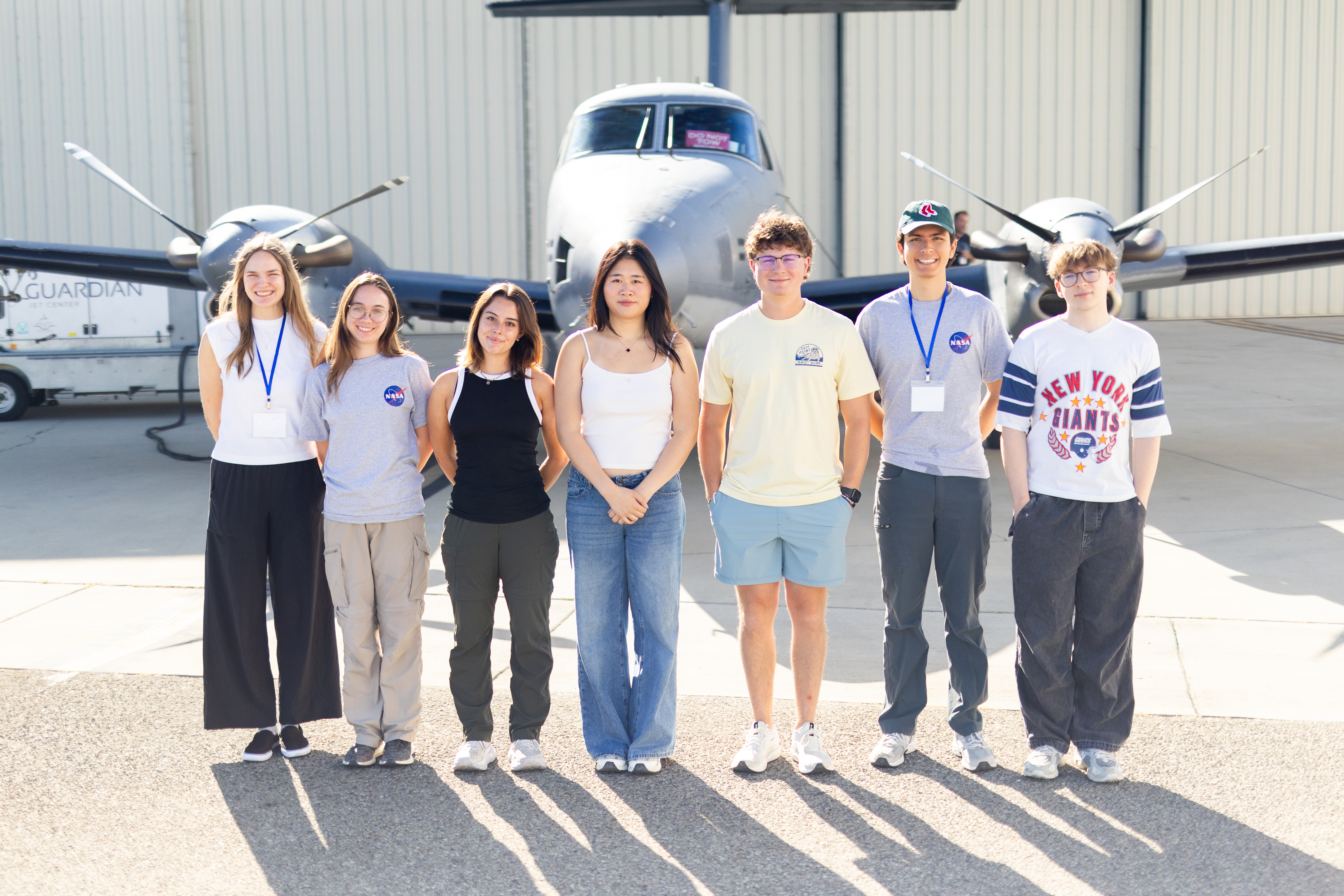
    A group of seven students stand on tan tarmac in front of a small gray plane.
    The 2025 SARP West Oceans Group poses in front of the Dynamic Aviation B-200 aircraft, parked on the tarmac at Guardian Jet Center in Southern California. During the internship, students spend a week engaged in Earth science data collection and learning from instruments specialists while flying onboard both the B-200 and NASA’s P-3 aircraft.
    NASA/Milan Loiacono

    Faculty Advisor:

    Henry Houskeper, Woods Hole Oceanographic Institute 

    Graduate Mentor:

    Camille Pawlak, University of California, Los Angeles 

    Oceans Group Introduction

    Faculty Advisor Henry Housekeeper

    Molly McKellar

    Spatiotemporal dynamics of canopy-forming kelp forests in the Russian province of Kamchatka 

    Maria (Molly) McKellar, University of Wisconsin, Madison 

    Interannual variability in canopy-forming kelps and the environmental conditions in which kelps thrive have not been studied extensively in the Kamchatka region of eastern Russia. Canopy forming kelps promote diverse and productive coastal ecosystems by boosting coastal resilience and supporting ecological communities. To better understand how kelp in the Kamchatka region contributes to these impacts, we must understand the spatiotemporal dynamics and drivers of kelp forests in the region. In this study, we evaluate spatiotemporal patterns in kelp canopy, including characterizing the climatology and assessing medium and long-term trends. We compare patterns in kelp forest dynamics with biological parameters, such as satellite-derived chlorophyll-a time series, as well as climatological indices, such as the Pacific Decadal Oscillation (PDO) and the Northern Pacific Gyre Oscillation (NPGO). New data from Kelpwatch, a global dataset utilizing Landsat satellite imagery, was used to map kelp canopy area from 1999 to present with quarterly resolution. This study is the first spatially resolved analysis of canopy-forming kelps in the Kamchatka region. Kelp area time series were assessed in three sub-regions corresponding to the eastern, western, and southern margins of Kamchatka. We found that the spatial extent of kelp across the entire region is maximal in the third quarter, which encompasses July 1 to September 30 and corresponds to the latter portion of the northern hemisphere growing season. We observed kelp forest patterns to vary spatially, with the southern subregion indicating a positive trend in climatologically adjusted canopy area. Pearson correlation indicated a strong relationship between phytoplankton and kelp dynamics in the southern subregion, perhaps suggesting the importance of nitrate as a regional driver of kelp forest variability. A weak correlation was found between the PDO and NPGO across the entire Kamchatka region and within the eastern and western subregions. While these results support a primary importance of nutrients to kelp population dynamics in the southern region, more work must be done to understand drivers of nutrients variability in Kamchatka. Further investigation of subregional dynamics is warranted given the climatological and mixing differences between the Sea of Okhotsk and the western Pacific Ocean, which each border Kamchatka. Sea surface temperature may also have an impact on kelp forests and should be considered. Understanding regional patterns and trends in Kamchatka would strengthen our understanding of spatiotemporal variability in kelp at global scales and the key associated drivers, including resolving key oceanic and atmospheric processes or modes. The findings supporting positive trends of kelp area in the southern portion of Kamchatka warrants further future research and investigation. 

    Grace Woerner

    Tropical Storm Effects on Ocean Dynamics Measured Through a Multi-Platform Observing Approach 

    Grace Woerner, North Carolina State University 

    Elevated low-latitude sea surface temperatures (SSTs) are associated with heightened intensity and frequency of tropical cyclone events. Tropical systems can modify surface marine ecosystems, often to the detriment of coastal communities and fisheries. Characterizing ocean properties before and after storm events can provide insight into storm-driven mixing and corresponding ecosystem responses. However, extreme conditions during tropical storms can impede ocean observing. For example, satellite remote sensing of SST and ocean color during tropical storms is challenged by cloud cover and surface disturbances such as white capping. This study pairs satellite remote sensing observations with in-situ oceanographic data to characterize oceanographic changes in phytoplankton concentrations and SST associated with a tropical cyclone in the western Pacific during March 2024 to April 2025. Chlorophyll-a is a pigment present in phytoplankton and is commonly used as a proxy for estimating phytoplankton abundance. In-situ chlorophyll-a and SST measurements collected by Argo floats were used to validate satellite ocean color observations from the NASA Plankton, Aerosols, Clouds, ocean Ecosystem (PACE) mission and SST from the Multi-scale Ultra-high Resolution (MUR) dataset before and after Typhoon ShanShan, the equivalent of a category four hurricane. The PACE observations indicate agreement with Argo float data, albeit with a slight positive bias and variability in post-storm conditions. MUR SST data also closely matched Argo measurements. It was found that the typhoon passage did not produce a detectable chlorophyll-a anomaly. This finding was further investigated by comparing changes in the mixed layer depth (MLD) and assessing whether the observed storm-induced mixing reached adequate depths to significantly increase surface nitrogen concentrations, prerequisite to inducing a phytoplankton bloom. The findings suggest that while the MLD deepened, deepening was inadequate at regional scales to bring nitrate and other nutrients to the surface. Although Typhoon Shanshan did not generate mixing deeper than the nutricline, more powerful storms or those occurring in waters with shallower nutriclines may more effectively introduce nutrients into surface waters. Limitations such as cloud coverage for satellite observing, plus the sampling frequency, coverage, and sensor availability of Argo float observations, highlight the importance of continued multi-platform observations for ocean environments to advance knowledge of tropical cyclone effects on surface ocean ecosystems. 

    Alex Lacayo

    Peruvian Coastal Water Temperature Anomalies Correspond to Variability in El Niño Position and Timing 

    Alex Lacayo, Columbia University 

    The El Niño–Southern Oscillation (ENSO) is a basin-scale oscillation pattern in the tropical Pacific that drives, via teleconnections, atmospheric and oceanic variability at larger scales. El Niño events are ENSO phenomena defined by anomalously warm sea surface temperatures (SSTs) in low-latitude Pacific domains, and the spatial and temporal expression of El Niño events can vary. Recent literature has established distinct differences between the spatial expression of SST anomalies associated with El Niño events. Elevated SST in the Central (often called “Modoki”) and Eastern equatorial Pacific, for example, have been described as so-called El Niño “flavors” and are associated with different responses across global environments. 

    This study investigates the relationship between El Niño variability and coastal upwelling within Peru’s Exclusive Economic Zone (EEZ), using satellite-derived SST as a proxy. Coastal upwelling is a vital driver of strongly elevated biological productivity in the Peru EEZ, sustaining one of the globe’s most productive fisheries and the largest anchovy stock worldwide. This analysis evaluates SST anomalies in the Peruvian EEZ as a function of the spatiotemporal dynamics of SST in the tropical Pacific during the onset and evolution of El Niño events spanning the past three decades. The analysis is conducted for two domains in the Peruvian EEZ. The first corresponds to primarily north-south coastline north of Pisco, and the second to the northwest-southeast coastline south of Pisco. Preliminary findings are consistent with Modoki events corresponding to less pronounced warming in Peru during El Niño peaks, along with a lag in post-event upwelling rebound response, compared to Eastern Pacific events. The findings indicate that seasonal timing of El Niño events modify the strength of temperature anomalies in coastal Peru. The subregional comparison suggests that the northern Peruvian EEZ is more impacted by El Niño timing and position variability, likely consistent with its lower latitude and exposure to Kelvin wave propagation. These findings support improved knowledge of how different El Niño expressions influence Peruvian coastal ecosystems, which is critical for assessing ecosystem resilience and informing the management of coastal fisheries. 

    Melanie Lin

    Utility of SAR in detection of canopy-forming kelp in South Africa 

    Melanie Lin, Boston University 

    Kelp forests are valuable to coastal cities and towns because they support marine ecosystems, benefit economies, and dampen the effects of waves and erosion. This study aims to understand the extent to which synthetic aperture radar (SAR) can be used to accurately map the distribution of the South African canopy-forming kelp, Ecklonia maxima, or sea bamboo. SAR data was obtained from Sentinel-1, which has a five-day revisit time. SAR observations use radio waves, which penetrate clouds, thereby supporting observations of kelp forest habitat in any cloud condition. Despite the potential to use SAR to increase data availability on cloudy days, there are fewer SAR products for kelp canopy—especially sea bamboo—relative to passive optical remote sensing, which is obstructed by clouds. SAR observations were validated by comparing with manually classified optical imagery obtained using Airborne Visible Infrared Imagining Spectrometer – Next Generation (AVIRIS-NG), which was flown on NASA’s Gulfstream III in 2023 as part of The Biodiversity Survey of the Cape (BioSCape). BioSCape was an integrated field and airborne campaign collaboration between the United States and South Africa to study the biodiversity of the Great Cape Floristic Region (GCFR). More commonly used passive optical remote sensing datasets were also assessed using imagery from Landsat that had been classified using a random forest. This research shows that SAR observations yield distinct values between kelp and ocean, indicating potential to use SAR data to map kelp canopy extent in calm oceanic conditions. SAR observations in the VH (vertically transmitted, horizontally received) polarization indicates a larger distinction between kelp and calm ocean water than data in the VV (vertically transmitted, vertically received) polarization. The sensitivity and responsivity of SAR kelp forest retrievals was dependent on the tidal state during the data acquisition. In VH polarized data, a lower tidal state supports more accurate classifications between kelp and calm ocean water than a high tidal state. Waves, which may contain kelp beneath them, obscure kelp backscatter response in SAR data. This study improves understanding of the utility of SAR for mapping sea bamboo extent, which in turn supports future opportunities to develop better understanding of marine biodiversity and coastal resilience in the GCFR where sea bamboo is the dominant canopy-forming taxa. 

    John Lund

    Kinetic energy of multiscale oceanic features derived from SWOT altimetry 

    John Lund, Adelphi University 

    Oceanic eddies are circular movements of water that separate the main flow and facilitate oceanic energy transfer across multiple scales, thereby underlying biophysical interactions and modifying climate and ocean dynamics. Oceanic eddies correspond to dynamics spanning geostrophic to ageostrophic processes, spatial scales spanning 0.1 to 100 km, and temporal scales spanning hours to months. Eddies spanning horizontal spatial scales of 0.1 to 10 km and temporal scales of hours to days, termed submesoscale eddies, are difficult to resolve from legacy satellites due to the finer spatial resolution requirements for observing smaller scale features. Conversely, eddies spanning larger horizontal spatial scales and longer temporal scales, termed mesoscale eddies, are more readily resolved using legacy satellite altimeters. This research utilizes observations from the recently launched Surface Water and Ocean Topography’s (SWOT) Ka-band Radar Interferometer (KaRIn) to resolve submesoscale eddies and quantify associated kinetic energy. We contextualize our SSHA observations using the Data Unification and Altimeter Combination System (DUACS)—a project that merges satellite data to observe coarser mesoscale fields on a global scale—to visualize ocean dynamics around SWOT swaths more clearly. Comparing the kinetic energy associated with SWOT-detected features to that estimated from DUACS data supports improved understanding of the relative importance of the submesoscale in global energy transfer. Results from this investigation demonstrate that SWOT supports characterizations of features at the upper bound of the submesoscale to analyze ocean dynamics and energy cascades at specific moments and locations. Resolving the temporal dynamics of submesoscale features remains challenging due to SWOT’s 21-day revisit cycle, which also limits submesoscale characterizations to isolated swaths, but novel SWOT observations nonetheless support snapshot opportunities to constrain the role of submesoscale processes in global energy transfer. Future directions with SWOT include coupling data with high-resolution numerical models or additional satellite missions such as PACE to map a wider region and investigate key controls on biophysical interactions associated with submesoscale processes. 

    Logan Jewell

    Machine Learning Classification of Remote Sensing Imagery for Investigating Changes in Natural Oil Seepage 

    Logan Jewell, State University of New York, Brockport 

    Spatiotemporal variability in oil content of the Santa Barbara Channel (SBC) corresponds to natural hydrocarbon seepage and past anthropogenic spills. The marine geology of the SBC is characterized by a relatively shallow and abundant hydrocarbon reserve beneath faulted anticlines that run parallel to the shore. Natural seepage occurs when pressure in the reserve exceeds hydrostatic, and gaseous bubbles coated in liquid petroleum seep through the sea floor and enter the marine environment. Because gaseous hydrocarbons and oil are both buoyant in seawater, the seepage manifests as oil slicks at the surface of the ocean. Oil has historically been extracted from the reserve by human drilling, potentially alleviating pressure in the reserve, at sites such as Platform Holly, which operated in the SBC from 1966 until production ceased in 2015. Platform Holly is located roughly 3.2 kilometers from the shore and is the only offshore oil platform in California State waters. Since decommissioning, the only mechanism releasing oil in this region of the hydrocarbon reserves is natural seepage. In this study, machine learning via a random forest model is utilized to identify and classify oil slick regions in Sentinel-2 optical images encompassing the decommissioned oil platform Holly and other nearshore waters near Santa Barbara, CA. The random forest model was developed to predict 3 classes, or targets: clear, turbid, and oil-contaminated waters. Sentinel-2 supports a 5-day revisit time, which mitigates cloud obstruction in the region, and 10-meter spatial resolution appropriate for distinguishing small-scale surface features such as slicks. 6 images were manually classified for training, and classification using the random forest supported an additional 27 classified images. A time analysis was conducted using the combined 33 images, which spanned 2019 to present to assess variability in hydrocarbon seepage starting 4 years after decommissioning to present. Preliminary results do not indicate a trend in the area of the natural oil slick from 2019 to 2025. We conducted sensitivity testing by assessing covariance between oil slick area with wind and tidal measurements and found no significant correlation to winds or tides. More frequent imagery spanning a wider temporal range could help to better determine whether oil slick area is changing or stable through time. 

    Details

    Last Updated

    Nov 19, 2025

  • SARP West 2025 Whole Air Sampling Group

    8 min read

    Preparations for Next Moonwalk Simulations Underway (and Underwater)

    A group of eight people wearing badges on lanyards stand on tan tarmac in front of a small gray plane.
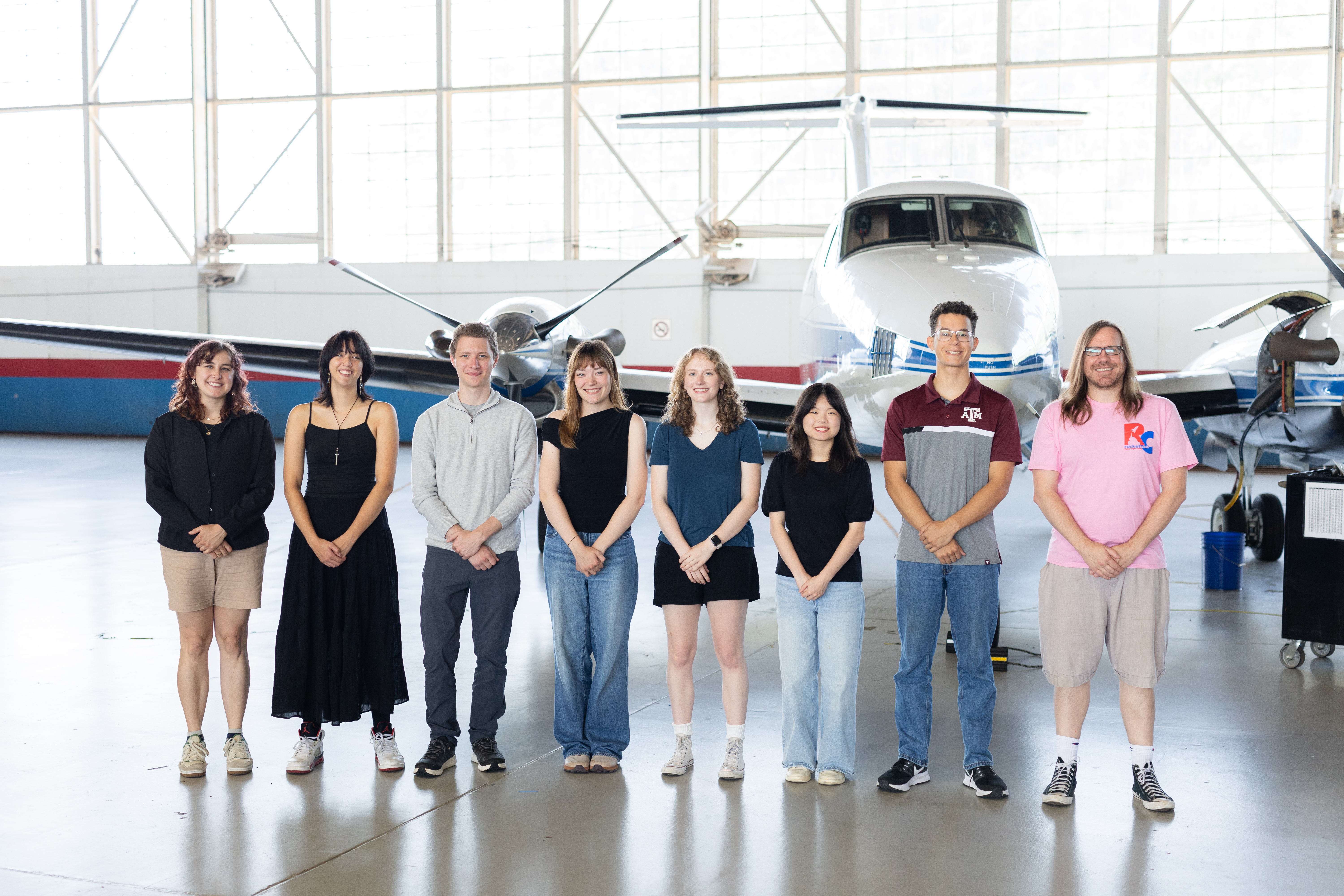
    The 2025 SARP West Whole Air Sampling (WAS) Group poses in front of the Dynamic Aviation B-200 aircraft, parked on the tarmac at Guardian Jet Center in Southern California. During the internship, students spend a week engaged in Earth science data collection and learning from instruments specialists while flying onboard both the B-200 and NASA’s P-3 aircraft.
    NASA/Milan Loiacono

    Faculty Advisor:

    Donald Blake, University of California, Irvine

    Graduate Mentor:

    Oluwaseun Moses Akinola, University of Connecticut

    Whole Air Sampling Group Introduction

    Faculty Advisor Donald Blake

    Sarah Kinlaw

    Impact of Dairies on Ozone Production in Ontario, CA 

    Sarah Kinlaw, College of William & Mary 

    In the center of Ontario, California’s urban sprawl sits 5 square miles of livestock farming, including many dairies. Emissions from silage from dairy farms result in significant amounts of ethanol and methanol entering the atmosphere. These volatile organic compounds (VOCs) can participate in the formation of tropospheric ozone through oxidation and photolytic processes. Ozone is known to have negative impacts on humans, agriculture, and the climate. Of concern is that the dairy regions and regions downwind will likely have enhanced levels of ozone. In this study, 19 samples were collected from dairy farms and downwind sites over two days. The extent of enhancement in reactive species was determined by comparing concentrations of speciated VOCs, collected from air samples from the downwind sampling sites, with estimated upwind background concentrations. The “ozone production potential” (OFP) was estimated by multiplying the mixing ratios of VOCs of interest by their respective hydroxyl rate constants, and it was found that methanol and ethanol were the major VOC contributors to OFP. HYSPLIT trajectory modeling was used to determine the dispersion patterns of air masses originating from the dairy farm area and identify potentially impacted downwind communities. This analysis emphasizes the need for more robust air quality and agricultural management with a focus on directing policies to improve air quality at a local and regional scales. 

    Ryan Glenn

    Examining the Chemical Composition and Evolution of Palisades Fire Gas Emissions 

    Ryan Glenn, Dartmouth College 

    Wildland-urban-interface (WUI) fires in the US are increasing in frequency and intensity with disproportionately large impacts on air quality and human health. The 2025 Palisades Fire alone destroyed nearly 7,000 structures and displaced more than 30,000 people. Despite their significance, they remain understudied compared to wildland fires, especially in regard to emission composition, evolution, and ozone formation potential. Here we analyze trace gases and volatile organic compounds (VOCs) collected via air canisters during the Palisades Fire and use the Framework for 0-D Atmospheric Modeling (FOAM) box model to simulate their evolution. Gas chromatography-mass spectrometry reveals high daytime VOC concentrations despite the increase of the boundary layer. C1-C4 oxygenates exhibited by far the highest reactivity and concentrations, accompanied by alkanes, alkenes, aromatics, biogenic, and chlorinated compounds indicative of the combustion of anthropogenic materials. Using the sampling data to constrain the FOAM box model, we characterize the regime as primarily VOC-limited and identify acetaldehyde and methanol as key ozone precursors and nitric acid as the primary nitrogen oxide (NOx) sink. These findings suggest that targeted reductions in oxygenates will be most effective in mitigating ozone formation from WUI fire emissions. This study has significant implications for wildfire air quality management and highlights the need for further research comparing WUI and wildland fire emission chemistry. 

    Riley Gallen

    Temporal and Spatial Analysis of Nitrogen Dioxide (NO₂) in Long Beach: Assessing Its Role in Ozone Formation and Impact on Nearby Communities/Coastal Ecosystems 

    Riley Gallen, University of Florida 

    Nitrogen dioxide (NO₂), a key precursor to ozone formation, is emitted from various combustion sources including vehicles, cargo ships, and power plants. In Long Beach, California, these sources are concentrated around highways and the busy port, thus raising concerns about localized air pollution and its broader environmental impact. This project investigates NO₂ concentrations over Long Beach using NASA’s B200 and DC-8 aircraft flight data from 2019, 2021, and 2025. Data were analyzed through latitude–longitude mapping and altitude comparisons to assess temporal trends and spatial distribution of NO₂. The 2021 dataset, collected during pandemic-related port congestion, showed elevated NO₂ levels, though seasonal differences required comparison between 2019 and 2025 for consistency. Overall, NO₂ concentrations increased in 2025 relative to 2019. HYSPLIT wind trajectory modeling often carried pollutants inland, particularly toward the communities of Wilmington and West Long Beach, which already experience elevated respiratory health risks due to pollution exposure. Although the scope of this study was not to determine the exact NO₂ sources in Long Beach, the prevailing wind patterns as indicated from the HYSPLIT model suggests the port as a likely source. While inland transport dominated during the selected flight days, wind patterns are unpredictable. This variability suggests that NO2 and its photochemical transformation into ozone could occur over adjacent marine ecosystems such as Bolsa Bay State Marine Conservation Area and Albone Cove State Marine Conservation Area. Collectively, this study highlights the potential impacts of NO₂ exposure on local communities and nearby coastal ecosystems and emphasizes the need for continued monitoring and apportionment of sources of NO2 in urban coastal regions. 

    Owen Rader

    Quantifying the Impact of Meteorological Variables on Wildland Fire Spread 

    Owen Rader, University of Delaware 

    Past studies have revealed that wildfire is becoming more extreme due to increasing hydroclimate variability. Using Los Angeles County’s Eaton Fire, a primarily wind-driven fire, as a case study, I simulate the fire under isolated meteorological variables with a focus on quantifying the impacts of wind speed simulations on the fire’s spread. A comprehensive analysis of the Eaton Fire’s spread can indicate how Wildland Urban Interface (WUI), a growing transition zone particularly in Southern California, is vulnerable to enhanced fire activity under different meteorological conditions. This study aims to demonstrate how fuel metrics behave under different wind conditions, thus providing valuable insight into the potential rates of spread and response times to wildfire-encroached WUI areas. To achieve this, LANDFIRE surface/canopy fuel products and topographical products are used as pre-model run fire parametrizations using FLAMMAP’s built-in Landscape file generator, using variable wind speeds while holding other values constant, to output fuel-load metrics. Following this, I utilized ARSITE, a built-in application to FLAMMAP, to simulate several scenarios over time, using real-time ERA5 Reanalysis meteorological data from the wildfire event period, and quantified the impacts of variable wind speeds. These model runs can provide valuable insights into how fires behave under varying meteorological conditions, which can be further quantified through future research to better understand how a shift towards hydroclimate extremes impacts WUI fires. 

    Stephen Shaner

    Analysis of Bromoform Concentrations and Impact in California 

    Stephen Shaner, University of Maryland, Baltimore County 

    Bromoform is a haloalkane which is commonly found over the ocean, with major sources being marine organisms such as phytoplankton and macroalgae. This compound has been measured around California during the NASA Student Airborne Research Program flights campaigns since 2010. Within this sampled period, 2014 showed significantly higher bromoform concentrations than any other measured year. In this study, the concentrations of bromoform from 2010–2022 were analyzed and consistently higher than average concentrations were evident over the Los Angeles, Long Beach, and Inland Empire area. The effect on ozone concentrations in the atmosphere caused by the higher concentrations was measured using the Framework for 0D atmospheric modeling (F0AM). It was found that at its peak of 28 ppt, bromoform decreases ozone concentration by 0.14% at the altitude where the sample was taken. However, the potential impact in the stratosphere of Br radicals which come from Bromoform is expected to be higher due to its reaction rates with various molecules commonly found in the stratosphere. 

    Maggie Rasic

    Shifting Seas and Changing Chemistry: Gaseous Emissions in Upper Newport Bay 

    Maggie Rasic, University of California, Los Angeles 

    Coastal wetlands are ecologically rich environments that provide critical regulatory services, including carbon storage and nutrient cycling. However, these ecosystems are vulnerable to the impacts of sea level rise, which may alter biogeochemical cycles and enhance the production of trace gases. This study analyzed whole air samples collected across six sites spanning from San Diego Creek to Upper Newport Bay to investigate the spatial and temporal patterns of volatile organic compound (VOC) emissions at the study areas, with a focus on halomethanes and methane. Results showed increasing concentrations of halomethanes (specifically CHBr₃, CH₃Br, and CH₃Cl) as sample sites increase in proximity to the mouth of Newport Bay. Further research could indicate possible relationships between salinity, microbial activity, and halogenated compound production. Additionally, at the site closest to the ocean, a notably elevated concentration of methane was observed, a common byproduct of anaerobic microbial decomposition in wetlands. These findings suggest that sea level rise could intensify the production of both halomethanes and methane in coastal wetlands. Given their roles as potent greenhouse gases and, in the case of halomethanes, as stratospheric ozone-depleting substances, this emphasizes the importance of monitoring trace gas fluxes in dynamic coastal environments. 

    Details

    Last Updated

    Nov 19, 2025

  • NASA, SpaceX Launch US-European Satellite to Monitor Earth’s Oceans

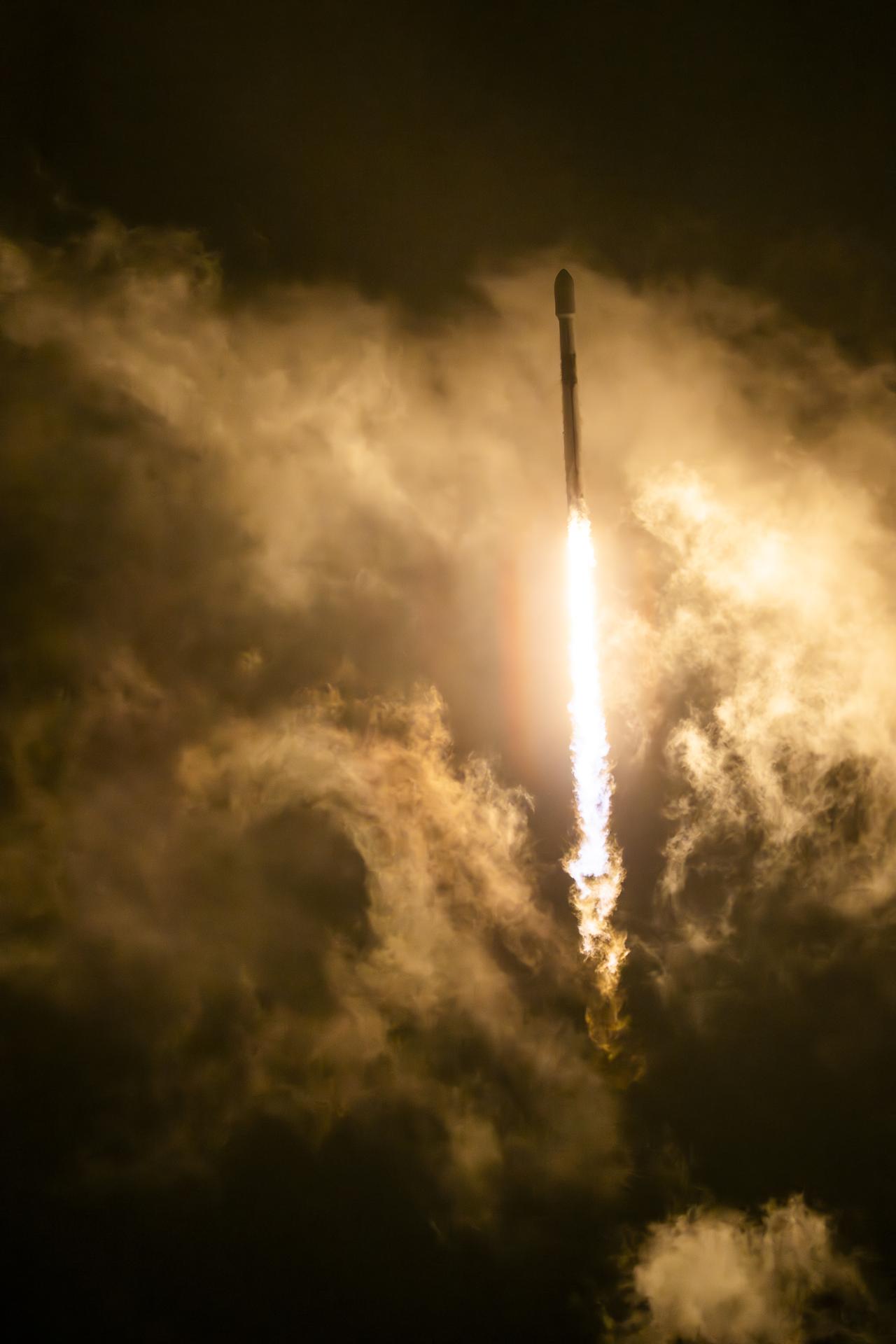
    The Sentinel-6B satellite lifted off aboard a SpaceX Falcon 9 rocket from Launch Complex 4 East at Vandenberg Space Force Base in central California at 9:21 p.m. PST on Nov. 16.
    Credit: NASA/Carla Thomas

    About the size of a full-size pickup truck, a newly launched satellite by NASA and its partners will provide ocean and atmospheric information to improve hurricane forecasts, help protect infrastructure, and benefit commercial activities, such as shipping.

    The Sentinel-6B satellite lifted off aboard a SpaceX Falcon 9 rocket from Launch Complex 4 East at Vandenberg Space Force Base in central California at 9:21 p.m. PST on Nov. 16. Contact between the satellite and a ground station in northern Canada occurred about 1 hour and 30 minutes later at 10:54 p.m. All systems are functioning normally.

    “Understanding tidal patterns down to the inch is critical in protecting how we use our oceans every day on Earth,” said Nicky Fox, associate administrator, Science Mission Directorate at NASA Headquarters in Washington. “Sentinel-6B will build upon the legacy of Sentinel-6 Michael Freilich by making sea level measurements that improve forecasts used by communities, businesses, and operations across the country. It also will support a safer reentry for our astronauts returning home, including crew from Artemis Moon missions.”

    Sea levels vary from place to place, and the satellite will provide accurate measurements at both local and global scales — all from hundreds of miles above in low Earth orbit. Those observations form the basis for U.S. flood predictions, which are crucial for safeguarding coastal infrastructure, real estate, energy storage sites, and other coastal assets. Sentinel-6B will take over for Sentinel-6 Michael Freilich, which launched in 2020 and later became the official reference satellite for global sea level measurements, providing sea surface height measurements against which those from other satellites are compared for accuracy.

    The satellite comes from a collaboration between multiple partners, including NASA, ESA (European Space Agency), EUMETSAT (European Organisation for the Exploitation of Meteorological Satellites), and the National Oceanic and Atmospheric Administration (NOAA). It also is part of the European Union’s family of Copernicus missions.

    “Collaboration between partners is key to a mission such as Sentinel-6, and my thanks go to everyone involved in developing, launching, and operating this exceptional satellite, which follows in the footsteps of the first Sentinel-6, Michael Freilich,” said Simonetta Cheli, director, ESA’s Earth Observation Programmes. “This achievement demonstrates what can be accomplished when international agencies and industries work together toward a shared goal. Sentinel-6B will ensure we continue to collect the high-precision data needed to understand our changing climate, safeguard our oceans and support decisions that protect coastal communities around the world.”

    The two satellites make up the Copernicus Sentinel-6/Jason-CS (Continuity of Service) mission, the latest in a series of ocean-observing radar altimetry missions that have monitored Earth’s changing seas since the early 1990s.

    As with its predecessor, Sentinel-6B satellite also will provide key information about wind speeds, wave heights, atmospheric temperature, and humidity. Moreover, because water expands as its temperature increases, researchers can tell which parts of the ocean are warmer than others based on where the sea surface height is greater.

    Combined with data from other instruments, that knowledge can help in forecasting marine weather, including the development of hurricanes, which intensify with warmer water. Also, because large currents are taller than surrounding waters due to their higher temperatures, sea surface measurements can shed light on interactions between the Gulf Stream, for example, and nearby waves. Where they meet, seas can become rougher, presenting a hazard to even the largest ships.

    “Sentinel-6B is a testament to the value of NASA’s partnership missions to put actionable satellite information and science into the hands of decision-makers on the ground,” said Karen St. Germain, director, NASA Earth Science Division at the agency’s headquarters. “Sentinel-6B will collect ocean surface observations that will inform decisions critical to coastal communities, commercial shipping and fishing, national defense, and emergency preparedness and response. This is what NASA does — puts advanced technology and science into action for the benefit of the nation.”   

    When Sentinel-6B reaches its operating elevation, the satellite will fly about 30 seconds behind Sentinel-6 Michael Freilich, which carries identical science instruments. Once the mission finishes cross-calibrating the data collected by the two, Sentinel-6 Michael Freilich will move into a different orbit, and Sentinel-6B will take over the role of official reference satellite, orbiting Earth about 13 times a day at 830 miles (1,336 kilometers) above the surface.

    “Sentinel-6B demonstrates the versatile Earth science applications made possible by expertly engineered, space-based technology. The satellite’s powerful suite of instruments will measure about 90% of Earth’s oceans down to fractions of an inch — continuing to add to a vital dataset that America and a growing global community depend on,” said Dave Gallagher, director, NASA’s Jet Propulsion Laboratory (JPL) in Southern California.

    More about Sentinel-6B

    Copernicus Sentinel-6/Jason-CS is a collaboration between ESA, the European Union, EUMETSAT, NASA, and NOAA. French space agency CNES (Centre National d’Études Spatiales) contributed technical support. Copernicus, which includes the Sentinel missions, is the European Union’s Earth observation program led by the European Commission. 

    A division of Caltech in Pasadena, JPL contributed three science instruments for each Sentinel-6 satellite: the Advanced Microwave Radiometer, the Global Navigation Satellite System – Radio Occultation, and the laser retroreflector array. NASA also is contributing launch services, ground systems supporting operation of the NASA science instruments, the science data processors for two of these instruments, and support for the U.S. members of the international Ocean Surface Topography Science Team, and Sentinel-6 science teams.

    To learn more about Sentinel-6B, visit:

    https://science.nasa.gov/mission/sentinel-6B/

    -end-

    Elizabeth Vlock
    Headquarters, Washington
    202-358-1600
    elizabeth.a.vlock@nasa.gov

    Andrew Wang / Andrew Good
    Jet Propulsion Laboratory, Pasadena, Calif.
    626-379-6874 / 626-840-4291
    andrew.wang@jpl.nasa.gov / andrew.c.good@jpl.nasa.gov

    Details

    Last Updated

    Nov 17, 2025

    Editor
    Jessica Taveau

  • Curiosity Blog, Sols 4695-4701: Searching for Answers at Monte Grande

    3 min read

    Curiosity Blog, Sols 4695-4701: Searching for Answers at Monte Grande

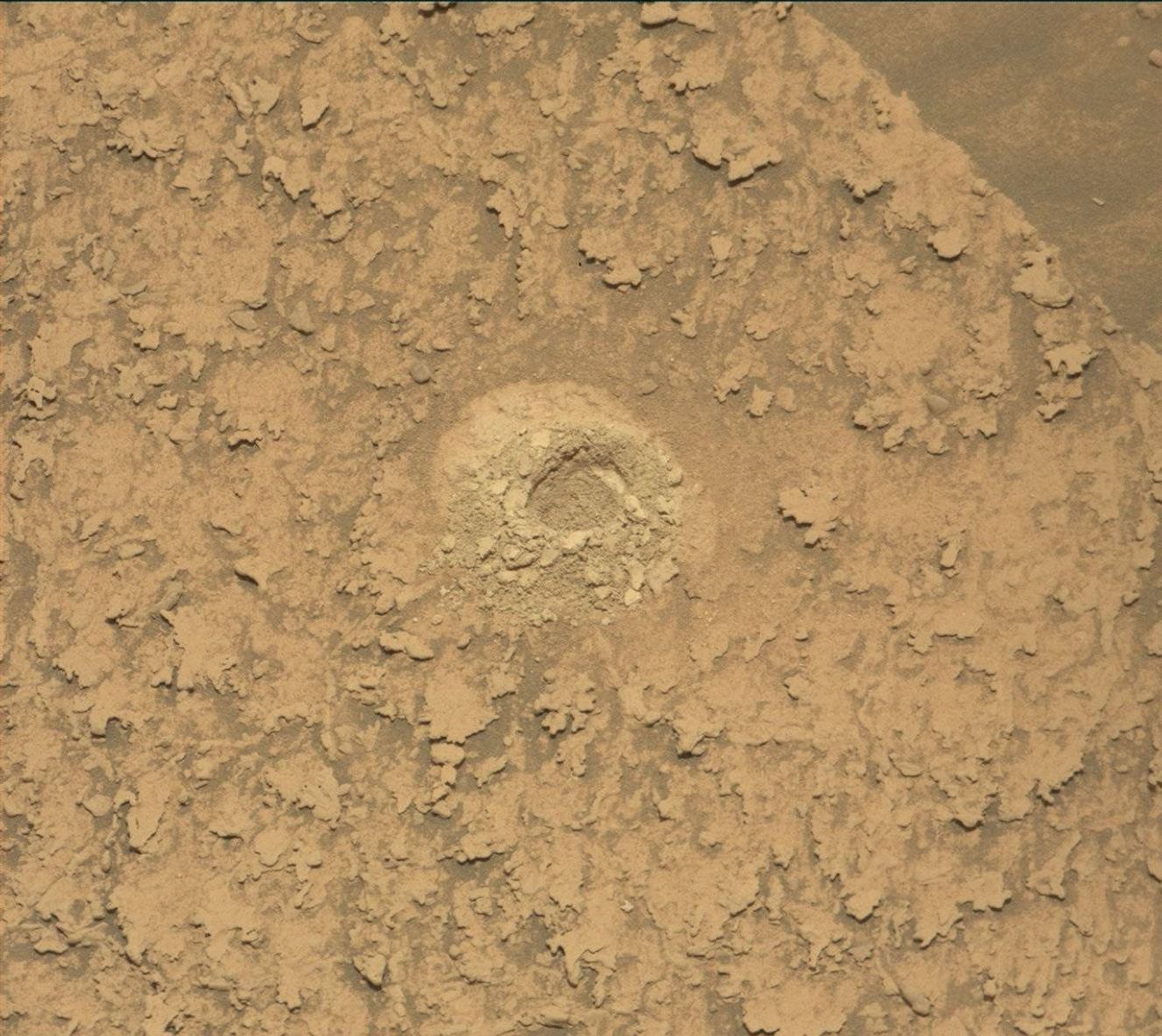
    A color close-up photo of the Martian surface shows dry, flaky, tan-orange ground. At the image center is a hole cored into the ground, surrounded by material dug out from the hole, which looks like a mixture of soil and sharp flakes or shards of rock, and is slightly lighter-toned than the surrounding ground.
    NASA’s Mars rover Curiosity acquired this image of the “Valle de la Luna” drill hole using its Mast Camera (Mastcam) on Oct. 19, 2025 — Sol 4693, or Martian day 4,693 of the Mars Science Laboratory mission — at 02:04:29 UTC.
    NASA/JPL-Caltech/MSSS

    Written by William Farrand, Senior Research Scientist, Space Science Institute

    Earth planning date: Friday, Oct. 24, 2025

    Curiosity has successfully drilled its 44th hole on Mars, which is a major milestone in our investigation of the enigmatic “boxwork unit,” a region of resistant ridges surrounding pits or “hollows” of less-resistant rock. The drilling took place over the past weekend within the “Monte Grande” hollow at the “Valle de la Luna” target. 

    Rover planning this week consisted of ensuring that the granular drill tailings from Valle de la Luna were transferred to the SAM (Sample Analysis at Mars) and CheMin (X-ray diffraction) instruments, and analyzing the results. Results from these instruments, which will provide mineralogical and other compositional information, will be especially critical for determining how the boxwork features formed, since chemistry from the APXS and ChemCam instruments and reflectance spectra from ChemCam have revealed subtle, but not striking, differences between the rocks making up the ridges and those making up the hollows. Thus, a compositional explanation for the differences between the two terrain types has yet to be determined.

    While these internal studies of the Valle de la Luna samples were going on, remote sensing data were collected by Mastcam of a series of targets, as well as atmospheric remote sensing. Among the Mastcam studies being conducted is a photometry study, a kind of study usually only carried out during an extended stationary period, such as the current drill campaign. Photometry is the study of changes in the apparent reflected brightness of rocks and soils based on the illumination geometry (for example, whether the Sun is low on the horizon or high in the sky). During this photometry campaign, multiple images are collected of the same target regions at different times of day.

    In the final plan of the week, as part of the ongoing assessment of the Valle de la Luna sample, material will undergo an evolved gas analysis (EGA) in which the drilled sample is baked in an oven in SAM and volatile molecules including H2O, CO2, and SO2 are released and used to further aid in the characterization of the target materials. Mastcam observations will include further images collected as part of the photometry campaign. Also mosaics of the west wall of the Monte Grande hollow will be collected as well as several atmospheric measurements.

    Next week the rover will continue analyzing the drilled sample with more SAM experiments, and also analyze the tailings. The team is also starting to search for a suitable drilling location on a ridge as the next drilling site, in order to compare with the results from the Monte Grande hollow.

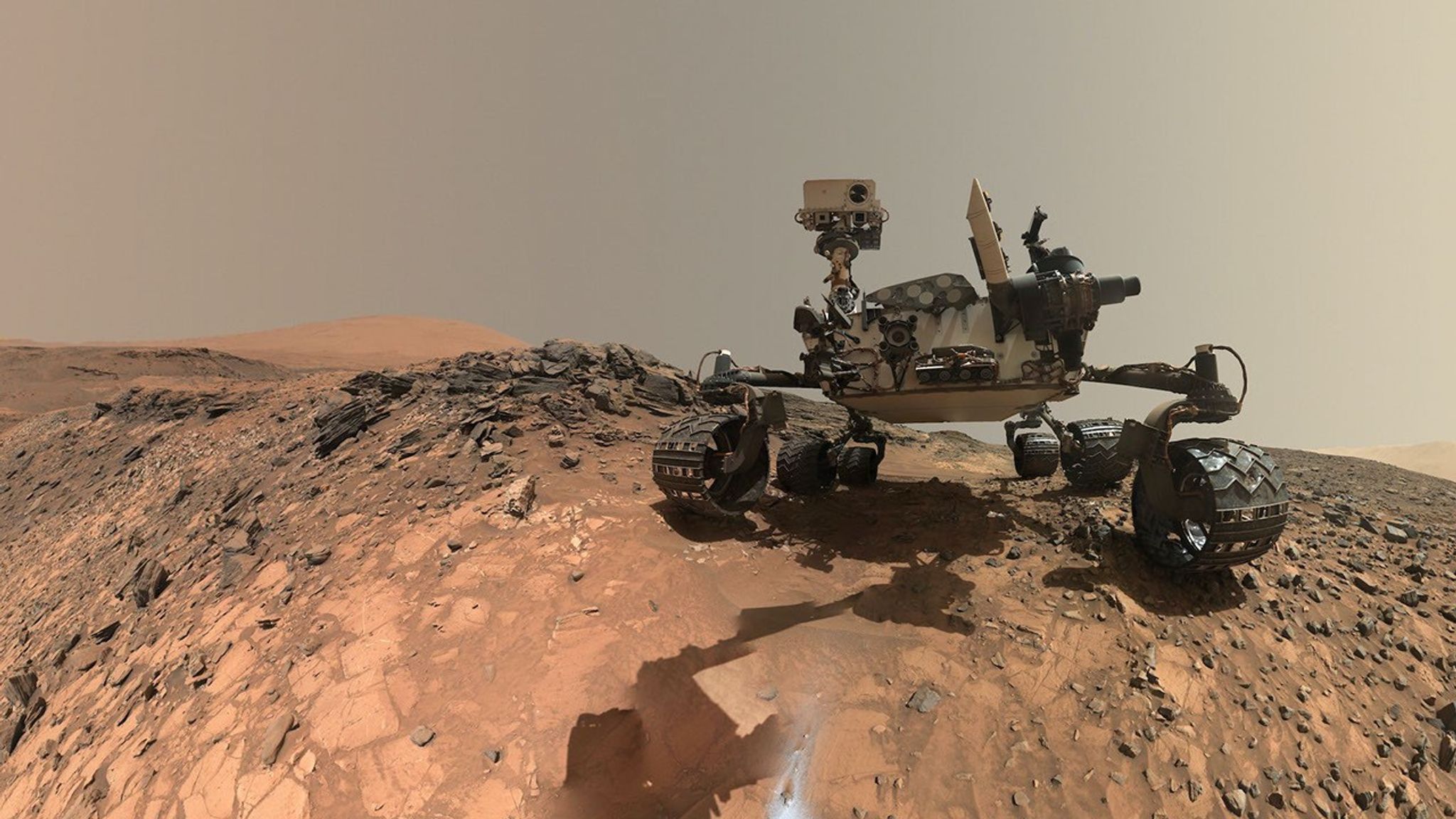
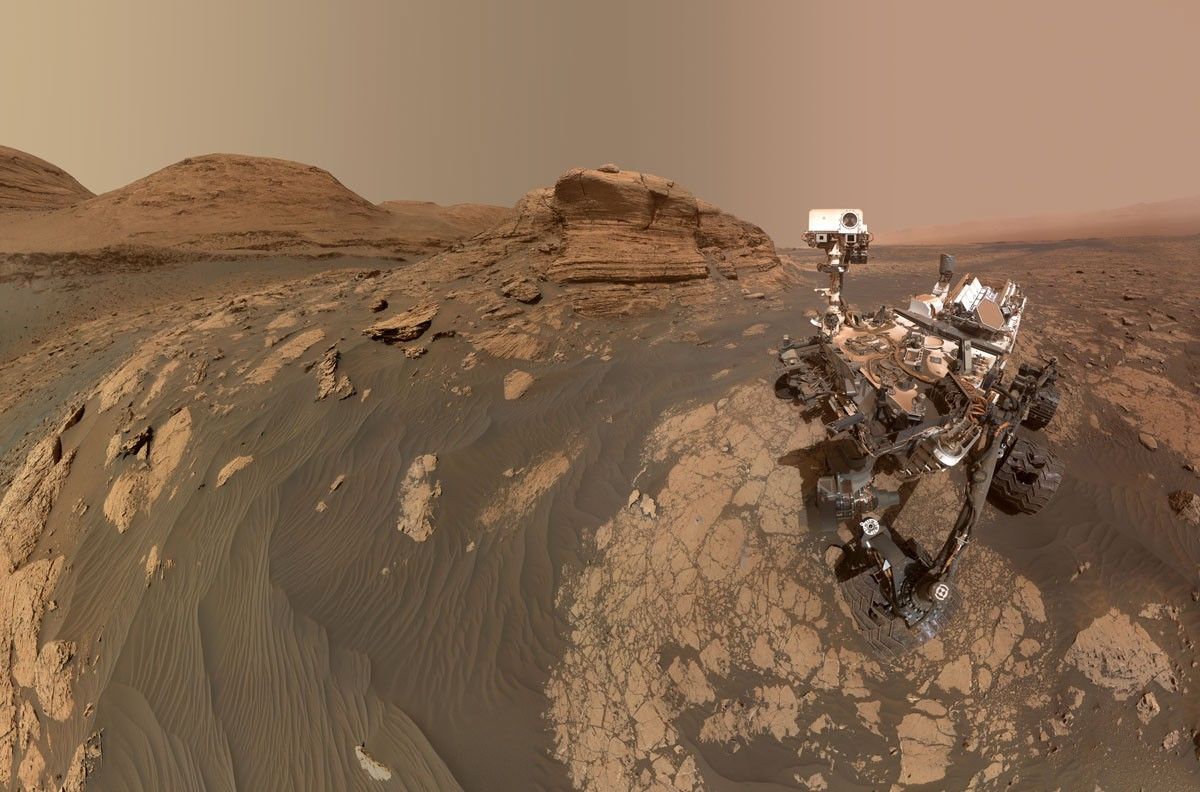
    A rover sits on the hilly, orange Martian surface beneath a flat grey sky, surrounded by chunks of rock.
    NASA’s Mars rover Curiosity at the base of Mount Sharp
    NASA/JPL-Caltech/MSSS

    Details

    Last Updated

    Nov 13, 2025

    Related Terms

  • Curiosity Blog, Sols 4689-4694: Drill in the Boxwork Unit is GO!

    3 min read

    Curiosity Blog, Sols 4689-4694: Drill in the Boxwork Unit is GO!

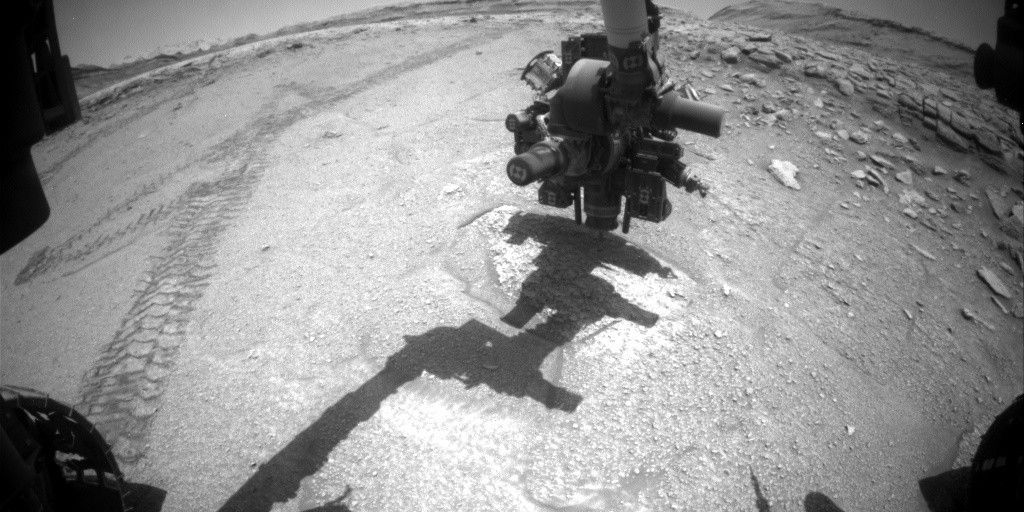
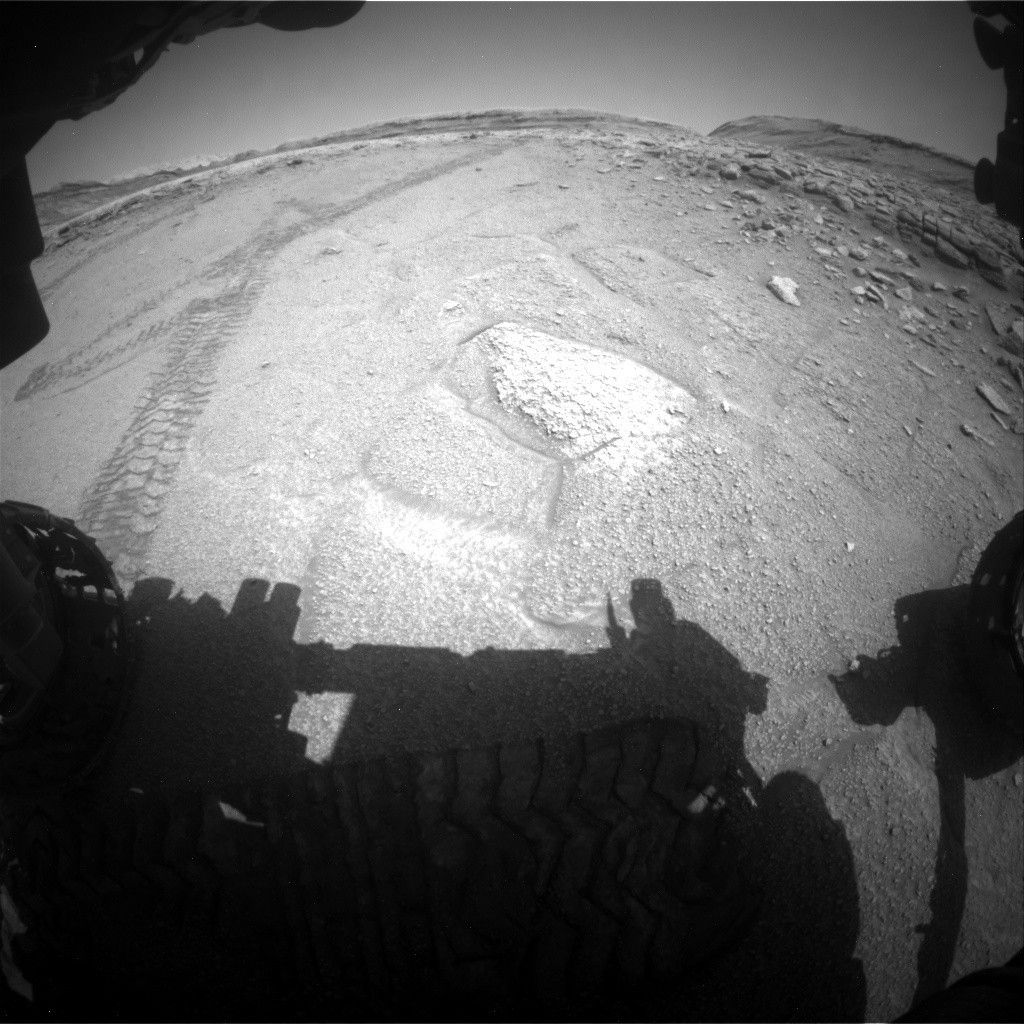
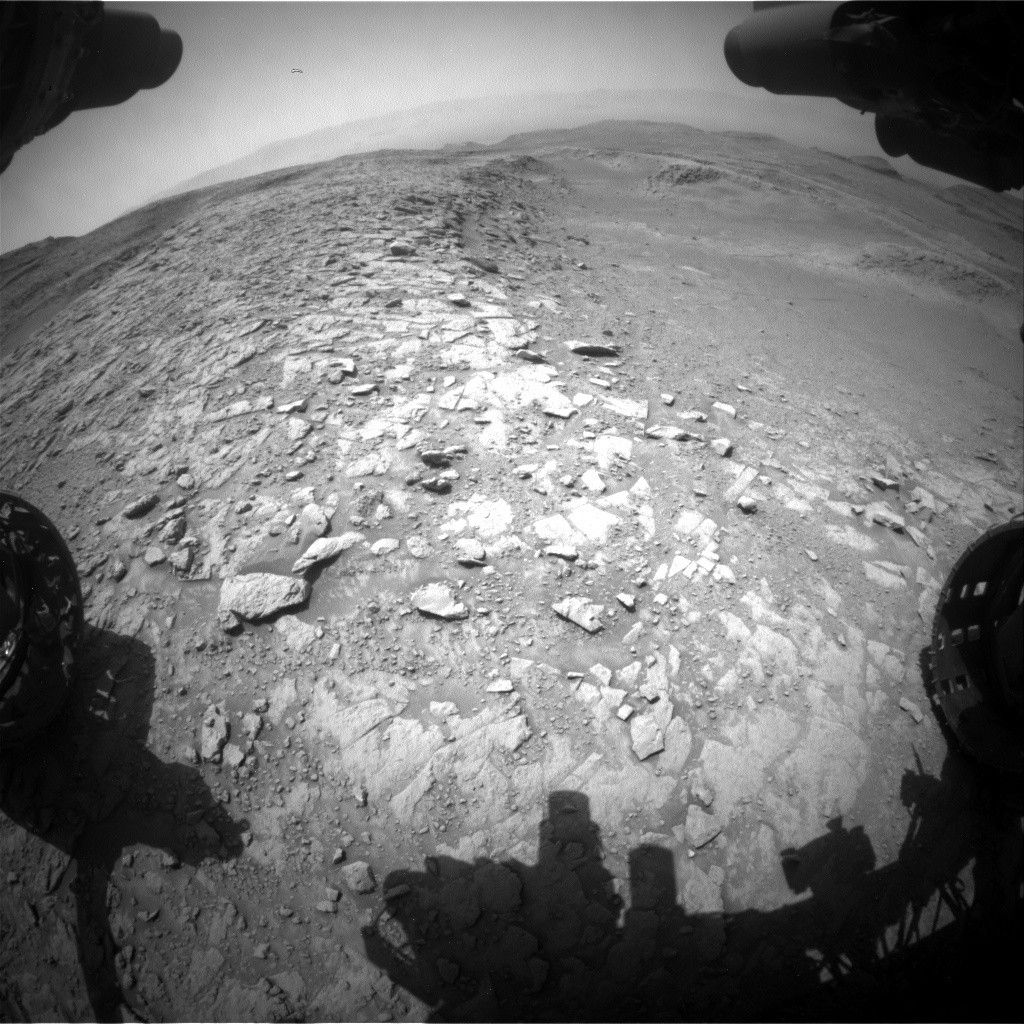
    A wide-angle, grayscale photo from the Mars surface shows mostly flat, medium gray, slightly rough terrain ahead of the rover, with a lighter-toned indentation in the round directly in front of it. In the distance at the upper right of the image, the ground becomes much more uneven and rocky, with a mesa rising from the ground on the horizon beyond that. Parts of the rover are visible, but dark and shadowed, around the sides and bottom of the image, including two of its wheels at the bottom of the frame.
    NASA’s Mars rover Curiosity acquired this image showing the “Valle de la Luna” block in the “Monte Grande” hollow, a location it targeted for drilling the weekend of Oct. 18-19, 2025. Curiosity captured the image with its Front Hazard Avoidance Camera (Front Hazcam) on Oct. 12, 2025 — Sol 4687, or Martian day 4,687 of the Mars Science Laboratory mission — at 23:11:12 UTC.
    NASA/JPL-Caltech

    Written by Catherine O’Connell-Cooper, APXS Payload Uplink/Downlink Lead, University of New Brunswick

    Earth planning date: Friday, Oct. 17, 2025

    Curiosity has been investigating the “boxwork unit” for several months now. Readers might remember we drilled at the edge of the boxwork at “Altadena,” back in June. Since then, we have driven just under a kilometer across the boxwork unit (about 0.6 miles) and now we are ready to acquire the next drill target, in an area where the structure is really well preserved.

    The boxwork structures are a series of ridges and hollows, so our plan is to drill within one of the hollows and then on one of the adjacent ridges. On Monday, we did our drill triage on “Valle de la Luna” within the hollow “Monte Grande” – a multi-instrument endeavor. We assessed the chemistry using APXS and ChemCam, to make sure it is within the expected range and not something completely different from the bedrock compositions we have been tracking. The rover planners (RPs) use a “pre-load” test, putting pressure on the bedrock surface to characterize how the rover arm and rock might behave during drilling. We take multiple images (including images before and after the pre-load test), using MAHLI and Mastcam to help the RPs assess the surface of the potential drill area.

    Finding a suitable place to drill in the hollows was a challenge, as the low point of each hollow (what we are most interested in) is often covered in sand or small pebbles, with just sparse bedrock peeking through, as you can see in the accompanying image. However, we got lucky here in Monte Grande. The chemistry shows that this rock is within our expected compositional range. The MAHLI images show a smoother surface in the center of the brushed area (where the drill will focus), and the before-and-after images indicated that the rock reacted well to the pre-load test. On Friday, the RPs and mission scientists pored over the data in a very intensive meeting called the “Target Acquisition Assessment Meeting,” or TAAM. We have drilled 43 holes on Mars now and it’s always nerve-wracking, waiting to see if the information we gathered during our initial contact science and preload give us a go-ahead. About midway through the planning day, we got the news that TAAM said yes to drilling here, so we will drill on the first sol of this weekend plan.

    If the drill is successful, we will have no contact science for at least a week, as the arm cannot be deployed during a drill campaign. Normally, as I’m APXS PUDL (responsible for uplinking new APXS targets and assessing downlink of previous targets), the idea of a week with no contact science would be disappointing to me — but not during a drill campaign! CheMin (Chemistry Mineralogy) and SAM (Sample Analysis at Mars) will use the drilled sample to give us extra depth of information, looking at mineralogy and composition in a way that is not possible for APXS and ChemCam.

    We can then use that drill data to help us interpret the APXS and ChemCam data and better understand the formation of these boxworks, especially if we can pair it with a suitable target on the ridges.

    In the meantime of course, we continue to monitor the atmosphere and environment around us. The Mastcam team are planning some amazing images from this site and ChemCam will continue to characterize the nearby bedrock and image the far-off hills. 

    A rover sits on the hilly, orange Martian surface beneath a flat grey sky, surrounded by chunks of rock.
    NASA’s Mars rover Curiosity at the base of Mount Sharp
    NASA/JPL-Caltech/MSSS

    Details

    Last Updated

    Nov 13, 2025

    Related Terms

  • Curiosity Blog, Sols 4682-4688: Seven Mars Years

    4 min read

    Curiosity Blog, Sols 4682-4688: Seven Mars Years

    A wide-angle grayscale photo from the Martian surface shows very uneven, rocky terrain covering the left side of the image from the foreground to the horizon, which falls off to smoother ground descending toward the right side of the frame, down into a crater. On the left and ridge edges of the frame, near the top, large rocky outcrops arise from the horizon, while more peaks are visible but hazy in the far distance. Portions of the rover’s shadow darken the lower left and right corners of the image.
    NASA’s Mars rover Curiosity acquired this image that looks down toward both the floor of Gale Crater, where we started our journey up Mount Sharp more than a decade ago, and toward the “Monte Grande” hollow that we hope will contain our next drill target. Curiosity captured the image using its Front Hazard Avoidance Camera (Front Hazcam) on Oct. 9, 2025 — Sol 4684, or Martian day 4,684 of the Mars Science Laboratory mission — at 21:28:14 UTC.
    NASA/JPL-Caltech

    Written by Diana Hayes, Graduate Student at York University, Toronto

    Earth planning date: Friday, Oct. 10, 2025

    This week was one of seasonal changes and milestones for the mission. As was mentioned several weeks ago, Mars has now moved out of its “cloudy season” and is transitioning into the “dusty season” as the planet moves closer to the Sun. This means that we should expect to see an increase in dust lifting and dust-devil activity over the next several months. With more dust in the atmosphere, we expect to lose the beautifully clear skies that have allowed us to take pictures of features at tremendous distances from the rover, like a mountain 57 miles (91 kilometers) away, outside of Gale Crater. We’ll also be keeping an eye out for the possible development of a global dust storm this season, as one has not occurred since 2018

    Back in August, we celebrated 13 Earth years since Curiosity landed in Gale back in 2012. This Monday, Oct. 6, a bit after 1 a.m. UTC (8 p.m. EDT Oct. 5), our intrepid rover marked its seventh full Mars year on the surface. (Because Mars is farther from the Sun than Earth is, a year on Mars — or one full trip around the Sun — lasts 687 Earth days.) Curiosity is only the second vehicle on Mars to reach that milestone, behind only Opportunity. Although Curiosity has not yet matched Opportunity’s longevity or distance driven, over the last seven Mars years we have put together the longest and most comprehensive record of the modern Martian climate. REMS has been recording weather conditions at least once an hour almost every hour since 2012, and RAD has now measured surface radiation conditions for more than a full solar cycle, data that will be critical to future human exploration of Mars. We’ve taken more than 3,000 cloud movies and countless more observations of atmospheric opacity, dust lifting, and dust-devil activity. I’ve been a member of our environmental science team for just over five (Earth) years now (or about 2 ½ Mars years), and I can still hardly believe that I’ve been able to help contribute to this incredible legacy. Although our well-traveled rover is now in its fifth Extended Mission, as a team we have no intention of slowing down any time soon.

    Other than celebrating these milestones, this week was focused on setting up for the first of our two planned drills in the boxwork region. This first drill will be in one of the boxwork “hollows.” We’re currently targeting a hollow we’ve nicknamed “Monte Grande,” with the goal that we’ll be set up to drill there next week. Once we’re done at Monte Grande, we plan to drive up to one of the raised ridges that give the boxwork region its spiderweb-like appearance. By comparing the results of these two drill campaigns, our hope is that we’ll be able to gain a better understanding of the processes in Mars’ past that led to the formation of these fascinating features. 

    As we prepare to drill, both science theme groups continued their usual cadence of contact science and remote sensing to characterize the local geology and environment. This weekend will be particularly busy on the environmental science side of the mission, with coordinated observations with APXS and ChemCam to track seasonal changes in the composition of the atmosphere. We’ll also be using SAM’s Tunable Laser Spectrometer instrument to measure the amount of atmospheric methane at Gale. This is an activity that we’ve performed periodically over the mission, and has inspired much spirited debate over the sources and destruction mechanisms of Martian methane

    Here’s to many more years of roving and scientific discovery!

    A rover sits on the hilly, orange Martian surface beneath a flat grey sky, surrounded by chunks of rock.
    NASA’s Mars rover Curiosity at the base of Mount Sharp
    NASA/JPL-Caltech/MSSS

    Details

    Last Updated

    Nov 13, 2025

    Related Terms

  • Curiosity Blog, Sols 4675-4681: Deciding Where to Dig Into the Boxworks

    3 min read

    Curiosity Blog, Sols 4675-4681: Deciding Where to Dig Into the Boxworks

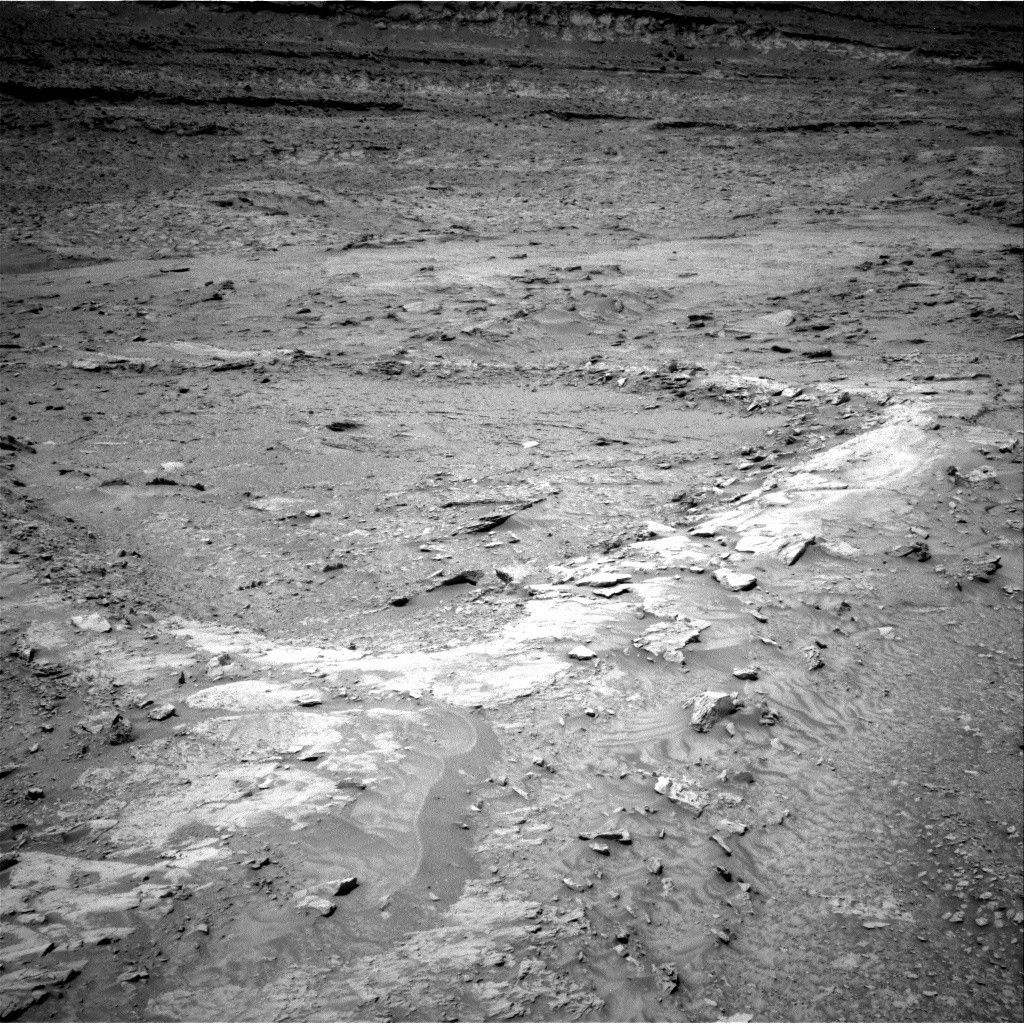
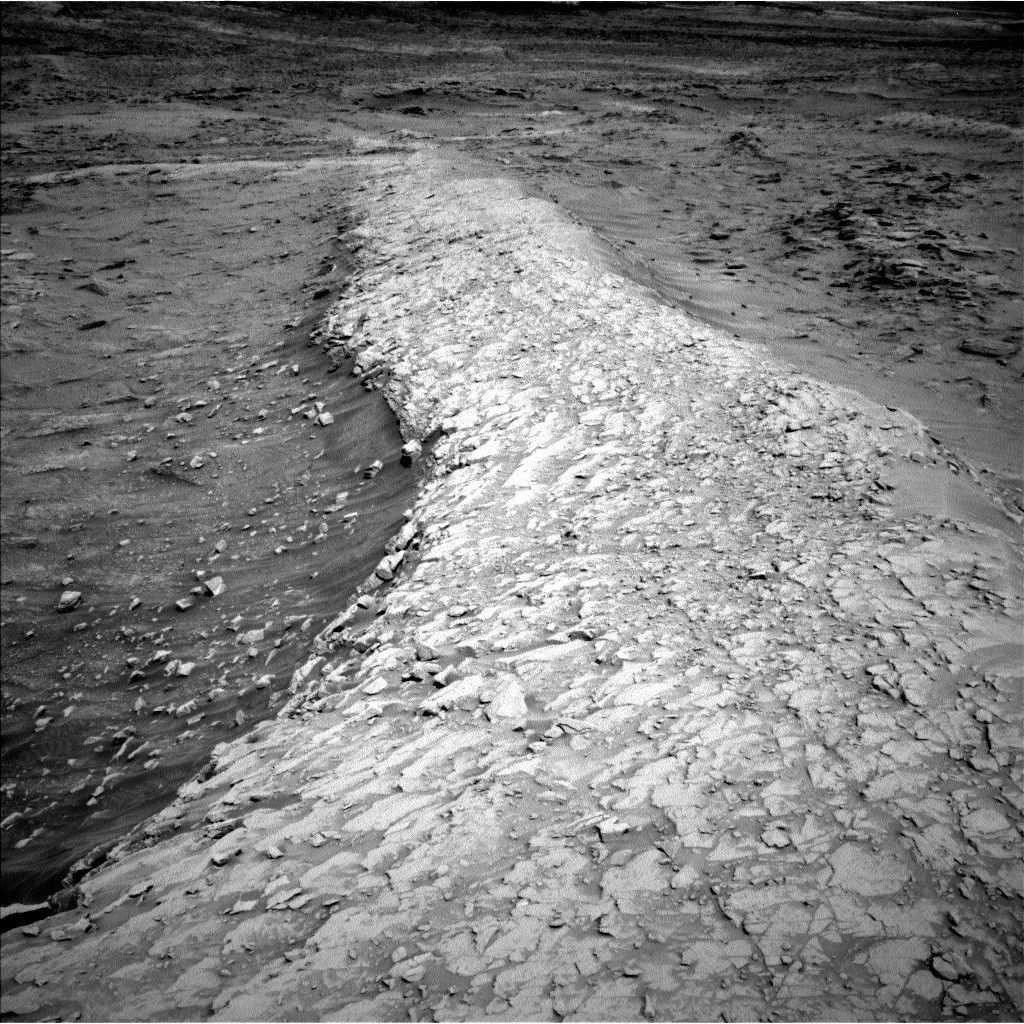
    A grayscale photo from the Martian surface shows a landscape with an elevated ridge running from the foreground, at the bottom left  of the image, toward the middle right side of the frame, with two branches extending toward the left side of the frame, creating a U-shaped depression between them. The top of the ridge is much lighter colored than the medium gray surrounding terrain, which extends off to the horizon at the top of the frame, and is interspersed with areas of scattered small, jagged rocks and wavy sand deposits.
    NASA’s Mars rover Curiosity acquired this image using its Right Navigation Camera, showing the three types of geologic features that have held the mission team’s attention for months — a bright, arcuate boxwork ridge, a darker, sand-filled hollow, and, in the distance, the “Mishe Mokwa” butte. Curiosity captured the image on Oct. 2, 2025 — Sol 4677, or Martian day 4,677 of the Mars Science Laboratory mission — at 15:49:32 UTC.
    NASA/JPL-Caltech

    Written by Michelle Minitti, MAHLI Deputy Principal Investigator at Framework

    Earth planning date: Friday, Oct. 3, 2025

    Before Curiosity landed 13 years ago, the science team eyed all the geologic wonders scattered across the flanks of Mount Sharp and looked forward to the day when we could put the rover to work on them. We have visited so many of these wonders — valleys, river channels, lakebeds — and found a few that we were not expecting. 

    Since Sol 4600, we have been exploring the heart of one of these long-awaited wonders — the boxwork structures — to uncover what created this expansive network of ridges and hollows. Each stop along the traverse since then has been an exercise in systematic detective work. 

    APXS and ChemCam analyses from the center of a ridge, to its edges, and into its neighboring hollow looked for chemical variations that indicate what is holding the ridges together, making them higher than the hollows. Mastcam and ChemCam RMI imaging mapped the architecture of the ridges and hollows looking for structures that provide clues to their formation. Their imaging of more distant features such as the buttes that rise hundreds of meters on either side of the valley hosting the boxworks helped define the geologic context of the area. MAHLI imaging of ridge and hollow targets sought variations in grain size that might indicate how the boxwork bedrock was deposited. DAN surveyed the ground under the rover at every stop, measuring hydrogen (and thus assumed, water) content to see how it varies between ridges and hollows. 

    This week, the team ingested all the results from this thorough exploration to make a decision about our next drill site, where SAM and CheMin will have their chance to interrogate the boxworks. The rover will head north to the “Monte Grande” hollow in which we identified promising bedrock for sampling. Eventually, we will drill a ridge but that is for a future blog. Comparing the mineralogy, volatile content, and organic chemistry of the ridges and hollows will give us our most detailed insight into how the boxworks formed.

    REMS and RAD do not particularly care if they are parked over a ridge or hollow, as the sky above is their domain. Both instruments kept their steady watch on the weather — Martian and space, respectively. Navcam and Mastcam helped with the environmental watch by measuring dust in the atmosphere, looking for dust devils, and capturing the last of the cloudy season. 

    A rover sits on the hilly, orange Martian surface beneath a flat grey sky, surrounded by chunks of rock.
    NASA’s Mars rover Curiosity at the base of Mount Sharp
    NASA/JPL-Caltech/MSSS

    Details

    Last Updated

    Nov 13, 2025

    Related Terms

  • NASA, International Partners Deepen Commitment to Artemis Accords

    Representatives of the Artemis Accords signatories, including acting NASA Administrator Sean Duffy and NASA Associate Administrator Amit Kshatriya, met Sept. 29, 2025, for a principals meeting during the 76th International Astronautical Congress in Sydney.
    Credit: NASA/Max van Otterdyk

    NASA, along with leaders from global space agencies and government representatives worldwide, convened on Monday to further the implementation of the Artemis Accords — practical principles designed to guide the responsible exploration of the Moon, Mars, and beyond.

    The meeting was held during the 76th International Astronautical Congress (IAC) taking place in Sydney. In opening remarks, acting NASA Administrator Sean Duffy highlighted the five-year anniversary of the Artemis Accords next month.

    “When President Trump launched the Artemis Accords in his first term, he made sure American values would lead the way – bringing together a coalition of nations to set the rules of the road in space and ensure exploration remains peaceful. After five years, the coalition is stronger than ever. This is critical as we seek to beat China to the Moon, not just to leave footprints, but this time to stay,” said Duffy.

    The United States, led by NASA and the U.S. Department of State, signed the accords on Oct. 13, 2020, with seven other founding nations. The accords were created in response to the growing global interest in lunar activities by governments and private companies. They now comprise 56 country signatories — nearly 30% of the world’s countries.

    The event was co-chaired by NASA, the Australian Space Agency, and the UAE Space Agency. Dozens of nations were represented, creating the foundation for future space exploration for the Golden Age of exploration and innovation.

    “Australia is a proud founding signatory of the Artemis Accords and is focused on supporting new signatories in the Indo-Pacific region,” said Head of Australian Space Agency Enrico Palermo. “The purpose of the accords is as important — if not more important — as it was when first established. This annual gathering of principals at IAC 2025 is a key opportunity to reaffirm our collective commitment to exploring the Moon, Mars and beyond in a peaceful, safe, and sustainable way.”

    During the meeting, leaders discussed recommendations for non-interference in each other’s space activities including transparency on expected launch dates, general nature of activities, and landing locations. They also discussed orbital debris mitigation and disposal management, interoperability of systems for safer and more efficient operations, and the release of scientific data.

    In May 2025, the United Arab Emirates hosted an Artemis Accords workshop focused on topics, such as non-interference and space object registration and reporting beyond Earth orbit.

    “Through our active participation in the Artemis Accords and by organizing specialised workshops, we aim to reinforce the principles of transparency, sustainability, and innovation in space activities. We are committed to strengthening international partnerships and facilitating the exchange of expertise, thereby contributing to the development of a robust global framework for safe and responsible space exploration, while opening new frontiers for scientific research,” said UAE Minister of Sports and Chairman of UAE Space Agency Ahmad Belhoul Al Falasi. “This reflects the UAE’s unwavering commitment to enhancing international cooperation in space exploration and promoting the peaceful use of space.”

    More countries are expected to sign the Artemis Accords in the months and years ahead, as NASA continues its work to establish a safe, peaceful, and prosperous future in space.

    Learn more about the Artemis Accords at:

    https://www.nasa.gov/artemis-accords

    -end-

    Bethany Stevens / Elizabeth Shaw
    Headquarters, Washington
    202-358-1600
    bethany.c.stevens@nasa.gov / elizabeth.a.shaw@nasa.gov

  • Jupiter’s Volcanic Moon Io

    Jupiter's moon, Io, as seen by NASA's Juno spacecraft. Io is yellow-brown and looks somewhat like a potato: some of its geographical features look like the eyes on a potato. Io is partly illuminated by sunshine reflecting off of Jupiter's surface. The darkness of space provides a black background.
    NASA/Jet Propulsion Laboratory–Caltech/Southwest Research Institute (SwRI)/Malin Space Science Systems (MSSS); Image processing: Emma Wälimäki © CC BY

    During its close flyby of Jupiter’s moon Io on December 30, 2023, NASA’s Juno spacecraft captured some of the most detailed imagery ever of Io’s volcanic surface. In this image, taken by the JunoCam instrument from about 930 miles (1,500 kilometers) above the moon, Io’s night side [left lobe] is illuminated by “Jupitershine,” which is sunlight reflected from the planet’s surface.

    This image is the NASA Science Image of the Month for October 2025. Each month, NASA’s Science Mission Directorate chooses an image to feature, offering desktop wallpaper downloads, as well as links to related topics, activities, and games.

    Text credit: NASA/JPL–Caltech/Southwest Research Institute (SwRI)/Malin Space Science Systems (MSSS)
    Image credit: NASA/JPL–Caltech/Southwest Research Institute (SwRI)/Malin Space Science Systems (MSSS); Image processing: Emma Wälimäki © CC BY

  • OSDR and PSI Unveil New Consolidated Website

    Image of the new OSDR/PSI splash page

    The Open Science Data Repository (OSDR) and Physical Sciences Informatics (PSI) has a new home. As part of NASA’s website consolidation initiative, the OSDR and PSI site have officially transitioned to the Biological and Physical Sciences (BPS) Data page, accessible through the “Data” menu on the Science Mission Directorate’s (SMD) website at science.nasa.gov. This strategic move reflects NASA’s broader effort to streamline user access to resources, unify digital platforms, and provide a more consistent experience across the SMD divisions.

    The OSDR and PSI consolidation brings together two powerful resources, giving researchers a single point of access to search both biological and physical sciences datasets. By integrating these repositories, NASA is expanding opportunities for cross-disciplinary research, enabling scientists to draw connections across fields and gain deeper insights into how biology and physical systems respond to spaceflight environments.

    The redesigned OSDR website continues to serve as a hub for open access to space science data, offering a modernized layout, improved navigation, and direct pathways to explore datasets and analysis tools, and submit data through the submission portals enabled by OSDR and PSI. Whether you are a scientist seeking resources for new investigations, a student learning about space research, or a collaborator from another discipline, the updated platform makes accessing NASA’s open science data easier than ever. Check out the new BPS Data and OSDR, and PSI websites now!

    The launch of the new consolidated OSDR and PSI websites underscores NASA’s commitment to open science and to advancing knowledge through transparent, accessible, and reusable data. By situating OSDR under the BPS data ecosystem and combining it with PSI, NASA is strengthening visibility, fostering collaboration, and ensuring that both biological and physical sciences research in space continues to thrive.

  • International Space Station: Launching NASA and Humanity into Deep Space

    7 Min Read

    International Space Station: Launching NASA and Humanity into Deep Space

    This long-exposure photograph, taken over 31 minutes from a window inside the International Space Station’s Kibo laboratory module, captures the circular arcs of star trails. In the foreground is a portion of Kibo’s Exposed Facility, where various payloads and experiments are mounted to be exposed directly to the vacuum of space.

    Curiosity and the desire to explore are traits deeply rooted in human nature. Space exploration is no exception; it reflects humanity’s timeless drive to seek new horizons, challenge our limits, and understand our universe.

    The advancements of modern civilization—from the electricity that powers our homes to basic hygienic breakthroughs that ensure our health— happened thanks to humanity’s dedication to expanding our knowledge and transforming our world. Similarly, before we can venture into deep space, we must expand our knowledge to understand life beyond Earth. The International Space Station provides the platform for sharpening the skills, technology, and understanding that has springboarded humanity forward, leading us back to the Moon, Mars, and beyond.

    In November 2025, NASA and its international partners will surpass 25 years of continuous human presence aboard the International Space Station. As NASA prepares for Artemis missions to the Moon and sets sights on Mars, the space station continues to enable groundbreaking research not possible on Earth, making significant strides in our journey farther into the final frontier.

    Step 1: Mastering a New Environment

    NASA astronauts Raja Chari, Tom Marshburn, and Kayla Barron demonstrate the unique physical environment aboard the space station.
    NASA

    Space presents an entirely new physical environment with a unique set of challenges. Without Earth’s gravity, researchers first needed to master techniques for basic tasks like drinking water, sleeping, exercising, and handling various materials. Fundamental research in the early days of the space station helped us address these basic challenges and move forward to more advanced physics, building multiple space-based research facilities, developing life support systems, and even improving consumer products for life on Earth.

    The human body experiences challenges in space like adapting to different gravitational fields and living for long periods in a closed environment. For example, fluid shifts in the body due to microgravity can cause changes with the eyes, brain, bones, muscles, and cardiovascular system. Being able to see, breathe, and function optimally are critical to living and working in space. Research aboard the space station is producing solutions to these challenges and equipping humans for deep space exploration though research like simulating moon landings to clarify how gravitational transitions affect piloting capabilities and decision-making.

    Step 2: Creating Self Sufficiency in Space

    In 2021, astronauts aboard the International Space Station harvested chile peppers for the first time, and taste-tested the fruits of their labor.
    NASA

    As missions venture farther from Earth, reliable technologies and self-sustaining ecosystems become essential. The space station provides a testbed to refine these systems before human’s travel to distant destinations.

    Food, water, and air are among the basic needs for human survival. Thanks to testing aboard the space station, we have developed state-of-the-art life support systems that could be used on future commercial space stations and the Artemis missions. The space station also has enabled testing of evolving technologies to recycle air, water, and waste. In the U.S. segment of space station, NASA achieved 98% water recovery, the ideal level needed for missions beyond low Earth orbit.

    Deep space missions could last several years, and astronauts will need enough food to sustain them the entire time. Packaged food can degrade and lose nutrients and vitamins over time, and a deficiency in vitamins can cause health issues. Growing and producing fresh foods and nutrients will be vital during these missions. Over 50 species of plants have been grown aboard the space station, including a variety of vegetables, leafy greens, grains, and legumes. Scientists are testing different systems for scalable crop growth, including aeroponic and hydroponic systems.  Research is also being conducted to produce vital nutrients in orbit using microbes.

    Researchers have also advanced 3D printing in space, enabling astronauts to make tools and parts on-demand. This ability is especially important in planning for missions to the Moon and Mars because additional supplies cannot quickly be sent from Earth and cargo capacity is limited. Experiments on the space station have made it possible to 3D print plastic parts and tools, and test ways to reuse waste like plastic bags and packing foam as material for 3D printers. In 2024, ESA (European Space Agency) successfully 3D printed the first metal part aboard space station, a step towards more diverse manufacturing during future missions.

    Step 3: Preparing for Lunar and Martian Exploration

    The Internal Ball Camera 2 tests automatically capturing imagery of crew activities aboard the International Space Station.
    JAXA/Takuya Onishi

    Before astronauts explore new terrains, we first must collect data and imagery to better characterize the surface of these cosmic destinations. Astronauts aboard the space station have collected photographs to document Earth’s surface through Crew Earth Observations. Now, those same techniques are being adapted for Artemis II , where astronauts will use handheld cameras to capture images of the Moon’s surface—including the largely unexplored far side. These observations will increase our understanding of the lunar environment and help prepare for exploration missions.

    When they land, astronauts will need shelter from radiation, debris, and contaminants. Technology demonstrations aboard the space station tested the packing techniques, protection capabilities, and venting systems of lightweight inflatable habitats. For more permanent structures, space station experiments have studied how concrete hardens in reduced gravity and tested 3D printing nozzles designed to use regolith – the dust present on the Moon and Mars- as material for constructing habitats on-site.

    Robotic experiments aboard the space station are demonstrating tasks like moving objects, early detection of equipment issues, 3D sensing, and mapping. Robots could support astronauts during deep space missions by performing routine tasks, responding to hazards, and reducing the need for risky spacewalks.

    Analyzing samples though DNA sequencing has historically been expensive and time intensive, limiting its use in space. Advancements have led to DNA processing aboard the space station and refined sequencing techniques. Not only can this ability potentially identify DNA-based life off Earth, but it is necessary for microbial monitoring to keep crews safe and healthy.

    Communications is another important component of space exploration. NASA used the space station to demonstrate laser communications capabilities, enabling transmission of more data at faster rates. This communication could serve as a critical two-way link to keep astronauts connected to Earth as they explore deep space.

    Step 4: Testing Beyond Low Earth Orbit

    A full Moon is clearly visible in the dark background of space, framed by the blurred mechanical arms and equipment on the International Space Station’s exterior. Caption: The Moon shines between the space station’s external equipment. (Credit: NASA)
    September’s full Moon, the Harvest Moon, is photographed from the International Space Station, perfectly placed in between exterior station hardware.
    NASA

    Experiments and technologies first tested aboard the space station made their way around the Moon in an uncrewed Orion vehicle during the Artemis I mission. Radiation technology verified on station confirmed that the Orion spacecraft’s design protects against harmful exposure. An identical BioSentinel experiment on both space station and Artemis I studied how yeast cells respond to different levels of space radiation.

    Additionally, Moon Imagery research calibrated cameras for Orion’s navigation systems using photos of the Moon taken from space station, ensuring accurate guidance even if communication with Earth is lost.

    Three experiments that landed on the Moon during Firefly Aerospace’s Blue Ghost Mission-1 were made possible by earlier research on the space station. These studies help improve space weather monitoring, tested computer recovery from radiation damage, and advanced lunar navigation systems.

    Methods used to conduct research on the space station are making their way aboard Artemis II, a mission to place four astronauts in orbit around the Moon. Adapted from human health measurements conducted during space station missions, measurements taken on Artemis II crew will expand a repository of human health data to provide a snapshot of how spaceflight affects the human body beyond low Earth orbit. NASA researchers hope to use this data repository to develop protocols aimed at keeping astronauts healthy on missions to the Moon, Mars, and beyond. Small devices called tissue or organ chips, used for several experiments aboard space station, will continue their scientific journey in the lunar environment. Organ-chip research could improve crew prevention measures and create personalized medical treatments for humans, on Earth and in space.

    The International Space Station remains a vital scientific platform, providing the foundation needed to survive and thrive as humanity ventures into the unexplored territories of our universe.

    Details

    Last Updated

    Sep 30, 2025