Tag: JAXA

  • We have opend HTV7 Mission Timeline web page

    Last updated:September 10, 2018

    HTV7 Mission Timeline

    * In-flight schedule of the HTV7 mission is subject to change depending on the ISS’s operational timeline.
    * Photos used in the table were taken during the previous HTV missions. Some Computer Graphics (CG) images are included.

    Let’s block ads! (Why?)

  • We have opend HTV Small Re-entry Capsule web page

    Last Updated: September 5, 2018

    HTV Small Re-entry Capsule

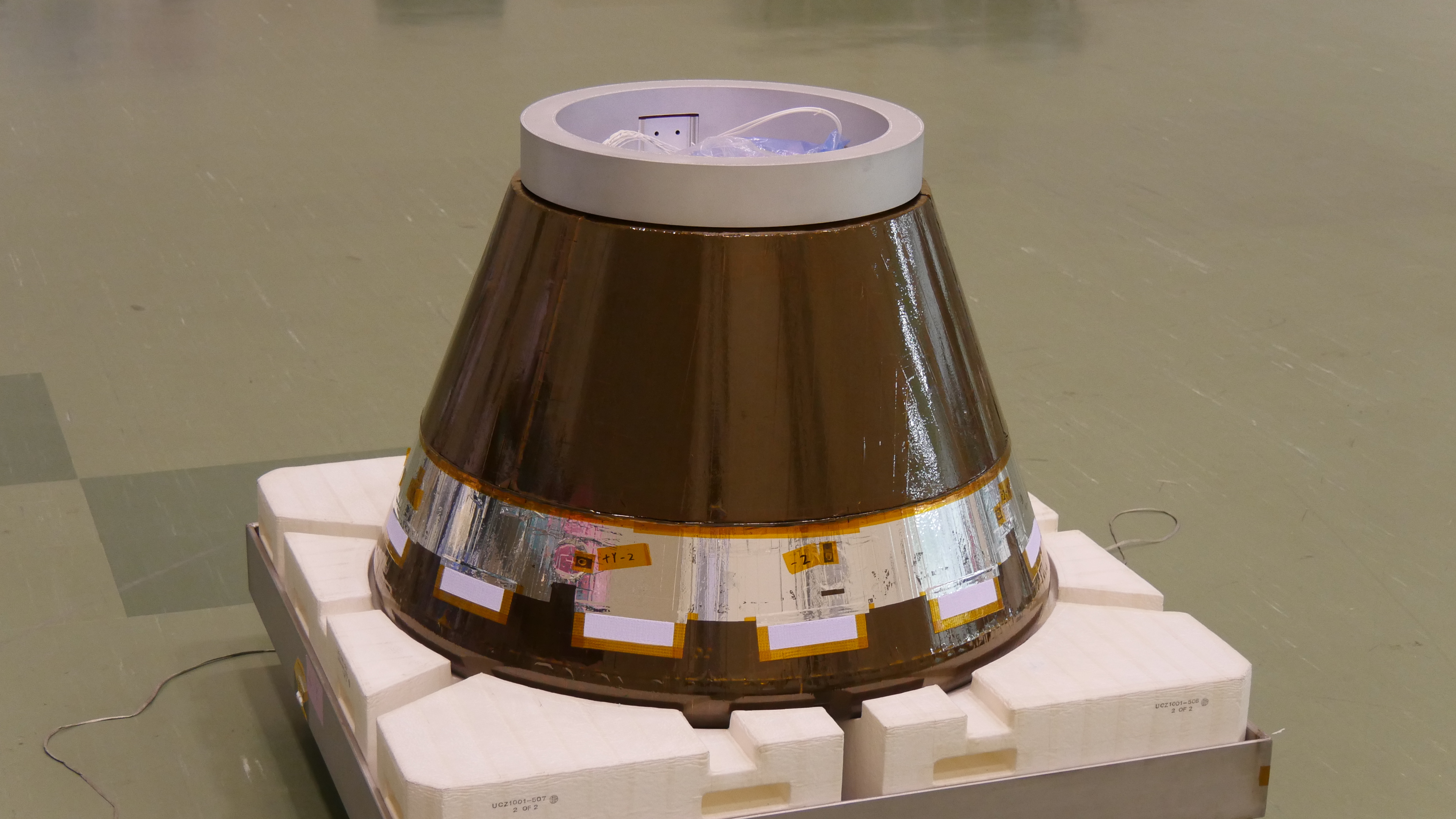
    HTV Small Re-entry Capsule
    (Credit: JAXA)

    In the mission of HTV7 (“KOUNOTORI 7”), after completing the re-supply mission to ISS, HTV7 will demonstrate the novel technology for recovering experiment samples from ISS, which Japan has not obtained up until now, by taking advantage of the opportunity of re-entry into Earth with the HTV Small Re-entry Capsule (HSRC) that will be loaded on the HTV for the first time ever.


    HSRC mission

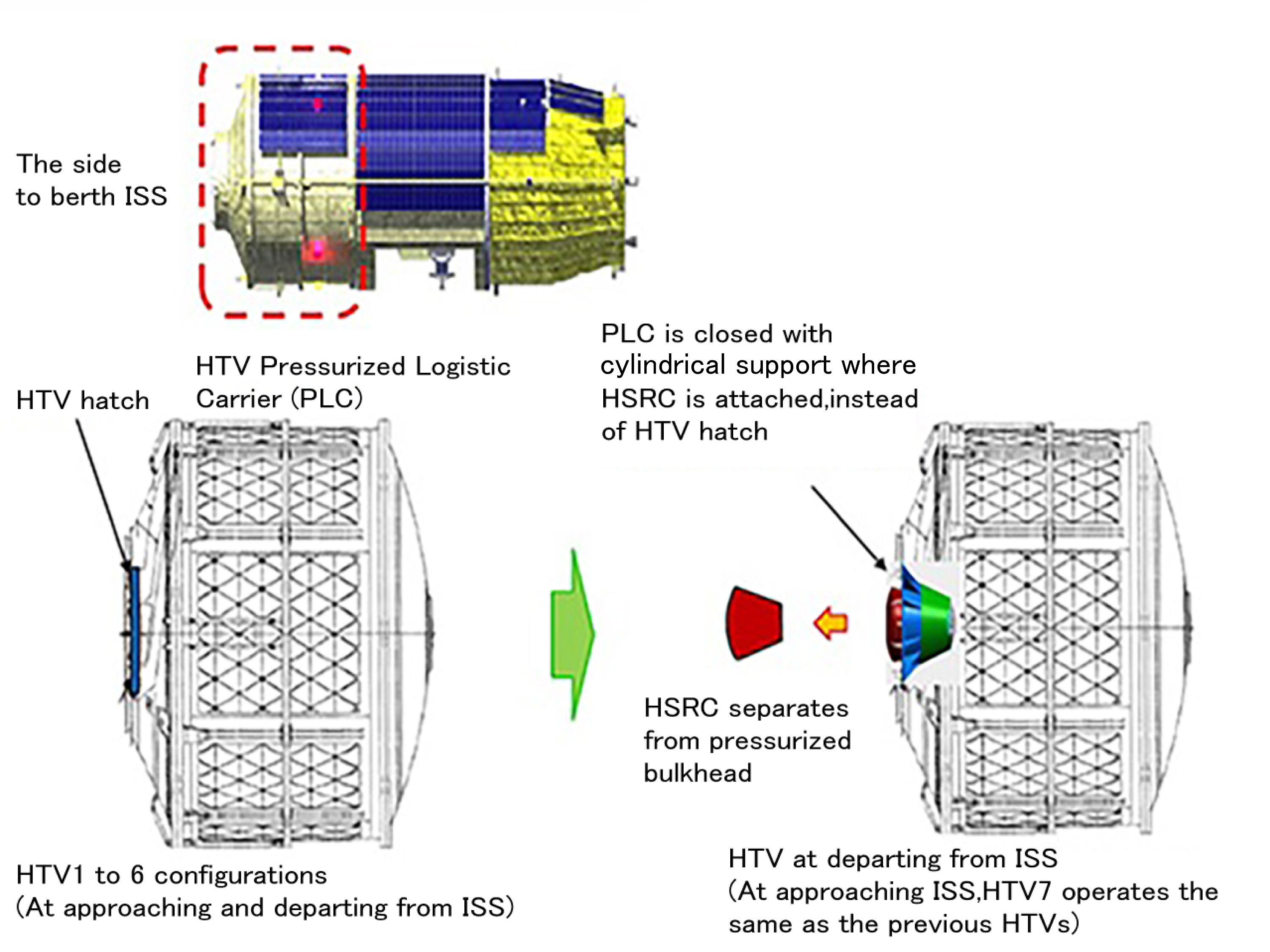
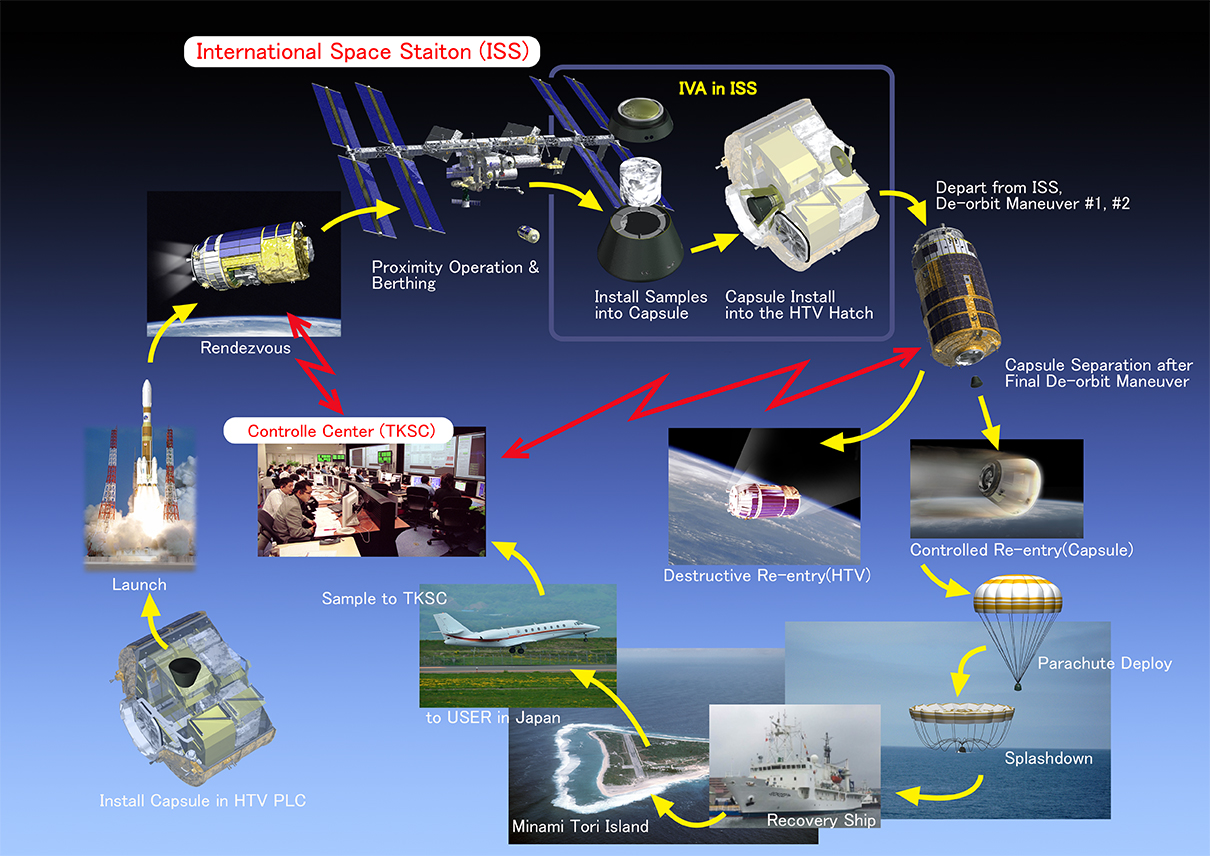
    The HSRC with experiment samples on board will be attached onto the hatch of the Pressurized Logistic Carrier (PLC) of the HTV7 before the HTV7 departs (un-berthed) from ISS. After the HTV7 deorbit burn finished, the capsule will be released from the PLC by the command from the ground and re-enter into Earth’s atmosphere, and subsequently descend on a parachute. The capsule will be recovered from the ocean after splashdown.

    Conceptual diagram of HSRC operations (Credit: JAXA)

    HSRC and its payload container overview

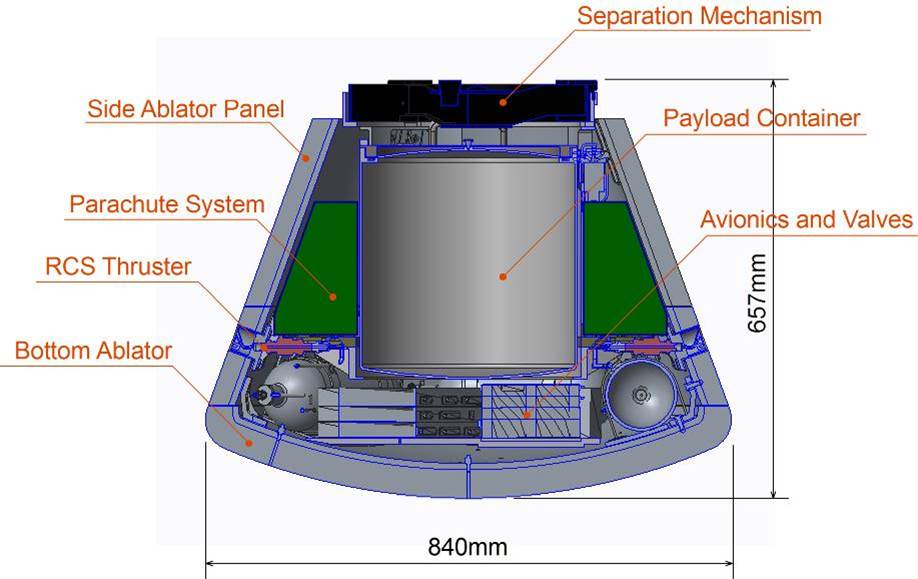
    The HSRC aboard HTV7 “KOUNOTORI7”, where samples will be kept cool in a passive way (no electric cooler), houses a vacuum double layer insulation container (thermos bottle) and a heat storage unit (refrigerant), inside of which experiment samples will be stored.

    写真

    Cross section image of HSRC (Credit: JAXA)

    写真

    Configuration of HSRC and payload container (Credit: JAXA)

    Installation of HSRC

    Before the HTV7 departs from ISS, the crew will load an HSRC-exclusive structure (cylindrical support) onto the hatch at the entry of the Pressurized Logistic Carrier for air tightness (while the hatch of the HTV7 is left open).
    Onto the structure, the HSRC with the separation mechanism attached will be fixed.

    After completing the de-orbit maneuver, the HTV7 will operate the separation mechanism of the HSRC according to the command received from the ground to separate the HSRC from the vehicle.

    Conceptual diagram of installing HSRC aboard HTV (Credit: JAXA)

    The HSRC will re-enter Earth’s atmosphere in a guided lift flight, deploy a parachute, and splash down into the sea, which in turn be picked up by Recovery Ship.
    Experiment samples taken out from the HSRC will be loaded onto an airplane on Minamitori Island, immediately delivered to the mainland of Japan (The HSRC itself will remain aboard the recovery ship to be delivered to the mainland).

    Let’s block ads! (Why?)

  • We have opened the HTV7 payload web page

    Last Updated: September 5, 2018

    HTV7 Payload

    HTV7 “KOUNOTORI7” delivers a total of 6.2 metric tons of cargo to the ISS, including 4.3 metric tons in the Pressurized Logistic Carrier (PLC) and 1.9 metric tons on the Unpressurized Logistic Carrier (ULC).

    Major supply goods to be delivered on board are as follows:

    * Images below are provided by JAXA unless otherwise specified.

    Cargo in the pressurized Logistic Carrier (PLC)

    Experiment racks

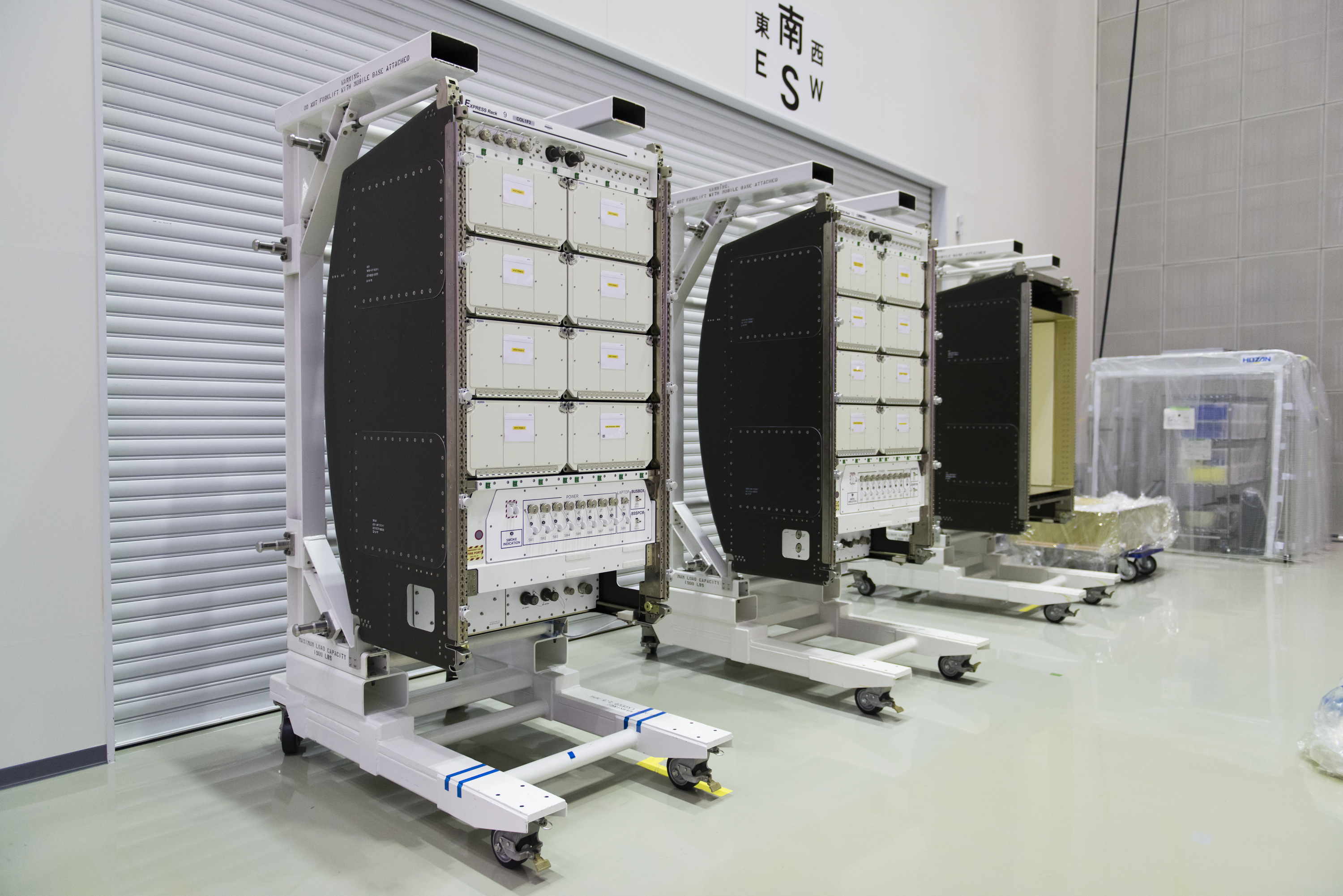
    Two US experiment racks (Express Rack 9B and 10B)
    EXPRESSラック9B、10B(手前の2台)

    EXPRESS Rack 9B and 10B (Two in the forefront)

    US EXPRESS Racks 9B and 10B will be delivered on this flight. These two EXPRESS Racks are modified for more simple interfaces.


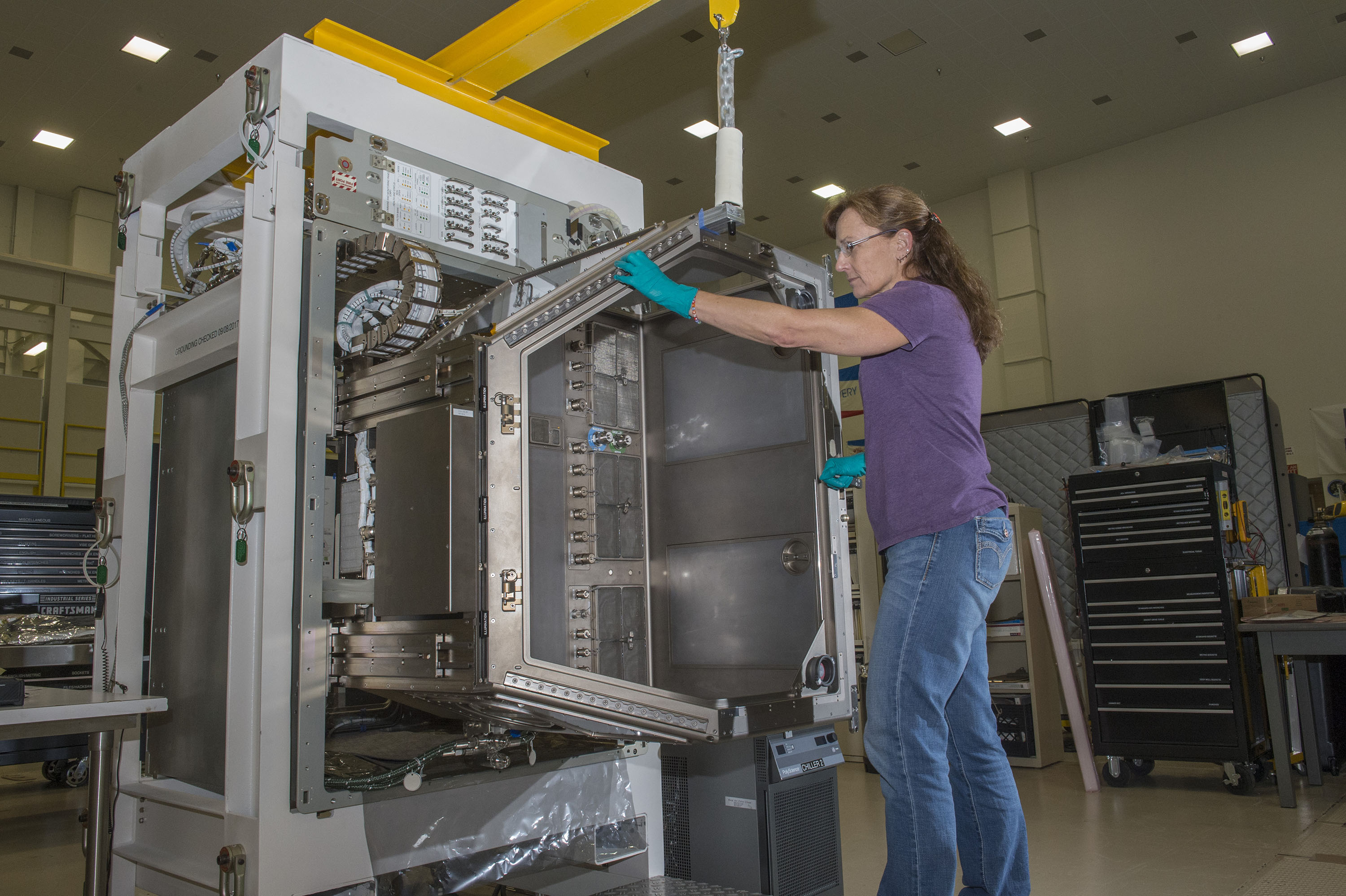
    US Life Sciences Glovebox (LSG)
    ⽶国⽣命科学グローブボックス(LSG)

    Life Sciences Glovebox (LSG) (Credit: JAXA/NASA)

    Life Sciences Glovebox (LSG), the second ISS large-scale glovebox for scientific experiments, will be installed on board “Kibo”.


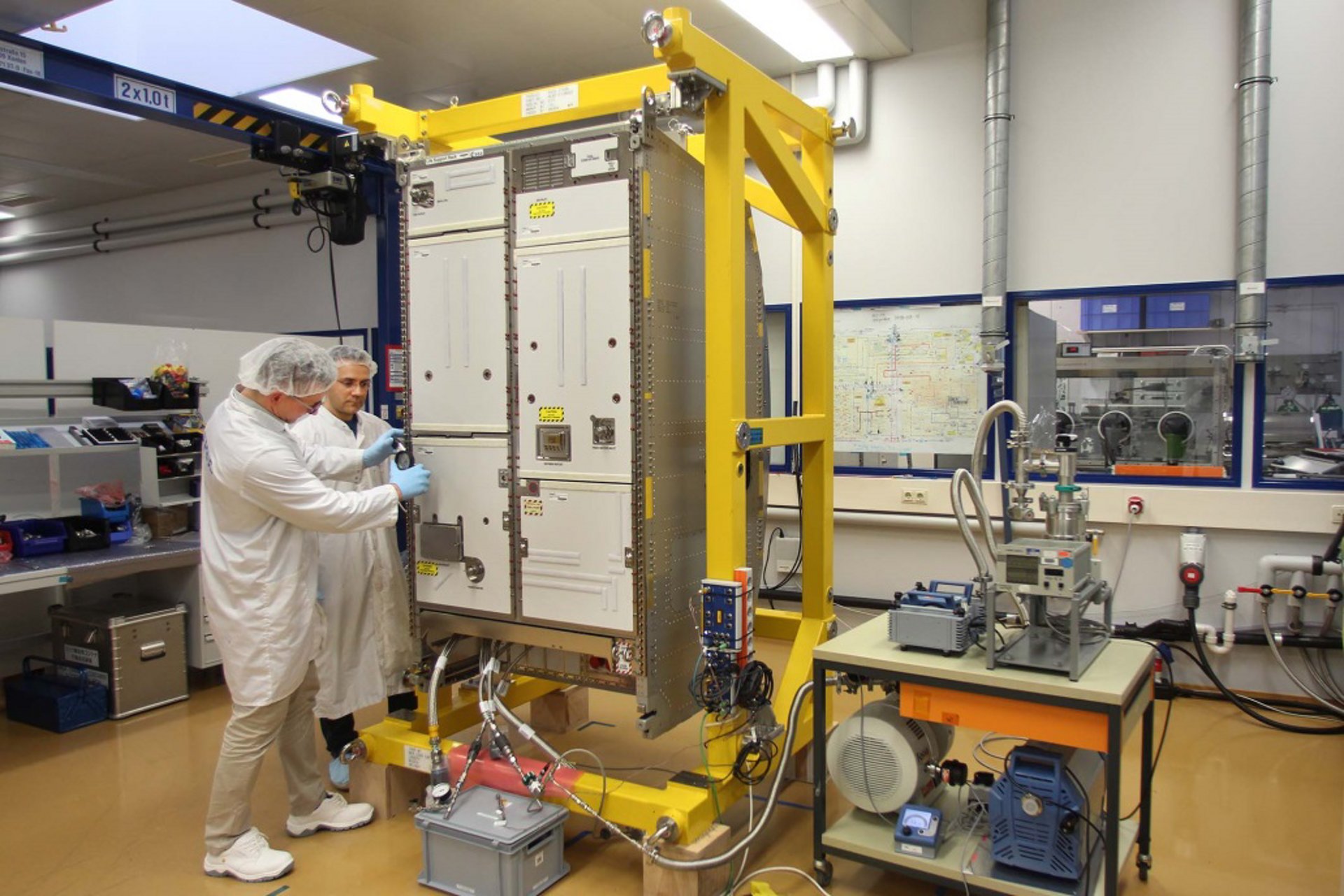
    Life Support Rack (LSR)
    ESA生命維持ラック(LSR)

    ESA Life Support Rack (LSR)(Credit: Airbus Company)

    The Life Support Rack (LSR) developed by the European Space Agency (ESA) is equipment for demonstration test of effective life support system which produces oxygen (O2) from water (H2O) by using electrolysis and also converts the produced hydrogen (H2) in Sabatier reaction with carbon dioxide (CO2), removed from the inside of the cabin, into methane (CH4) and byproduct water (H2O), which is then recycled for electrolysis.


    Utilization/experiment-related items

    HTV Small Re-entry Capsule (HSRC)
    HTV搭載小型回収カプセル

    HTV Small Re-entry Capsule (HSRC)

    HTV Small Re-entry Capsule (HSRC) will demonstrate reentry technology and cargo recovery function from the ISS.

    HSRC including experiment samples will be attached to the hatch of the Pressurized Logistic Carrier (PLC) before the HTV7 unberthing from ISS. HSRC will be separated from the HTV7 after its deorbit burn; re-enter Earth’s atmosphere; descend by parachute; and be recovered after splashdown.

    【Reference】 HTV Small Re-entry Capsule (HSRC)


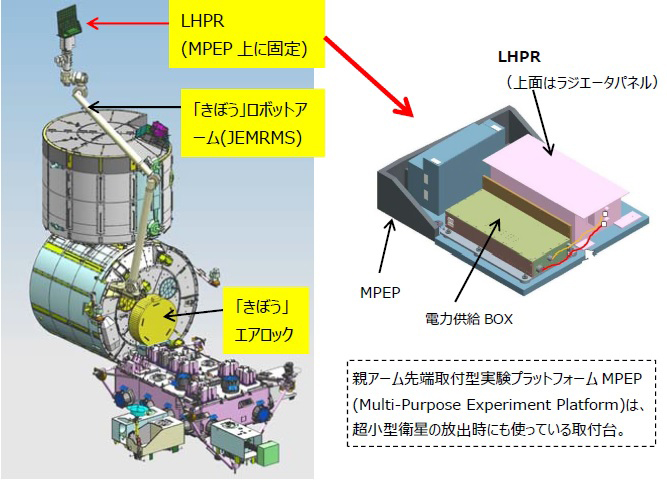
    Loop Heat Pipe Radiator (LHPR) technology demonstration system
    ループヒートパイプラジエータ(LHPR)

    Loop Heat Pipe Radiator (LHPR)

    The Loop Heat Pipe is expected for high efficiency heat rejection technology for future spacecraft. This Loop Heat Pipe Radiator (LHPR) demonstration will perform on-orbit technology demonstration of an expansion-type radiator equipped with a loop heat pipe by using “Kibo” as a test bed environment.

    The demonstration aims to reduce risks in satellite development by reflecting the results obtained by the on-orbit demonstration to the design of the expansion-type radiator, which will be applied to Engineering Test Satellite-9 aimed at the realization of next-generation geostationary communications satellites.


    JEM Small Satellite Orbital Deployer (J-SSOD) and CubeSat
    小型衛星放出機構(J-SSOD)

    JEM Small Satellite Orbital Deployer (J-SSOD)

    This mission will mark the 10th CubeSat deployment using J-SSOD since 2012.

    【Reference】CubeSats which have been deployed until now


    CubeSat

    HTV7 will deliver following CubeSats developed by a joint team of Nanyang Technological University (NTU, in Singapore) and Kyushu Institute of Technology (“Kyutech”, in Japan), general incorporated association Rymansat Spaces, and Shizuoka University.

    • SPATIUM-I (Kyushu Institute of Technology/Nananyang Technological University)
    • SPATIUM-I(サイズ:2U)

      SPATIUM-I (2U sized)

      The CubeSat will perform a mission to demonstrate technology aimed at electron density measurement and three-dimensional mapping of ionosphere and chip scale (ultra-small) atomic clock for CubeSats.


    • The CubeSat will perform a mission to demonstrate technology aimed at electron density measurement and three-dimensional mapping of ionosphere and chip scale (ultra-small) atomic clock for CubeSats.
    • RSP-00(サイズ:1U)

      RSP-00 (1U sized)

      The CubeSat will demonstrate technology for imaging with onboard camera and high speed data transmission.


    • STARS-Me (Shizuoka University)
    • STARS-Me(サイズ:2U)

      STARS-Me (2U sized)

      The CubeSat will perform small-scale demonstration of space elevator, which is a demonstration mission of configuration of two satellites and a climber (moving mechanism).


    Caqo for the onboard crew

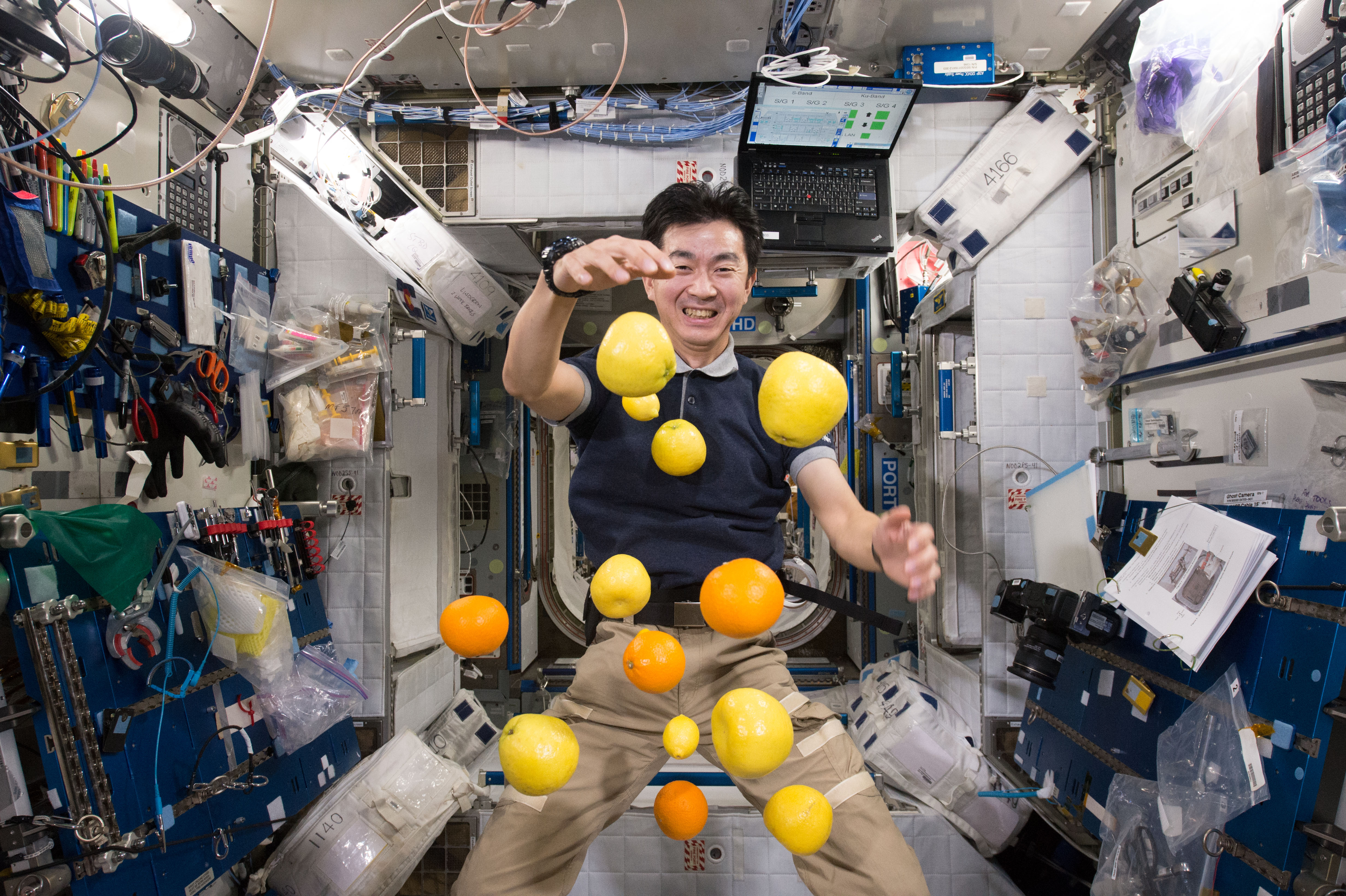
    Fresh food
    「こうのとり」5号機で運ばれた生鮮食品

    Fresh food delivered by HTV5 “KOUNOTORI5”

    Following HTV5 and HTV6, HTV7 will also deliver foods and other supplies including Fresh food.


    Cargo on the Unpressurized Logistic Carrier (ULC)

    ISS battery Orbital Replacement Units (ORUs)
    バッテリを搭載した曝露パレット

    Exposed Pallet (EP) loaded with battery ORUs

    Following the HTV6, the HTV7 (and also HTV8 and HTV9) will deliver new lithium ion batteries for ISS on the Exposed Pallet (EP) on the Unpressurized Logistic Carrier (ULC). New six battery Orbital Replacement Units (ORUs) consisting of new lithium-ion battery cells manufactured by a Japanese company are delivered.

    The nickel-hydrogen batteries currently used on the ISS are becoming old. The extension of ISS operations becomes possible with the supply of Japanese lithium-ion battery cells. Only the HTV is capable of delivering six battery ORUs at one time, and thus plays an important role in continuous ISS operations.


    Let’s block ads! (Why?)

  • [Weather information technology] SOLWIN starts trial operation at Tottori Airpor


    August 17, 2018

    SOLWIN starts trial operation at Tottori Airpor

    The trial operation of the Sodar-based Low-level Wind Information (SOLWIN) system has started at Tottori Sand Dunes Conan Airport (Tottori Airport) for one year from August 1, 2018. SOLWIN was jointly developed by Sonic Corporation and JAXA through JAXA’s Open Laboratory Scheme. Prior to conducting trial operations, JAXA made a presentation of SOLWIN at the grand opening event of the Tottori Airport on July 28, 2018.

    The SOLWIN can provide wind advisories to pilots and airline operators regardless of weather conditions by observing winds up to 90 meters above the device using the Doppler Sodar (sonic waves). Through trial operations conducted at Oita Airport in FY 2017, SOLWIN was highly evaluated by pilots both in terms of its observation accuracy and effectiveness of information provision. In addition, the report compiled by the Association of Air Transport Engineering and Research also determined that the SOLWIN is effective to reduce the impact of low-level winds for safer aircraft operation.

    For practical implementation, we need to evaluate the SOLWIN at various airports which suffer strong winds and/or snow. As winds from the Japan Sea blow into Tottori Airport, where snow falls in winter, we are expecting to collect more data for the SOLWIN operation in a harsher environment. We are also under negotiations with airports in other regions. By incorporating more data from various weather conditions, we aim to make SOLWIN more sophisticated and practical system.

    SOLWIN installed at Tottori Airport

    In the SOLWIN presentation booth (at Tottori Airport)

    Let’s block ads! (Why?)

  • [Weather information technology] ALWIN won President Award of Japan Aeronautical Engineers' Association


    August 1, 2018

    ALWIN won President Award of Japan Aeronautical Engineers’ Association

    The Airport Low-level Wind Information (ALWIN) advisory system was cooperatively developed by JAXA and the Japan Meteorological Agency, and has been in operation at Haneda Airport (Tokyo International Airport) and Narita International Airport since April 2017. The Japan Aeronautical Engineers’ Association presented the President Award to the ALWIN system after about one year of its practical operation.

    The ALWIN is an information service that provides “visible” data for winds around the aircraft landing paths to pilots and other aviation operators by making acquired raw data into texts or images while collecting accurate and detailed information of wind conditions there, such as wind direction, wind velocity, wind shear, and turbulence. The service is highly appreciated by airlines as useful information for safe landings and more punctual operation, hence it really works best in aircraft operations.
    We are now developing a low-cost information advisory system called “SOLWIN (SODAR-based Low-level Wind Information)” and demonstrations of it have been performed in some local airports since last year.

    Let’s block ads! (Why?)

  • HTV7 media briefing at Tanegashima Space Center

    HTV7 media briefing at Tanegashima Space Center

    Last Updated: July 28, 2018

    HTV7

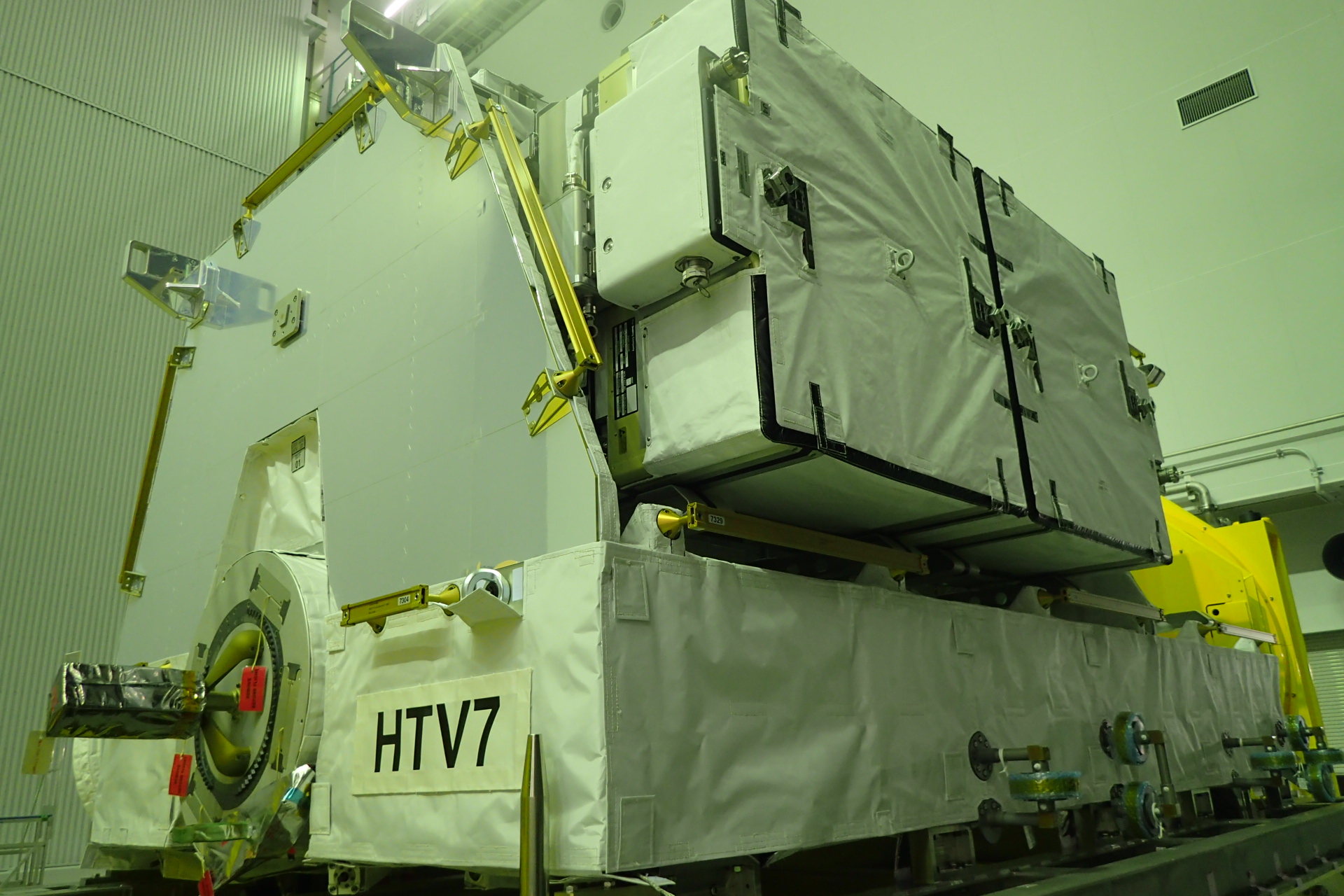
    HTV7
    (Credit: JAXA, photograped in the TNSC SFA2)

    On July 28th, the H-II Transfer Vehicle (HTV7) “KOUNOTORI 7” was unveiled to media at JAXA’s Tanegashima Space Center (TNSC) along with the briefing of its upcoming mission. Many journalists gathered to take the opportunity to see the flight vehicle before launch with their eyes.

    In the briefing of HTV7 “KOUNOTORI 7” mission before the release of the HTV7’s main body, explanations were given in the following: the mission overview, past operation history of HTV, improved points for the mission, the current preparation status for launch, its delivery of largest number of International Standard Payload Racks (ISPRs) ever, also largest weight, and Japan’s first attempt to samples return from the ISS by using small re-entry capsule.

    • Overview briefing
      • Hirohiko Uematsu, Director of HTV Technology Center, JAXA
    • Explanation of HTV Small Re-entry Capsule (HSRC)
      • Kota Tanabe, Manager of HTV Technology Center, JAXA

    *All times are Japan Standard Time (JST. UTC + 9 hours)

    Let’s block ads! (Why?)

  • [Aerodynamic technology] JAXA wind tunnel test result wins JSASS technology award


    Topics

    July 20,2018

    JAXA wind tunnel test result wins JSASS technology award

    The JSASS technology award was presented to the “Acquisition and Publication of Transonic Wind Tunnel Test Data of the 80% Scaled NASA Common Research Model” that uses the JAXA “2m x 2m transonic wind tunnel.”

    The award was given in recognition of the contributions that JAXA has acquired through highly accurate data on an 80% scale model of the NASA CRM (Common Research Model) using the 2m x 2m transonic wind tunneland then made the data available at the CFD workshop/APC (Aerodynamics Predication Challenge) in Japan. JAXA’s 2m x 2m transonic wind tunnel has been highly evaluated since its completion in 1960. The tunnel has been used for many aerospace development projects in Japan. Aerodynamic characteristics acquired in the tunnel using the “NASA CRM,” a global standard configuration of a transonic passenger transport, serve as precious data to improve Japan’s ability of computational fluid dynamics (CFD). These characteristics can be used by combining them with other global leading wind tunnel data, and they can also be compared with other notable worldwide CFD achievements.

    These technological attainments are the result of JAXA’s efforts and data accumulation to improve the accuracy of the 2m x 2m transonic wind tunnel, hence we hope they will stay useful for the future.

    NASA CRM installed in the 2m x 2m transonic wind tunnel

    NASA CRM installed in the 2m x 2m transonic wind tunnel

    Let’s block ads! (Why?)

  • Initiating the second joint exposed experiment on board "Kibo" with the Republic of Turkey

    Initiating the second joint exposed experiment on board “Kibo” with the Republic of Turkey

    Last Updated:
    July 19, 2018

    In the evening of May 23, 2018, the second experiment of the collaboration mission between Japan and Turkey (*1) has been initiated using the Experiment Handrail Attachment Mechanism (ExHAM) of the Exposed Facility, an external platform outside the Japanese Experiment Module (JEM) “Kibo” of the International Space Station (ISS).

    In this experiment, potential satellite-oriented polymer materials with radiation resistant properties will be exposed to space environment for about a year and have performance evaluation after returned to Earth.

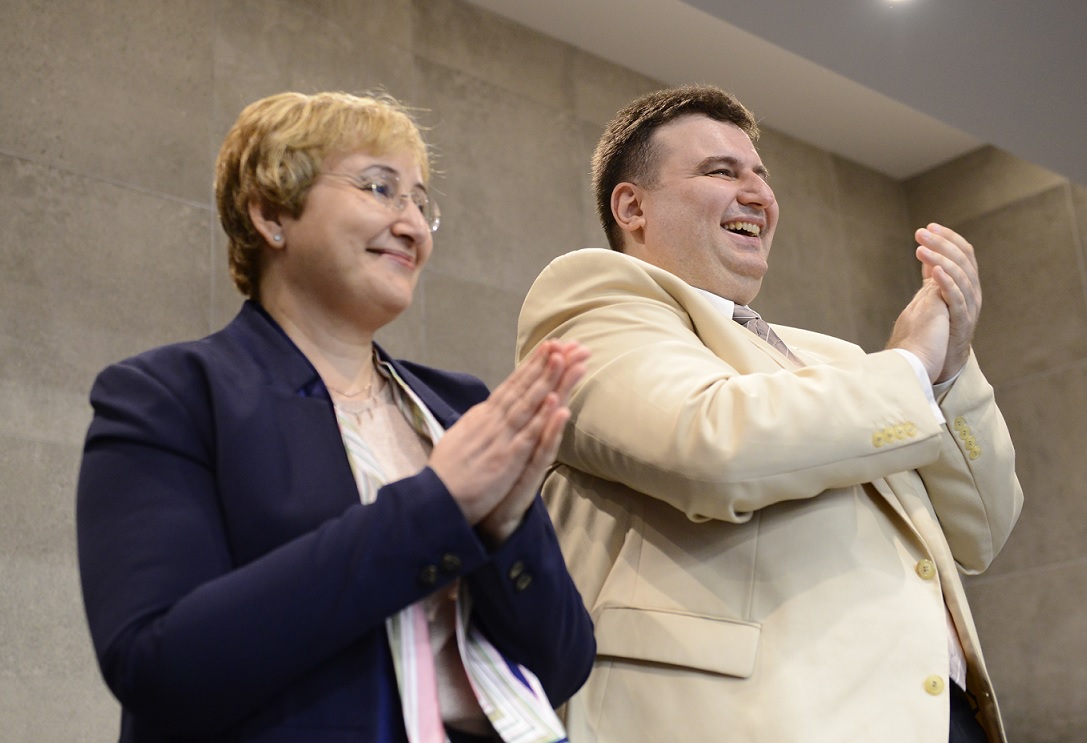
    At the start of the experiment, researchers from Istanbul Technical University visited Japan and witnessed the moment with JAXA officials in the Kibo Mission Control Room at JAXA Tsukuba Space Center (TKSC).

    Comment by Professor Nilgun Baydogan of Istanbul Technical University witnessing the moment the experiment being initiated

    We are honored to have this precious opportunity for experiments using the actual space environment. We expect that the results obtained from this experiment will contribute to the development of communication satellite technology.

    写真

    Researchers of Istanbul Technical University observing the experiment in the Kibo Mission Control Room (Credit: JAXA)

    写真

    ExHAM where the experiment samples from Turkey were installed and their exposure experiment was being initiated (Credit: JAXA/NASA)

    Along with the Japan-Turkey collaboration experiment, a Japanese experiment has also been underway for “Assessment of degradation of polymer fiber material device exposed to cosmic rays” proposed by Kyoto Institute of Technology, selected as the first utilization theme for the ExHAM onerous utilization program that started in JFY 2017.
    The theme whose experiment was initiated so shortly, only five months after the conclusion of the contract, demonstrates that space experiments have become more accessible.

    *1:Cooperation mission between Japan and the Republic of Turkey
    The “cooperation on Kibo utilization” is a Japan-Turkey national cooperation. In December 2010, “the cooperation agreement relating a space and aeronautical field” was signed by Minister of Education, Culture, Sports, Science and Technology (MEXT) of Japan, and Minister of State for Space Policy, and Ministry of Transport, Maritime Affairs and Communications (MTMAC) of the Republic of Turkey.

    Eventually, Japanese Prime Minister Abe and Turkish President Erdogan promised to deepen the “strategic partnership” between the two countries at the Japan-Turkey Summit Meeting held in October 2015.
    Upon the bilateral agreement, on September 8, 2016, JAXA and the Republic of Turkey’s MTMAC signed a cooperation agreement related to “Kibo” utilization.

    The cooperation agreement stipulates that JAXA will offer Turkey opportunities to deploy a 3U CubeSat and conduct long-term exposure experiments of materials and other subjects (twice).

    JAXA and the Ministry of Transport, Maritime Affairs and Communications, Republic of Turkey sign a Cooperation Agreement (Sep. 9, 2016)

    The first long-term material exposure experiment was initiated in April, 2017 and the second experiment was initiated after samples of the first experiment were replaced with the next. The first experiment samples will be returned to the Earth by the Dragon spacecraft (SpX-15).

    TOPICS

    Turkey hands over samples to Japan for a space materials exposure experiment – Experiment to begin next spring on the exposed facility of “Kibo”! (January 11, 2018)
    Initiating the joint exposed experiment with the Republic of Turkey utilizing the Exposed Experiment Handrail Attachment Mechanism(ExHAM) (April 18, 2017)

    *All times are Japan Standard Time (JST)

    Let’s block ads! (Why?)

  • JAXA's 3rd Mouse breeding mission finished

    JAXA’s 3rd Mouse breeding mission finished

    Last Updated:
    July 19, 2018

    The 3rd Mouse breeding mission (for 31 days from April 4 to May 5), which had been conducted on board the Pressurized Module of Japanese Experiment Module (JEM) “Kibo” , completed and the space-bred mice returned to Earth aboard the Dragon spacecraft (SpX-14) on May 6 (Japan Standard Time, JST).

    On May 7, the mouse cage for return was handed over from NASA to JAXA, which subsequently confirmed the survival of all mice. In this mission, six knock-out mice with deleted the genes of Nrf2, a control factor involved in biological stress defense, (mice highly sensitive to stress) and six control mice that were native, 12 mice in total, had been bred in space for a long term. The mission has brought the world’s first achievement of the long duration stay in space and return all alive of gene-knockout mice.

    While staying in space, humans face many kinds of medical risks, so-called space stresses, including oxidative stress, DNA disorder, and cell death caused by cosmic radiation and interference in intracellular signal transduction caused by mechanical stress due to the microgravity environment.
    To elucidate these risks, avoid the space stresses, and examine the measures is an essential issue to space exploration.

    This breeding mission focuses on Nrf2, a transcription factor which controls a group of biological defense genes and is expected to play a defensive role in space stress. The mission is intended to return Nrf2-deficient mice and native mice to Earth after being bred on board for a long term, about 30 days, clarify the contribution of activated Nrf2 contributes to biological defense to space stress, and demonstrate the effectiveness of Nrf2-inducing agent in reducing risks in space.

    Mouse Habitat Unit (MHU)

    In addition, the success achieved by the mission opened up a new way by analyzing how space stress affects the impact of deletion of each gene on many gene-knockout mouse strains which are being produced around the world aimed for human pathology research. We are now literally in the Decade of Space Mouse. In that decade, for example, studies on promotion of health and longevity on Earth is expected to be further advanced by utilizing the space environment where bone loss and sarcopenia are accelerated.

    *All times are Japan Standard Time (JST)

    Let’s block ads! (Why?)

  • Amyloid β-protein "Amyloid fibril" extends under the microgravity environment

    Amyloid β-protein “Amyloid fibril” extends under the microgravity environment – Flash analysis report of the first “Amyloid” space experiment handled by Astronaut Kanai –

    Last Updated:
    July 19, 2018

    National Research and Development Agency
    Japan Aerospace Exploration Agency (JAXA)

    Exploratory Research Center on Life and Living Systems (ExCELLS)/
    Institute for Molecular Science (IMS),
    Inter-University Research Institute Corporation
    National Institutes of Natural Sciences (NINS)

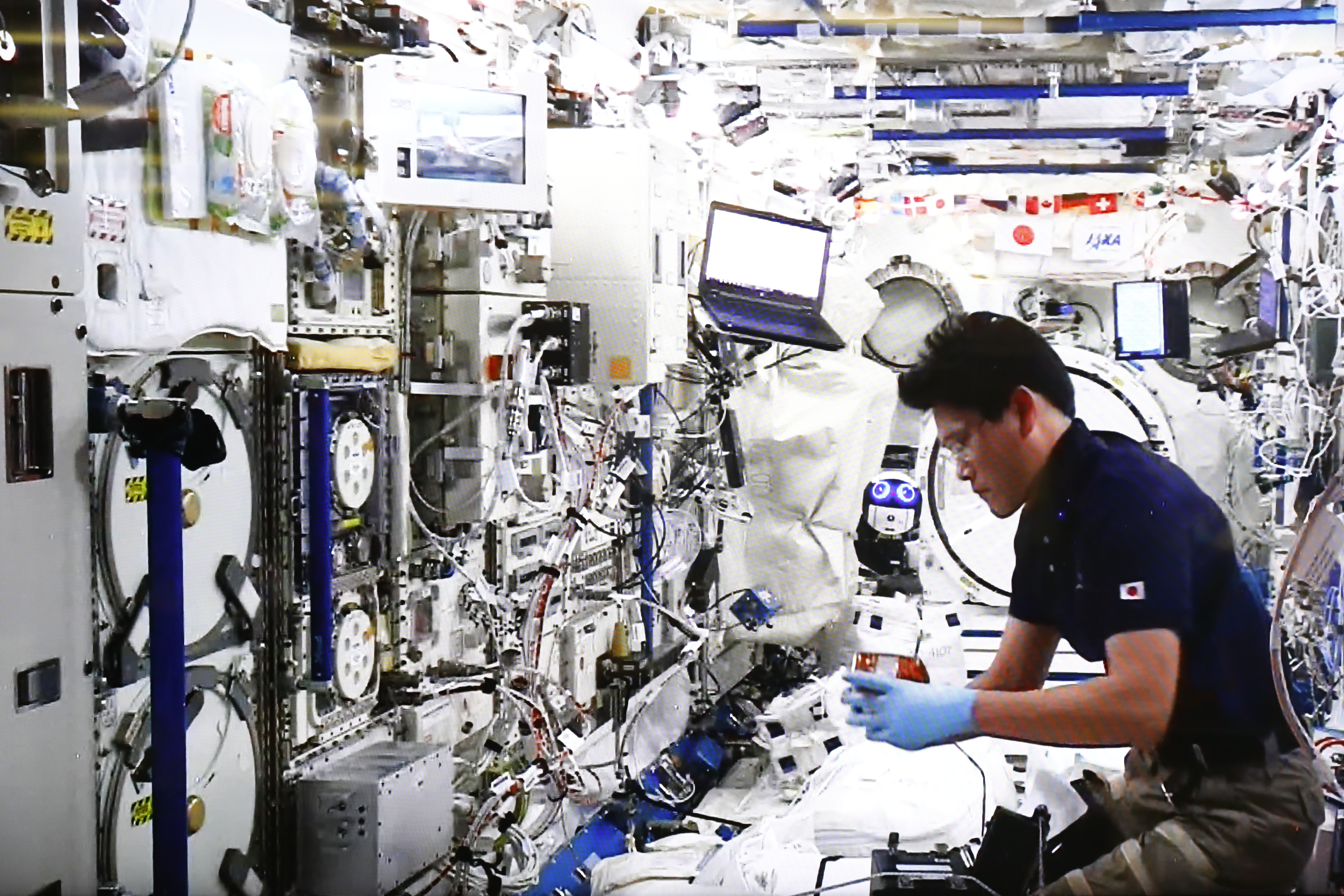
    In January 2018, the first Amyloid Experiment to examine the formation mechanism of amyloid fibril (amyloid β: Aβ), considered as a factor of the onset of Alzheimer’s disease, by using the microgravity environment of Japanese Experiment Module “Kibo” of the International Space Station (ISS). Astronaut Kanai was in charge of the experiment operation.

    The first Amyloid Experiment was intended to prepare amyloid fibril with small amount of amyloid β-protein solution in different conditions by using the incubator of the Cell Biology Experiment Facility (CBEF). Amyloid fibrils formed from amyloid β protein crystals were retrieved by four separate times, respectively, six hours, a day, three days, and nine days after the experiment started, and kept frozen. The frozen experiment samples were safely returned to Earth aboard the US Dragon spacecraft and are being under analysis at the National Institutes of Natural Sciences (NINS).

    Laboratory of Koichi Kato at NINS

    First, the formation of amyloid fibrils was examined.

    Fluorescent dyes were added to experiment samples before the experiment started. The fluorescent dyes, which does not develop colors before amyloid β-protein forms amyloid fibrils, bind to amyloid fibrils and develop colors only when amyloid fibrils were formed. This property enables the extension rate of amyloid fibrils to be grasped by examining the intensity of color development of the fluorescent dyes.
    The frozen experiment samples which were retrieved separately, six hours, a day, three days, and nine days after the experiment were defrosted on the ground after their return and their fluorescence intensity was measured.

    Consequently, the measurement found that amyloid fibrils were formed from amyloid β-protein under the microgravity environment.

    According to the results of the preceding experiments showing that protein crystals grow more slowly under the microgravity environment, it was assumed that amyloid fibril might not be formed. However, the experiment revealed that amyloid fibrils are formed from amyloid β-protein under the microgravity environment, just as shown by the hypothesis.

    Subsequently, the extension rate of amyloid fibrils was examined.

    For comparison, amyloid fibril formation was also attempted on the ground with experiment samples stored on the ground, the same as those used in space. The experiment samples in orbit equipped with a small thermometer in advance were monitored for their temperature changes in orbit. By reproducing the same temperature conditions as in orbit based on the monitoring information, 1G experimental samples were placed in the incubator, retrieved separately, six hours, a day, three days, and nine days after starting the experiment, and kept frozen. As in orbit, the fluorescent measurement was performed to compare the result in orbit and that on the ground. The comparison revealed that amyloid β-protein extends more slowly in orbit than on the ground. The more slow extension of amyloid fibril in orbit has added to the potential for the formation of high-quality amyloid fibril under the microgravity environment, which cannot be obtained on the ground.

    The second Amyloid experiment is intended to prepare more amount of amyloid-β protein solution after the conditions and kinds of samples are narrowed down based on the first experiment result, to extend amyloid fibril under the microgravity environment, and to examine the structure of amyloid fibril with an electronic microscope or other tools after collecting and analyzing the collected samples.

    写真

    Astronaut Kanai conducting Amyloid experiment on board “Kibo”

    (January 2018)(Credit: JAXA/NASA)


    写真

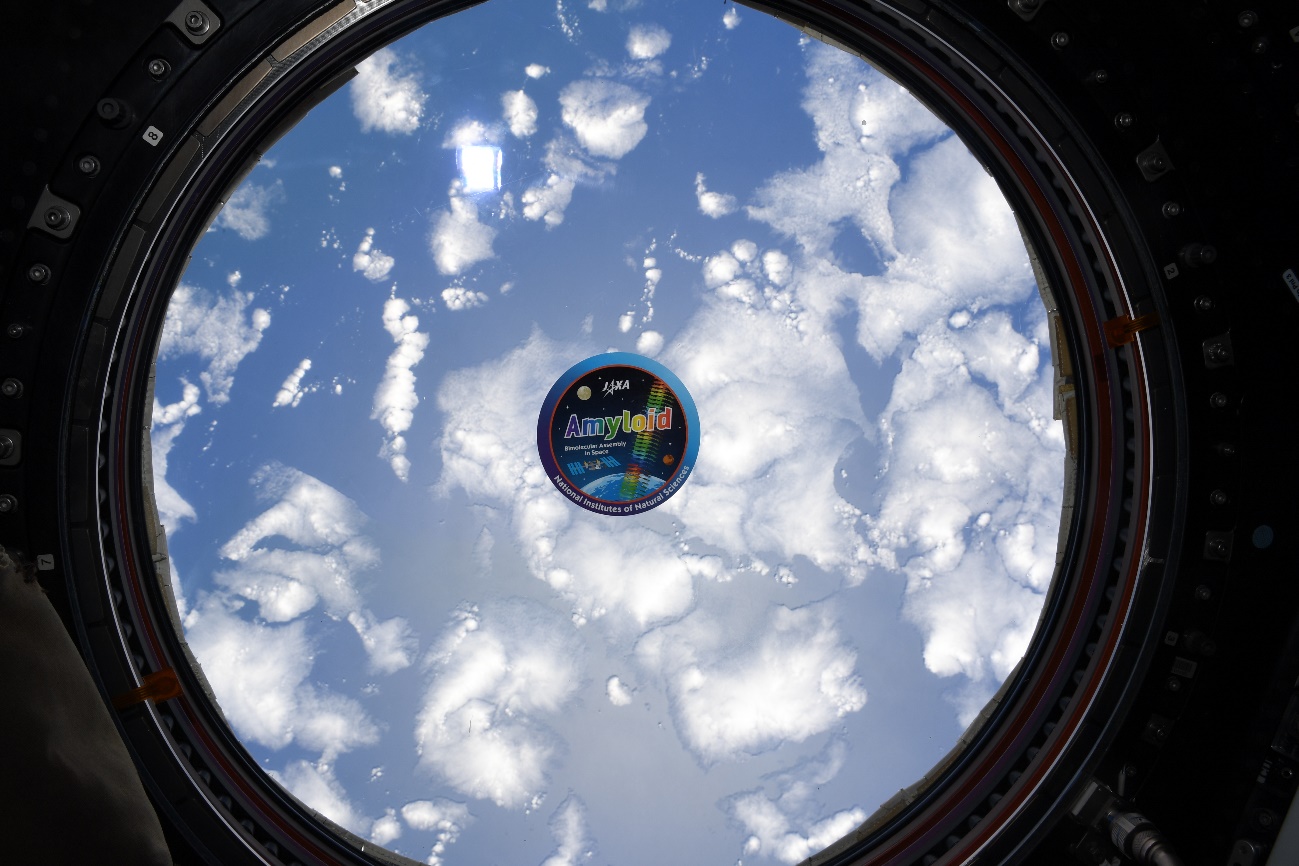
    Decal for Amyloid experiment photographed against the window of “Kibo”

    (January 2018)(Credit: JAXA/NASA)

    *All times are Japan Standard Time (JST)

    Let’s block ads! (Why?)
  • Three CubeSats successfully deployed from "Kibo"!

    Three CubeSats successfully deployed from “Kibo”!

    Last Updated:
    June 26, 2018

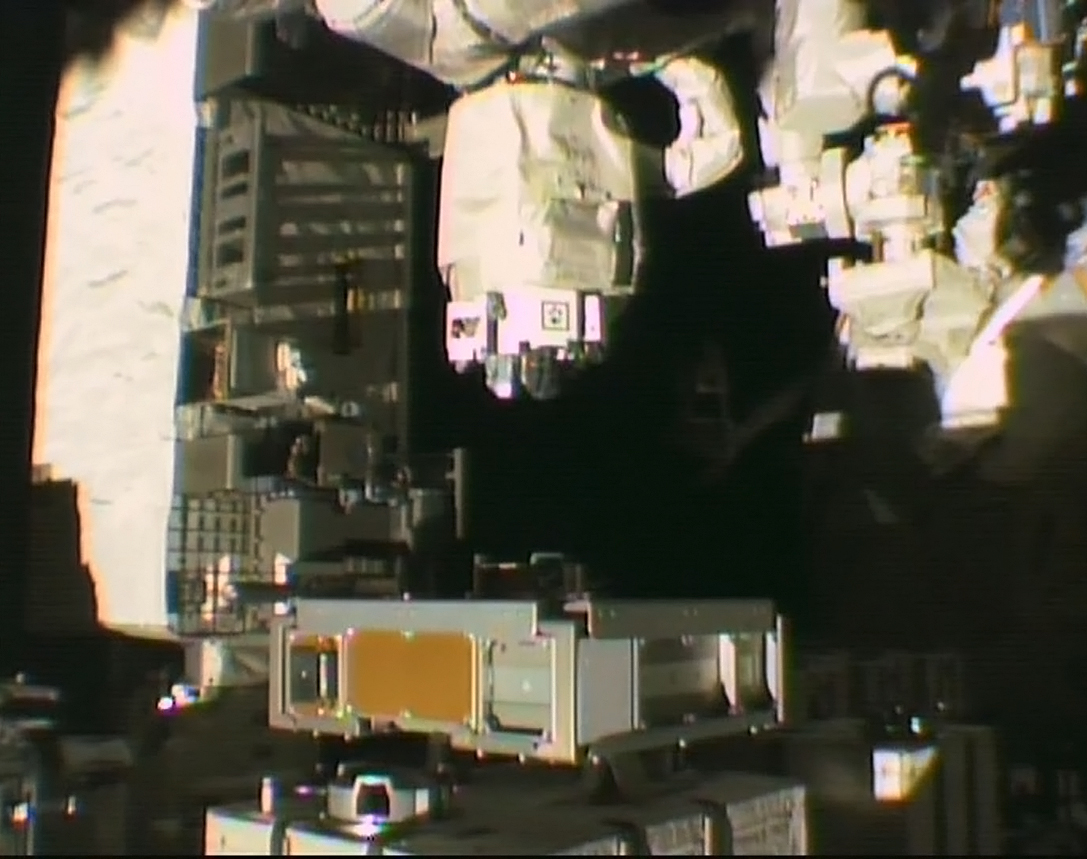
    On May 11, three CubeSats developed respectively by Kenya, Turkey, and Costa Rica were successfully and separately deployed from the Japanese Experiment Module “Kibo” at 7:30 and 7:40 p.m. After the deployment, radio waves were successfully received from the three satellites.

    写真
    写真

    CubeSat being deployed from “Kibo” (Credit: JAXA/NASA)

    “1KUNS-PF”–the first satellite of the Republic of Kenya

    This is a CubeSat developed by a team from the University of Nairobi, selected under
    the first KiboCUBE programme.
    KiboCUBE is the dedicated collaboration programme launched in September 2015 between the United Nations Office for Outer Space Affairs (UNOOSA) and JAXA, aiming to help improve space technology in developing and other countries. As a capacity-building initiative, the programme provides opportunities to deploy cube satellites (CubeSats) from the Kibo module of the International Space Station (ISS). The satellite, co-selected by UNOOSA and JAXA in August 2016, has been under engineering coordination with JAXA for launch and deployment, and marks the first satellite developed and operated by Kenya.

    “UBAKUSAT” of the Republic of Turkey

    In September 2016, JAXA and the Republic of Turkey’s Ministry of Transport, Maritime Affairs and Communications (MTMAC) concluded a cooperation agreement related to Kibo utilization for long-term exposure experiments using the Experiment Handrail Attachment Mechanism (ExHAM) (two times) and one CubeSat deployment using the JEM Small Satellite Orbital Deployer (J-SSOD).
    The deployment of the CubeSat (named “UBAKUSAT”) is based on the cooperation agreement, and aims to contribute toward the technological verification of newly developed VHF/UHF communications equipment (including a linear transponder for small satellites) and a verification experiment for space radiation measuring technology.

    “Irazu”–the first satellite of the Republic of Costa Rica

    The CubeSat named “Irazu” was developed by the Costa Rica Institute of Technology (TEC) and the Central American Association of Aeronautics and Space (ACAE), with technical cooperation being provided by the Kyushu Institute of Technology (Kyutech). Costa Rica’s first satellite is intended to demonstrate the communication satellite technology for collecting observation data on Costa Rica’s tropical forests and data on its climate, soils, and tree growth.

    The deployment of the three CubeSats above was witnessed by the Cabinet Secretary of Kenya’s Ministry of Education, Science & Technology, the Ambassador of Costa Rica, the Minister-Counselor of Turkey, and officials of the Japanese government at the Tsukuba Space Center.

    写真

    Officials involved in the programme celebrating the successful CubeSat deployment (Credit: JAXA)

    写真

    JEM Small Satellite Orbital Deployer (J-SSOD) of the Japanese Experiment Module “Kibo” with a CubeSat (Credit: JAXA)

    Related topics

    Successful Deployment of First Kenyan Satellite,
    selected as First KiboCUBE programme of UNOOSA and JAXA
    (May 11, 2018)
    The Republic of Turkey hands over its CubeSat “UBAKUSAT” to Japan. Launch preparation starts. Scheduled to be deployment during Astronaut Kanai’s stay onboard! (March 12, 2018)
    Costa Rica hands over to JAXA its first CubeSat “Irazu”, the first artificial satellite from Central America.
    Launch preparation starts. Scheduled to be deployment during Astronaut Kanai’s stay onboard!
    ~(March 12, 2018)
    List of deployed CubeSats using J-SSOD

    *All times are Japan Standard Time (JST)

    Let’s block ads! (Why?)
  • CubeSats for BIRDS-2 handed over to JAXA. Launch preparations completed!

    CubeSats for BIRDS-2 handed over to JAXA. Launch preparations completed!

    Last Updated:
    June 26, 2018

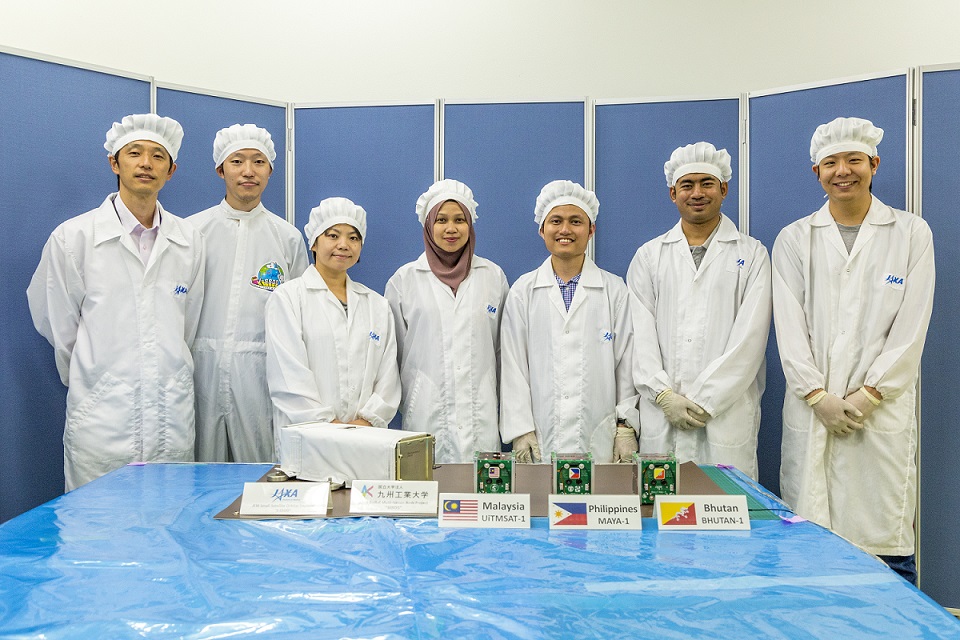
    On May 15, 2018, three CubeSats designed and developed in Japan by students from Bhutan, the Philippines, and Malaysia were handed over to JAXA at the JAXA Tsukuba Space Center, and started loading preparations for their launch.

    The CubeSats handed over this time are for the second round of the BIRDS Project* intended to deploy CubeSats from the Japanese Experiment Module “Kibo” in accordance with the strategic partnership agreement between JAXA and the Kyushu Institute of Technology, and are scheduled to be launched onboard the Dragon CRS-15 spacecraft (SpX-15) from Florida, USA.

    In the BIRDS-2 programme participated by four countries (Japan, Bhutan, the Philippines, and Malaysia), each country except Japan developed a small cube satellite 10 cm on each side (called a CubeSat) for a total of three CubeSats–“BHUTAN-1” (Bhutan), “MAYA-1 (the Philippines)” and “UiTMSAT-1” (Malaysia). Bhutan is going to launch its first satellite.

    *BIRDS project (Officially called the Joint Global Multi Nation Birds) is an international joint development and operations project of CubeSats, participated by the Kyushu Institute of Technology in Japan, and certain Asian and African nations. The three CubeSats handed over as mentioned above are for the second round of the programme.

    Representatives of member countries participating in the BIRDS-2 mission and JAXA officials taking a commemorative photo in front of the JEM Small Satellite Orbital Deployer (J-SSOD) and the CubeSats (Credit: JAXA)

    Related Links

    Successful deployment of five “BIRDS project” CubeSats from the “Kibo”

    *All times are Japan Standard Time (JST)

    Let’s block ads! (Why?)
  • [ Numerical simulation technology] "FaSTAR" won JSASS Technology Award


    404 Not Found

    Please click your browser’s Refresh button to try reconnecting, or follow links from sitemap to find the page.

    ページがみつかりません

    ページがみつかりませんでした。
    ページのリンクが無効になっているか、URLの入力ミスの可能性があります。
    ブラウザの「更新」ボタンで再読み込みをしてもみつからない場合は、サイトマップよりページをお探しください。

    Let’s block ads! (Why?)