Tag: JAXA

  • [Science & Basic] Numerical simulation technology


    We are steadily advancing fundamental numerical simulation technology and its peripheral technologies to meet the highest standards. Through this work, we aim to promote the practical application of numerical simulation technology and support projects within JAXA, as well as making greater contributions to the development and enhanced credibility of the aerospace field.

    Simulation example of high speed buffet
    on a 2D airfoil

    Simulation example of aircraft cabin noise

    Integrated simulation technologies

    We are developing a system called the Integrated Simulation System of Aerospace vehiCles (ISSAC), which will enable broader applications of numerical simulation by combining the technical knowledge of various fields vital to aircraft development.

    Combustion simulation technology

    To enable the frontloading of aeroengine design through the use of numerical simulation technology, we are working to unravel and model the physical phenomena that occur inside aeroengine combustors and develop a simulation software of aeroengine combustors with the developed models.

    FaSTAR-Move

    We are developing a numerical simulation tool called FaSTAR-Move, an extended version of the fast unstructured-grid flow solver FaSTAR. By expanding the functionality of FaSTAR and combining several modules, FaSTAR-Move enables to conduct simulations in new areas.

    Development of the world’s fastest high-efficiency CFD tool

    We build user-friendly simulation tools that improve work efficiency in various simulation scenarios by enhancing the reliability of high-efficiency CFD tools (HexaGrid/FaSTAR), increasing usability by adding more functions, and improving operability through a graphical user interface (GUI).

    Major simulation tools and softwares

    Numerical simulation software

    FaSTAR

    A fast unstructured-grid fluid flow solver that achieved the world’s highest level of computation speed. Mainly computes aerodynamic forces (e.g., drag and lift) that act on aircraft and launch vehicles.

    FaSTAR-Move

    An enhanced version of FaSTAR that employs overset grid methods to analyze flow fields around moving and deforming objects. FaSTAR-Move can simulate the relative movement of an object caused by the force it receives from airflow.

    BOXFUN (grid generation)

    A large-scale parallel grid generation tool. Enables large-scale grid generation by combining the Building-Cube Method with the Cartesian grid generation framework, and improving the quality of grids by incorporating the user’s manual operation into capturing feature lines.

    FBasis (mode decomposition)

    A tool for extracting the characteristics of a flow field based on input CFD results. Spatiotemporal patterns hidden in the input data are automatically extracted using the proper orthogonal decomposition (POD) and dynamic mode decomposition (DMD) methods. Can be applied to three-dimensional unsteady flow fields and other large-scale data that are difficult to analyze with conventional methods. Supports FaSTAR and Plot3D data formats.

    Optimization

    Heuristic Algorithm for Real-World Multi-Objective Problem and Needs (Harmonee)

    A toolset, or an aerodynamic optimization library, developed to enable the direct evolutionary computing for global optimization. According to the design problem at hand and the environment for solving it, an optimization method can be chosen: Harmonee-ea, which employs evolutionary algorithm for solving problems based on evaluation values obtained via direct simulation, or Harmonee-sa, which uses the approximate algorithm to reduce computation costs. Evolutionary computation is conducted using Non-dominated Sorting Genetic Algorithm-II (NSGA-II), a widely-used multi-objective evolutionary algorithm (MOEA), with additional algorithms developed and implemented to accommodate complex constraints. Compatible with FaSTAR.

    Test data processing software

    Flagship PSP data processing software

    Data processing software for the steady pressure-sensitive paint (PSP) data reduction. The steady PSP measurement can acquire steady pressure distribution over a given PSP painting surface. The PSP luminescence is measured by a CCD or CMOS camera. The steady pressure distribution is computed from a camera data using an unstructured surface grid in consideration of practical use. Equipped with an automatic processing function of over 100 cases registered in advance in a database.

    Unsteady PSP data processing software

    Data processing software for the unsteady PSP data reduction. The unsteady PSP measurement can acquire unsteady pressure variations by using a fast-response PSP with more than 1 kHz dynamic response. The PSP luminescence is measured by a high-speed camera. The unsteady pressure distribution is computed from the high-speed camera data using an unstructured surface grid in consideration of practical use. Features a time-series pressure computation function, time-series movie production function, and frequency analysis function based on fast Fourier transform (FFT).

    Noise source identification

    Noise source identification analysis tool

    A data processing tool for computing sound pressure distribution based on noise data measured using an array of numerous microphones (microphone array). Identifies the frequency characteristics and contribution of each sound source based on its location and sound pressure level.

    March 30, 2020

    Let’s block ads! (Why?)

  • [JAXA Aeronautics Magazine] FLIGHT PATH No.24 "Integrated simulation technology" Added

    Feature Story

    Challenges of Young Researchers

    Round table discussions in pursuit of the challenges set in the Fourth Mid-to-long-term Plan

    Integrated simulation technology

    ISSAC

    Tackling simulation of off-design flight conditions

    Nakakita: JAXA is developing an Integrated Simulation System of Aerospace vehiCles (ISSAC) to better address complex and multi-physics problems we face in designing and developing aircraft. ISSAC is a precursor to replace conventional aircraft design to a virtual-based one, which is verified by ground and flight test data. We can move one step closer to realizing virtual airframe design after we succeed to construct ISSAC. Our current focuses are on areas such as buffet, flutter, and water spray, and each area of research is pursued by a mixed group of experts specializing in computation and experimentation.

    Tsushima: I’ve worked on aeroelastic stability analysis focusing on flutter. Flutter is a phenomenon involving fluid-structure interaction, which sometimes leads to critical aircraft incidents. Therefore, evaluations of aeroelastic instability (flutter) play an important role in the design of an aircraft to ensure its safety. Flutter characteristics can be evaluated by wind tunnel experiments with wing models. These wing models must satisfy strict requirements in terms of structural and aeroelastic characteristics avoiding structural failure and producing flutter in the wind tunnel test environment. Due to the strict requirements, flutter wing models tend to be costly. The significant costs involved limit most observations to just below a flutter onset condition so that we don’t end up breaking the expensive models. So, my role in ISSAC is to establish a design and manufacturing technique for cost-efficient wing models by using additive manufacturing technology, which allows us to break as many models as we need to without worrying about costs.

    Ishida: I’m studying buffet. This phenomenon causes vibration in an airframe through the effect of turbulent airflow on its surface under certain conditions. I’m trying to understand this phenomenon and find a way to control it. Although buffet rarely occurs under normal flight conditions, we won’t be able to do a complete simulation without resolving it.

    Kubota: When landing or taking off on a heavy rainy day, water spray generated by a tire of an aircraft running on a flooded runway may negatively affect the airframe or engines. I’m working on numerical analysis for predicting that impact. While all aircraft must have the impact of water spray evaluated before they can be put on the market, very few manufacturers have published articles on this topic. Since this is an exploratory research, I was surprised, to be honest, when it was chosen as one of the themes for ISSAC. But I was grateful for the opportunity, and I work at it applying analysis methods used in other research.

    Kubota

    “I will use new fluid analysis technology most manufacturers have never seen in aircraft development”

    KUBOTA Kenichi
    Researcher, Numerical Simulation Research Unit

    Koga: I started working on water spray research with Kubota, and now I’m feeling the pressure to obtain high-accuracy verification data that is vital for developing the analysis tool. We need to clarify the type of experiment data by coordinating between numerical analysis and experiment. Kubota and I joined JAXA the same year, so I think we’re working pretty well together.

    Joy of exchanging ideas with people with different specialties

    Nakakita: A key to the success of ISSAC is coordination with different specialties, such as computational and experimental fluid dynamics. What do you find particularly enjoyable and fulfilling about working on this project?

    Ishida: I started participating in wind tunnel experiments after joining JAXA, and I learned firsthand how hard it is to obtain experiment data needed to verify numerical simulations. I now have a clearer idea of what data can be obtained and what can’t, so I guess I’m getting familiar with the point of view of experimental fluid dynamics.

    Kubota: The water spray research has been a ground-up effort, too. We work closely with the experiment team, starting from constructing experimental setups, and we’ve engaged in repeated discussions on what kind of data we can obtain.

    Koga: I get new insights by communicating with people from different teams. Right now, our water spray research is going through a process of trial and error. We bring all kinds of idea to the table, and it is a real joy when an experiment goes well.

    Tsushima: I specialize in aeroelasticity, which has not been actively studied in Japanese research community. I hope that my works will ignite aeroelastic research activities in Japan. Through the works, I can experience developments not only in aerodynamics but also in structures, which is pretty exciting. I also find it rewarding that my work contributes directly to developments of future aircraft.

    Tsushima

    “I would like to establish a novel approach for aerospace developments with aeroelastic design techniques, which has not been actively studied. ”

    TSUSHIMA Natsuki
    Researcher, Structures and Advanced Composite Research Unit

    Ishida: Since I do numerical simulations, I’m grateful for the access to JAXA’s wealth of computer assets, such as the JAXA Supercomputer System (JSS), and all the reference data it has. Buffet analysis is a challenging theme, even from an international perspective, and I see it as a major priority for JAXA’s numerical simulation research unit. It’s a great joy to be able to work on unraveling the buffet phenomenon harnessing the know-how cultivated by JAXA.

    Visualization of the mechanism of buffet occurring on an aircraft wing

    Comparison of a water spray generated by an aircraft tire in a running test (upper-left corner of the figure) and its numerical simulation

    Developing methods and tools that help the aviation industry advance

    Nakakita: We might see entirely new technologies come out of multidisciplinary integration and interdisciplinary collaboration.

    Tsushima: When I was in the US, I felt aircraft were something more accessible. Even students had an opportunity to engage in collaborative research with leading manufacturers, which led to the development of actual aircraft. In Japan, you don’t see many opportunities like that. As an aerospace researcher, I’ve always dreamed of an opportunity to engage in work that contributes to the development of better aircraft. I would also like to contribute to Japanese aerospace industries to enhance their development capabilities. Being involved in ISSAC, I feel that I have been really committed to what I want to. In my future works, I’d like to find a new method that can handle more sophisticated designs by combining aeroelastic techniques and additive manufacturing technology.

    Ishida: Currently, it can take a couple of weeks to complete a numerical simulation of buffet for FaSTAR, a high-speed fluid analysis program, using JSS. I’m thinking of developing a new method that will reduce the calculation time, a superior, easy-to-use tool that people will find indispensable, even outside ISSAC. I want to make something that will become an enabler for aircraft manufacturers, and a testament to JAXA’s technological prowess.

    Ishida

    “I want to create an indispensable tool for developers at manufacturers”

    ISHIDA Takashi
    Researcher, Numerical Simulation Research Unit

    Koga: ISSAC has given me an opportunity to see the great potential of multidisciplinary integrated research. By interacting with experts in various fields, I can broaden my horizons and develop a multifaceted perspective, which feed directly into my own research. In the future, I’d like to work on hypersonic aircraft that can connect the earth and space, which was my research theme at university.

    Koga

    “ISSAC has given me an opportunity to see the great potential of doing research with multidisciplinary integration”

    KOGA Seigo
    Researcher, Aerodynamics Research Unit

    Kubota: I think there are quite a few areas that are vital in placing aircraft on the market but that manufacturers find it difficult to spend a lot of money on, like water spray. Since JAXA is an aerospace research agency, I’d like to support the advancement of the aviation industry through achievements in those areas. It would be even greater if we could contribute something that can be applied beyond the aviation field, like behavior analysis of liquid fuel for reusable launch vehicles.

    Nakakita: I look forward to seeing integrated simulation advance, propelled by the members’ strong commitment, and produce results exceeding ISSAC’s initial plans.

    Nakakita

    “I hope the members’ strong commitment will lead to results exceeding ISSAC’s initial plans”

    NAKAKITA Kazuyuki
    Manager for Advanced Aerodynamic Technology Section
    Aerodynamics Research Unit

    logo

    “ISSAC’s logo (shown on the right) symbolizes ‘integration built on diversity,’ with the three colors representing diverse human resources with different expertise cooperating hand in hand. It’s great to see young researchers with diverse capabilities exchanging their ideas for ISSAC, embodying its philosophy in their day-to-day activities.”

    AOYAMA Takashi
    Director, Numerical Simulation Research Unit


    Feature Story
    Challenges of Young Researchers


    Let’s block ads! (Why?)

  • HTV8 media briefing at Tanegashima Space Center

    HTV8 media briefing at Tanegashima Space Center

    Last Updated: July 19, 2019

    HTV8
    (Credit: JAXA, photograped in the TNSC SFA2)

    On July 19th, the H-II Transfer Vehicle (HTV8) “KOUNOTORI8” was unveiled to media at JAXA’s Tanegashima Space Center (TNSC) along with the briefing of its upcoming mission. Many journalists gathered to take the opportunity to see the flight vehicle before launch with their eyes.

    In the briefing of HTV8 “KOUNOTORI8” mission, explanations were given in the following: the mission overview, major cargo to the ISS, the current preparation status for launch, also technology new demonstrations for future missions.

    • Hirohiko Uematsu, Director of HTV Technology Center, JAXA

    HTV8 “KOUNOTORI8” will be launched from Tanegashima Space Center (TNSC) after the final preparation phase for launch through the propellant loading, installation in the rocket fairing and integration with the H-IIB8 rocket.

    *All times are Japan Standard Time (JST. UTC + 9 hours)

    Let’s block ads! (Why?)

  • [Cooperation] The 15th Trilateral Meeting between DLR, ONERA, and JAXA held in Paris


    July 5, 2019

    The 15th Trilateral Meeting between DLR, ONERA, and JAXA held in Paris

    On June 18th 2019 during the Paris Air Show at Le Bourget, the 15th Trilateral Meeting between DLR (The German Aerospace Center), ONERA (The French Aerospace Lab), and JAXA (Japan Aerospace Exploration Agency) was held to promote collaborative research among the 3 organizations.

    DLR, ONERA and JAXA have been working closely together in aviation research for more than 15 years. In the Paris meeting, the executives from the 3 organizations reviewed the progress of joint researches, and exchanged ideas on the future areas of collaboration. A new agreement for trilateral cooperation on rotorcraft that will investigate optimization methods for the creation of a new generation of rotorcraft blades was also signed at the meeting.

    The next trilateral meeting is expected to be held in Berlin in May 2020 on the margins of the ILA Berlin Airshow. A technical workshop to foster information exchange amongst researchers from the 3 organizations is also being planned.

    July 5, 2019 Update

    Let’s block ads! (Why?)

  • World's first long-term habitation of mice on the International Space Station in a gravitational environment simulating the Moon! — A first step toward expanding human activities into deep space.

    World’s first long-term habitation of mice on the International Space Station in a gravitational environment simulating the Moon! — A first step toward expanding human activities into deep space.

    Last Updated:

    July 1, 2019

    You may believe that the entire space is “zero gravity.” The fact is not like that. The gravity on the Moon is about 1/6 of that on the Earth. A long-term rearing of mice was implemented in an environment simulating the Moon’s gravity on the microgravity environment inside the International Space Station (ISS). The Japanese Experiment Module (JEM) “Kibo” is expanding its fields of activities as a preliminary demonstration stage for human challenges to go farther into the space.

    Japan Aerospace Exploration Agency (JAXA)

    Summary

    • JAXA has developed a research platform, MARS (Multiple Artificial-gravity Research System)*1, capable of simulating gravitational environments of different celestial bodies such as the Moon and the Mars in the variable range of gravities (G) from 0G to 1G, and has installed it on board “Kibo”.
    • During JAXA’s fourth rodent research mission conducted in May/June 2019, mice were reared on board Kibo in an artificial gravity environment simulating the Moon’s gravity (about one sixth of that on the Earth) for the first time in the world. All the mice were successfully returned back to the Earth alive.
    • Working with the research team of the first JAXA rodent research mission (Principal Investigator: Professor Satoru Takahashi from University of Tsukuba), JAXA will analyze the specific behaviors of the mice in the one-sixth-gravity environment, comparing the data acquired during the fourth mission with those already obtained in the microgravity (µG) and artificial earth gravity (1G) environments.
    • Recently, international research activities, especially those in U.S.-Japan cooperation, are being accelerated to examine the physical adaptation of animals to environments of the Moon and the Mars under gravities lower than on the Earth with a view to conducting human space exploration in future. The success of the long-term habitat mission in a lower-gravity environment will allow Japan to become the first to provide the world with a research platform for such exploration.

    Mission Overview

    As a technical demonstration for international space exploration toward the Moon and the Mars, six wild-type mice were reared for 32 days from May 5 to June 5 of 2019 in a low-gravity environment simulating that on the Moon (about one sixth of the Earth’s gravity) and were all returned alive to the Earth on the 17th operational vehicle of the Dragon spacecraft (SpX-17). With this success, Japan has acquired the unique advantage that can provide opportunities for conducting experiments in various gravitational environments simulating gravities of more remote astronomical bodies in ISS/”Kibo” while it is orbiting 400 km above the Earth surface. In possession of the “MARS”*1 experimental facility capable of varying the gravitational load from µG to 1G in space, Japan is expected to lead the first step for accumulating fundamental biological data toward the international space exploration. An increasing number of missions for the international space exploration that use Kibo as a platform for technical demonstration are prospected.

    Motion video showing feed intake in different gravitational environments

    Under the artificial Moon gravity (artificial 1/6G) environment (Video 2), it was observed that the activities and physical behaviors of the animals varied clearly compared with those of the microgravity (μG) environment (Video 1) and artificial Earth gravity (1G) environment (Video 3).

    Microgravity (µG) and artificial Moon gravity (artificial 1/6G) in the fourth mission

    (Video 1) In the microgravity environment, a mouse accesses to the food bar with its body floating.

    (Video 2) In the Moon gravity environment, a mouse accesses to the food bar in flexible positions as its body takes time while falling from floating position but then it “lands” on the bottom floor of the cage.

    [Reference] Artificial Earth gravity environment (artificial 1G) in the first mission

    (Video 3) A mouse accesses to the food bar with its hindlimbs standing on the bottom floor of the cage as on the Earth.

    Mouse Habitat Unit (MHU)

    Related Topics

    References to JAXA rodent research mission

    Space missions

    Horie K et.al. Sci Rep. 2019 May 21;9(1):7654.
    Tominari T et.al. Sci Rep. 2019 Apr 29;9(1):6614.
    Mao XW et.al. Int J Mol Sci. 2018 Aug 28;19(9).
    Shiba D et.al. Sci Rep. 2017 Sep 7;7(1):10837.

    Ground-based preliminary studies

    Horie K et.al. Biochem Biophys Res Commun. 2018 Jun 27;501(3):745-750.
    Ishikawa C et.al. PLoS One. 2017 Jun 7;12(6):e0177833.
    Morita H et.al. J Physiol Sci. 2017 Jul;67(4):531-537.
    Shimbo M et.al. Exp Anim. 2016 May 20;65(2):175-87.
    Tateishi R et.al. PLoS One. 2015 Oct 29;10(10):e0141650.
    Morita H et.al. PLoS One. 2015 Jul 29;10(7):e0133981.

    Contact point

    For more information or any questions of the JAXA rodent research mission in “Kibo”, please contact us at the following email address.

    Kibo Utilization Promotion Office

    *All times are Japan Standard Time (JST)

    Let’s block ads! (Why?)

  • Four CubeSats successfully deployed from "Kibo"!

    Four CubeSats successfully deployed from “Kibo”!

    Last Updated:

    June 25, 2019

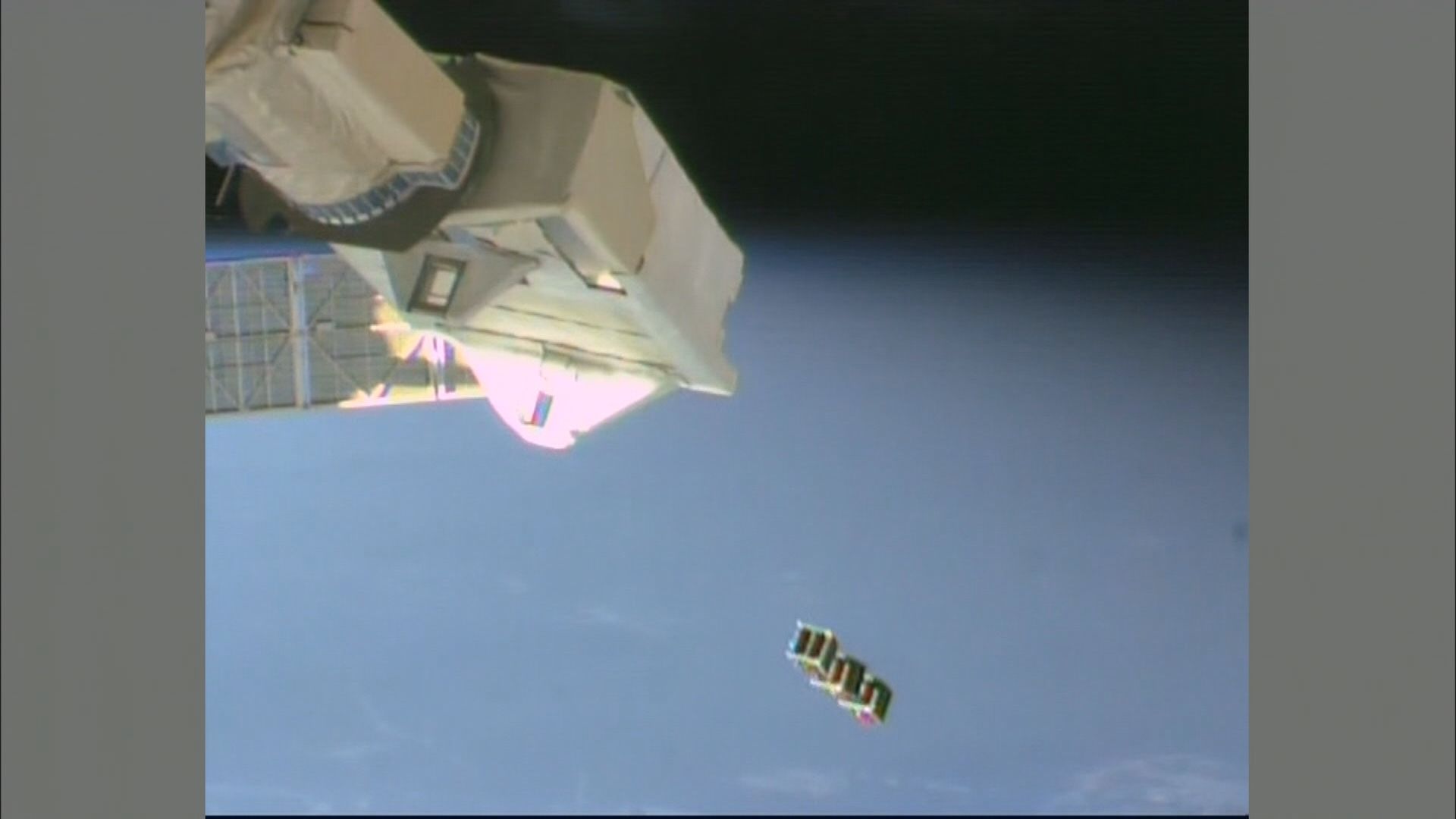
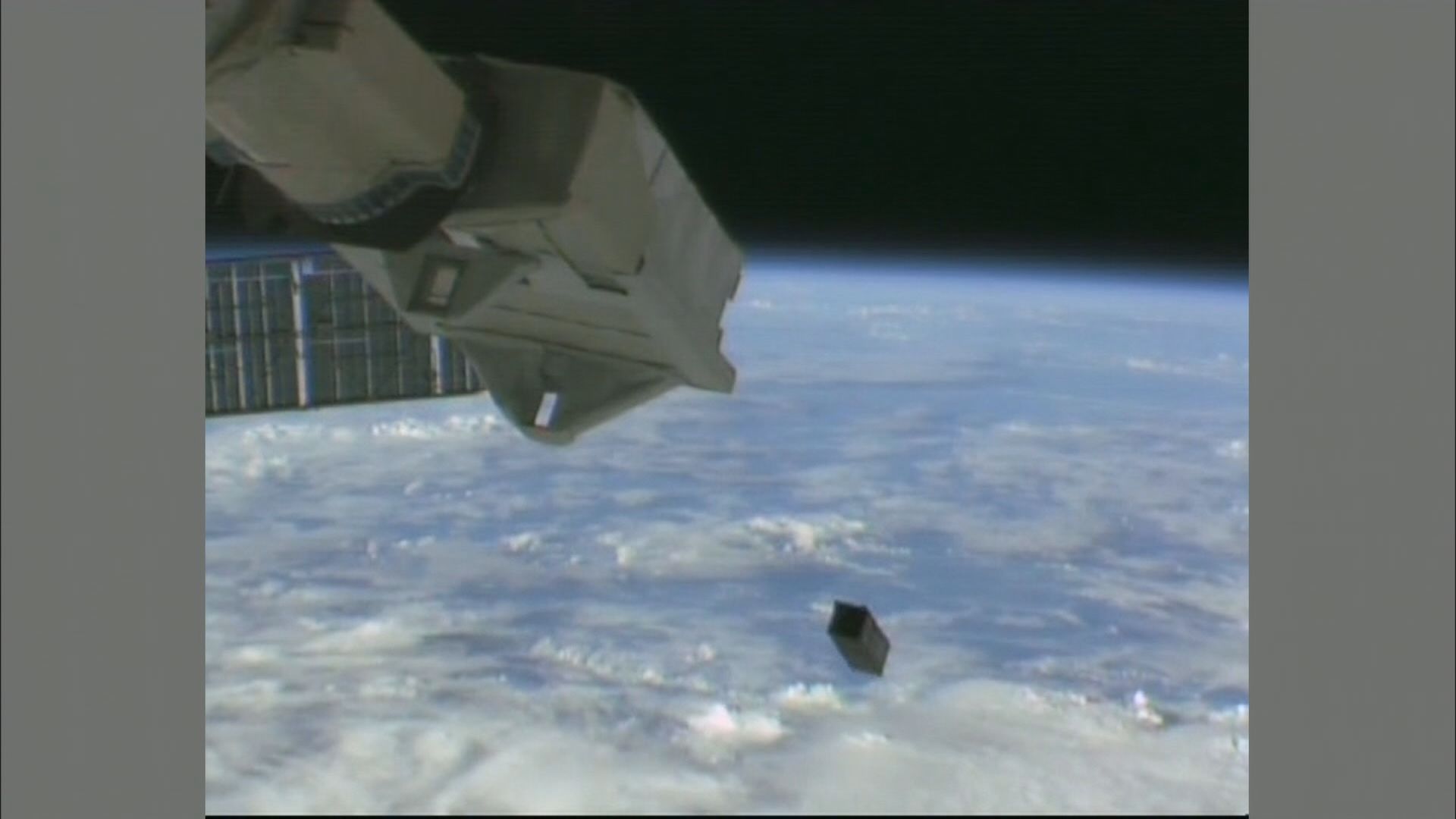
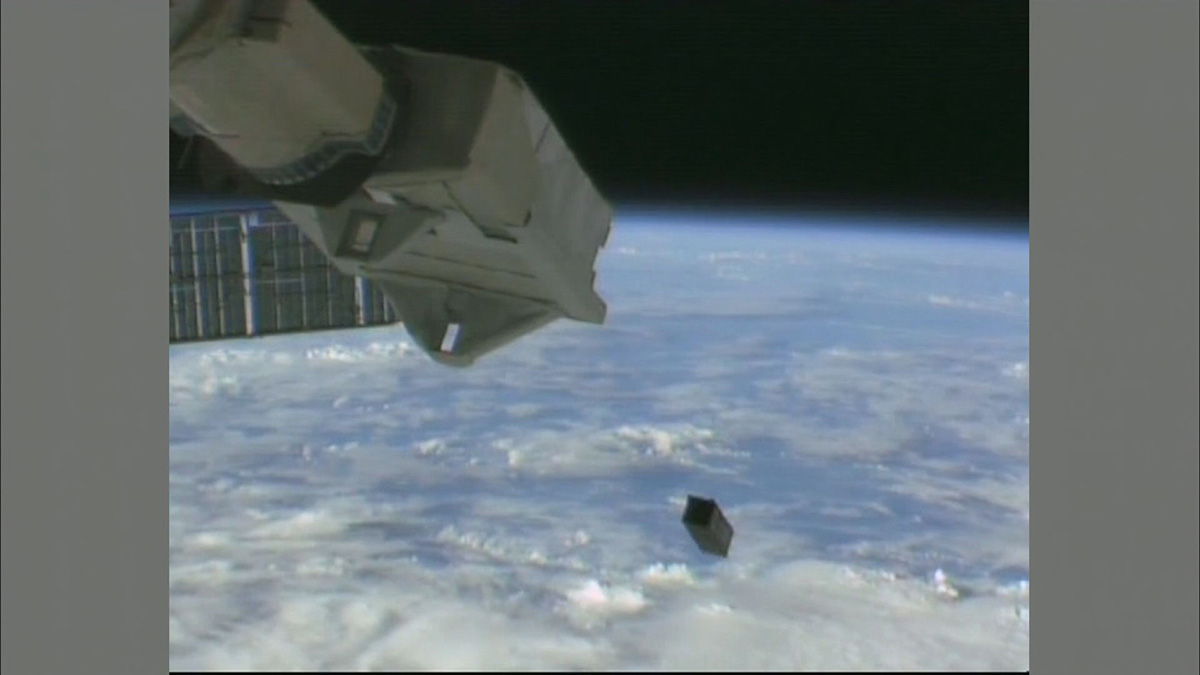
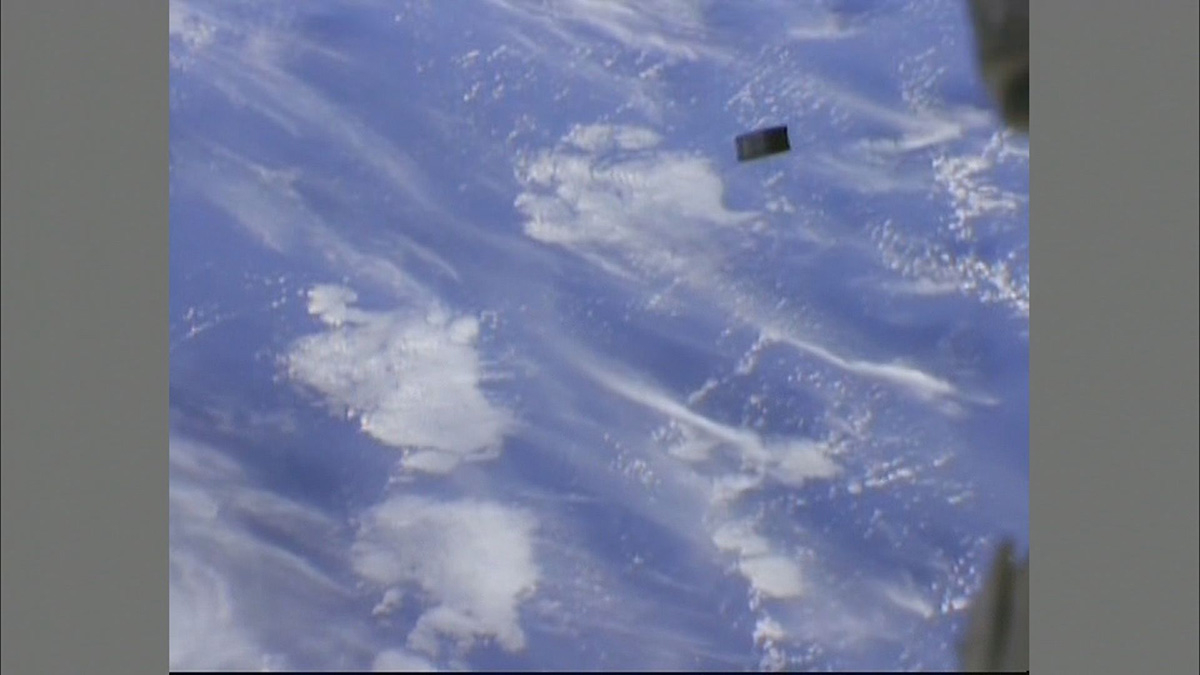
    On June 17, four CubeSats were deployed from the Japanese Experiment Module (JEM) “Kibo”: NepaliSat-1 co-developed by the Nepal Academy of Science and Technology (NAST) and the Kyushu Institute of Technology (Kyutech), Raavana-1 co-developed by the Arthur C Clarke Institute of Modern Technologies (ACCIMT), Sri Lanka, and Kyutech, Uguisu developed by Kyutech, and SpooQy-1 co-developed by the Singapore Space and Technology Association (SSTA) and the National University of Singapore.

    写真:より大きな写真へ 写真:より大きな写真へ

    The pictures show how the CubeSats were deployed (Credit: JAXA/NASA)
    Left:Uguisu,Raavana-1,NepaliSat-1,Right:SpooQy-1

    写真:超小型衛星の放出成功を喜ぶ関係者

    The people concerned with the projects in joy at the successful deployments of the CubeSats (Credit: JAXA)

    *1 BIRDS Project(Officially called the Joint Global Multi Nation Birds)is an international joint development and operations project of CubeSats, participated by the Kyushu Institute of Technology in Japan, and certain Asian and African nations. The three CubeSats handed over as mentioned above are for the second round of the programme.
    The three CubeSats handed over to JAXA this time are for the third round of the BIRDS Project (“BIRDS-3”). Japan, Sri Lanka, and Nepal participated in this round of the programme, developing a CubeSat for each in about 12 months, a small cube-shaped satellite with 10 cm on each side. They named their CubeSats Uguisu (Japan), Raavana-1 (Sri Lanka), and NepaliSat-1 (Nepal), among which the last two are the first satellites of the countries.

    *2 Agreement with the Singapore Space and Technology Association (SSTA)
    An agreement signed between the Singapore Space and Technology Association (SSTA) and JAXA on utilization of the JEM “Kibo”. The CubeSat named SpooQy-1 has been designed and developed by the National University of Singapore.

    Related Topics

    BIRDS-3 Project
    The SpooQy Lab
    Pre-launch operations begin for deploying four CubeSats from ISS(March 4, 2019)
    Three CubeSats successfully deployed from “Kibo” as part of BIRDS Project!(August 17, 2018)
    CubeSats for BIRDS-2 handed over to JAXA. Launch preparations completed!(June 26, 2018)
    The “Kibo” utilization of Singapore begins~ SSTA and the JAXA signed a fee-based agreement to deploy small satellites from “Kibo” ~(November 20, 2017)
    Successful deployment of five “BIRDS project” CubeSats from the “Kibo”(July 7, 2017)
    List of deployed CubeSats using J-SSOD

    *All times are Japan Standard Time (JST)

    Let’s block ads! (Why?)

  • Protein Crystal Growth Experiment of Thailand will start! – Aiming for the development of a new antimalarial medicine –

    Protein Crystal Growth Experiment of Thailand will start! – Aiming for the development of a new antimalarial medicine –

    Last Updated:

    June 18, 2019

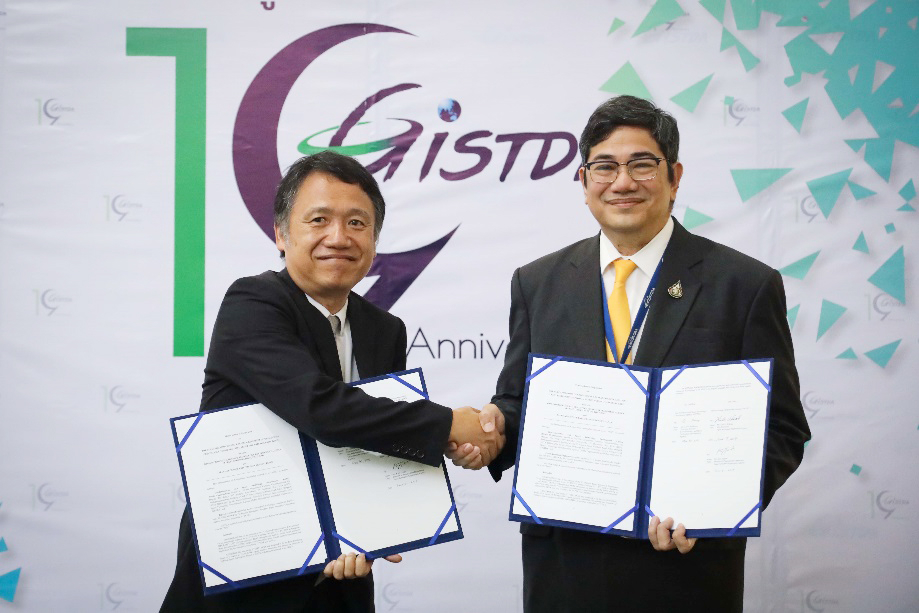
    GISTDA (Geo-Informatics and Space Technology Development Agency)and JAXA signed an agreement to conduct Thailand’s first space experiment: The PROTEIN CRYSTAL GROWTH EXPERIMENT on the International Space Station.
    On June 17, 2019, both Dr. Anond Snidvongs, Executive Director of GISTDA, and Mr. Masanobu Tsuji, Director of JAXA Bangkok Office, complimented the start of this cooperative venture utilizing “Kibo”.

    Fig 1. Mr. Masanobu Tsuji, Director of JAXA Bangkok Office (left) and
    Dr. Anond Snidvongs, Executive Director of GISTDA (right) (Credit: GISTDA/JAXA)

    The purpose of this experiment is to grow high quality crystals of the target enzymes using JAXA’s high quality protein crystal growth technology. The crystals will be used to conduct precise structural analysis of enzymes, which are important for the development of a new antimalarial medicine. Since Malaria is a serious disease in equatorial countries that infects more than 200 million people and kills more than 400,000 people each year, the development of new medicine is necessary. The Principal Investigator is Dr. Chairat Uthaipibull of NSTDA (National Science and Technology Development Agency).

    This collaboration is possible due to JAXA’s high quality protein crystal growth technology which is appreciated by Thailand. With this opportunity, we hope that Thailand and Japan’s collaboration of “Kibo” will contribute to the development of space utilization technology in the Asian region and to the development of beneficial cooperation between space agencies.
    JAXA is greatly honored to contribute toward SDGs (Sustainable Development Goals) through this collaborative experiment with GISTDA and NSTDA.

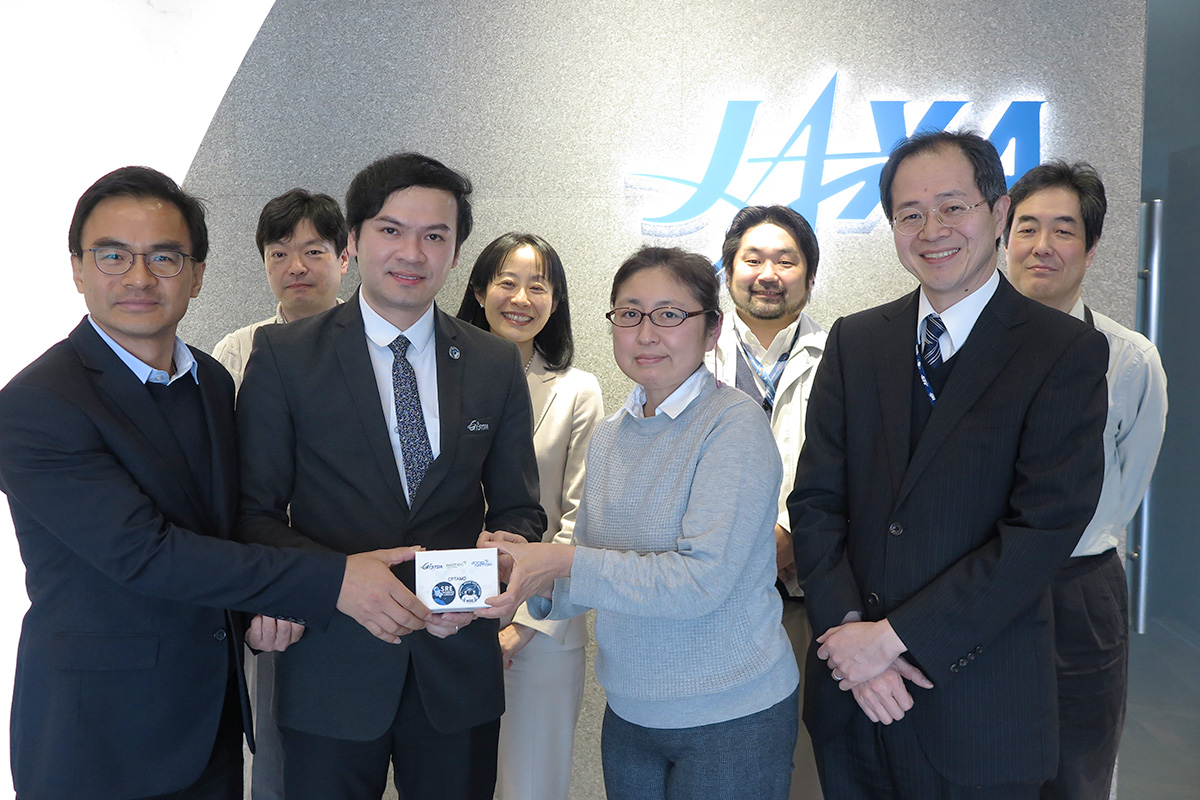
    Fig 2. Research team of Japan and Thailand (Credit: JAXA)

    Fig 3. Protein sample delivered from Thailand (Credit: JAXA)

    Currently, the optimization of crystallization conditions is carried out for Thai protein samples to be suitable for space experiments. After optimization, it will be sealed in a crystallization vessel and transported to the NASA Kennedy Space Center under temperature control. It will be launched to “Kibo” by SpX-18 in July 2019 and the experiment will begin.

    Comment by Dr. Ammarin Pimnoo, Project Manager of National Space Exploration (NSE), GISTDA

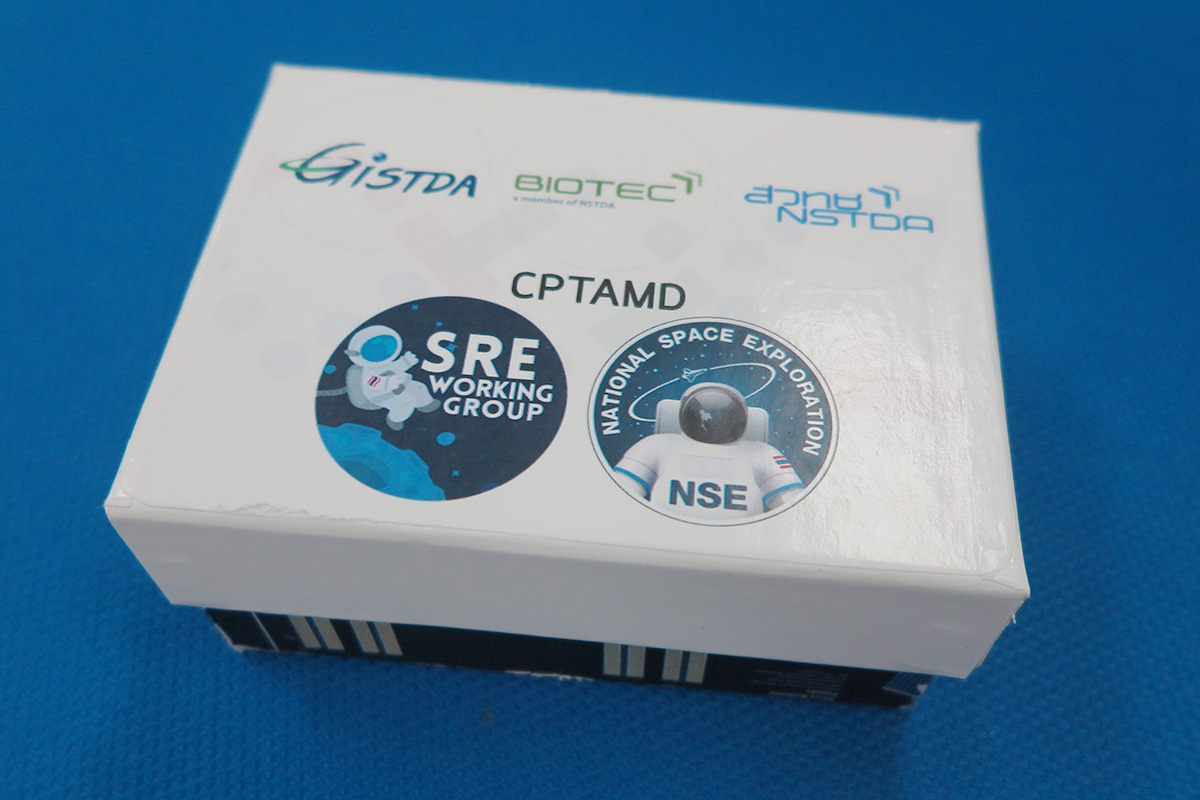
    National Space Exploration (NSE), an integrated project of Geo-Informatics and Space Technology Development Agency (GISTDA) has conducted a space experiment with the National Center for Genetic Engineering and Biotechnology (BIOTEC) under the National Science and Technology Development Agency (NSTDA) for the Crystallization of Protein Target for Anti-Malarial Drug (CPTAMD) by cooperation with the Japan Aerospace Exploration Agency (JAXA). NSE/GISTDA would like to leverage the space science research for Thailand and hopefully this Protein Crystallization in Space of BIOTEC/NSTDA collaborated with GISTDA will be utilized to develop an Anti-Malaria Drug for Thai people and all humankind. Moreover, the space experiment will be awareness for Thai scientists and researchers as well as Startups to understand and figure out an opportunity of space utilization.

    Let’s block ads! (Why?)

  • Successful Deployment of SpooQy-1 from Kibo!

    Successful Deployment of SpooQy-1 from Kibo!

    Last Updated:

    June 18, 2019

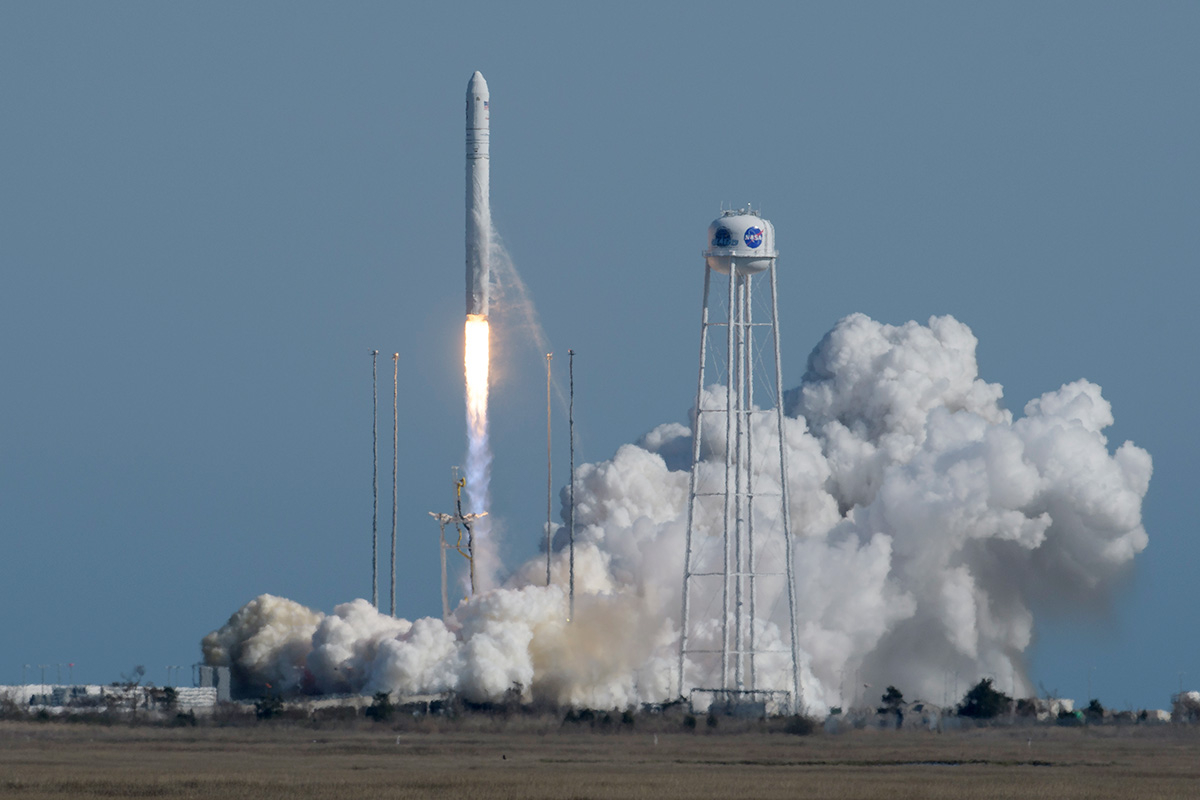
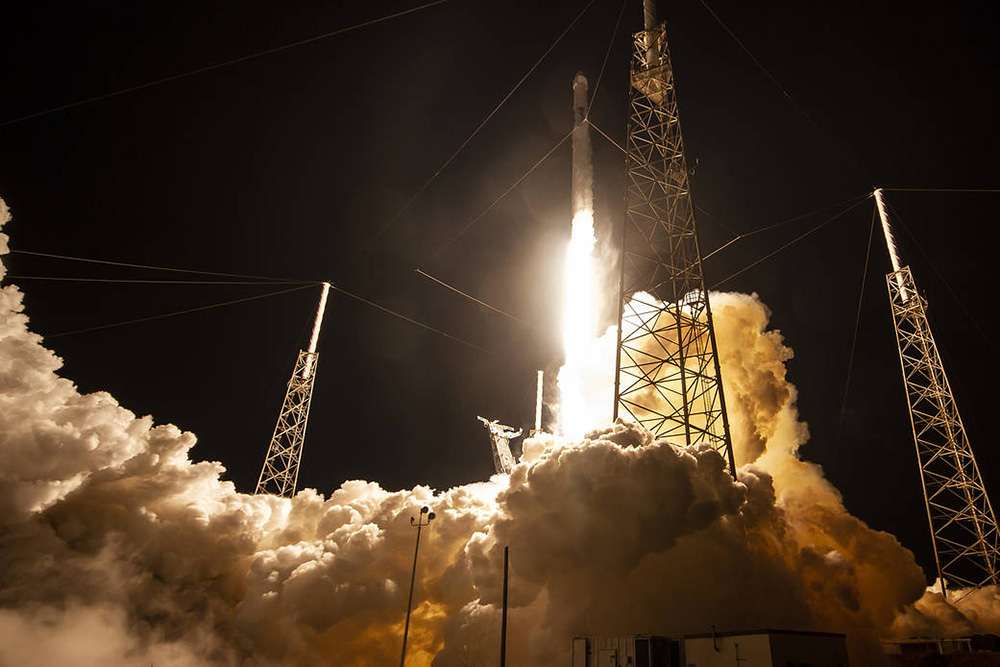
    A CubeSat (‘SpooQy-1‘) developed by students of the National University of Singapore (NUS) was launched to the International Space Station (ISS) aboard the Cygnus NG-11 cargo vehicle on April 17, 2019 from the Wallops Flight Facility.

    Fig 1. The Northrop Grumman Antares rocket with NG-11 (Credit: NASA)

    The purpose of SpooQy-1 is to continue the orbit demonstration experiment by installing the source of the polarization-entangled photon pairs on the satellite for future innovations in satellite communication technology.

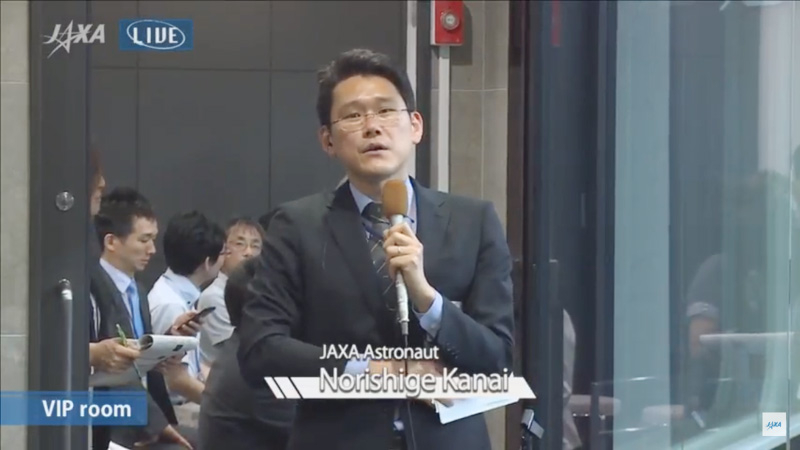
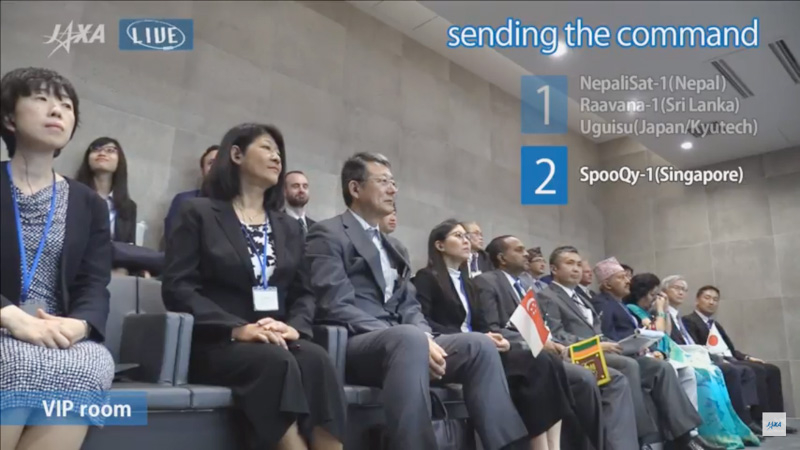
    On June 17, the SpooQy project team from NUS and staff of the Singapore Space and Technology Association (SSTA) visited the Tsukuba Space Center to observe the moment of deployment from the Mission Control Room (MCR). While they were waiting for the historic moment in the VIP room behind the MCR, Astronaut Kanai introduced an overview of the ISS and the JEM Small Satellite Orbital Deployer (J-SSOD).

    Fig 2. JAXA Astronaut Norishige Kanai (Credit: JAXA)

    There were two chances for deployment. The first deployment was dedicated to the three satellites from the BIRDS-3 Project. SpooQy-1 was scheduled for the second deployment.

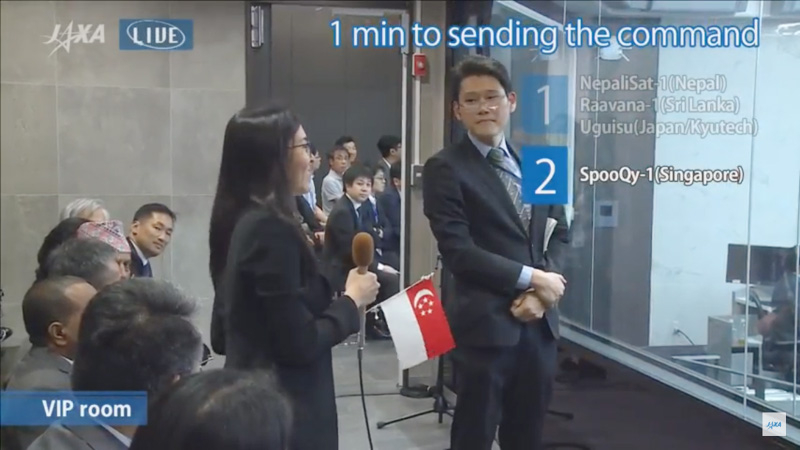
    Following the successful first deployment, the Singapore team had tense looks on their faces as the JAXA Flight Director asked the Singapore team whether to GO. The Singapore representative said GO!

    Fig 3. JAXA Astronaut Norishige Kanai and Singapore Representative (Credit: JAXA)

    On JAXA Flight Director’s GO, countdown started, and the JAXA Flight Control Team sent a command to the ISS for deploying SpooQy-1 from the J-SSOD.

    Fig 4. Visitors at VIP room (Credit: JAXA)

    Fig 5. Deployment of SpooQy-1 from Kibo (Credit: JAXA)

    Then voice communication between the ISS crew and the MCR reported, ‘congratulations, all the deployment was successful’. The SpooQy-1 project team screamed in joy!

    Comment of Mr. Jonathan Hung, SSTA President

    JAXA and SSTA have been expanding their continuing partnership through the proliferation of new projects and collaborations. As the industry advances and nano satellites become of increasing interest and are more widely used, we aim to help our partners and industry players become game changers. Our focus is on bringing innovation and creation to reality, impacting generations to come. The successful launch of SpooQy-1 marks a new frontier achieved in Singapore’s space research, and further cements our strong relationship with JAXA.

    Reference

    The CubeSats for SpooQy-1 handed over to JAXA. Launch preparation is going well! (March 8, 2019)
    The “Kibo” utilization of Singapore begins~ SSTA and the JAXA signed a fee-based agreement to deploy small satellites from “Kibo” ~ (November 20, 2017)

    Let’s block ads! (Why?)

  • Malaysian Material Exposure Experiment Started On-orbit ISS!

    Malaysian Material Exposure Experiment Started On-orbit ISS!

    Last Updated:

    June 14, 2019

    Researchers from the Universiti Putra Malaysia (UPM) and the National Space Agency of Malaysia (ANGKASA) launched an experiment to the International Space Station (ISS) via SpaceX Dragon CRS-17 cargo spacecraft aboard the Falcon-9 rocket from the US Air Force Base in Cape Canaveral, Florida, at 2:45am (EDA)–2:45pm Malaysia time or 3:45pm Japan Standard time on May 4, 2019.

    Fig 1. SpaceX Dragon CRS-17 Launch (Credit: NASA)

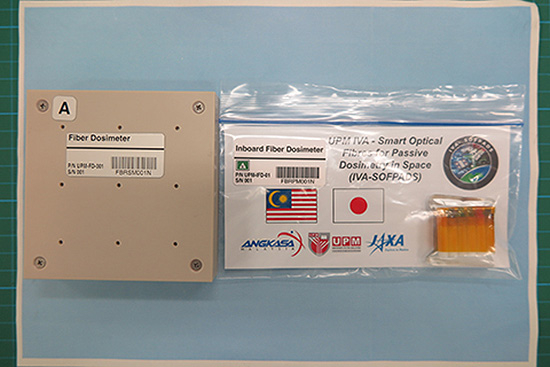
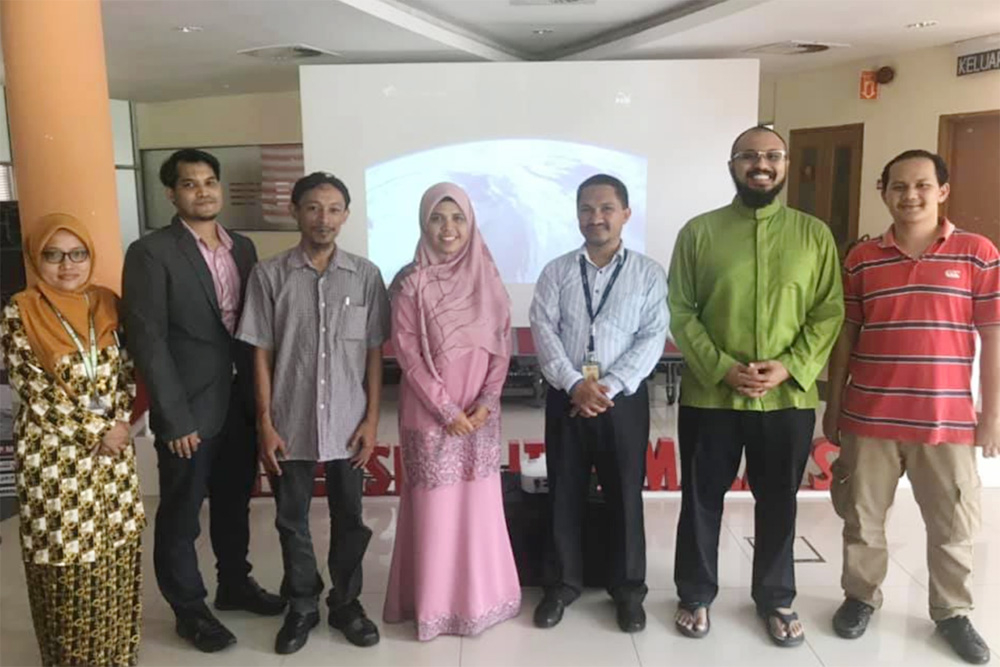
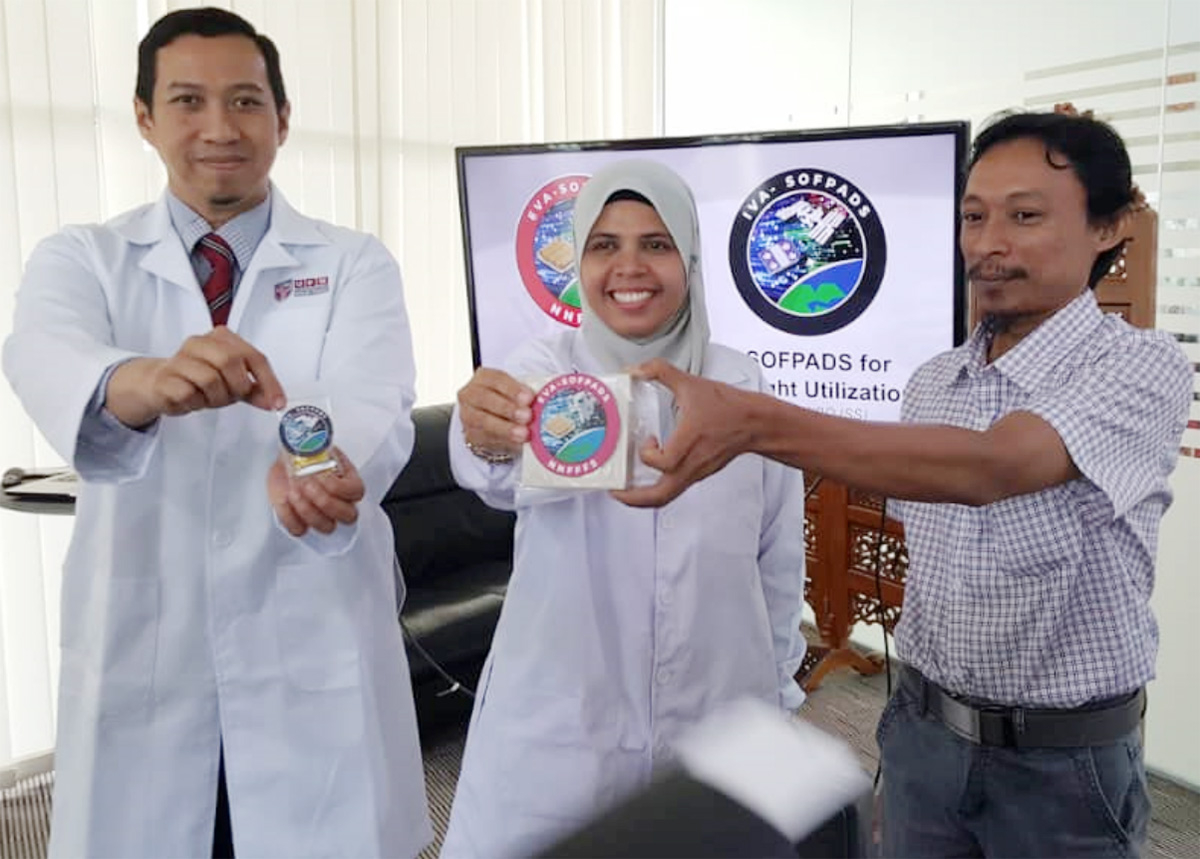
    The research was titled “Smart Optical Fibres for Passive Dosimetry in Space” (SOFPADS), which was handed over to JAXA on November 2, 2018.

    SOFPADS is a set of passive dosimeters using optic fibres and it consists of two samples, namely E-SOFPADS and I-SOFPADS. They are intended to measure the radiation in outer space as an initial step to observe the reaction of radiation on optic fibres in a microgravity environment. In the future, it might be used as a radiation ray detector in outer space. The results from this investigation could also benefit people on Earth as it may lead to new knowledge and methods of dose monitoring from radiation exposure, including at nuclear power plants, industrials, environmental and in cancer treatment centers.

    Fig 2. SOFPADS (Credit: JAXA)

    I-SOFPADS is combined with JAXA Passive Dosimeter for Life-Science Experiments in Space (PADLES) for comparative analysis. On May 8, 2019, I-SOFPADS was moved from SpaceX Dragon CRS-17 to ISS and was placed in its designated storage location inside Kibo module. It will stay there for about 300 days until it returns to Earth.

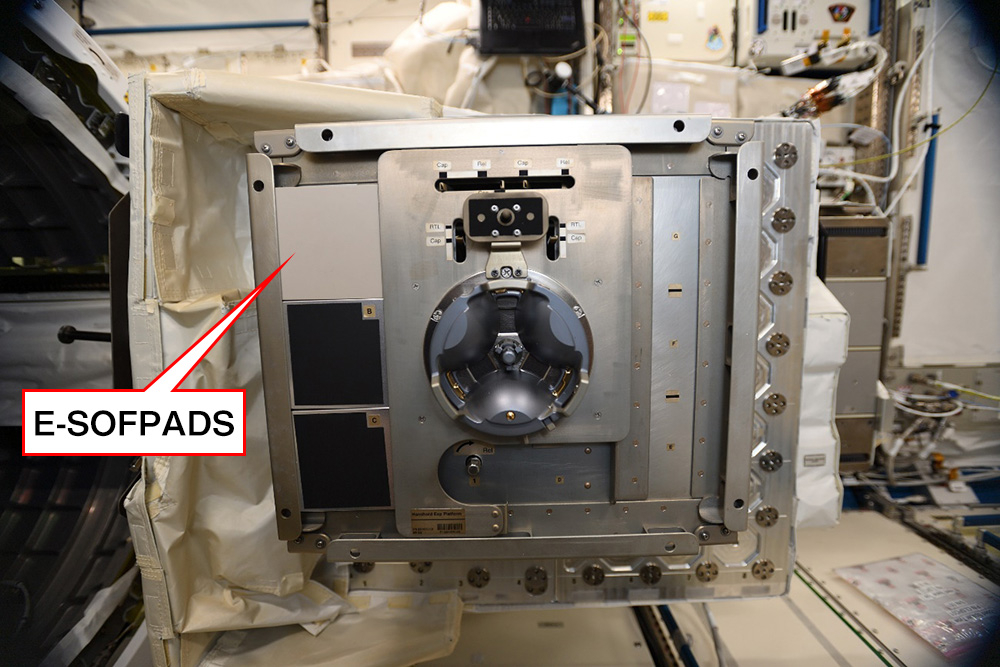
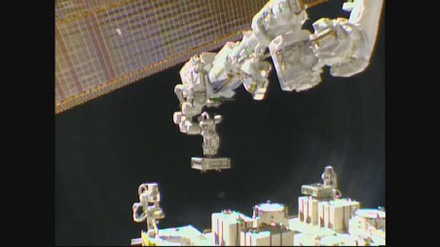
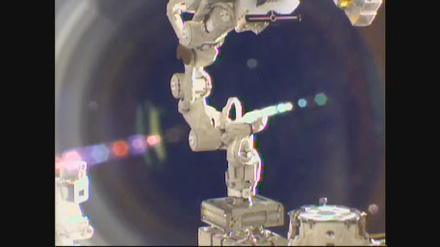
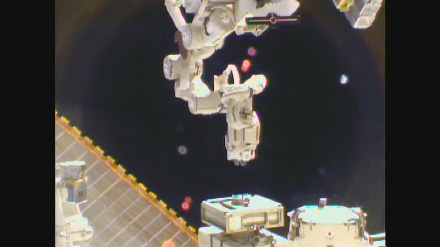
    E-SOFPADS is developed as an experiment module to ExHAM platform, for studying the performance of a proposed fabricated optical fibre as a potential space radiation passive dosimeter based on thermoluminescence (TL) response. On May 24, E-SOFPADS was placed on ExHAM platform No.2 (ExHAM #2) by the ISS crew. On May 30, ExHAM #2 was successfully attached to the handrail on Exposed Facility of Kibo module and exposure experiment started at this time. The term of the experiment will be about one year.

    Fig 3-1. E-SOFPADS/ExHAM (Credit: JAXA)

    Fig 3-2. ExHAM on Exposed Facility of Kibo module (Credit: JAXA)

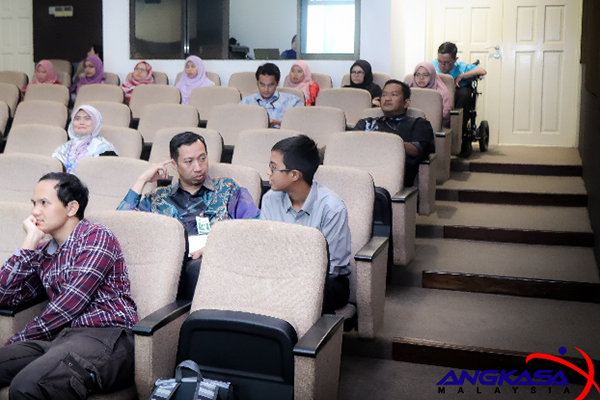
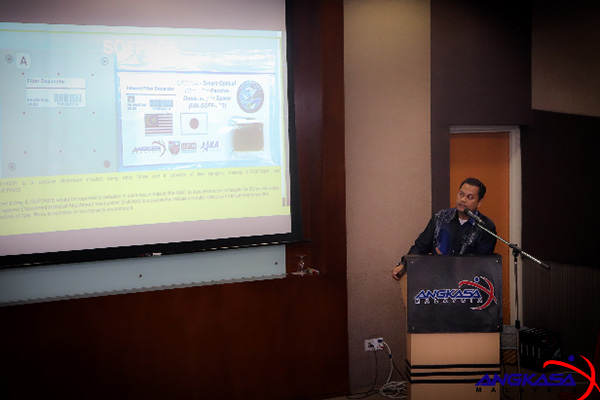
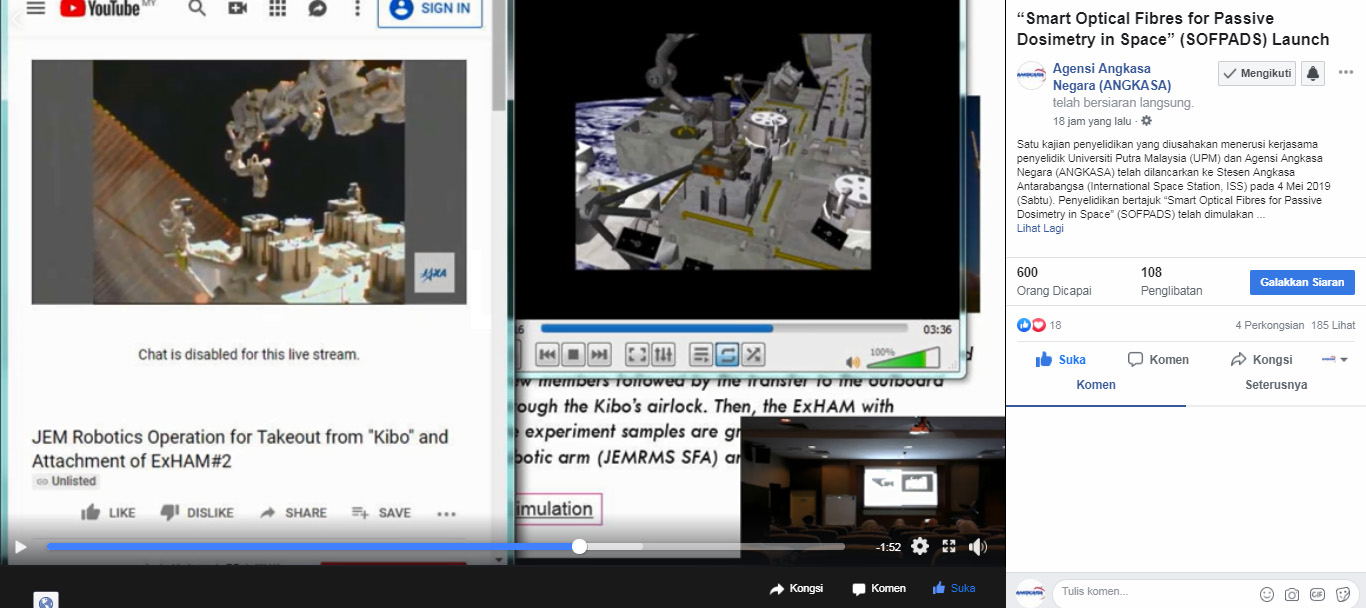
    ANGKASA, Banting Selangor held a Witness Ceremony of SOFPADS Attachment on Kibo-Exposed Facility while ExHAM was set at Kibo Exposed Facility. The ceremony took place at 15:00 (GMT+8) which attended by researchers from UPM and ANGKASA’s staff. The ceremony was started with a briefing on SOFPADS project, Kibo and ExHAM. The event was also covered by “Agensi Angkasa Negara FB live”.

    Fig 4. Witness Ceremony of SOFPADS Attachment on JEM-Exposed Facility at ANGKASA, Malaysia (Credit: ANGKASA)

    Fig 5. Live feed from ANGKASA FB (Credit: ANGKASA)


    Dr. Noramaliza Mohd Noor (Credit: UPM)

    Commenting to this event, Dr. Noramaliza Mohd Noor said “This is the most awaited time by our research group members to see our sample was finally attached to handrail on Exposed Facility of Kibo module and orbiting high above the atmosphere! At the same time, we also feel relieved because the second phase of the E-SOFPADS experiment already started.” Now, we have to wait for another 300 days for the samples back to us, before we can start another most excited and crucial part of this experiment i.e. data analysis.

    She also said, if the results of E-SOFPADS test returns positive, definitely it has a potential to be used as alternative personal and environment dose monitoring for space radiation dosimetry in future.


    Dr. Fathinul Fikri Ahmad Saad, Associate Professor at Faculty of Medicine and Health Sciences, also added that this event marked a very important phase in the translational molecular imaging research in space medicine and biology in our country. The study of radiation effect on human physiology and the understanding of the emergency of molecular changes that underpin inflammatory cells as precursor to the non-communicable diseases in the space microgravity environment will be unfolded.

    Fig 6. Witness ceremony of SOFPADS launch to ISS event in UPM, Malaysia
    (Credit: UPM)

    Fig 7. SOFPADS UPM researchers during press release in UPM Malaysia. From the left Dr. Noramaliza Mohd Noor, Dr. Fathinul Fikri Ahmad Saad and Dr. Nizam Tamchek (Credit: UPM)


    Mr. Mohd Helmy Hashim (Credit: ANGKASA)

    Thanks God SOFPADS was successfully deployed on the Kibo-Exposed Facility. This success also means Malaysia has stepped out of its normal research capability and capacity. This success also means Malaysia has moved another one step ahead in the field of research in space.” said Mr. Mohd Helmy Hashim, ANGKASA. It is also hoped that SOFPADS mission will continue to run smoothly to complete its mission for 300 days in space. Through this launch mission, the Malaysian has also been given direct opportunity to know how space mission has been executed in ISS. The most interesting is it was about Malaysia and how it was achieved through cooperation with various parties including Japan.

    Let’s block ads! (Why?)

  • Conducted the world's first "Mission to elucidate a gateway where pathogens and immune cells are likely to enter the central nervous system using inflammatory disease model mice". Accomplished 4 consecutive missions with 100% successful live return.

    Conducted the world’s first “Mission to elucidate a gateway where pathogens and immune cells are likely to enter the central nervous system using inflammatory disease model mice”. Accomplished 4 consecutive missions with 100% successful live return.

    Last Updated:

    June 11, 2019

    After completing long-term habitation of JAXA’s 4th “Mouse habitat mission” (32 days from May 4 to June 4), which has been performed in the Japanese Experiment Module “Kibo”, the mice were accommodated in return cages and returned to the west coast of the United States by the 17th operational vehicle of the Dragon spacecraft (SpX-17). On June 5, the return cages were handed over from NASA to JAXA in the United States, and then living condition of all mice was confirmed. Detailed analysis will be performed from now on. (All dates are Japan Standard Time, JST)

    Main experimental theme

    “Characterization blood vessel gateway formation and molecule expression at dorsal vessels of spinal cords by gravity stimulation (Gravity Gateway Reflex)” (Principle investigator: Masaaki Murakami, Professor and Director of Institute for Genetic Medicine, Hokkaido University)

    Overview

    A long-term habitation of inflammatory disease model mice, into which cells inducing inflammation in the central nervous system were transferred, was conducted on the International Space Station. The long-term habitation of such inflammatory disease model mice in space, as well as live return of all of them is the world’s first achievement.

    Related Links

    Institute for Genetic Medicine, Hokkaido University
    Mouse Habitat Unit (MHU)

    *All times are Japan Standard Time (JST)

    Let’s block ads! (Why?)

  • Dr. Kubota of JAXA/EORC got the Gambo-Tatehira Award from the Meteorological Society of Japan in 2019

    Jun 5, 2019
    EORC/JAXA

    Dr. Kubota of JAXA/EORC got the Gambo-Tatehira Award from the Meteorological Society of Japan in 2019

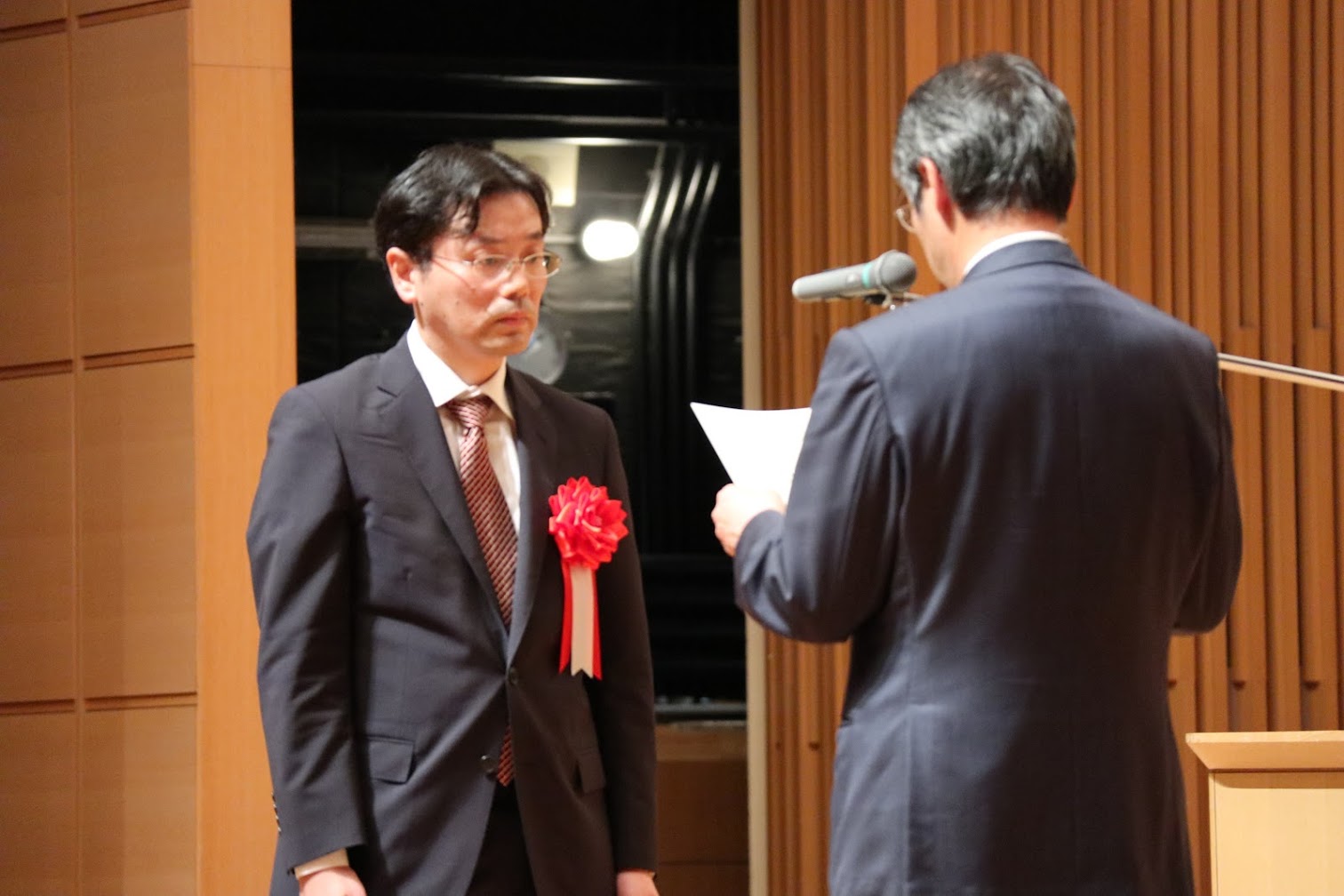
    Dr. Takuji Kubota, Associate Senior Researcher of JAXA/EORC, got the the Gambo-Tatehira Award from the Meteorological Society of Japan (MSJ) in 2019 together with Dr. Kazumasa Aonashi from JMA Meteorological Research Institute, as “Achievements related to development of global precipitation map by satellite observations and promotion of its applications in society”.

    It was the first time that a JAXA researcher got an award from the MSJ.

    Award Ceremony (16th May 2019 @ National Olympics Memorial Youth Center)

    Award Ceremony (16th May 2019 @ National Olympics Memorial Youth Center)

    Award Ceremony (16th May 2019 @ National Olympics Memorial Youth Center)

    The Global Satellite Mapping of Precipitation (GSMaP) which is the main achievement of the award is the high-accurate and high-resolution precipitation data provided in near real time. The GSMaP is generated by mainly using Global Precipitation Measurement (GPM) core satellite as well as microwave radiometer data such as GCOM-W/AMSR-2 by JAXA and geostationary satellite data such as Himawari by Japan Meteorological Agency. After the GSMaP website opened to the public in November 2017 as “JAXA Global Rainfall Watch“, registered users have been spread 121 countries and regions over the world. Its utilization is not only for rainfall monitoring but also for flood prediction, drought monitoring, agricultural purposes so on (details are described in the utilization book).

    Image of GSMaP at 00UTC, May 17th, 2019.

    Image of GSMaP at 00UTC, May 17th, 2019.

    Let’s block ads! (Why?)

  • [Collaboration] Cooperation with overseas organizations


    Cooperation with overseas organizations

    As Japan’s public aeronautical R&D institution, JAXA Aeronautical Technology Directorate (ATD) aims to contribute to the enhancement of Japan’s global competitiveness in aviation industry, the realization of secure society through enhanced air transportation safety, and the creation of future air transportation breakthroughs.

    In order to achieve these objectives, JAXA ATD is strengthening its technical capabilities by closely working with overseas public aeronautical research institutions, private companies, and universities, engaging in a variety of mutually beneficial and complementary joint research activities, ranging from fundamental research to flight tests that demonstrates promising new technologies in real flight environments. Through these international collaborations with global partners such as NASA, JAXA researchers gain valuable new insights and knowledge, while aiming to create synergy in tackling global challenges facing aviation today and in the future. Furthermore, in order to promote mutual understanding across national and cultural borders, JAXA engages in personnel exchange with these partner organizations, sending and receiving researchers for up to a year.

    International Forum for Aviation Research (IFAR)

    JAXA is an active member of International Forum for Aviation Research (IFAR), the world´s only public aviation research establishment network which was founded in 2010. With 26 member organizations from around the world*1, IFAR’s mission is to promote amongst its members: (1) networking and information exchange, (2) technical collaboration, and (3) human resources development. Member institutions gather every year for an annual meeting called the IFAR Summit to exchange views and ideas on various issues related to common challenges faced by aviation and public aeronautical research organizations. In addition to hosting an IFAR Summit in Nagoya in 2012, JAXA has actively taken a leadership role by serving IFAR as a Vice Chair, Chair, and Past-Chair organization as part of IFAR’s Leadership Team from 2014 to 2019.

    *1: as of February 2019.

    Contribution to international organizations

    JAXA serves as Japanese government’s official adviser to the Civil Aviation Bureau on the Committee on Aviation Environmental Protection (CAEP), which oversees the development of global regulations on aircraft emissions and noise for the International Civil Aviation Organization (ICAO) — a UN agency that establishes standards for global air transportation. JAXA sends researchers to act as technology specialists at CAEP’s technical working groups.
    JAXA also contributes in the development of ISO standards for composite material testing methods using its world-class composite material testing equipment and simulation technology.

    Updated on May 31, 2019

    Let’s block ads! (Why?)