Tag: solar system

  • Eye on Infinity: NASA Celebrates Hubble’s 35th Year in Orbit
    5 Min Read

    Eye on Infinity: NASA Celebrates Hubble’s 35th Year in Orbit

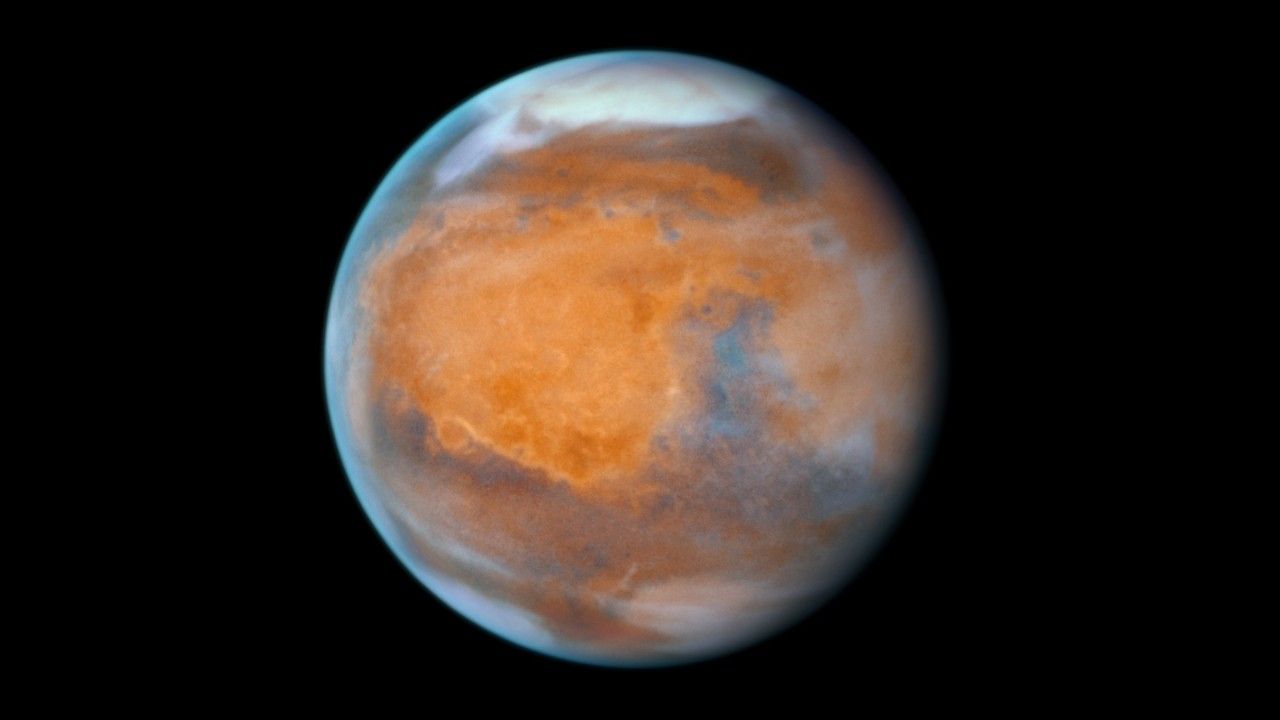
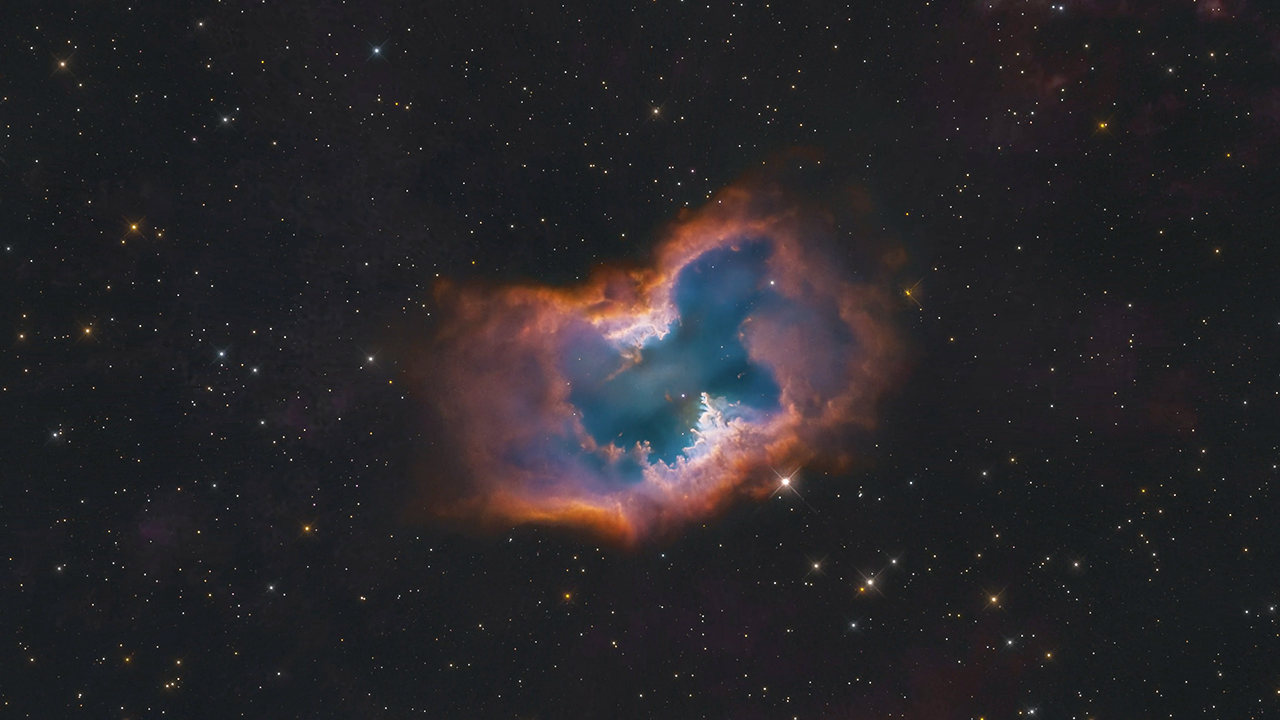
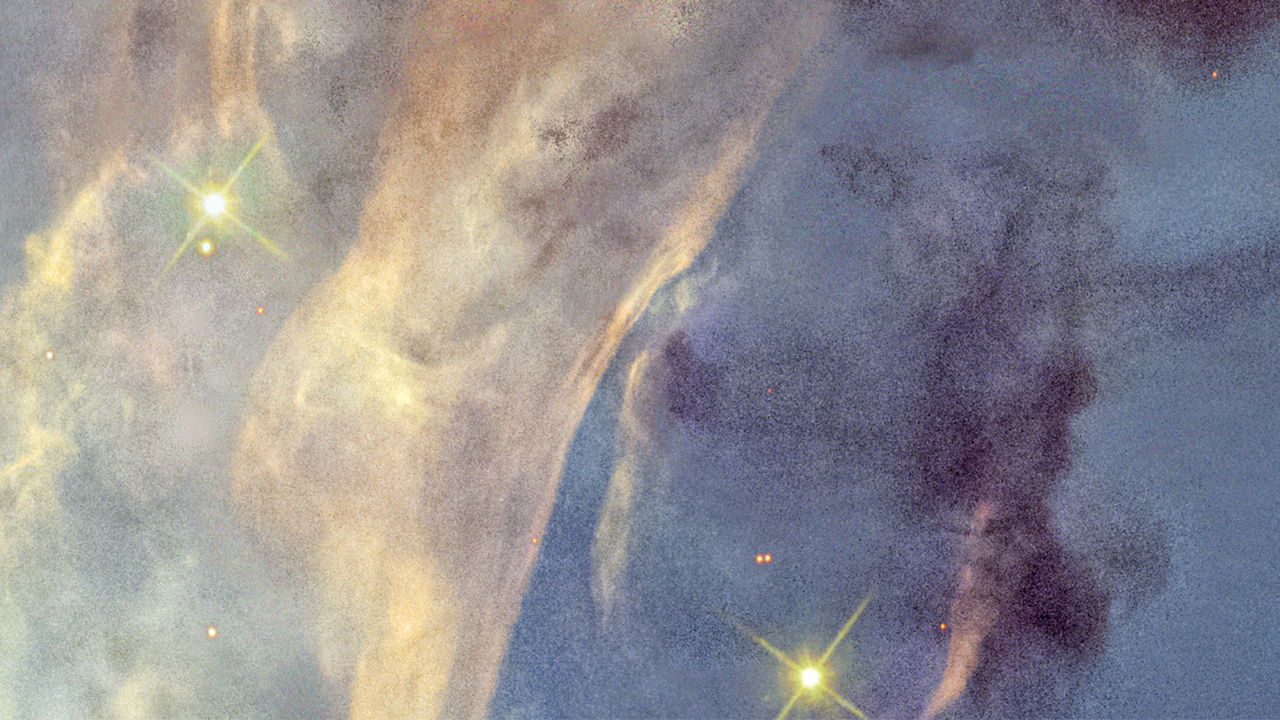
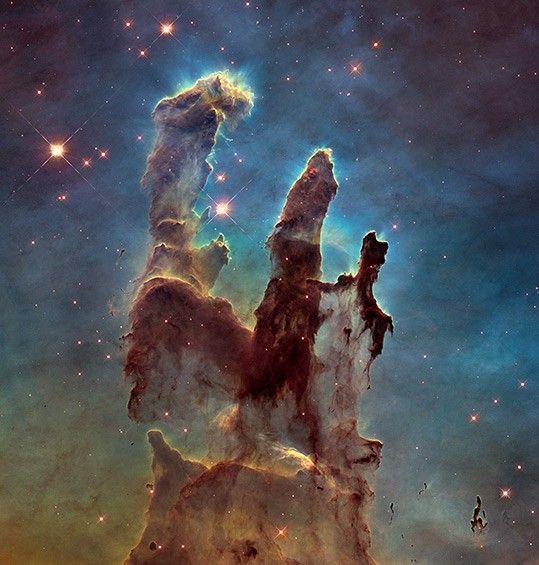
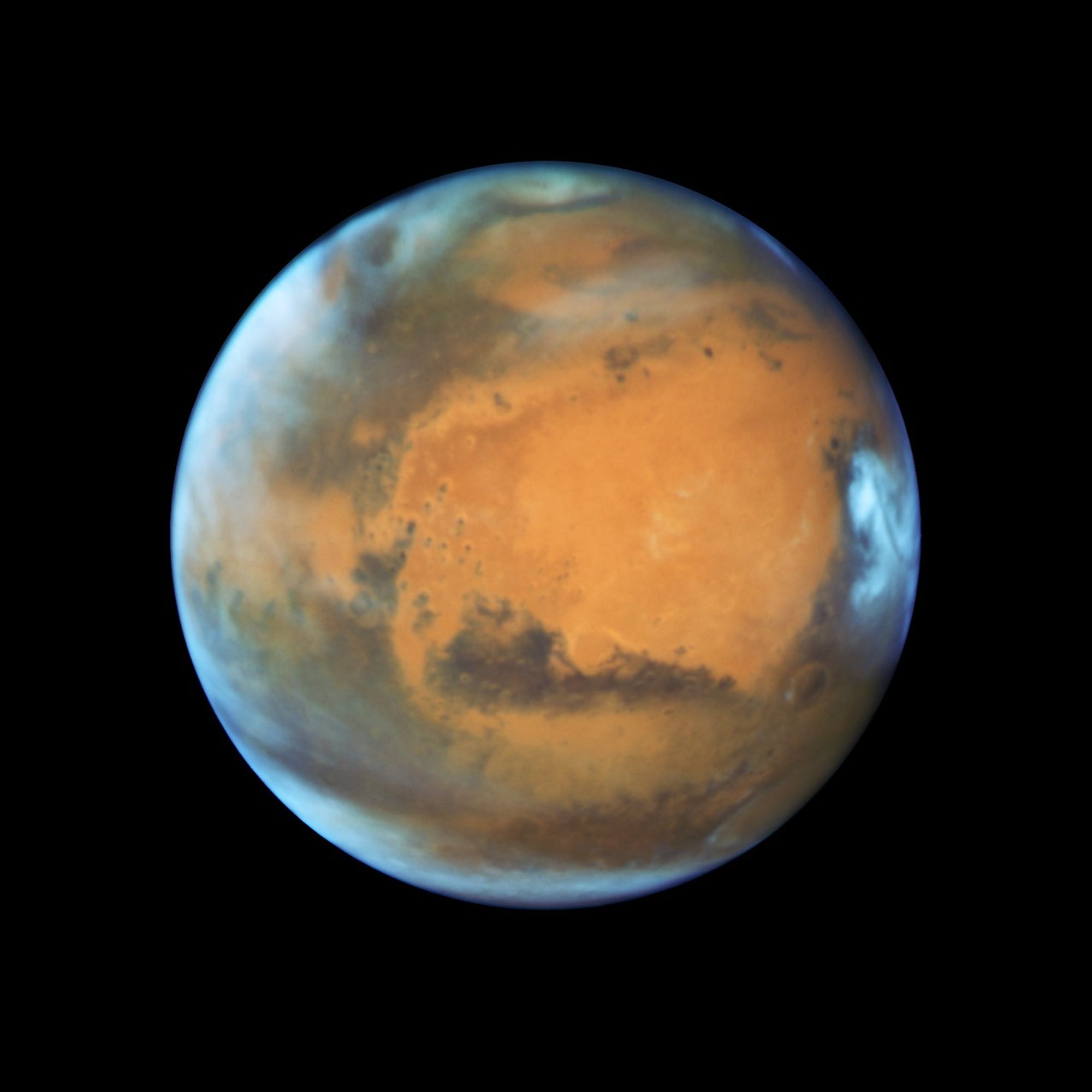
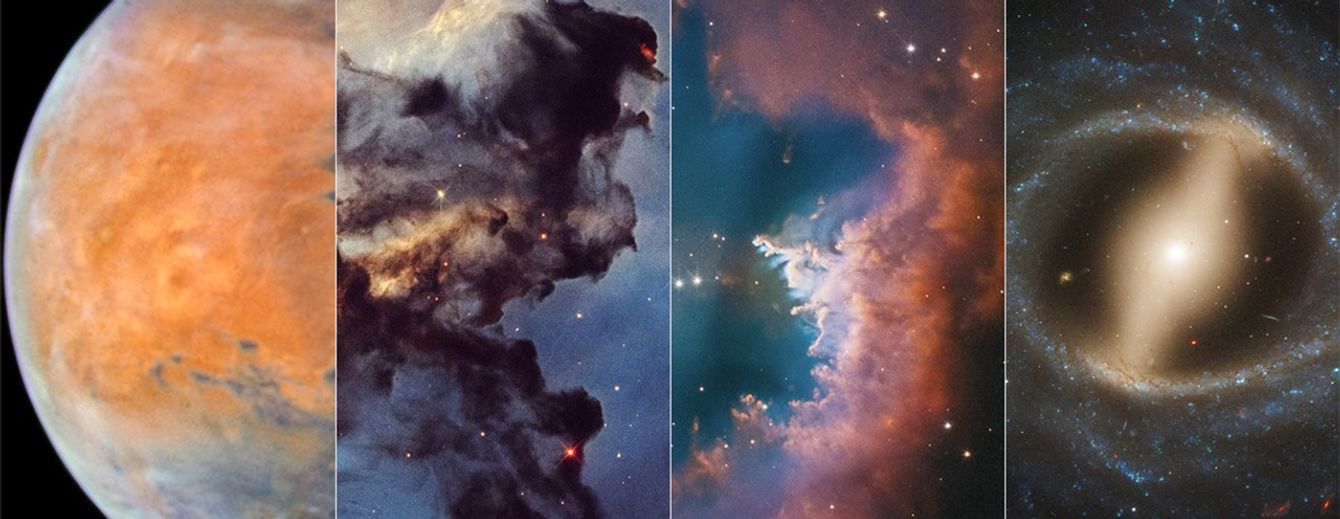
    Composite shows portions of four Hubble images from left to right. First, the left half of Mars in shades of orange, blues, and browns. Second, a tiny portion of the Rosette Nebula shows very dark gray material against a translucent blue background. Third, a portion of planetary nebula NGC 2899 looks like the number three in shades of red and orange. Fourth, the center of barred spiral galaxy NGC 5335 has a milky yellow center that forms a bar surrounded by the beginnings of blue star-filled spiral arms.

    A selection of photogenic space targets to celebrate the 35th anniversary of NASA’s Hubble Space Telescope. Left to Right: Mars, a small portion of the Rosette Nebula, part of planetary nebula NGC 2899, barred spiral galaxy NGC 5335.

    Credits:
    NASA, ESA, STScI; Image Processing: Joseph DePasquale (STScI), Alyssa Pagan (STScI)

    In celebration of the Hubble Space Telescope’s 35 years in Earth orbit, NASA is releasing an assortment of compelling images recently taken by Hubble, stretching from the planet Mars to star-forming regions, and a neighboring galaxy.

    After more than three decades of perusing the universe, Hubble remains a household name — the most well-recognized and scientifically productive telescope in history. The Hubble mission is a glowing success story of America’s technological prowess, unyielding scientific curiosity, and a reiteration of our nation’s pioneering spirit. 

    “Hubble opened a new window to the universe when it launched 35 years ago. Its stunning imagery inspired people across the globe, and the data behind those images revealed surprises about everything from early galaxies to planets in our own solar system,” said Shawn Domagal-Goldman, acting director of the Astrophysics Division at NASA Headquarters in Washington. “The fact that it is still operating today is a testament to the value of our flagship observatories, and provides critical lessons for the Habitable Worlds Observatory, which we plan to be serviceable in the spirit of Hubble.”

    Perched above Earth’s blurry atmosphere, Hubble’s crystal-clear views have been nothing less than transformative for the public’s perception of the cosmos. Through its evocative imagery, Hubble has made astronomy very relevant, engaging, and accessible for people of all ages. Hubble snapshots can portray the universe as awesome, mysterious, and beautiful — and at the same time chaotic, overwhelming, and foreboding.

    Composite shows four Hubble images in quarters. At top left is a crisp view of Mars in shades of orange, blues, and browns. At top right is planetary nebula NGC 2899, which is shaped like a single macaroni noodle, with its central torus appearing semi-transparent and blue and green, and its top and bottom edges in orange. At bottom left is a tiny portion of the Rosette Nebula. Very dark gray material shaped like a triangle takes up the center. At bottom right is barred spiral galaxy NGC 5335 with a milky yellow center that forms a bar surrounded by multiple blue star-filled spiral arms that wrap up counterclockwise.
    A selection of photogenic space targets to celebrate the 35th anniversary of NASA’s Hubble Space Telescope. Upper left: Mars. Upper right: planetary nebula NGC 2899. Lower left: a small portion of the Rosette Nebula. Lower right: barred spiral galaxy NGC 5335.
    Image: NASA, ESA, STScI; Image Processing: Joseph DePasquale (STScI), Alyssa Pagan (STScI)

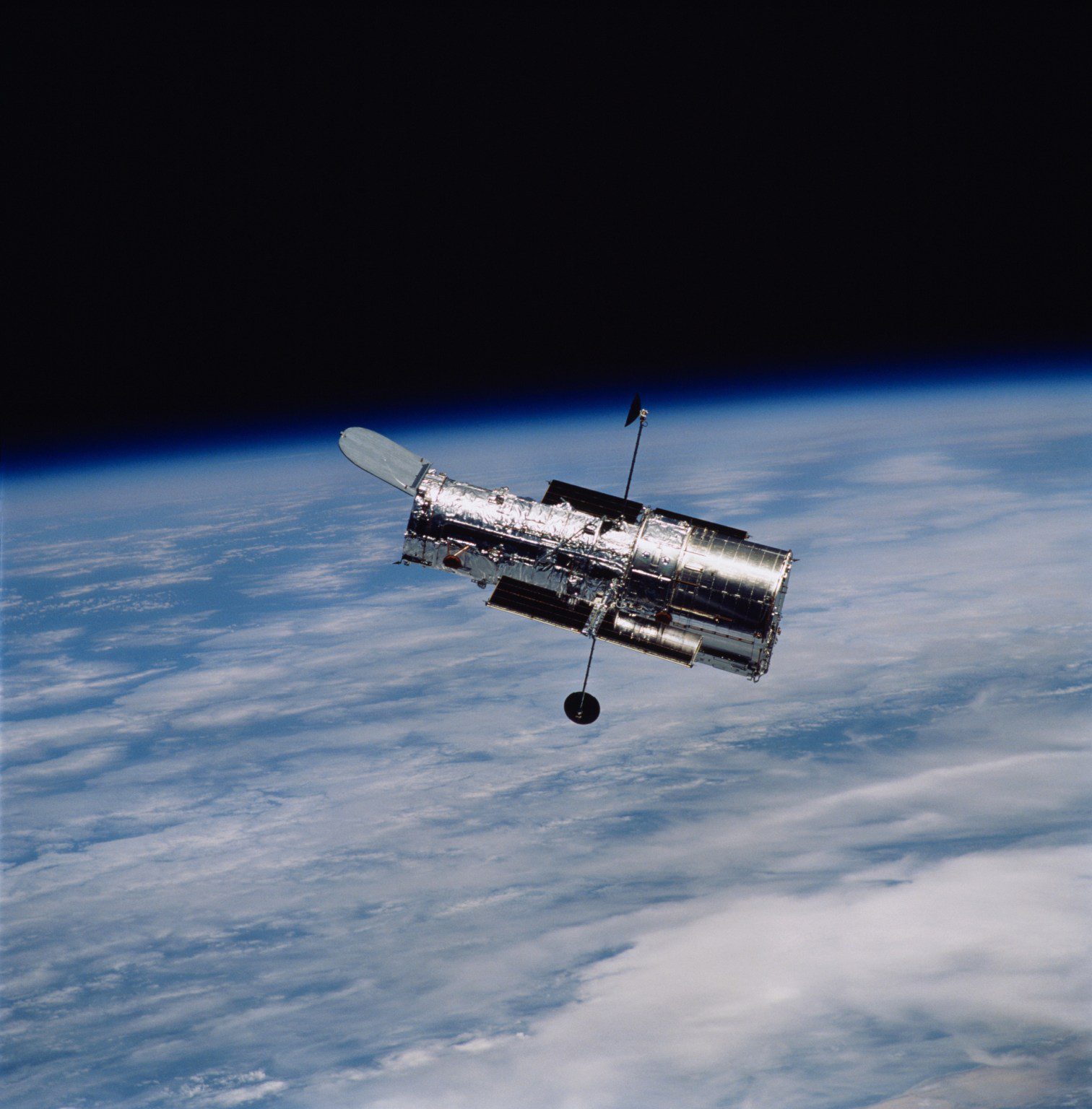
    The 24,000-pound observatory was tucked away inside the space shuttle Discovery’s cargo bay and lofted into low Earth orbit on April 24, 1990. As the shuttle Discovery thundered skyward, the NASA commentator described Hubble as a “new window on the universe.” The telescope turned out to be exactly as promised, and more.

    More scientific papers than ever are based on Hubble data, thanks to the dedication, perseverance, and skills of engineers, scientists, and mission operators. Astronauts chased and rendezvoused with Hubble on five servicing missions in which they upgraded Hubble’s cameras, computers, and other support systems. The servicing missions took place from 1993 to 2009. 

    The telescope’s mission got off to a shaky start in 1990 when an unexpected flaw was found in the observatory’s nearly eight-foot diameter primary mirror. Astronauts gallantly came to the rescue on the first shuttle servicing mission in December 1993 to improve Hubble’s sharpness with corrective optics. 

    To date, Hubble has made nearly 1.7 million observations, looking at approximately 55,000 astronomical targets. Hubble discoveries have resulted in over 22,000 papers and over 1.3 million citations as of February 2025. All the data collected by Hubble is archived and currently adds up to over 400 terabytes, representing the biggest dataset for a NASA astrophysics mission besides the James Webb Space Telescope. 

    Hubble’s long operational life has allowed astronomers to return to the same cosmic scenes multiple times to observe changes that happened during more than three decades: seasonal variability on the planets in our solar system, black hole jets travelling at nearly the speed of light, stellar convulsions, asteroid collisions, expanding supernova bubbles, and much more.

    Hubble’s Senior Project Scientist, Dr. Jennifer Wiseman, takes you on a tour of all four Hubble 35th anniversary images.
    Credit: NASA’s Goddard Space Flight Center; Lead Producer: Paul Morris; Narrator: Dr. Jennifer Wiseman

    Before 1990, powerful optical telescopes on Earth could see only halfway across the cosmos. Estimates for the age of the universe disagreed by a big margin. Supermassive black holes were only suspected to be the powerhouses behind a rare zoo of energetic phenomena. Not a single planet had been seen around another star.

    Among its long list of breakthroughs: Hubble’s deep field images unveiled myriad galaxies dating back to the early universe. The telescope also allowed scientists to precisely measure the universe’s expansion, find that supermassive black holes are common among galaxies, and make the first measurement of the atmospheres of exoplanets. Hubble also contributed to the discovery of dark energy, the mysterious phenomenon accelerating the expansion of universe, leading to the 2011 Nobel Prize in Physics. 

    The relentless pace of Hubble’s trailblazing discoveries kick-started a new generation of space telescopes for the 21st century. Hubble provided the first observational evidence that there were myriad distant galaxies for Webb to pursue in infrared wavelengths that reach even farther beyond Hubble’s gaze. Now, Hubble and Webb are often being used in complement to study everything from exoplanets to galaxy evolution. 

    Hubble’s planned successor, the Habitable Worlds Observatory, will have a significantly larger mirror than Hubble’s to study the universe in visible and ultraviolet light. It will be significantly sharper than Hubble and up to 100 times more sensitive to starlight. The Habitable Worlds Observatory will advance science across all of astrophysics, as Hubble has done for over three decades. A major goal of the future mission is to identify terrestrial planets around neighboring stars that might be habitable.

    The Hubble Space Telescope continues to make ground-breaking discoveries that shape our fundamental understanding of the universe. Hubble is a project of international cooperation between NASA and ESA (European Space Agency). NASA’s Goddard Space Flight Center in Greenbelt, Maryland, manages the telescope and mission operations. Lockheed Martin Space, based in Denver, also supports mission operations at Goddard. The Space Telescope Science Institute in Baltimore, which is operated by the Association of Universities for Research in Astronomy, conducts Hubble science operations for NASA.

    Details

    Last Updated

    Apr 23, 2025

    Editor
    Andrea Gianopoulos
    Contact

    Media

    Claire Andreoli
    NASA’s Goddard Space Flight Center
    Greenbelt, Maryland
    claire.andreoli@nasa.gov

    Ray Villard
    Space Telescope Science Institute
    Baltimore, Maryland
  • NASA Stennis Continues Prep for Future Artemis Testing

    2 min read

    Preparations for Next Moonwalk Simulations Underway (and Underwater)

    Crews at NASA’s Stennis Space Center recently completed activation of interstage gas systems needed for testing a new SLS (Space Launch System) rocket stage to fly on future Artemis missions to the Moon and beyond.

    The activation marks a milestone in preparation for future Green Run testing of NASA’s exploration upper stage (EUS) in the B-2 position of the Thad Cochran Test Stand. For Green Run, teams will activate and test all systems to ensure the stage is ready to fly. Green Run will culminate with a hot fire of the stage’s four RL10 engines, just as during an actual mission.

    The interstage simulator component will function like the SLS interstage section that protects the upper stage during Artemis launches. The interstage simulator will do the same during Green Run testing of the stage at NASA Stennis.

    The interstage simulator gas system will provide helium, nitrogen, and hydrogen to the four RL10 engines for all wet dress and hot fire exercises and tests.

    During the activation process, NASA Stennis crews simulated the engines and flowed gases to mirror various conditions and collect data on pressures and temperatures. NASA Stennis teams conducted 80 different flow cases, calculating such items as flow rates, system pressure drop, and fill/vent times. The calculated parameters then were compared to models and analytics to certify the gas system meets performance requirements.

    Crews now will work to activate the umbilical gases and liquid oxygen systems. The NASA Stennis team will then conduct water system activation, where it will flow the flame deflector, aspirator, diffuser cooling circuits, purge rings and water-cooled fairing.

    Afterward, the team will deploy the FireX system to check for total coverage, expected to be completed in the summer. 

    Before the exploration upper stage, built by Boeing at NASA’s Michoud Assembly Facility in New Orleans, arrives at NASA Stennis, crews will perform a final 24-hour check, or stress test, across all test complex facilities to demonstrate readiness for the test series.

  • NASA Wins Six Webby Awards, Six Webby People’s Voice Awards

    2 min read

    Preparations for Next Moonwalk Simulations Underway (and Underwater)

    NASA was recognized today by the 29th Annual Webby Awards with six Webby Awards and six Webby People’s Voice Awards, the latter of which are awarded by the voting public. The Webbys honors excellence in eight major media types: websites and mobile sites; video and film; advertising, media and public relations; apps and software; social; podcasts; artificial intelligence, immersive and games; and creators.

    NASA has always been at the forefront of innovation, and that extends to our digital presence. These Webby Awards recognize the dedication and creativity of our teams in bringing the excitement of space exploration to a global audience. We’re proud to be leaders in this digital frontier.

    Michelle R. Jones

    Michelle R. Jones

    Deputy Associate Administrator for Communications

    Since 1998, NASA has been nominated for more than 100 Webby Awards, winning 49 Webbys and 67 People’s Voice Awards.

    Full List of NASA’s 29th Annual Webby Award Wins

    NASA.gov
    Webby Winner, People’s Voice Winner
    Websites and Mobile Sites | Government and Associations
    This is the sixth Webby Award and the 13th People’s Voice Award for the agency’s website

    NASA Instagram
    Webby Winner
    Social | Education and Science

    NASA+
    Webby Winner, People’s Voice Winner
    Websites and Mobile Sites | Television, Film and Streaming

    2024 Total Solar Eclipse: Through the Eyes of NASA
    Webby Winner, People’s Voice Winner
    Video and Film | Events and Live

    NASA’s 2024 Total Solar Eclipse Campaign
    Webby Winner, People’s Voice Winner
    Social | Events and Live streams

    NASA’s Webb Telescope: Unfolding a Universe of Wonders
    Webby Winner, People’s Voice Winner
    Social | Education and Science (Campaigns)

    NASA Streams Historic Cat Video From Deep Space
    People’s Voice Winner
    Video and Film | Events and Live streams

    About the Webby Awards

    Established in 1996 during the web’s infancy, The Webbys is presented by the IADAS—a 3000+ member judging body. The Academy is comprised of Executive Members—leading Internet experts, business figures, luminaries, visionaries, and creative celebrities—and associate members who are former Webby winners, nominees and other internet professionals.

    The Webby Awards presents two honors in every category—the Webby Award and the Webby People’s Voice Award. Members of the International Academy of Digital Arts and Sciences (IADAS) select the nominees for both awards in each category, as well as the winners of the Webby Awards. In the spirit of the open web, the Webby People’s Voice is chosen by the voting public, and garners millions of votes from all over the world.

  • Planetary Alignment Provides NASA Rare Opportunity to Study Uranus

    5 Min Read

    Planetary Alignment Provides NASA Rare Opportunity to Study Uranus

    A still frame from a graphic visualization shows an animation of Uranus in space with a white boarder box around it. A small star is near the left side of the planet seemingly about to disappear behind the planet. There is also a data graph line at the bottom symbolizing the level of light being received by telescopes observing the occultation.

    Artist’s illustration showing a distant star going out of sight as it is eclipsed by Uranus – an event known as a planetary stellar occultation.

    Credits:
    NASA/Advanced Concepts Laboratory

    When a planet’s orbit brings it between Earth and a distant star, it’s more than just a cosmic game of hide and seek. It’s an opportunity for NASA to improve its understanding of that planet’s atmosphere and rings. Planetary scientists call it a stellar occultation and that’s exactly what happened with Uranus on April 7.

    Observing the alignment allows NASA scientists to measure the temperatures and composition of Uranus’ stratosphere – the middle layer of a planet’s atmosphere – and determine how it has changed over the last 30 years since Uranus’ last significant occultation.

    This rendering demonstrates what is happening during a stellar occultation and illustrates an example of the light curve data graph recorded by scientists that enables them to gather atmospheric measurements, like temperature and pressure, from Uranus as the amount of starlight changes when the planet eclipses the star.
    NASA/Advanced Concepts Laboratory

    “Uranus passed in front of a star that is about 400 light years from Earth,” said William Saunders, planetary scientist at NASA’s Langley Research Center in Hampton, Virginia, and science principal investigator and analysis lead, for what NASA’s team calls the Uranus Stellar Occultation Campaign 2025. “As Uranus began to occult the star, the planet’s atmosphere refracted the starlight, causing the star to appear to gradually dim before being blocked completely. The reverse happened at the end of the occultation, making what we call a light curve. By observing the occultation from many large telescopes, we are able to measure the light curve and determine Uranus’ atmospheric properties at many altitude layers.”  

    We are able to measure the light curve and determine Uranus’ atmospheric properties at many altitude layers.

    William Saunders

    William Saunders

    Planetary Scientist at NASA’s Langley Research Center

    This data mainly consists of temperature, density, and pressure of the stratosphere. Analyzing the data will help researchers understand how the middle atmosphere of Uranus works and could help enable future Uranus exploration efforts. 

    To observe the rare event, which lasted about an hour and was only visible from Western North America, planetary scientists at NASA Langley led an international team of over 30 astronomers using 18 professional observatories.

    Kunio Sayanagi, NASA’s principal investigator for the Uranus Stellar Occultation Campaign 2025, meeting virtually with partners and observing data from the Flight Mission Support Center at NASA’s Langley Research Center in Hampton, Virginia during Uranus’ stellar occultation event on April 7, 2025.
    NASA/Dave MacDonnell

    “This was the first time we have collaborated on this scale for an occultation,” said Saunders. “I am extremely grateful to each member of the team and each observatory for taking part in this extraordinary event. NASA will use the observations of Uranus to determine how energy moves around the atmosphere and what causes the upper layers to be inexplicably hot. Others will use the data to measure Uranus’ rings, its atmospheric turbulence, and its precise orbit around the Sun.”

    Knowing the location and orbit of Uranus is not as simple as it sounds. In 1986, NASA’s Voyager 2 spacecraft became the first and only spacecraft to fly past the planet – 10 years before the last bright stellar occultation occured in 1996. And, Uranus’ exact position in space is only accurate to within about 100 miles, which makes analyzing this new atmospheric data crucial to future NASA exploration of the ice giant.

    These investigations were possible because the large number of partners provided many unique views of the stellar occultation from many different instruments.

    NASA planetary scientist William Saunders and Texas A&M University research assistant Erika Cook in the control room of the McDonald Observatory’s Otto Struve Telescope in Jeff Davis County, Texas, during the Uranus stellar occultation on April 7, 2025.
    Joshua Santana

    Emma Dahl, a postdoctoral scholar at Caltech in Pasadena, California, assisted in gathering observations from NASA’s Infrared Telescope Facility (IRTF) on the summit of Mauna Kea in Hawaii – an observatory first built to support NASA’s Voyager missions.

    “As scientists, we do our best work when we collaborate. This was a team effort between NASA scientists, academic researchers, and amateur astronomers,” said Dahl. “The atmospheres of the gas and ice giant planets [Jupiter, Saturn, Uranus, and Neptune] are exceptional atmospheric laboratories because they don’t have solid surfaces. This allows us to study cloud formation, storms, and wind patterns without the extra variables and effects a surface produces, which can complicate simulations very quickly.”

    On November 12, 2024, NASA Langley researchers and collaborators were able to do a test run to prepare for the April occultation. Langley coordinated two telescopes in Japan and one in Thailand to observe a dimmer Uranus stellar occultation only visible from Asia. As a result, these observers learned how to calibrate their instruments to observe stellar occultations, and NASA was able to test its theory that multiple observatories working together could capture Uranus’ big event in April.

    Researchers from the Paris Observatory and Space Science Institute, in contact with NASA, also coordinated observations of the November 2024 occultation from two telescopes in India. These observations of Uranus and its rings allowed the researchers, who were also members of the April 7 occultation team, to improve the predictions about the timing on April 7 down to the second and also improved modeling to update Uranus’ expected location during the occultation by 125 miles.

    The planet Uranus on a black background. The planet appears blue with a large, white patch taking up the right half. The patch is whitest at the center, then fades into blue at it expands from right to left. A thin outline of Uranus is also white. Around the planet is a system of nested rings. The outermost ring is the brightest while the innermost ring is the faintest. Unlike Saturn’s horizontal rings, the rings of Uranus are vertical and so they appear to surround the planet in an oval shape. There are 9 blueish white dots scattered around the rings.
    This image of Uranus from NIRCam (Near-Infrared Camera) on NASA’s James Webb Space Telescope exquisitely captures Uranus’s seasonal north polar cap and dim inner and outer rings. This Webb image also shows 9 of the planet’s 27 moons – clockwise starting at 2 o’clock, they are: Rosalind, Puck, Belinda, Desdemona, Cressida, Bianca, Portia, Juliet, and Perdita.
    NASA, ESA, CSA, STScI

    Uranus is almost 2 billion miles away from Earth and has an atmosphere composed of primarily hydrogen and helium. It does not have a solid surface, but rather a soft surface made of water, ammonia, and methane. It’s called an ice giant because its interior contains an abundance of these swirling fluids that have relatively low freezing points. And, while Saturn is the most well-known planet for having rings, Uranus has 13 known rings composed of ice and dust.

    Over the next six years, Uranus will occult several dimmer stars. NASA hopes to gather airborne and possibly space-based measurements of the next bright Uranus occultation in 2031, which will be of an even brighter star than the one observed in April.

    For more information on NASA’s Uranus Stellar Occultation Campaign 2025:

    https://science.larc.nasa.gov/URANUS2025

    Karen Fox / Molly Wasser
    Headquarters, Washington
    202-358-1600
    karen.c.fox@nasa.gov / molly.l.wasser@nasa.gov 

    Charles Hatfield
    Langley Research Center, Hampton, Virginia
    757-262-8289
    charles.g.hatfield@nasa.gov

    About the Author

    Charles G. Hatfield

    Charles G. Hatfield

    Science Public Affairs Officer, NASA Langley Research Center

  • First Results from the Eclipse Soundscapes Project: Webinar on May 7

    2 min read

    First Results from the Eclipse Soundscapes Project: Webinar on May 7

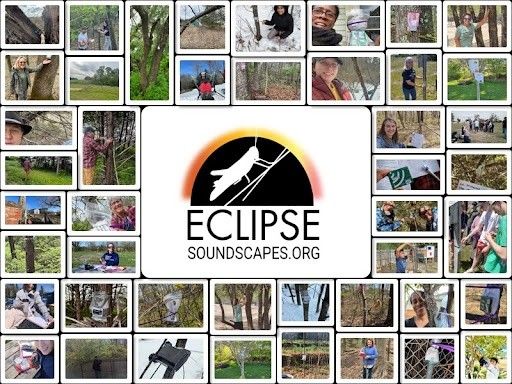
    How do the sudden darkness and temperature changes of a solar eclipse impact life on Earth? The Eclipse Soundscapes project invited you to document changes in the environment during the week of the April 8, 2024 total solar eclipse, using your own senses or an audiomoth sound recorder. 

    Thanks to your participation, the Eclipse Soundscapes team collected 25 terabytes of audio data during the 2023 and 2024 solar eclipses. “It was really empowering for me to participate in a scientific research study with my son beside me so he could see how scientific data can be (collected),” said one Eclipse Soundscapes volunteer.

    More than 500 volunteers  collected data using AudioMoth recorders during the April 8, 2024 eclipse for the Eclipse Soundscapes project.
    Credit: Eclipse Soundscapes

    Since the eclipse, the Eclipse Soundscapes team has been turning the submitted data into a new, carefully validated data set. They have been assessing recording quality, verifying timestamps, and logging other kinds of information that support the submitted data. With the newly validated data, they are now using machine learning to study wildlife behavior and compare regional differences. They do some of this work using spectrographic analysis—spreading out the sound into different frequency ranges like a prism spreads light into a rainbow. The team is also working to make the validated data freely available to the public on the Zenodo website—a free, open-source research data repository developed by CERN (the European Organization for Nuclear Research) that allows researchers to share and preserve their work, regardless of discipline or format. 

    The team’s first inspection of the data suggests that some species may mimic dusk-like behavior during totality. Want to hear more early results? You can join the team’s live webinar on May 7, 2025, at 2:00 p.m. EST with Dr. Brent Pease. Register now at EclipseSoundscapes.org. You can also explore this interactive map of data analysis sites, with details about each site, including partner organizations.

    Details

    Last Updated

    Apr 22, 2025

  • Sunshine on Earth

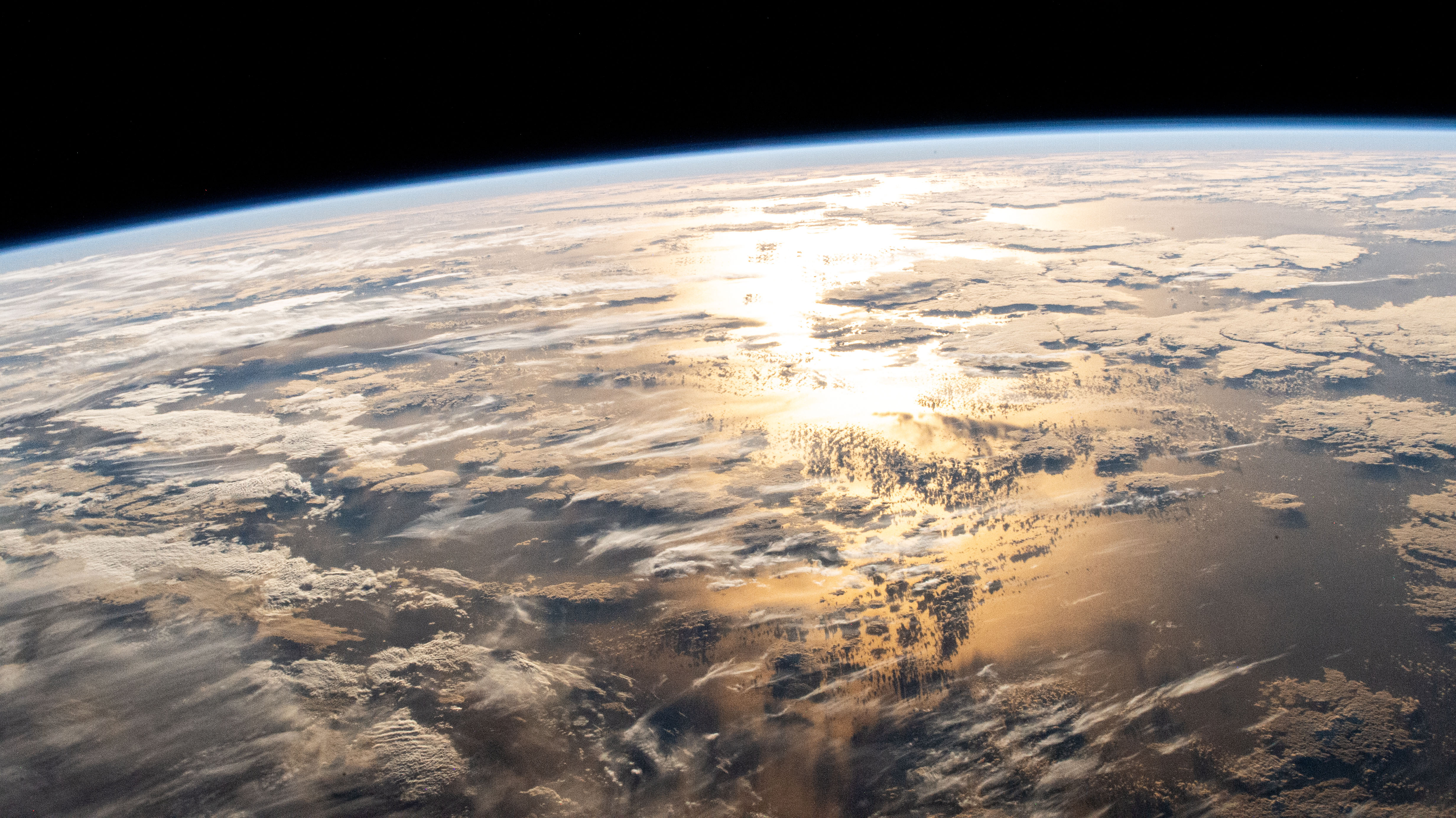
    A view of Earth from the International Space Station. The Atlantic Ocean spreads out in front of us, with Earth's atmosphere appearing as a thin, hazy, light blue line bordering Earth. Sunlight shines off of the middle of the ocean, highlighting the edges of clouds over the water.
    NASA

    The Sun’s glint beams off a partly cloudy Atlantic Ocean just after sunrise as the International Space Station orbited 263 miles above on March 5, 2025. The space station serves as a unique platform for observing Earth with both hands-on and automated equipment. Station crew members have produced hundreds of thousands of images, recording phenomena such as storms in real time, observing natural events such as volcanic eruptions as they happen, and providing input to ground personnel for programming automated Earth-sensing systems.

    NASA has been observing Earth from space for more than 60 years, with cutting-edge scientific technology that can revolutionize our understanding of our home planet and provide benefits to all humanity.

    Image credit: NASA

  • Animal That Once Lived With Dinosaurs Helps Keep NASA Kennedy In Balance

    3 min read

    Preparations for Next Moonwalk Simulations Underway (and Underwater)

    Image shows a man holding a horseshoe crab.
    A researcher inspects the interior of a male American horseshoe crab at NASA’s Kennedy Space Center in Florida. Known scientifically as Limulus polyphemus, the American horseshoe crab is vital to researchers’ understanding of the overall health of NASA Kennedy’s ecosystem.
    NASA

    They’re known as “living fossils”.

    For over 450 million years, horseshoe crabs have been an ecologically vital part of our planet. They’re one of the few surviving species on Earth dating back to the dinosaurs.

    At NASA’s Kennedy Space Center in Florida, the American horseshoe crab (Limulus polyphemus) is one of more than 1,500 types of animals and plants you can find living on its over 144,000 acres, the majority of which is managed by the U.S. Fish and Wildlife Service and National Park Service. Sharing a boundary with the Merritt Island National Wildlife Refuge and Canaveral National Seashore, NASA Kennedy is one of the most biologically diverse places in the United States.

    The center’s land, water, and air species live alongside the symbols of America’s space program: the vital facilities and infrastructure that support the many launches at NASA Kennedy and Cape Canaveral Space Force Station as well as the rockets enabling humanity’s exploration of the cosmos.

    Image shows two horseshoe crabs in a container and one being measured.
    Researchers measure the shell of a male and female American horseshoe crab at NASA’s Kennedy Space Center in Florida. Known scientifically as Limulus polyphemus, the American horseshoe crab is vital to researchers’ understanding of the overall health of NASA Kennedy’s ecosystem.

    Preserving NASA Kennedy’s wildlife while also fulfilling the agency’s mission requires a balanced approach. The American horseshoe crab exemplifies that balance.

    Horseshoe crabs are keystone species in coastal and estuary systems like the ones surrounding Earth’s premier spaceport. By themselves, these resilient arthropods are a strong indicator of how an ecosystem is doing to support the migratory birds, sea turtles, alligators and other wildlife who rely on it for their survival.

    “The presence and abundance of horseshoe crabs influence the structure and functioning of the entire ecosystem,” said James T. Brooks, an environmental protection specialist at NASA Kennedy. “Their eggs provide a vital food source for many shorebirds in coastal habitats, and their feeding activities help shape the composition of plants and animals that live at the bottom of the ocean or in rivers and lakes. Changes in horseshoe crab populations can signal broader ecological issues, such as pollution or habitat loss.”

    As featured recently on NASA+, biologists survey NASA Kennedy’s beaches regularly for horseshoe crabs, counting each one they spot and tagging them with devices that lets researchers study their migration patterns and survival rates. The devices also track the crabs’ spawning activity, habitat health, and population trends, especially during peak breeding seasons in spring and summer.

    All this data helps in assessing the overall health of NASA Kennedy’s ecosystem, but horseshoe crabs also play a vital role in humanity’s health. Their blue, copper-based blood contains a substance called Limulus Amebocyte Lysate, critical for detecting bacterial contamination in medical equipment, pharmaceuticals, and vaccines.

    Their unique value in ensuring biomedical safety underscores why NASA Kennedy emphasizes ecological monitoring in addition to its roles in the global space economy, national defense, and space exploration.

    Image shows two horseshoe crabs mating at NASA's Kennedy Space Center in Florida.
    A male and female American horseshoe crab meet during mating season at NASA’s Kennedy Space Center in Florida. Known scientifically as Limulus polyphemus, the American horseshoe crab is vital to researchers’ understanding of the overall health of NASA Kennedy’s ecosystem.
    NASA

    At NASA Kennedy, horseshoe crabs are protected and monitored through habitat restoration projects like rebuilding shorelines eroded by storms and minimizing human impact on nesting sites. These initiatives ensure that the spaceport’s operations coexist harmoniously with nature and deepen our understanding of Earth’s interconnected ecosystems.

    On this Earth Day, NASA Kennedy celebrates the important role these ancient mariners play as we launch humanity’s future.

    About the Author

    Messod C. Bendayan

    Messod C. Bendayan

    Details

    Last Updated

    Apr 22, 2025

  • Entrepreneurs Challenge Winner PRISM is Using AI to Enable Insights from Geospatial Data

    4 min read

    Entrepreneurs Challenge Winner PRISM is Using AI to Enable Insights from Geospatial Data

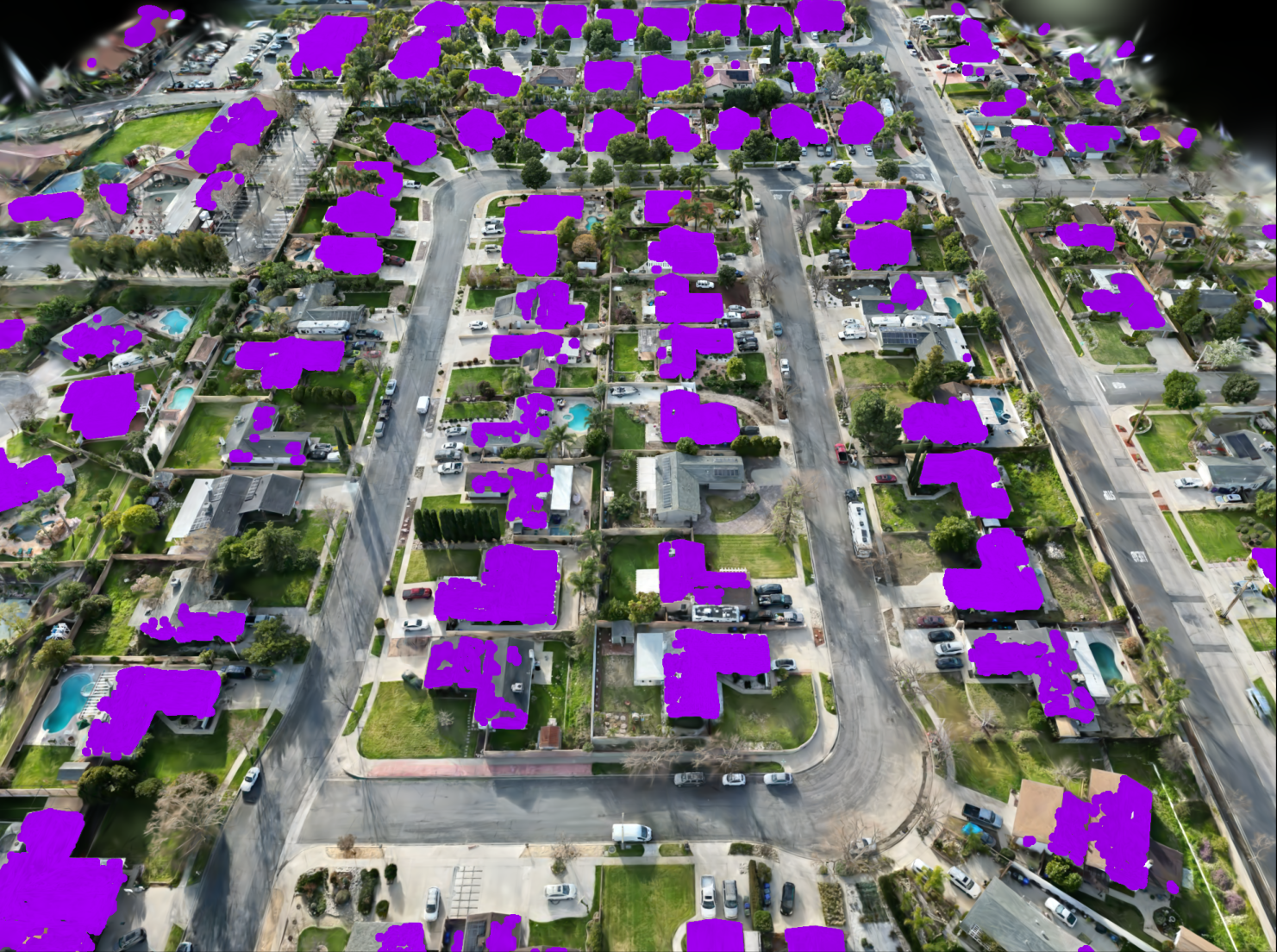
    Aerial image of a neighborhood with houses highlighted in purple.
    PRISM’s platform uses AI segmentation to identify and highlight residential structures in a neighborhood.

    NASA sponsored Entrepreneurs Challenge events in 2020, 2021, and 2023 to invite small business start-ups to showcase innovative ideas and technologies with the potential to advance the agency’s science goals. To potentially leverage external funding sources for the development of innovative technologies of interest to NASA, SMD involved the venture capital community in Entrepreneurs Challenge events. Challenge winners were awarded prize money, and in 2023 the total Entrepreneurs Challenge prize value was $1M. Numerous challenge winners have subsequently refined their products and/or received funding from NASA and external sources (e.g., other government agencies or the venture capital community) to further develop their technologies.

    One 2023 Entrepreneurs Challenge winner, PRISM Intelligence (formerly known as Pegasus Intelligence and Space), is using artificial intelligence (AI) and other advances in computer vision to create a new platform that could provide geospatial insights to a broad community.

    Every day, vast amounts of remote sensing data are collected through satellites, drones, and aerial imagery, but for most businesses and individuals, accessing and extracting meaningful insights from this data is nearly impossible.  

    The company’s product—Personal Real-time Insight from Spatial Maps, a.k.a. PRISM—is transforming geospatial data into an easy-to-navigate, queryable world. By leveraging 3D computer vision, geospatial analytics, and AI-driven insights, PRISM creates photorealistic, up-to-date digital environments that anyone can interact with. Users can simply log in and ask natural-language questions to instantly retrieve insights—no advanced Geographic Information System (GIS) expertise is required.

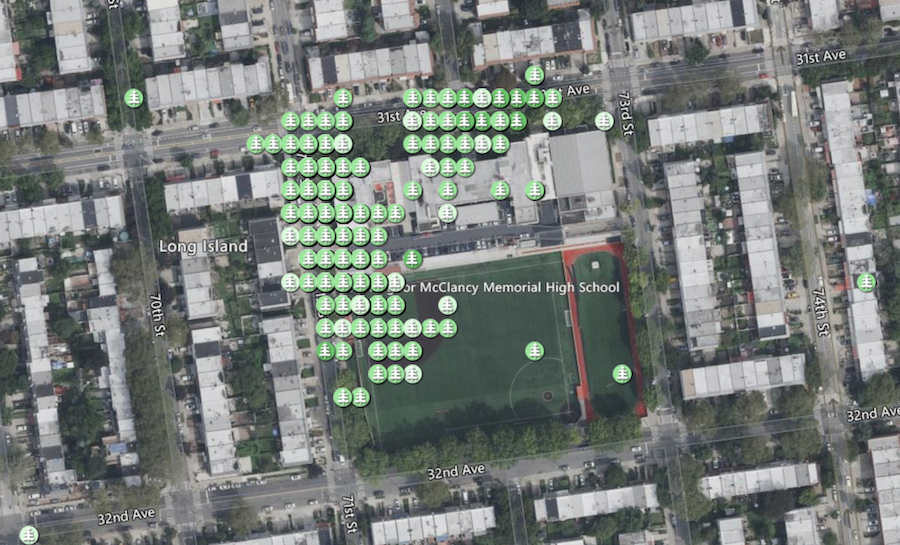
    For example, a pool cleaner looking for business could use PRISM to search for all residential pools in a five-mile radius. A gardener could identify overgrown trees in a community. City officials could search for potholes in their jurisdiction to prioritize repairs, enhance public safety, and mitigate liability risks. This broad level of accessibility brings geospatial intelligence out of the hands of a few and into everyday decision making.

    The core of PRISM’s platform uses radiance fields to convert raw 2D imagery into high-fidelity, dynamic 3D visualizations. These models are then enhanced with AI-powered segmentation, which autonomously identifies and labels objects in the environment—such as roads, vehicles, buildings, and natural features—allowing for seamless search and analysis. The integration of machine learning enables PRISM to refine its reconstructions continuously, improving precision with each dataset. This advanced processing ensures that the platform remains scalable, efficient, and adaptable to various data sources, making it possible to produce large-scale, real-time digital twins of the physical world.

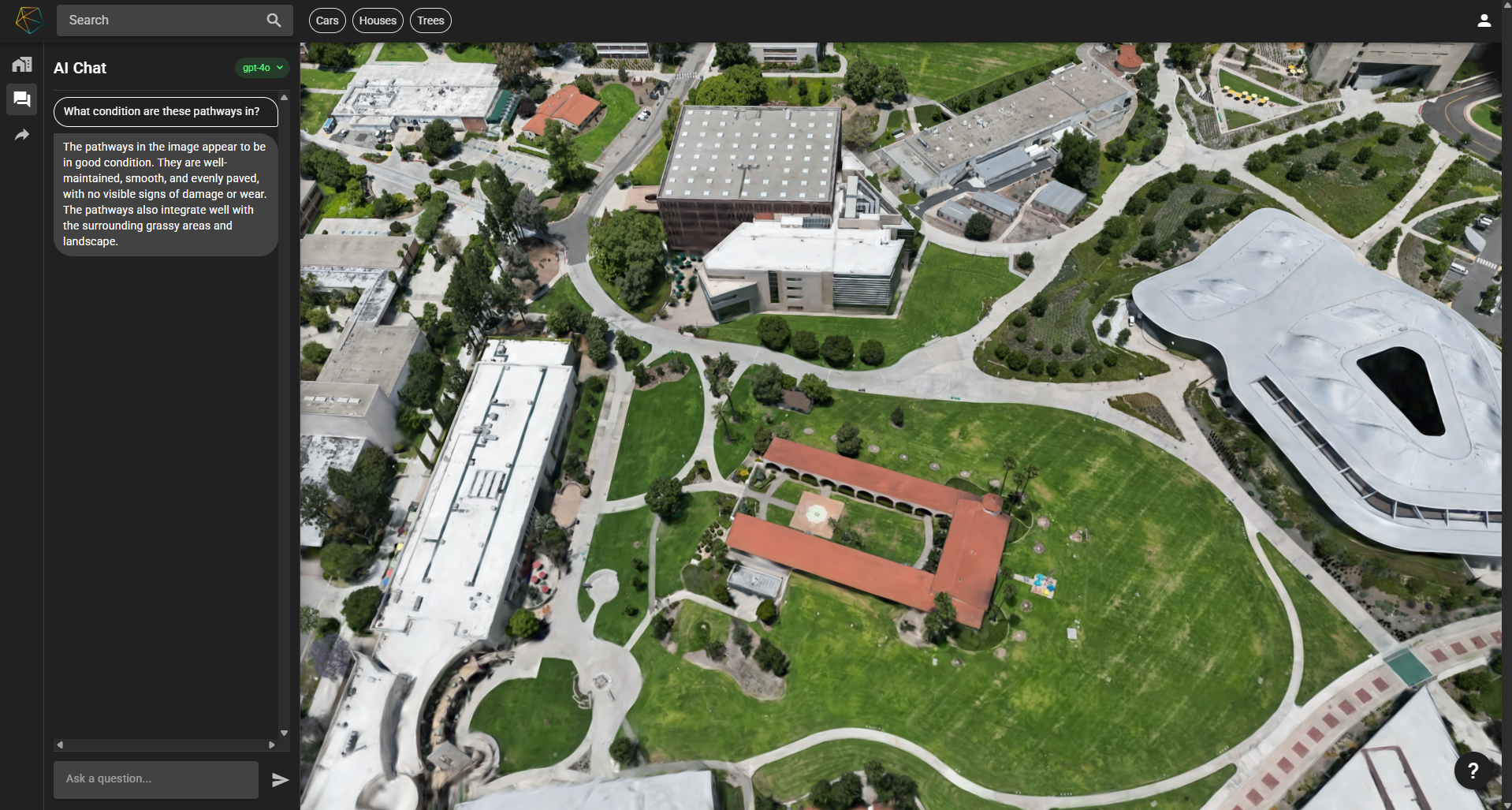
    Screenshot of a 3D map with a chat window on the left side.
    The PRISM platform’s interface showcasing a 3D digital twin of California State Polytechnic University, Pomona, with AI-powered search and insights.

    “It’s great being able to push the state of the art in this relatively new domain of radiance fields, evolving it from research to applications that can impact common tasks. From large sets of images, PRISM creates detailed 3D captures that embed more information than the source pictures.” — Maximum Wilder-Smith, Chief Technology Officer, PRISM Intelligence

    Currently the PRISM platform uses proprietary data gathered from aerial imagery over selected areas. PRISM then generates high-resolution digital twins of cities in select regions. The team is aiming to eventually expand the platform to use NASA Earth science data and commercial data, which will enable high-resolution data capture over larger areas, significantly increasing efficiency, coverage, and update frequency. PRISM aims to use the detailed multiband imagery that NASA provides and the high-frequency data that commercial companies provide to make geospatial intelligence more accessible by providing fast, reliable, and up-to-date insights that can be used across multiple industries.

    What sets PRISM apart is its focus on usability. While traditional GIS platforms require specialized training to use, PRISM eliminates these barriers by allowing users to interact with geospatial data through a frictionless, conversational interface.

    The impact of this technology could extend across multiple industries. Professionals in the insurance and appraisal industries have informed the company how the ability to generate precise, 3D assessments of properties could streamline risk evaluations, reduce costs, and improve accuracy—replacing outdated or manual site visits. Similarly, local governments have indicated they could potentially use PRISM to better manage infrastructure, track zoning compliance, and allocate resources based on real-time, high-resolution urban insights. Additionally, scientists could use the consistent updates and layers of three-dimensional data that PRISM can provide to better understand changes to ecosystems and vegetation.

    As PRISM moves forward, the team’s focus remains on scaling its capabilities and expanding its applications. Currently, the team is working to enhance the technical performance of the platform while also adding data sources to enable coverage of more regions. Future iterations will further improve automation of data processing, increasing the speed and efficiency of real-time 3D reconstructions. The team’s goal is to expand access to geospatial insights, ensuring that anyone—from city planners to business owners—can make informed decisions using the best possible data.

    Three people standing in a lab with their arms crossed.
    PRISM Intelligence founders Zachary Gaines, Hugo Delgado, and Maximum Wilder-Smith in their California State Polytechnic University, Pomona lab, where the company was first formed.
  • NASA’s SPHEREx Team To Ring New York Stock Exchange Bell

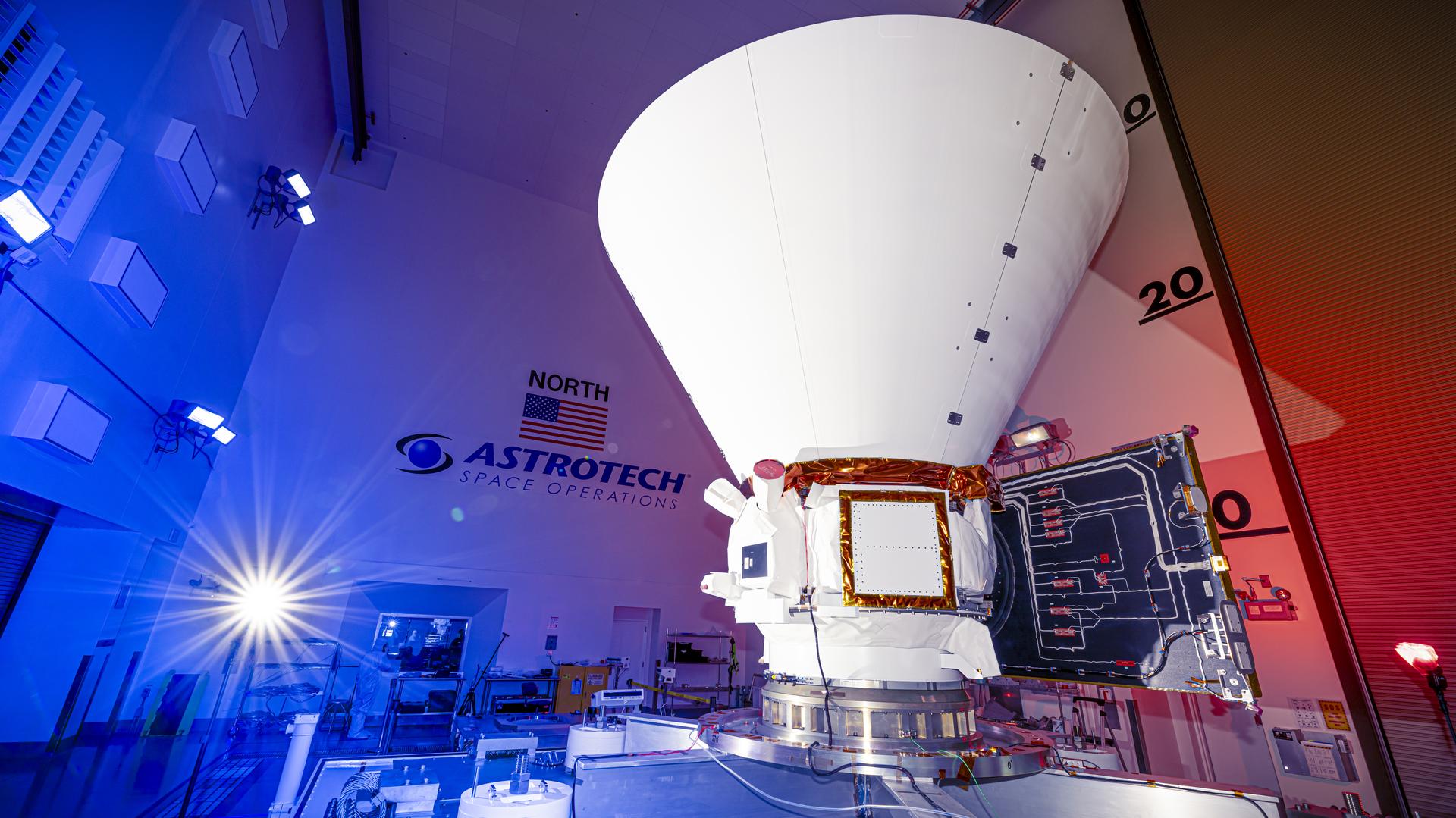
    NASA’s SPHEREx (Spectro-Photometer for the History of the Universe, Epoch of Reionization and Ices Explorer), a space telescope, is situated on a work stand ahead of prelaunch operations at the Astrotech Processing Facility at Vandenberg Space Force Base in California on Jan. 16, 2025.
    NASA’s SPHEREx (Spectro-Photometer for the History of the Universe, Epoch of Reionization and Ices Explorer), a space telescope, is situated on a work stand ahead of prelaunch operations at the Astrotech Processing Facility at Vandenberg Space Force Base in California on Jan. 16, 2025.
    Credit: BAE Systems/Benjamin Fry

    Members of the team behind NASA’s newest space telescope will ring the New York Stock Exchange closing bell in New York City at 4 p.m. EDT on Tuesday, April 22. The team helped build, launch, and operates NASA’s SPHEREx (Spectro-Photometer for the History of the Universe, Epoch of Reionization and Ices Explorer) mission to explore the origins of the universe. The New York Stock Exchange will share a recording of the closing bell ceremony on YouTube after the event.

    After launching March 11 from Vandenberg Space Force Base in California on a SpaceX Falcon 9 rocket, SPHEREx will soon begin collecting data on more than 450 million galaxies and 100 million stars in the Milky Way, to improve our understanding of how the universe evolved and search for key ingredients for life in our galaxy. The observatory’s first images confirmed all of the telescope’s systems are working as expected, as the team prepares SPHEREx to begin mapping the entire sky.

    Bell ringers from NASA’s Jet Propulsion Laboratory, which manages the mission, will be joined by team members from BAE Systems Inc., Space & Mission Systems, which built the telescope and spacecraft’s main structure, known as a bus, for NASA.

    For more information on SPHEREx, visit:

    https://www.nasa.gov/spherex

    -end-

    Alise Fisher
    Headquarters, Washington
    202-358-1100
    alise.m.fisher@nasa.gov

    Calla Cofield
    Jet Propulsion Laboratory, Pasadena, Calif.
    626-808-2469
    calla.e.cofield@jpl.nasa.gov

  • NASA’s Lucy Spacecraft Images Asteroid Donaldjohanson

    4 min read

    NASA’s Lucy Spacecraft Images Asteroid Donaldjohanson

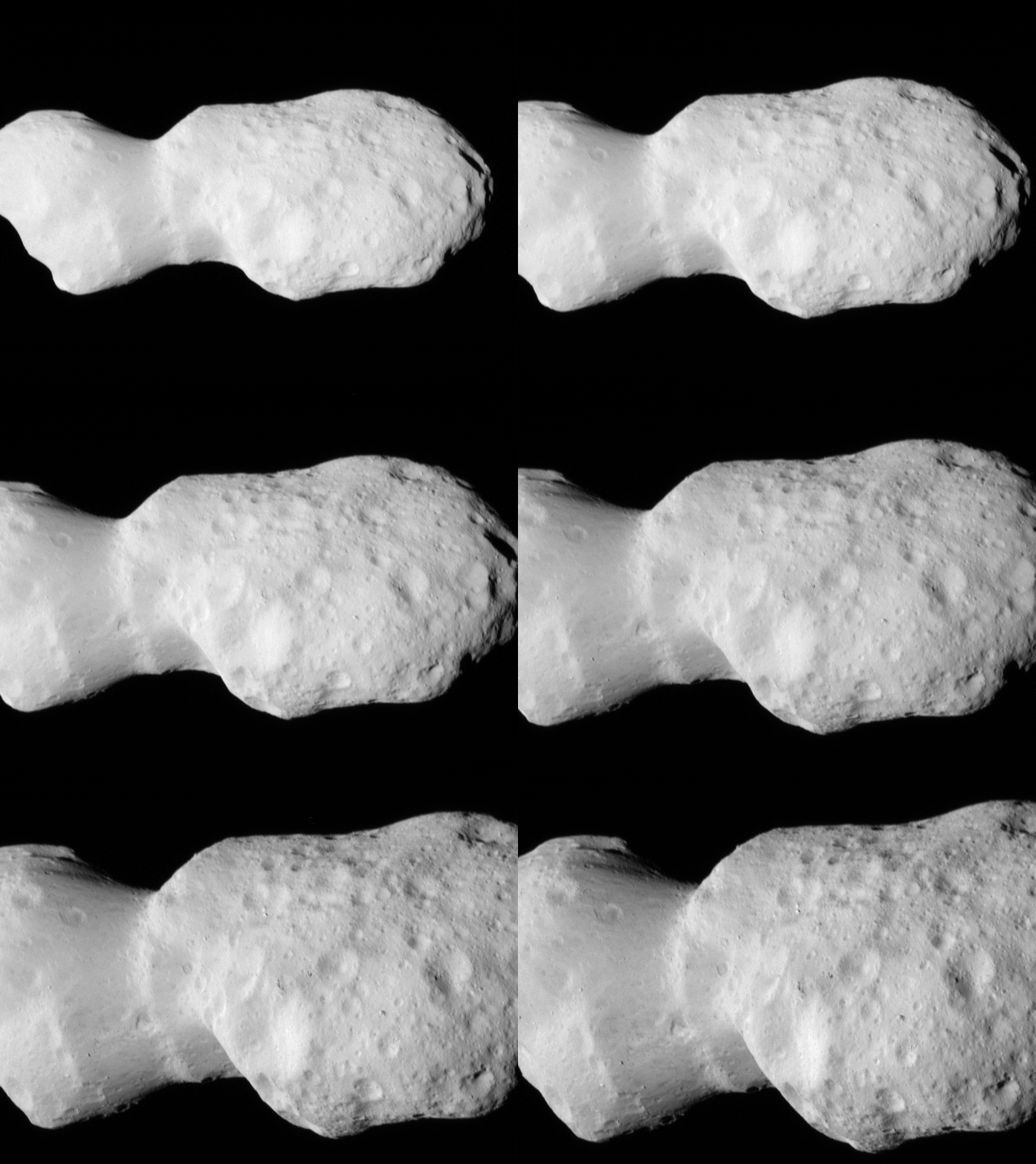
    In its second asteroid encounter, NASA’s Lucy spacecraft obtained a close look at a uniquely shaped fragment of an asteroid that formed about 150 million years ago. The spacecraft has begun returning images that were collected as it flew approximately 600 miles (960 km) from the asteroid Donaldjohanson on April 20, 2025.

    Gif of Asteroid Donaldjohanson, as seen by the Lucy spacecraft during its close flyby. The asteroid looks like two lobes, attached by a thinner cylinder, like a barbell with very large weights. One lobe is smaller than the other. Although they are both about the same circumference, the smaller lobe is less wide than the other. The asteroid is a smooth, light gray surface, with smooth-edged craters dimpling its surface. The larger lobe has many more craters. The asteroid moves closer to the camera, pushing in on the larger lobe. Then it rotates slightly to look along the asteroid long-ways.
    The asteroid Donaldjohanson as seen by the Lucy Long-Range Reconnaissance Imager (L’LORRI) on NASA’s Lucy spacecraft during its flyby. This timelapse shows images captured approximately every 2 seconds beginning at 1:50 p.m. EDT (17:50 UTC), April 20, 2025. The asteroid rotates very slowly; its apparent rotation here is due to the spacecraft’s motion as it flies by Donaldjohanson at a distance of 1,000 to 660 miles (1,600 to 1,100 km). The spacecraft’s closest approach distance was 600 miles (960 km), but the images shown were taken approximately 40 seconds beforehand, the nearest ones at a distance of 660 miles (1100 km).
    NASA/Goddard/SwRI/Johns Hopkins APL

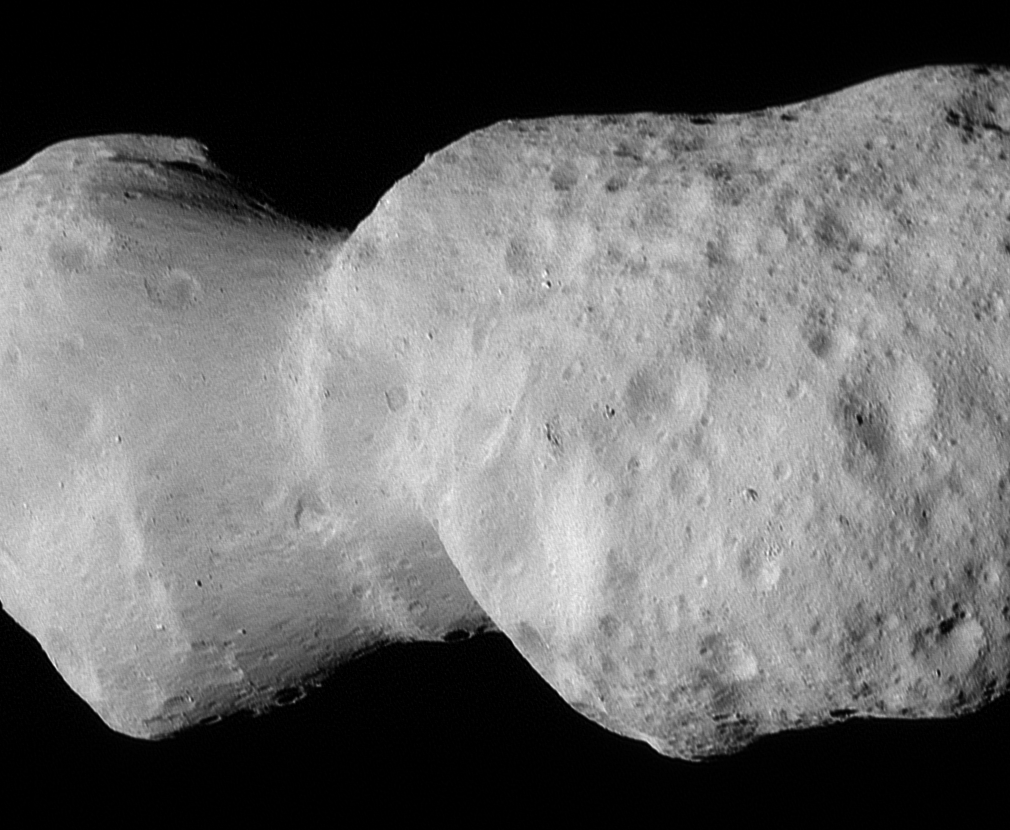
    The asteroid was previously observed to have large brightness variations over a 10-day period, so some of Lucy team members’ expectations were confirmed when the first images showed what appeared to be an elongated contact binary (an object formed when two smaller bodies collide). However, the team was surprised by the odd shape of the narrow neck connecting the two lobes, which looks like two nested ice cream cones.

    “Asteroid Donaldjohanson has strikingly complicated geology,” says Hal Levison, principal investigator for Lucy at Southwest Research Institute, Boulder, Colorado. “As we study the complex structures in detail, they will reveal important information about the building blocks and collisional processes that formed the planets in our Solar System.”

    From a preliminary analysis of the first available images collected by the spacecraft’s L’LORRI imager, the asteroid appears to be larger than originally estimated, about 5 miles (8 km) long and 2 miles (3.5 km) wide at the widest point. In this first set of high-resolution images returned from the spacecraft, the full asteroid is not visible as the asteroid is larger than the imager’s field of view. It will take up to a week for the team to downlink the remainder of the encounter data from the spacecraft; this dataset will give a more complete picture of the asteroid’s overall shape.

    Like Lucy’s first asteroid flyby target, Dinkinesh, Donaldjohanson is not a primary science target of the Lucy mission. As planned, the Dinkinesh flyby was a system’s test for the mission, while this encounter was a full dress rehearsal, in which the team conducted a series of dense observations to maximize data collection. Data collected by Lucy’s other scientific instruments, the L’Ralph color imager and infrared spectrometer and the L’TES thermal infrared spectrometer, will be retrieved and analyzed over the next few weeks.

    The Lucy spacecraft will spend most of the remainder of 2025 travelling through the main asteroid belt. Lucy will encounter the mission’s first main target, the Jupiter Trojan asteroid Eurybates, in August 2027.

    “These early images of Donaldjohanson are again showing the tremendous capabilities of the Lucy spacecraft as an engine of discovery,” said Tom Statler, program scientist for the Lucy mission at NASA Headquarters in Washington. “The potential to really open a new window into the history of our solar system when Lucy gets to the Trojan asteroids is immense.”

    Asteroid Donaldjohanson, as seen by the Lucy spacecraft during its close flyby. The asteroid looks like two lobes, attached by a thinner cylinder, like a barbell with very large weights. One lobe is smaller than the other. Although they are both about the same circumference, the smaller lobe is less wide than the other. The asteroid is a smooth, light gray surface, with smooth-edged craters dimpling its surface. The larger lobe has many more craters.
    The asteroid Donaldjohanson as seen by the Lucy Long-Range Reconnaissance Imager (L’LORRI). This is one of the most detailed images returned by NASA’s Lucy spacecraft during its flyby. This image was taken at 1:51 p.m. EDT (17:51 UTC), April 20, 2025, near closest approach, from a range of approximately 660 miles (1,100 km). The spacecraft’s closest approach distance was 600 miles (960 km), but the image shown was taken approximately 40 seconds beforehand. The image has been sharpened and processed to enhance contrast.
    NASA/Goddard/SwRI/Johns Hopkins APL/NOIRLab

    NASA’s Goddard Space Flight Center in Greenbelt, Maryland, provides overall mission management, systems engineering and the safety and mission assurance for Lucy, as well as the designing and building the L’Ralph instrument. Hal Levison of the Boulder, Colorado, office of SwRI is the principal investigator. SwRI is headquartered in San Antonio and also leads the mission’s science team, science observation planning, and data processing. NASA’s Goddard Space Flight Center in Greenbelt, Maryland, provides overall mission management, systems engineering, and the safety and mission assurance for Lucy, as well as the L’Ralph instrument. Lockheed Martin Space in Littleton, Colorado, built the spacecraft, designed the orbital trajectory, and provides flight operations. Goddard and KinetX Aerospace are responsible for navigating the Lucy spacecraft. The Johns Hopkins Applied Physics Laboratory in Laurel, Maryland, designed and built the L’LORRI (Lucy Long Range Reconnaissance Imager) instrument. Arizona State University designed and built the L’TES (Lucy Thermal Emission Spectrometer). Lucy is the thirteenth mission in NASA’s Discovery Program, which is managed by NASA’s Marshall Space Flight Center in Huntsville, Alabama.

    By Katherine Kretke
    Southwest Research Institute

    Media Contact:
    Karen Fox / Molly Wasser
    Headquarters, Washington
    202-358-1600
    karen.c.fox@nasa.gov / molly.l.wasser@nasa.gov

    Nancy N. Jones
    NASA’s Goddard Space Flight Center, Greenbelt, Md.

    Details

    Last Updated

    Apr 21, 2025

    Editor
    Jamie Adkins
    Contact
  • Fuzzy Rings of a Dying Star

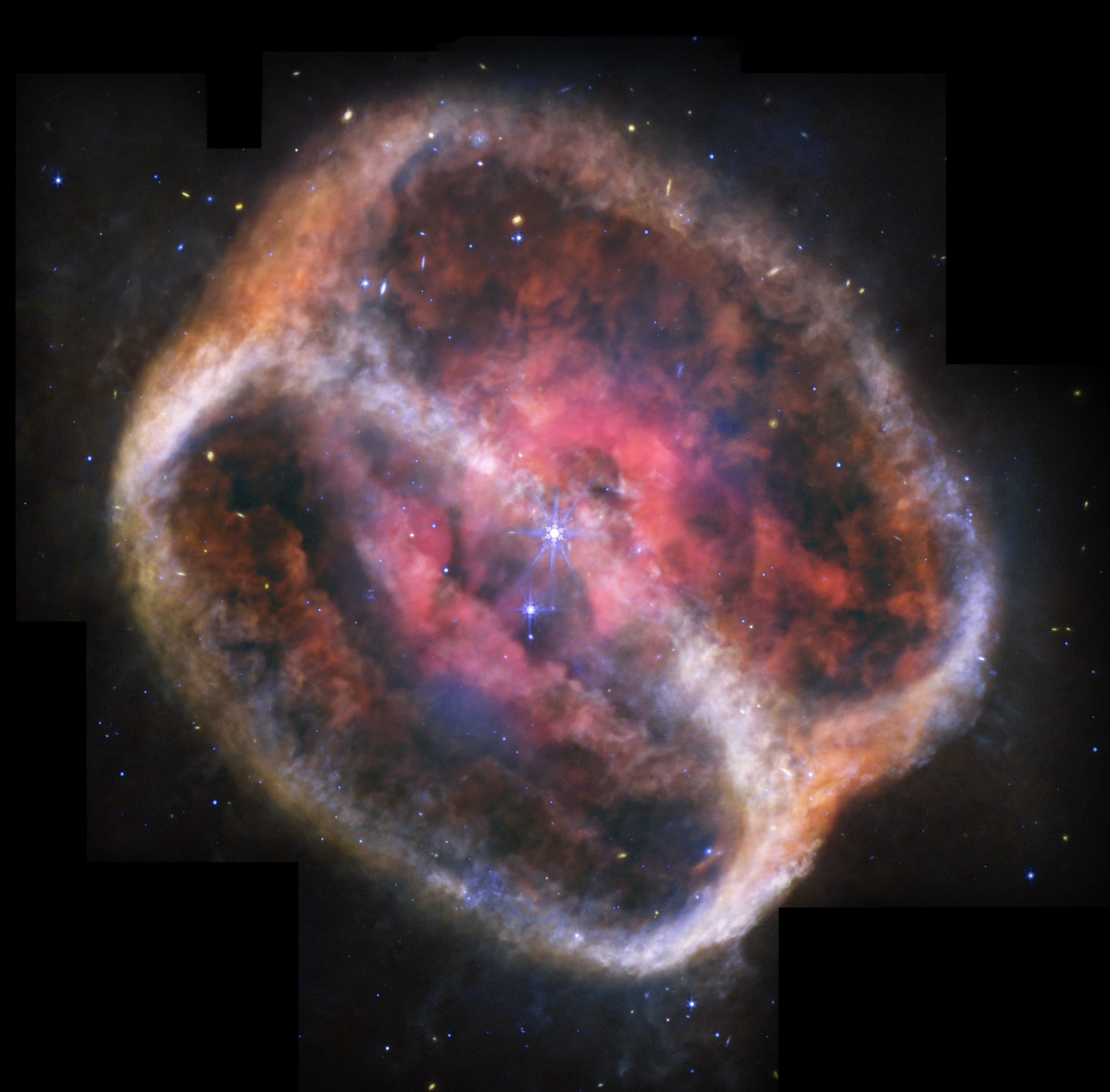
    What looks like a single large, bright star (but is two) shines with bright purple diffraction spikes at the center of a large, diffuse cylinder of gas and dust that is tipped to the right. At the center is a bright pink clumpy cloud that takes up about 25% of the view. The pink region has some holes and diffuse areas. Beyond that are two large rings seen at a roughly 60-degree angle that appear joined at top left and bottom right. The edges are denser, and form shallow V-shapes that go inward. The rings appear orange at top left and bottom right, and are blue at bottom and center right. There is diffuse orange material around the body. The black background of space is speckled with tiny stars and galaxies mostly in blues and yellows. A bigger blue star with spikes is just below and to the left of the central stars, but it is slightly smaller. Areas Webb did not observe are along the top edges, a thin vertical near the nebula at top left, and at the bottom left and right corners.
    NASA’s James Webb Space Telescope has taken the most detailed image of planetary nebula NGC 1514 to date thanks to its unique mid-infrared observations. Webb shows its rings as intricate clumps of dust. It’s also easier to see holes punched through the bright pink central region.
    NASA, ESA, CSA, STScI, Michael Ressler (NASA-JPL), Dave Jones (IAC)

    In this photo released on April 14, 2025, NASA’s James Webb Space Telescope revealed the gas and dust ejected by a dying star at the heart of NGC 1514. Using mid-infrared data showed the “fuzzy” clumps arranged in tangled patterns, and a network of clearer holes close to the central stars shows where faster material punched through.

    This scene has been forming for at least 4,000 years — and will continue to change over many more millennia. At the center are two stars that appear as one in Webb’s observation, and are set off with brilliant diffraction spikes. The stars follow a tight, elongated nine-year orbit and are draped in an arc of dust represented in orange.

    One of these stars, which used to be several times more massive than our Sun, took the lead role in producing this scene. “As it evolved, it puffed up, throwing off layers of gas and dust in in a very slow, dense stellar wind,” said David Jones, a senior scientist at the Institute of Astrophysics on the Canary Islands, who proved there is a binary star system at the center in 2017.

    Learn more about planetary nebula NGC 1514.

    Image credit: NASA, ESA, CSA, STScI, Michael Ressler (NASA-JPL), Dave Jones (IAC)

  • Celebrating Earth as Only NASA Can

    3 min read

    Preparations for Next Moonwalk Simulations Underway (and Underwater)

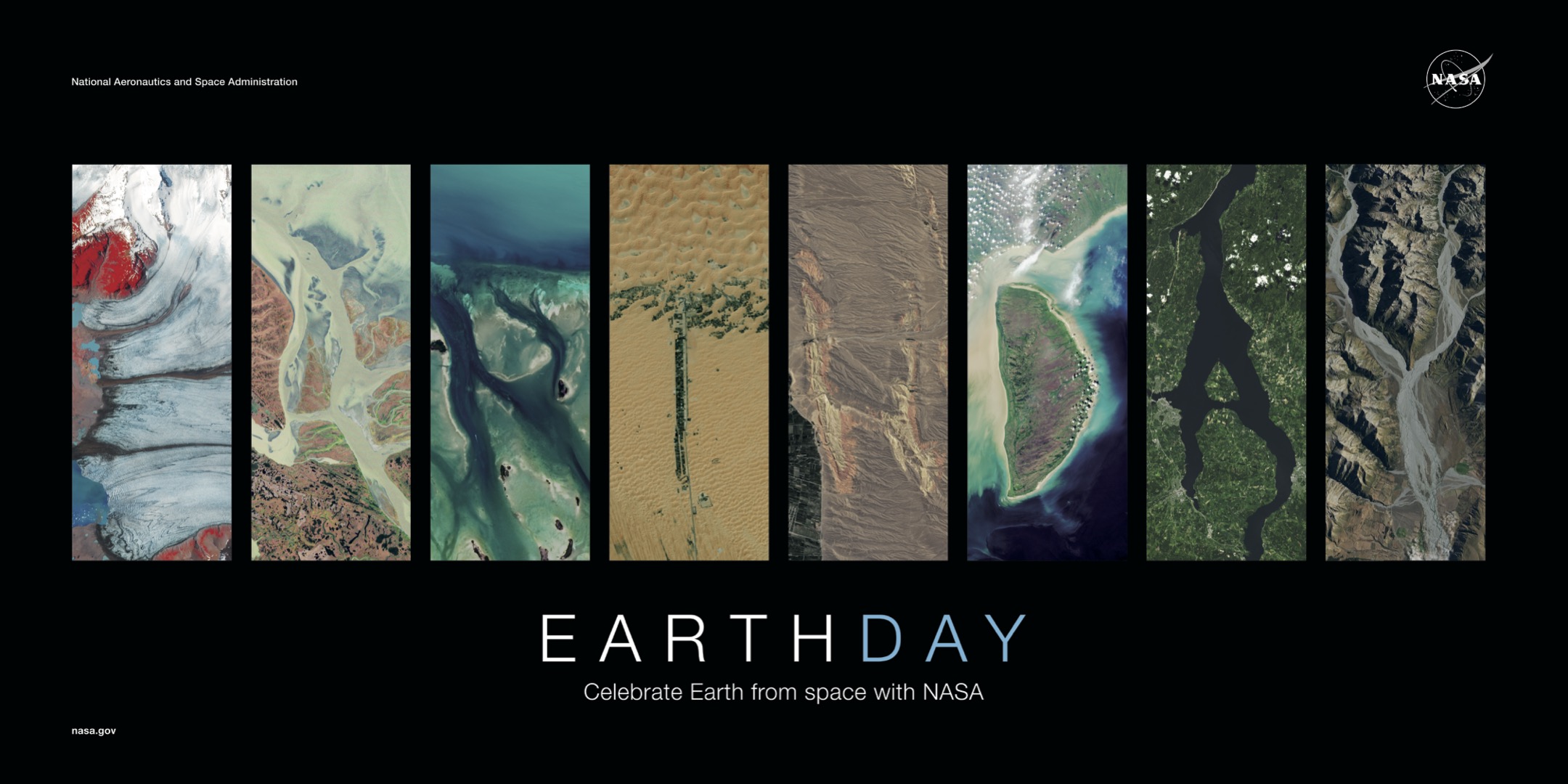
    Images of places on Earth that look like letters, combined to spell out
    NASA’s Earth Day Poster for 2025 uses imagery from the Landsat mission — a joint mission with USGS — to celebrate our home planet.
    NASA/USGS/Landsat

    Lee esta historia en español aquí.

    From the iconic image of Earthrise taken by Apollo 8 crew, to the famous Pale Blue Dot image of Earth snapped by Voyager I spacecraft, to state-of-the-art observations of our planet by new satellites such as PACE (Plankton, Aerosol, Cloud, ocean Ecosystem), NASA has given us novel ways to see our home. This Earth Day, NASA is sharing how — by building on decades of innovation—we use the unique vantage point of space to observe and understand our dynamic planet in ways that we cannot from the ground.

    NASA has been observing Earth from space for more than 60 years, with cutting-edge scientific technology that can revolutionize our understanding of our home planet and provide benefits to all humanity. NASA observations include land data that helps farmers improve crop production, research on the air we breathe, and studies of atmospheric layers high above us that protect every living thing on the planet.

    “NASA Science delivers every second of every day for the benefit all, and it begins with how we observe our home planet from the unique vantage point of space,” said Nicky Fox, associate administrator, Science Mission Directorate at NASA Headquarters in Washington. “Our satellites, Mars rovers, astronauts and other NASA Science missions send back beautiful images of our planet, from the smallest of plankton to the pale blue dot, to help give us a comprehensive, detailed view of our home that we especially celebrate each Earth Day.”

    NASA data and tools are vital to federal, state, local, and international governments to monitor and manage land, air, and water resources. From mapping the ocean floor to finding critical mineral deposits to alerting land managers when fire risk is high, NASA’s data and information informs nearly every aspect of our economy and our lives.

    “Another way NASA celebrates Earth Day is by sharing information about how our science benefits the entire nation, such as by providing U.S. farmers and ranchers with ongoing measurements of water, crop health, wildfire predictions, and knowledge of what is being grown around the world,” said Karen St. Germain, director of NASA’s Earth Science Division at the agency’s headquarters in Washington. “This data informs field level farming and ranching decisions with impact felt as far as the commodity-trading floor and our grocery stores.”

    Next up for NASA’s work to help mitigate natural disasters is a mission called NISAR (NASA-ISRO Synthetic Aperture Radar) which is a partnership between NASA and ISRO (India Space Research Organization). NISAR, which is targeted to launch later this year, will measure land changes from earthquakes, landslides, and volcanos, producing more NASA science data to aid in disaster response. The mission’s radar will detect movements of the planet’s surface as small as 0.4 inches over areas about the size of half a tennis court. By tracking subtle changes in Earth’s surface, it will spot warning signs of imminent volcanic eruptions, help to monitor groundwater supplies, track the melt rate of ice sheets tied to sea level rise, and observe shifts in the distribution of vegetation around the world. 

    From our oceans to our skies, to our ice caps, to our mountains, and to our rivers and streams, NASA’s Earth observations enhance our understanding of the world around us and celebrate the incredible planet we call home.

    To download NASA’s 2025 Earth Day poster, visit:

    https://science.nasa.gov/multimedia/earth-day-2025-poster

  • Sols 4515-4517: Silver Linings

    3 min read

    Sols 4515-4517: Silver Linings

    Grayscale image of Mars on Sol 4514
    This image was taken by Left Navigation Camera onboard NASA’s Mars rover Curiosity on Sol 4514
    NASA/JPL-Caltech

    Written by Lucy Thompson, Planetary Geologist at University of New Brunswick

    Earth planning date: Friday, April 18, 2025

    As the APXS operations person today, I was hopeful that we could plan a compositional measurement after brushing one of the bedrock blocks in front of the rover. However, it soon became clear that the rover was not on stable enough ground to safely unstow the arm and place APXS and MAHLI. Silver linings though; by not having any arm movement in this plan, which requires significant energy, we were able to conserve power for what we hope will be a busy week of upcoming science activities as we drive towards our next high priority area of interest – the so-called boxwork formations. These are large resistant ridges identified from orbit, which may be the result of fracturing, fluid flow and alteration within the sulfate unit that we are traversing through. We plan to image them on approach to gain insights into their context.

    Despite the loss of arm activities, we still have plenty of interesting observations planned for this 3-sol weekend. ChemCam will fire its laser at two separate rock targets, “Santa Ynez” and “Cahuilla”, which will also be captured with Mastcam documentation images. The targets are on two different bedrock blocks with the “Cahuilla” raster focused on a thin resistant layer. ChemCam will also use its remote imaging capabilities to obtain mosaics of the “Texoli” butte and another interesting feature, “Torote Bowl”. Mastcam will capture mosaics of “San Gabriel River” (an apparent angular contact) and of some sand troughs surrounding many of the bedrock blocks in this region. An image will also be acquired of a small, grey float pebble, “Piru Creek.”

    The environmental science group was also able to plan a number of activities to catch up on their regular cadence, which has been impacted by the recent power constraints. We are acquiring Navcam line of sight observations (x2), suprahorizon movies (x2), a zenith movie and a 360 degree sky survey, as well as a Mastcam sky survey. Coordinated ChemCam passive sky and APXS atmospheric observations are also planned.

    There is a ~19 m drive planned through this tricky terrain that will hopefully set us up for arm activities (APXS and MAHLI) in our new workspace next week. The plan is completed with standard RAD, DAN and REMS activities, as well as two MARDI images to record the terrain beneath the rover in the current and new workspace.