Tag: JAXA

  • [ISS / Japanese Experiment Module (KIBO)] Development of new experimental platform 'MARS' – Multiple Artificial-gravity Research System – to elucidate the impacts of micro/partial gravity on mice

    Development of new experimental platform ‘MARS’ – Multiple Artificial-gravity Research System – to elucidate the impacts of micro/partial gravity on mice

    Last Updated:
    September 26, 2017

    This Japan Aerospace Exploration Agency (JAXA) project focused on elucidating the impacts of partial gravity (partial g) and microgravity (μg) on mice using newly developed mouse habitat cage units (HCU) that can be installed in the Centrifuge-equipped Biological Experiment Facility (CBEF) in the International Space Station Kibo module.

    In the first mission, 12 C57BL/6 J male mice were housed under μg or artificial earth-gravity (1 g). Mouse activity was monitored daily via downlinked videos; μg mice floated inside the HCU, whereas artificial 1 g mice were on their feet on the floor.

    After 35 days of habitation, all mice were returned to the Earth and processed. Significant decreases were evident in femur bone density and the soleus/gastrocnemius muscle weights of μg mice, whereas artificial 1 g mice maintained the same bone density and muscle weight as mice in the ground control experiment, in which housing conditions in the flight experiment were replicated.

    These data indicate that these changes were particularly because of gravity. They also present the first evidence that the addition of gravity can prevent decreases in bone density and muscle mass, and that the new platform ‘MARS’ may provide novel insights on the molecular-mechanisms regulating biological processes controlled by partial gg.

    This study is published in Nature Scientific Reports, please visit:
    Scientific Reports

    *All times are Japan Standard Time (JST)

    Let’s block ads! (Why?)

  • [ISS / Japanese Experiment Module (KIBO)] UNOOSA and JAXA open Third round of KiboCUBE

    Topics 2017

    September 2017

    Sep. 26, 2017 Updated
    UNOOSA and JAXA open Third round of KiboCUBE

    Japan Aerospace Exploration Agency and the United Nations Office for Outer Space Affairs, UNOOSA, launched a three year “KiboCUBE” programme in September 2015, which offered developing countries the opportunity to deploy small satellites from Japanese Experiment Module “Kibo” on the International Space Station (ISS). This initiative aims to contribute to the technological advancement of space activities in developing countries, and its first and second round of applications have been conducted until now.
    In the “Four Actions of Science and Technology Diplomacy to Implement the SDGs” produced under the Advisory Board for Promotion of Science and Technology Diplomacy of the Ministry of Foreign Affairs (MOFA), it is noted that the deployment of small satellites from Kibo will support the space technological development for emerging and developing countries. KiboCUBE is expected to also contribute to the achievement of the SDGs.

    On September 26, JAXA held a media briefing with UNOOSA in the 68th International Astronautical Congress (IAC) at Adelaide, Australia. During the briefing, there was an announcement of the third round of KiboCUBE along with introduction of the programme.

    Photo: Media Briefing at IAC 2017 in Adelaide September 26, 2017
    Dr. Koichi Wakata, ISS Program Manager in JAXA (left), Mr. Luis Zea, Coordinators of the Project in Universidad del Valle de Guatemala (center), and Ms. Simonetta Di Pippo, Director of UNOOSA (right)

    UNOOSA and JAXA open Third round of KiboCUBE

    Sep. 12, 2017 Updated
    T-8 weeks+, ASNARO-2/Epsilon 3 Launch on November 12

    JAXA announces that the Epsilon 3 launch encapsulating the second Advance Satellite with New System Architecture for Observation (ASNARO-2) is scheduled on November 12, 2017. The launch window is 6 a.m. through 6:35 a.m., in Japan Standard time.
    Epsilon launch is not new – the proceeding two were sent up to space. Epsilon 3 has had improved its mechanism for satellite separation. Preparation for the launch is underway.
    On the day of the launch, there will be live feed from the JAXA Uchinoura Space Center. The details soon will begin to come out.

    T-8 weeks+, ASNARO-2/Epsilon 3 Launch on November 12

    Sep. 8, 2017 Updated
    KIBO Space Mouse Experiment Published on Scientific Reports

    JAXA conducted a long-term experiment on mice under two different gravitational conditions – microgravity (μg) and artificial earth-gravity (1 g). This was JAXA’s first attempt using the newly developed mouse habitat cage units installed in the Centrifuge-equipped Biological Experiment Facility (Images) in the KIBO Experiment Module aboard the International Space Station. Following their 35-day habitation in space, JAXA, in collaboration with Tsukuba University and other academic institutions went through the analysis of the bone density and muscle mass of the space mice brought back to the Earth. μg mice experienced significant decreases in their bone density and muscle weights, which were not present in artificial 1 g mice. These data indicate that gravity determines the general body structure of animals. This result was derived through the comparison of the effects of altered gravitational conditions alone, eliminating other variations. At 10 a.m. (U.K. time), September 7, “Scientific Reports”, an online journal from the publishers of “Nature” published this research. The findings will advance space exploration and elucidate the evolutional process of animals on Earth, where the gravity is a principle force.

    KIBO Space Mouse Experiment Published on Scientific Reports

    August 2017

    Aug. 19, 2017 Updated
    Success of H-IIA F35 Launch with MICHIBIKI-3 Aboard

    Jul. 25, 2017 Updated
    ALOS-2 Captures Massive Iceberg’s Breakoff from Antarctica

    On July 12, 2017, an iceberg split off from Antarctica’s Larsen C iceberg. With use of ALOS-2’s wide-area observatory mode, JAXA was able to capture the entire calving image.
    Larsen C, a floating platform of glacial ice on the east side of the Antarctic Peninsula, is among the largest ice shelves ringing Earth’s southernmost continent. The breakage, taking a chunk of its mass away from the Larsen C area, is now a matter of particular interest to glaciologists around the world, as it could also contribute to sea level rise.
    In the past, partial fractures occurred in the area. However, the last calving event is incomparably massive, possibly causing the glaciers to accelerate that flow into Larsen C and more rifts to grow.
    JAXA will continue the ALOS-2 operations to monitor the area.

    ALOS-2 Captures Massive Iceberg's Breakoff from Antarctica

    Jul. 14, 2017 Updated
    SHIKISAI & TSUBAME, New Names of GCOM-C & SLATS

    JAXA announced the month-long project to invite the public to rename the Global Change Observation Mission – Climate (GCOM-C) and the Super Low Altitude Test Satellite (SLATS), both to launch together this fiscal year. After careful examination of the 12,895 applications, SHIKISAI, meaning colors in Japanese has been chosen as new name of GCOM-C, and likewise, TSUBAME, or swallow, of SLATS.
    JAXA is sincerely grateful for the applications.
    JAXA will update the SHIKISAI and TSUBAME missions. Continuous support by all is cordially appreciated.

    SHIKISAI & TSUBAME, New Names of GCOM-C & SLATS

    Jul. 12, 2017 Updated
    Send EPSILON-3 up to Space with Cheer

    JAXA is inviting all to write notes to cheer on the project members and the mission of Epsilon-3, to be launched this fiscal year.
    The project members of the past series of Epsilon launches have drawn strength from the similar campaigns.
    The notes sent to JAXA will be printed as part of the decal (sticker) attached to the body of the launch vehicle. JAXA appreciates the positive participation by many.

    Application Deadline: 5 pm (JST), August 7, 2017
    *The deadline has been changed.

    Send EPSILON-3 up to Space with Cheer

    Jun. 13, 2017 Updated
    KIBO Experiment Video Is up on Government’s Innovation Japan Website

    The video of protein crystallization is up on Innovation Japan, Cabinet Secretariat’s website – conducted by JAXA’s astronaut Takuya Onishi in KIBO module on his last long term International Space Station expedition. JAXA’s strategic partnership with Japanese biopharma, PeptiDream Inc. has been crystallized into this innovative experiment under near zero G.

    It is part of JAXA’s endeavor to help advance pharmaceutical research – our technology, business partnership and the hard-earned results are pushing back the frontiers in medicine.

    KIBO Experiment Video Is up on Government's Innovation Japan Website

    Jun. 1, 2017 Updated
    Success of H-IIA F34 Launch with MICHIBIKI-2 Aboard

    May 25, 2017 Updated
    Freeze-Dried Spermatozoa Preserved in KIBO Reproduces World’s First Space Mouse

    Sayaka Wakayama (Advanced Biotechnology Center, University of Yamanashi), Teruhiko Wakayama (Faculty of Life and Environmental Sciences, University of Yamanashi), Sachiko Yano (Space Environment Utilization Center, JAXA) and other researchers examined the damage that irradiation causes to mouse spermatozoa held in Japanese KIBO experiment module aboard the International Space Station. Using freeze-dried spermatozoa, the research team produced healthy offspring, and thus accomplished the unprecedented feat in biological sciences.
    Their results were nominated in “In This Issue” of Proceedings of the National Academy of Sciences of the United States of America, and were published on the website on May 22, USA time/ at 4 am, May 23, Japan time.

    Freeze-Dried Spermatozoa Preserved in KIBO Reproduces World’s First Space Mouse

    March 2017

    Mar. 31, 2017 Updated
    LE-9 Engine Assembled, Shipped for Testing

    On March 31, in Tanegashima Space Center, LE-9 engine for the new H3 type of launch vehicles was installed on the facility’s firing test stand used for liquid fuel boosters. The test schedule will be available on the website as soon as determined.

    LE-9 Engine Assembled, Shipped for Testing

    Mar. 29, 2017 Updated
    Arase off to Science Operations Phase

    JAXA confirmed completion of the commissioning phase of ARASE, formerly known as ERG, Exploration of energization and Radiation in Geospace. ARASE has entered its science operations phase. The call was made as the following procedure took place as scheduled and was confirmed; the satellite post launch orbital systems are in place, their functions are determined as fine, all monitoring instruments are installed, and the motions of the monitoring equipment are checked.
    ARASE is in good condition, with all its onboard apparatus for science observations performing well since activated.

    Arase off to Science Operations Phase

    Mar. 24, 2017 Updated
    Tanegashima Space Museum to Reopen

    On March 26, Tanegashima space museum will reopen after its first renovation in 20 years.
    Among its new attractions are Liftoff Theater where visitors watch dynamic rocket launches, Kibo Photo Spot where photos can be taken that resemble zero gravity, and Rocket Garage where H-II Rocket No. 7 and other launch vehicles are on display.
    The exhibition space of Masuda Tracking and Communication Station has also been updated.
    JAXA cordially welcomes visitors.

    Tanegashima Space Museum to Reopen

    Mar. 23, 2017 Updated
    Continued Record Low Antarctic Sea Ice Extent

    Global sea ice extent hit record low, according to observations from Shizuku on Global Change Observation Mission on January 14, 2017. It is all time low in the history of GCOM-W operation that started in 1978, JAXA continues operation of Shizuku and GCOM-C and monitoring arctic sea ice extent, off the coast of Greenland Sea and the rest of the arctic circle.
    Related information is also available at the following links:

    Continued Record Low Antarctic Sea Ice Extent

    February 2017

    Feb. 22, 2017 Updated
    QZS-1 off to the Cabinet Office’s Control

    Feb. 21, 2017 Updated
    GCOM-W: Sea Ice Hits Record Low

    Global sea ice extent hit record low, according to observations from Shizuku on Global Change Observation Mission on January 14, 2017. It is all time low in the history of satellite operation that started in 1978, JAXA continues operation of Shizuku and GCOM-C and monitoring arctic sea ice extent, off the coast of Greenland Sea and the rest of the arctic circle.
    Related information is also available at the following links:

    GCOM-W: Sea Ice Hits Record Low

    Feb. 6, 2017 Updated
    KOUNOTORI6 completed its mission with re-entry!

    The KOUNOTORI6 (HTV6, a cargo transporter to the International Space Station) left the ISS on Jan. 28 and re-entered the atmosphere at around 0:06 a.m. on Feb. 6 (Japan Standard Time.)
    KOUNOTORI6 successfully completed its cargo supply mission to the ISS.

    KOUNOTORI6 completed its mission with re-entry!

    January 2017

    Jan. 16, 2017 Updated
    Successful deployment of six CubeSats delivered by KOUNOTORI6

    On January 16, 2017, from 6:10 p.m. – 7:50 p.m. (Japan time), a total of six microsatellites abroad HTV6 were successfully deployed into orbit from the Japanese Experiment Module (“Kibo”).
    These CubeSats were discharged on December 9 aboard the H-II Transfer Vehicle KOUNOTORI6 and arrived at the ISS on December 14 ,2016.
    On December 19, STARS-C CubeSat was also deployed from KIBO.

    Successful deployment of six CubeSats delivered by KOUNOTORI6

    Jan. 11, 2017 Updated
    Completion of KIKU No. 8 Operation

    At 3:25 p.m., (Japan Standard Time) January 10, 2017, JAXA terminated its Engineering Test Satellite-VIII KIKU No.8 (ETS-III) transmission, thus brought a closure to the satellite’s operation.
    KIKU No. 8 was built for demonstration and experiment, with the purpose of improvement of mobile communications system. When Japan earthquake and tsunami of 2011 broke out, the satellite did the much needed service of providing the internet access for the afflicted region.
    Launched on December 18, 2006, KIKU No. 8 marked its 3-year mission period and on December 18, 2016, completed its 10-year design life. The satellite’s fuel ran low that controlled its attitude and orbit after the decade long operation. In addition, an outdated satellite lying in space can undermine the operation of others. Therefore JAXA made a call to discontinue using the probe. KIKU No. 8 was thrown out of its stationary orbit and ceased to function.

    Completion of KIKU No. 8 Operation

    Updates 2017

    Let’s block ads! (Why?)

  • [ISS / Japanese Experiment Module (KIBO)] JAXA and NASA hold their second workshop on ISS utilization!

    JAXA and NASA hold their second workshop on ISS utilization!

    Last Updated:
    September 26, 2017

    As part of the Japan-US Open Platform Partnership Program (JP-US OP3*), a joint effort uniting the governments of Japan and the United States, JAXA and NASA held a workshop on International Space Station (ISS) utilization on July 17. The workshops provide a forum for showcasing a variety of topics, such as the utilization strategies and achievements of JAXA and NASA and the experimentation environments available at both research organizations, to help generate and maximize the benefits of utilizing the Kibo module and the ISS as a whole.

    *The governments of Japan and the United States signed an agreement in December 2015 to launch JP-US OP3, a new collaborative framework for the extension of ISS operations through 2024.

    Rundown of the JAXA/NASA joint workshop

    Date: July 17 (Mon.), 2017
    Location: Washington, DC (USA)
    Participants: Approximately 200 participants, mostly potential users from the United States

    JAXA/NASA joint workshop (Credit: JAXA)

    (from left) Takashi Hamazaki (Vice President, Director General, Human Spaceflight Technology Directorate, JAXA), William Gerstenmaier (Associate Administrator, NASA), Marybeth Edeen (Research Integration Office Manager, NASA), Kazuyuki Tasaki (Head of the Kibo Utilization Center, JAXA), Kunihiro Matsumoto (Senior Technician, JEM Small Satellite On-orbit Deployer) (Credit: JAXA)

    Overview

    At the workshop, the second in a series that began last year, JAXA’s Takashi Hamazaki (Vice President, Director General, Human Spaceflight Technology Directorate) and NASA’s William Gerstenmaier (Associate Administrator for the Human Exploration and Operations Directorate) voiced their expectations that the JAXA/NASA utilization partnership would continue to accelerate and produce outstanding results. The two also spoke about hopes for more opportunities for expanded utilization as the collaborative utilization community continues to develop. (*See below for full transcripts of the addresses

    NASA presentation (summary)

    NASA expressed its gratitude that the JP-US OP3 gives US users access to unique JAXA experimentation facilities that previously have been unavailable for NASA use. Moving forward, the NASA spokesperson explained, both JAXA and NASA need to work to create more opportunities for utilization in hopes of maximizing the benefits coming from the ISS.

    JAXA presentation (summary)
    1. JAXA successfully completed its first mice-based testing via newly developed equipment capable of generating partial-g environments.
      Under this special arrangement between Japan and the United States, access provision is taking a higher priority.
    2. JAXA is also working on outboard equipment. One approach involves providing paid access to an experiment platform (featuring a mid-size exposure experiment adapter, simplified exposure experiment system, and the JEM Small Satellite On-orbit Deployer) that delivers high-frequency performance in small and mid-size applications to make the Exposed Facility more user-friendly.

    Rundown of the ISS R&D Conference

    Dates: July 18 (Tue.)-20 (Thu.), 2017
    Location: Washington, DC (USA)
    Sponsors: NASA, CASIS*1, and AAS*2
    Participants: 1,035 registered participants over three days (compared to approximately 700 last year)

    *1: The Center for the Advancement of Science in Space (an American NPO)
    *2: American Astronautical Society

    ISS R&D Conference (Credit: JAXA)

    Overview

    1. Plenary panel (approximately 300 participants)
      • Speakers: 4
        NASA: Kirk Shireman (ISS Program Manager)
        CASIS: Greg Johnson (Executive Director)
        AAS: Carol Lane (President)
        US Representative Brian Babin (Member of Congress)
      • Details:
        The gathering gave new users information on the outcomes and merits of ISS utilization and fostered discussions about efforts to maximize the benefits of the ISS.
    2. Japan’s JEM Small Satellite On-orbit Deployer Team wins an ISS Research Award!
      The event featured a total of seven presentations, including several technical sessions, providing attendees with information on Kibo utilization benefits and Japan-US collaboration under the JP-US OP3 arrangement. The JEM Small Satellite On-orbit Deployer platform, which uses JAXA’s Kibo module, took home one of eight ISS Research Awards. Japanese projects have now garnered ISS Research Awards for two consecutive years.

        <ISS Research Award>

    I. JEM Small Satellite On-orbit Deployer(J-SSOD)

    Winner: Kunihiro Matsumoto (JAXA)

    Joint prize winners
    – Hiroki Akagi (JAXA)
    – Masaru Wada (JAXA)
    – Takayuki Sato (JAXA)

    Full text

    Full text of the address by Takashi Hamazaki
    (Vice President, Director General, Human Spaceflight Technology Directorate)

    In December 2015, the Japanese and US governments announced the Japan-US Open Platform Partnership Program (JP-US OP3). OP3, which requires NASA and JAXA to develop new collaborative initiatives via ISS utilization, charges the two organizations with the task of showing the respective governments new efforts that stretch beyond the possibilities of the existing arrangement. To push OP3 ahead, we are currently at work on a new collaboration plan defining rules, guidelines, and other matters.

    Last year, the ISS R&D community held a workshop for US users in an effort to propel OP3 forward. Today’s event is the second such workshop, furthering an initiative that we hope to continue with a similar gathering in Tokyo this coming November.

    Since last year, JAXA has been taking advantage of Kibo’s unique capabilities to generate a variety of remarkable results. We are now promoting the use of promising components for utilization, such as our PCG and Exposed Facility.

    We also successfully completed our first-ever mice-based experiments using our newly developed Mouse Habitat Unit and our very own system for creating partial-g environments. Given the importance of the new, unique Mouse Habitat Unit to Japanese researchers, we were not originally planning to give international partners access to the technology through the existing framework. Under the special OP3 arrangement between Japan and the United States, however, we are making collaborative utilization a higher priority (through fair, reciprocal exchange in accordance with the collaboration plan).

    We developed i-SEEP and other unique systems to make Kibo’s Exposed Facility more user-friendly, as well. For details on these systems, which are also available for commercial use, visit booth 22.

    Utilization of these onboard and outboard facilities will undoubtedly enhance the value of the ISS and produce tremendous benefits. I hope that today’s workshop accelerates Japan-US collaboration on the ISS and the Kibo module.

    Full transcript of the address by NASA’s William Gerstenmaier
    (Associate Administrator for the Human Exploration and Operations Directorate)

    Good afternoon. I’m delighted to be here today with Mr. Hamazaki and our Japanese colleagues to make some opening remarks at this second JAXA/NASA joint workshop. It is truly exciting to see so many people interested in using the ISS and understanding the unique capabilities of the Kibo module for pressurized payloads and unpressurized payloads.

    The Japan-U.S. Open Platform Partnership Program, or OP3, enables U.S. investigators access to JAXA facilities that may previously have been unavailable for NASA use. Our JAXA colleagues have some very unique hardware capabilities that are not available anywhere else in the ISS partnership. These include things like as rodent centrifuges, aquatic habitats and high temperature material property testing capability. Today you will hear some details about these and other capabilities.

    NASA’s priority is for joint scientific research that enables investigators to use both NASA and JAXA ISS facilities, focusing on expanded research for all, and to demonstrate the many ways we are advancing our OP3 goals. As you listen to our JAXA colleagues describe the unique facilities they bring to the ISS, be thinking about what types of questions and discoveries could be made. As we all work together to maximize the research and benefits coming from the ISS, NASA and JAXA are ready to work with the U.S. research community to enable access to these one of a kind facilities.

    I want to thank our Japanese partners for making these opportunities available and hope that this partnership expands the research opportunities for all researchers. JAXA has continued to improve capabilities and access opportunities for researchers from the workshop that was held last year. Mr. Hamazaki and his team will show you through several presentations examples of the research made possible through these unique facilities. JAXA has a tremendous research capability on ISS and continuing to improve that capability.

    Let’s block ads! (Why?)

  • [ISS / Japanese Experiment Module (KIBO)] Release on updated images of Kibo's internal drone "Int-Ball" (Int-Ball Letter Vol. 5)

    Release on updated images of Kibo’s internal drone “Int-Ball” (Int-Ball Letter Vol. 5)

    Last Updated:
    September 11, 2017

    The Japan Aerospace Exploration Agency (JAXA) has disclosed “Int-Ball Letter” Vol. 5 in which the latest video of the Kibo’s internal drone on the International Space Station (ISS) is presented.

    This time, we will introduce how Int-Ball has grown as a buddy of ISS crew members. After its launch in June 2017, Int-Ball underwent the initial checkout on the ISS by NASA Astronaut Peggy Whitson and Astronaut Jack Fischer.

    They returned to Earth on September 3, 2017 (JST). Let’s get a glimpse of the 3-month challenge and interaction that Int-Ball and they had on the ISS.

    JEM Internal Ball Camera (Int-Ball) (3m16s) (Credit:JAXA)

    Int-Ball Letter Vol. 1: Started working in space!
    Int-Ball Letter Vol. 2: Body control
    Int-Ball Letter Vol. 3: Exploring inside “Kibo”!
    Int-Ball Letter Vol. 4: Encounter with Astronaut Kanai
    See here for further information on Int-Ball and the first disclosures of images: 
    First disclosure of images taken by the Kibo’s internal drone “Int-Ball”
    See here for further information on the Miniaturized Attitude Control Sensors and Actuators in an All-in-one Module installed in the Int-Ball: 
    JAXA Research and Development Directorate

    *All times are Japan Standard Time (JST)

    Let’s block ads! (Why?)

  • [ISS / Japanese Experiment Module (KIBO)] Asian Try Zero-G 2018 Experiment Ideas Selected

    Asian Try Zero-G 2018 Experiment Ideas Selected

    Last Updated: September 7, 2017

    Kibo-ABC called for the proposal of a simple space experiment (for “Asian Try Zero-G 2018″) to be conducted by JAXA astronaut Norishige Kanai onboard the International Space Station (ISS)/Kibo. As a result, 169 experiment proposals were submitted from 361 students and young engineers/researchers in Asian countries.

    As the first step in the selection process, these proposals were screened by each Kibo-ABC member agency, with 26 proposals from seven Asian countries being recommended. Then the screened proposals were reviewed and discussed by all Kibo-ABC agencies to decide the onboard experiment candidates. JAXA specialists including JAXA astronauts with experience in previous onboard Asian Try Zero-G experiments also supported the final stage of the selection process.

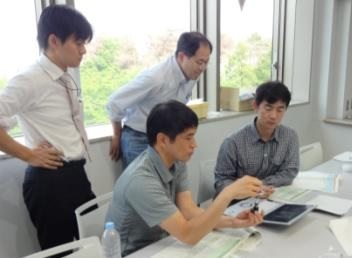
    Technical discussion with JAXA astronauts Kimiya Yui and Takuya Onishi, and space experiment experts.

    Technical discussion with JAXA astronauts Kimiya Yui and Takuya Onishi, and space experiment experts.(Credit:JAXA)

    The following illustrates the selected 8 experiment proposals. (12 proposals were selected, and similar experiments were combined.)

    There are two big differences from the previous Asian Try Zero-G programs–the new participation of Japanese high school students and new opportunities to launch experiment tools to the ISS. Some launch tools are to be prepared by Asian proposers/Kibo-ABC agencies.

    The experiments selected for “Asian Try Zero-G 2018”

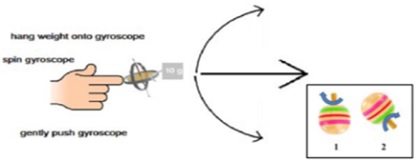
    Title Gyroscope & Tippe Top
    Countries Singapore /Philippines/Vietnam
    Experiment To observe the reaction of the gyroscope when pressing it in one direction, while altering the center of gravity with an additional weight, and to also observe the movement of the Tippe Top.

    (Credit:SSTA)

    (Credit:VAST/STI)

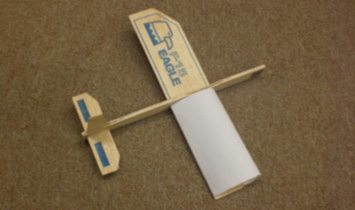
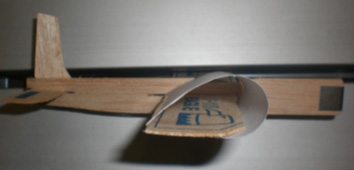
    Title Aircraft Stability
    Countries Singapore(2 proposals combined)
    Experiment To test the effect of ‘teardrop’ wings, and the effect of changing the neutral point of the aircraft.

    (Credit:SSTA)

    Title Spinning Ring
    Countries Malaysia
    Experiment To rotate a ring around a stick like a hula hoop, and observe how the ring moves under zero-G conditions.

    (Credit:ANGKASA)

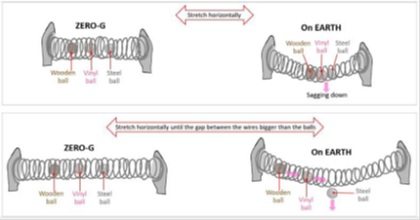
    Title Balls inside Slinky
    Countries Thailand
    Experiment To observe how three balls move inside the Slinky when applying vibration and centrifugal force to the Slinky.

    (Credit:NSTDA/GISTDA)

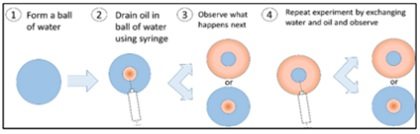
    Title Double-Layered Liquid Ball
    Countries Philippines
    Experiment To try to form a double ball using water and oil to check whether the double ball can be formed in zero-G.

    (Credit:DOST-SEI)

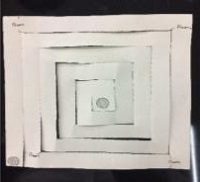
    Title Paper Spring
    Countries Japan
    Experiment To observe the movement of a paper spring with weight attached to both ends in zero-G.

    (Credit:JAXA)

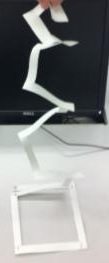
    Title Wire Top
    Countries Japan
    Experiment To observe the movement of a rotating Wire Top, where it is well-known that a rotating pair of pliers in zero-G inverts its attitude upside-down.

    (Credit:JAXA)

    The experiments are subject to change due to following technical coordination.

    Let’s block ads! (Why?)

  • [Institute of Space and Astronautical Science (ISAS)] Akatsuki Revealed Equtorial Jet in the Venusian Atomosphere

    Observations by Japan’s Venus climate orbiter Akatsuki have revealed an equatorial jet in the lower to middle cloud layer of the planet’s atmosphere, a finding that could be pivotal to unraveling a phenomenon called super-rotation. The results appear in Nature Geoscience.

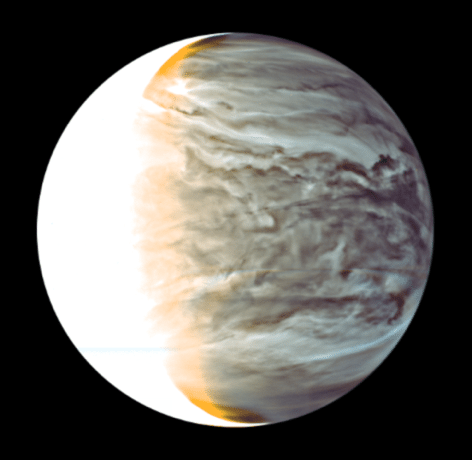
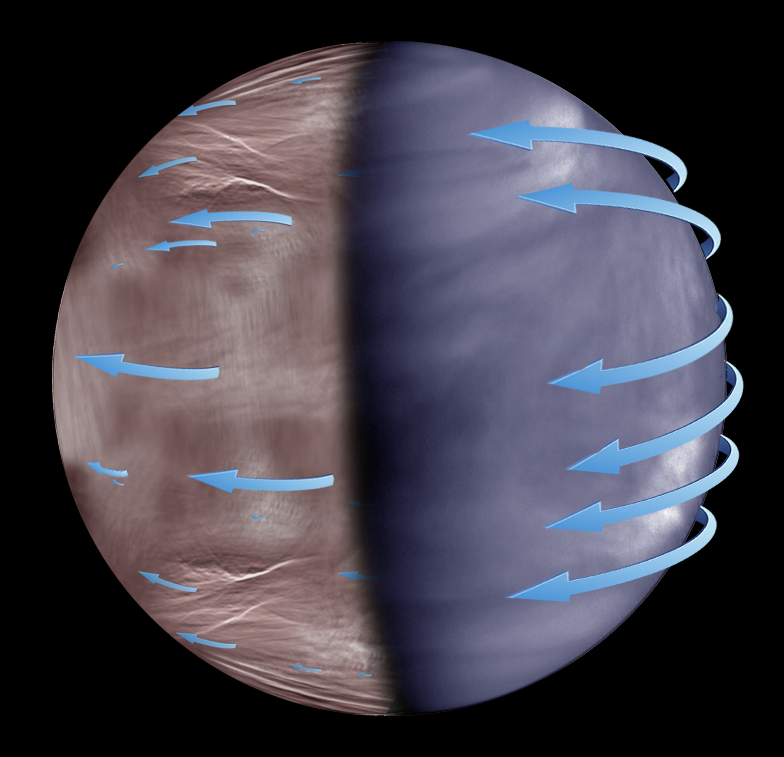
    Figure 1: Artificial rendering of Akatsuki's observations for the night side of Venus.

    Figure 1: Artificial rendering of Akatsuki’s observations for the night side of Venus. Akatsuki’s near-infrared camera IR2 depicts the cloud density as silhouettes owing to the backlighting produced by thermal radiation from the atmosphere near the surface. (c) PLANET-C Project Team
    Download: [JPG: 3.1MB: (3840x2160px)] [JPG: 1.1MB: (1920x1080px)]

    Venus and Earth have a lot in common, and Venus is sometimes called as a sister planet of Earth. Their masses, densities, and radii are similar. Their orbital periods are not so different. However, comparing their atmospheres, Venus and Earth are truly different. Venus is covered with thick clouds extended from altitudes of 45 km to 70 km. These dense clouds scatter back to space about 80% of the radiation received from the Sun. Venus’s atmosphere has rapidly moving clouds: the cloud tops circles the planet 60 times faster than the planet’s rotational period. This phenomenon called as super-rotation was discovered in 1960’s, and the atmospheric mechanisms responsible for the formation is holding onto mysteries that researchers now aim to unravel with Akatsuki’s data.

    Although lower-altitude clouds cannot be seen through with visible light, Akatsuki’s near-infrared camera IR2 successfully tracked the clouds – in particular, thicker clouds between 45 kilometers to 60 kilometers in altitude. This was made possible by observing the silhouettes of clouds that appear when infrared light from thermal radiation originating in the lower atmosphere filter through clouds.

    Figure 2a: False color image of cloud patterns on the night side of Venus taken by the Akatsuki's IR2 camera.

    Figure 2a: False color image of cloud patterns on the night side of Venus taken by the Akatsuki’s IR2 camera. Thicker clouds are expressed as darker because thick clouds hamper infrared lights coming from the lower layer of the atmosphere. (c) PLANET-C Project Team

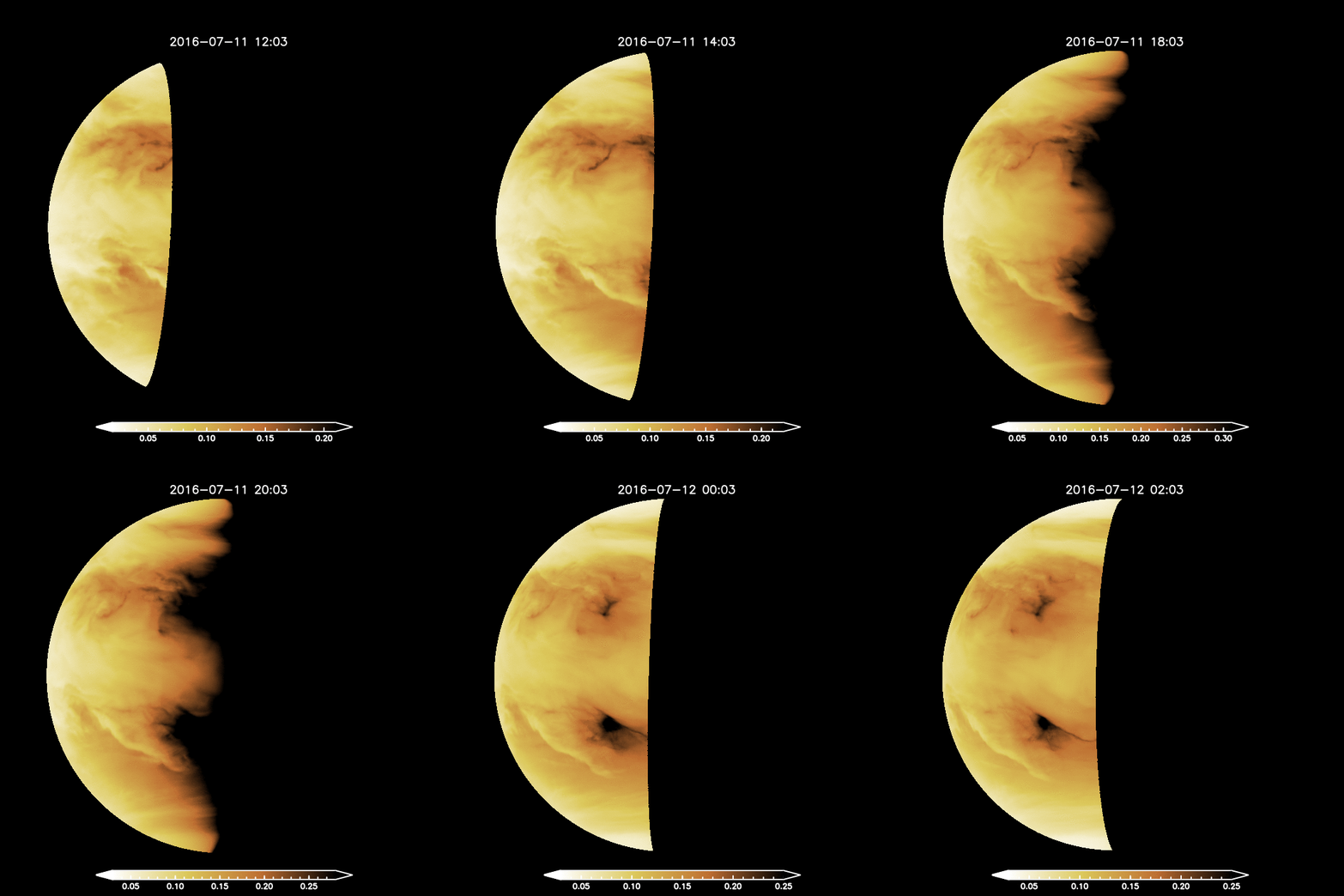
    Figure 2b: Pseudo-color images showing two-hourly data acquired by the Akatsuki's IR2 camera.

    Figure 2b: Pseudo-color images showing two-hourly data acquired by the Akatsuki’s IR2 camera. (c) PLANET-C Project Team

    Similar observations were previously made by the Venus Express orbiter of the European Space Agency and Galileo spacecraft of the U.S. National Aeronautics and Space Administration, but they provided only limited data of the planet’s low-latitude zones. From these observations, scientists speculated that wind speeds at lower-to-middle cloud altitudes are horizontally uniform and have few temporal variations.

    A research team led by Takeshi Horinouchi (Hokkaido University) analyzed the data collected by Akatsuki between March and August 2016. The team employed a cloud-tracking method they recently developed to deduce horizontal distributions of winds based on data from Akatsuki.

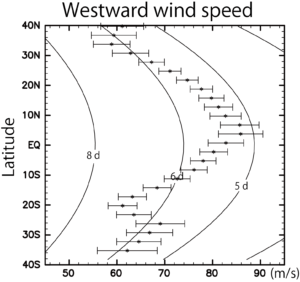
    Deriving the wind speed based on images taken by the IR2 camera in July 2016, the researchers noticed a feature previously unseen at any altitude: the wind speed around the rotational axis peaks near the equator. Since the wind speed maximum occurs near the equator, the research team has named the feature as the equatorial jet. The team also found that the equatorial jet existed at least two months. On the other hand, in March that year, the wind velocities in the same latitude zones were rather slow – thus there was no jet.

    Figure 3: Westward wind speed obtained from the IR2 observations on July 11-12, 2016; longitudinally averaged winds are shown with respect to latitude.

    Figure 3: Westward wind speed obtained from the IR2 observations on July 11-12, 2016; longitudinally averaged winds are shown with respect to latitude. The wind speed peaks at low latitude indicating the jet. (c) PLANET-C Project Team

    The findings showed for the first time that wind velocities can be markedly high forming a jet near the equator, which has never been found not only in the scantily observed lower to middle cloud layers but also in the more-extensively studied high layers.

    “Our study uncovered that wind velocities in the lower-to-middle cloud layer have temporal and spatial variabilities much greater than previously thought,” says Takeshi Horinouchi. “Although it remains unclear why such an equatorial jet appears, the mechanisms that could cause it are limited and related to various theories about superrotation. So, further study of the Akatsuki data should help glean useful knowledge not only about local jets but also would help address superrotation theories.”

    Let’s block ads! (Why?)

  • [Institute of Space and Astronautical Science (ISAS)] Great American Eclipse on 21 August 2017: public release of images and videos taken by the "Hinode" satellite

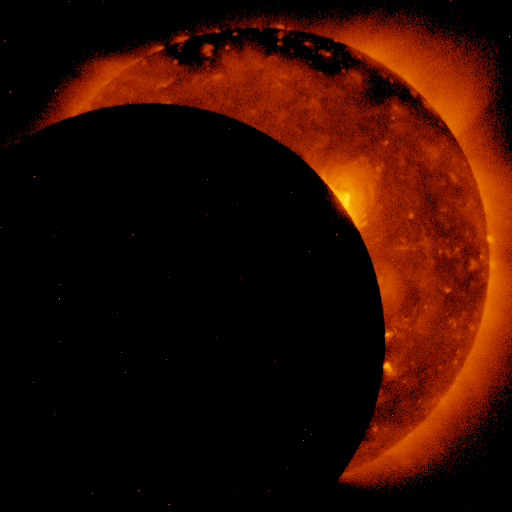
    The Japan Aerospace Exploration Agency (JAXA), the National Astronomical Observatory of Japan (NAOJ/NINS), and the US National Aeronautics and Space Administration (NASA), release partial eclipse images and videos taken on August 22 (JST) with the solar observation satellite “Hinode”.

    The images and videos were taken on August 22, 2017 at 1:57 JST with the X-Ray Telescope (XRT) aboard “Hinode” during its flight above the Pacific Ocean (off the west coast of the US) at an altitude of 680km. The silhouette of the new moon was approaching from the south west (the lower right side of the image) and passing across the solar disk toward the north east (the upper left side of the image) against the solar corona seen in X-rays. It was a partial eclipse, the maximum magnitude of which was 0.714. Since the flight speed of “Hinode” was very fast (27,000 km per hour), the duration of the partial eclipse was only about 15 minutes.

    Minimum (eclipse magnitude: 0.714) (22nd 1:57 JST, 21st 16:57 UT)

    Caption: Minimum (eclipse magnitude: 0.714) (22nd 1:57 JST, 21st 16:57 UT)

    The total eclipse is a precious opportunity to deepen our understanding of the Sun. “Hinode” jointly observed the eclipse with ground observers. The scientific target of observation was to see the coronal structure in the polar region and the mechanism of jets which are frequently created there. Moreover, during the 90 minutes when the zone of totality crosses the continent of USA, “Hinode” took a series of X-ray coronal images collaborating on the project to produce the video of white light corona participated by many citizens (Eclipse Megamovie 2017, https://eclipsemega.movie). Electron densities can be measured by comparing the X-ray images and the white light images taken during the total eclipse. We would get a clue to understand the mechanism of polar jet creation and the dynamics of the coronal structure taking place in these 90 minutes. We hope the success of the eclipse observations will lead to more precise prediction of solar flare and solar storm occurrences that result to the geomagnetic storms, sometimes affecting electronic devices in the artificial satellites and on the ground.

    The X-ray solar images and videos can be downloaded from below.

    Solar eclipse captured by “Hinode” | The Great American Eclipse on 21 August 2017: public release of images and videos taken by the “Hinode” satellite

    Let’s block ads! (Why?)

  • [ISS / Japanese Experiment Module (KIBO)] Release on updated images of Kibo's internal drone "Int-Ball" (Int-Ball Letter Vol. 3)

    Release on updated images of Kibo’s internal drone “Int-Ball” (Int-Ball Letter Vol. 3)

    Last Updated:
    August 10, 2017

    The Japan Aerospace Exploration Agency (JAXA) has disclosed “Int-Ball Letter” Vol. 3 in which the latest video of the Kibo’s internal drone on the International Space Station is presented.

    Approximately 15 cm in diameter and with 12 small fans in its body, Int-Ball moves by releasing the air through the fans under commands of the ground. The featuring “Miniaturized Attitude Control Sensors and Actuators in an All-in-one Module,” developed by the Research and Development Directorate of JAXA, not only controls the body direction by rotating its wheel, but also controls its location and direction by operating its fans, which enables Int-Ball to fly to locations as commanded.

    This time, we will introduce how Int-Ball flies inside “Kibo”.

    JEM Internal Ball Camera (Int-Ball) (2m41s) (Credit:JAXA)

    See here for the Int-Ball Letter Vol. 1:
    Started working in space!
    See here for the Int-Ball Letter Vol. 2:
    Body control
    See here for further information on Int-Ball and the first disclosures of images: 
    First disclosure of images taken by the Kibo’s internal drone “Int-Ball”
    See here for further information on the Miniaturized Attitude Control Sensors and Actuators in an All-in-one Module installed in the Int-Ball: 
    JAXA Research and Development Directorate

    *All times are Japan Standard Time (JST)

    Let’s block ads! (Why?)

  • [Earth Observation Research Center (EORC)] “GSMaP RIKEN Nowcast” is now available

    “GSMaP RIKEN Nowcast” is now available

    JAXA opened the website to display GSMaP RIKEN Nowcast (RNC) data, and started to distribute the GSMaP RNC data via ftp site.

    RIKEN Data Assimilation Research Team started to provide forecast precipitation dataset by using GSMaP, called GSMaP RNC.

    GSMaP RNC: RIKEN Nowcast
    http://sharaku.eorc.jaxa.jp/GSMaP_RNC/index_e.htm
    This website provides precipitation forecasts 6 hours in advance using hourly-updated global precipitation data based on satellite observation.

    Related information:
    JAXA Realtime Rainfall Watch:
    http://sharaku.eorc.jaxa.jp/GSMaP_NOW/index.htm

    JAXA Global Rainfall Watch:
    http://sharaku.eorc.jaxa.jp/GSMaP/index.htm

    GSMaP RIKEN nowcast (GSMaP_RNC):
    https://weather.riken.jp/index_en.html

    Let’s block ads! (Why?)

  • [Institute of Space and Astronautical Science (ISAS)] The night of Venus: unpredictable winds, still waves and fast-changing clouds

    After decades of mystery, an international team led by JAXA unveils the night-side atmospheric circulation from the clouds of Venus.

    Long-time regarded as the twin of the Earth, Venus is the evil one compared with our planet, with surface temperatures higher than 450ºC, an overwhelming atmosphere and dense clouds of sulphuric acid fully covering the planet.

    During the 60s, ultraviolet observations of the dayside allowed to measure the motions of the Venus clouds, obtaining winds of more than 360 km/h. This was a surprising result since in terrestrial planets such as the Earth or Mars, the atmosphere approximately co-rotates with the planet, but on Venus the atmosphere encircles the planet in about 4 days, much faster than the planet’s rotation period of 243 days. This phenomenon, called “super-rotation”, has been studied for decades only for the dayside of Venus. Against the expectations, the night-side of Venus is shown to be different to the day by an international team led by Javier Peralta, International Top Young Fellow of JAXA and leading author of this study published in Nature Astronomy.

    NatAstro_1.png

    Figure 1: The atmospheric super-rotation at the upper clouds of Venus. While the super-rotation is present in both day and night sides of Venus, it seems more uniform in the day (AKATSUKI-UVI image at 360 nm, right side), while in the night this seems to become more irregular and unpredictable (composite of Venus Express/VIRTIS images ar 3.8 µm, left). CREDITS: JAXA, ESA, J. Peralta and R. Hueso.

    “The source of energy for the atmospheric super-rotation of Venus keeps being a mystery, and no numerical model is able yet to perform a realistic simulation”, points out Javier Peralta. “The problem is that we had long-time assumed that the circulation on the nightside is as on the dayside, and we were wrong.”

    Applying new techniques of image processing, the team discovered that the clouds’ motions were different in night and day sides, based on separate observations made by the imaging spectrometer VIRTIS on-board ESA’s Venus Express (2006-2014) and in 2015 with the instrument SpeX in NASA’s infrared telescope IRTF in Hawaii. “We were quite excited when we found out that VIRTIS images also exhibited slow features on the night-side like the ones we had independently discovered with SpeX”, comments Toru Kouyama (the National Institute of Advanced Industrial Science and Technology of Japan), who led the observations from Hawaii.

    NatAstro_2.png

    Figure 2: Examples of new types of cloud morphology discovered on the night side of Venus thanks to Venus Express (ESA) and the infrared telescope IRTF (NASA): stationary waves (Venus Express, up-left corner), “net” patterns (IRTF, up-right), mysterious filaments (Venus Express, down-left) and dynamical instabilities (Venus Express, down-right). CREDITS: ESA, NASA, J. Peralta and R. Hueso.

    Although the atmospheric super-rotation is also present on the night-side, this is not as ‘uniform’ as during the day, and VIRTIS exhibited a rich variety of motions and cloud morphologies never seen before, which also suffer drastic and unpredictable changes in just 24 hours.

    NatAstro_3.png

    Figure 3: The mysterious fast filaments as seen on the nightside upper clouds of Venus with the instrument VIRTIS on-board Venus Express. CREDITS: ESA, R. Hueso and J. Peralta.

    Yet the major surprise was finding abundant cloud features not moving at all, interpreted as the manifestation of a type of atmospheric waves called “stationary”. These waves resemble the giant wave recently discovered by Akatsuki (JAXA’s Venus Climate Orbiter), although the waves found with Venus Express are much smaller -with scales of hundreds of kilometres- and geographically located over the surface regions with higher elevation. Provided that these waves are usually created when the surface wind finds obstacles such as mountains, the constant presence of stationary waves seems a paradox because the surface of Venus is rather plain in the southern hemisphere and the Russian probes ‘Veneras’ indicated a practically calm atmosphere on the surface. Moreover, these stationary waves are even more mysterious since they are expected to propagate between the surface and the upper clouds, but they are apparently ‘missing’ in simultaneous images sensing intermedium levels of the atmosphere, as shown with Venus Express and more recently with Akatsuki.

    This research was published in Nature Astronomy in its 24 July, 2017 issue (Peralta, J. et al. “Stationary waves and slowly moving features in the night upper clouds of Venus“. Nature Astronomy, 1, 0187 (2017), DOI: 10.1038/s41550-017-0187.

    This research was partially supported by the Spanish project AYA2015-65041-P (MINECO/FEDER, UE), Grupos Gobierno Vasco IT-765-13, and a Grant-in-Aid for the Japan Society for the Promotion of Science. IRTF/SpeX observations were supported by JSPS KAKENHI 15K17767.

    Let’s block ads! (Why?)

  • [Earth Observation Research Center (EORC)] Prof. Teruyuki Nakajima, the director of EORC, was elected the 2017 Fellow by the American Geophysical Union.

    Prof. Teruyuki Nakajima, the director of Earth Observation Research Center (EORC), was elected the 2017 Fellow by the American Geophysical Union. Also, he received “Yoram J. Kaufman Unselfish Cooperation in Research Award”.

    Prof. Teruyuki Nakajima, the director of Earth Observation Research Center (EORC), was elected the 2017 Fellow by the American Geophysical Union (AGU). Also, he received “Yoram J. Kaufman Unselfish Cooperation in Research Award”.

    He was recognized for his achievement of atmospheric radiation science and climate change research.

    AGU is the world’s largest organization of geophysics, consisting of approx. 60,000 members from approx. 140 countries. Its Fellow honor is given annually to no more than 0.1 percent of total membership who has made exceptional contributions to Earth and space sciences.

    The Annual Honors Ceremony and Banquet for this year’s honorees will be held on December, 2017 during the AGU Fall Meeting in New Orleans. The official announcement was published on AGU Website on July 28, 2017.

    AGU Fellows

    Yoram J. Kaufman Unselfish Cooperation in Research Award

    Let’s block ads! (Why?)

  • [Earth Observation Research Center (EORC)] ALOS-2/PALSAR-2 Observation results on detachment of a large iceberg from Larsen-C Ice Shelf in Antarctic Peninsula

    ALOS-2/PALSAR-2 Observation results on detachment of a large iceberg from Larsen-C Ice Shelf in Antarctic Peninsula.

    Posted: Jul 25, 2017, 10:30 (UTC)

    Larsen is one of the huge ice shelves in Antarctica. Larsen-A and -B experienced the destructions in 1995 and 2002, respectively. Larsen Ice Shelf affects the ice loss in west Antarctica and its contribution to global sea level rise. Therefore, many glaciologists have paid much attention to their dynamics. On 12th July, 2017, a large iceberg separated from Larsen-C Ice Shelf, which is the expected weight of approx. one trillion ton, and the surface area is about 5,800 km2. Due to its size, ALOS-2 ScanSAR mode (Observation width: 350 km) is suitable for capturing the entire portion of the iceberg (Fig. 1).

    Fig.1: Observation area by ALOS-2.

    Fig.2:(left)Color composite images acquired on 21th July 2017

    Fig.2:(right)Color composite images acquired on 19th Aug 2016

    Fig.2: Color composite images acquired on 21th July 2017 (left) and 19th Aug 2016 (right). The rectangles show the areas in Fig. 3. (Click to view enlarged image)

    Figure 2 shows the color-composite images (red: HV, green: HV and blue: HH polarization) observed by ScanSAR mode. Sea ice is seen in the right side on the image and the ice shelf is seen in the left side. The rectangular at the center of the image shows the area where the iceberg separated from the ice shelf. We can see a trace of crack on the ice shelf over 100 km from south to the red arrow in 2016 (right panel in Fig. 2). However, the crack is seen entirely on the ice shelf in 2017, which means the iceberg has been completely separated from the ice shelf (left panel in Fig. 2).

    Fig.3: Enlarged images of the iceberg. (Click to view enlarged image)

    Figure 3 shows the enlarged images of the iceberg. We can clearly confirm the crack on the ice shelf. This figure reveals that the size of the iceberg is about 50 km of the width and 150 km of the length. This huge iceberg detachment has a potential to accelerate ice speed on the inland ice shelf, which may enhance more iceberg detachment. We are going to continue the observation by ALOS-2.

    Let’s block ads! (Why?)