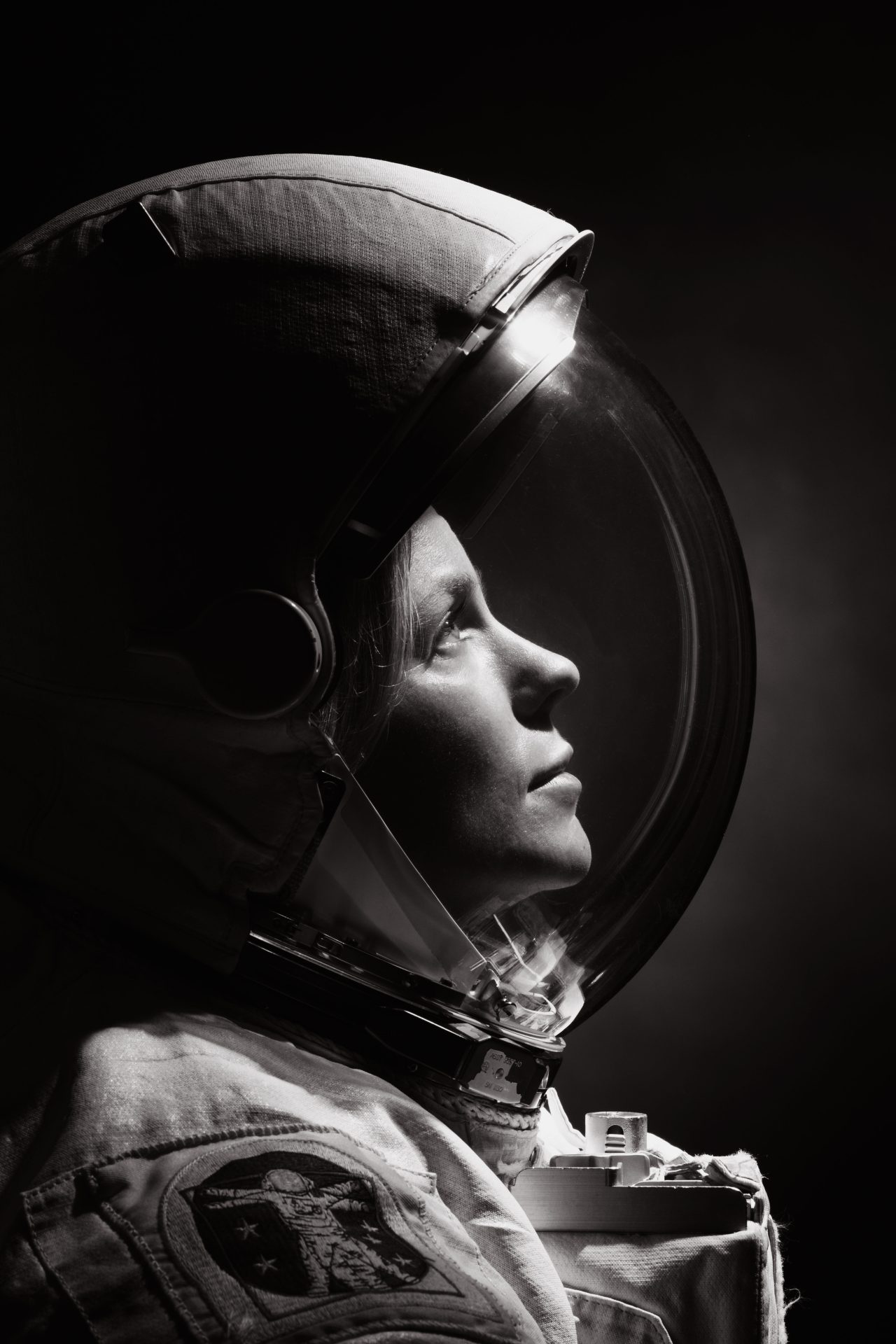
NASA astronaut Zena Cardman poses for a portrait in a photography studio at NASA’s Johnson Space Center in Houston, Texas.
Tag: image
-
Izaña-2 joins the laser game to track space debris

Video:
00:09:30In Tenerife, Spain, stands a unique duo: ESA’s Izaña-1 and Izaña-2 laser-ranging stations. Together, they form an optical technology testbed of the European Space Agency that takes the monitoring of space debris and satellites to a new level while maturing new technologies for commercialisation.
Space debris is a threat to satellites and is rapidly becoming a daily concern for satellite operators. The Space Safety Programme, part of ESA Operations, managed from ESOC in Germany, helps develop new technologies to detect and track debris, and to prevent collisions in orbit in new and innovative ways.
One of these efforts takes place at the Izaña station in Tenerife. There, ESA and partner companies are testing how to deliver precise orbit data on demand with laser-based technologies. The Izaña-2 station was recently finalised by the German company DiGOS and is now in use.
To perform space debris laser ranging, Izaña-2 operates as a laser transmitter, emitting high-power laser pulses towards objects in space. Izaña-1 then acts as the receiver of the few photons that are reflected back. The precision of the laser technology enables highly accurate data for precise orbit determination, which in turn is crucial for actionable collision avoidance systems and sustainable space traffic management.
With the OMLET (Orbital Maintenance via Laser momEntum Transfer) project, ESA combines different development streams and possibilities for automation to support European industry with getting two innovative services market-ready: on-demand ephemeris provision and laser-based collision avoidance services for end users such as satellite operators.
A future goal is to achieve collision avoidance by laser momentum transfer, where instead of the operational satellite, the piece of debris will be moved out of the way. This involves altering the orbit of a piece of space debris slightly by applying a small force to the object through laser illumination.
The European Space Agency actively supports European industry in capitalising on the business opportunities that not only safeguard our satellites but also pave the way for the sustainable use of space.
-
Algae bloom chlorophyll South Australia

Image:
This Copernicus Sentinel-3 image shows high concentrations of chlorophyll in yellow-green along the coastline of South Australia, near Adelaide. Chlorophyll-a is a key indicator of the presence of algae in the ocean. -
ESA and JAXA advance potential Apophis mission collaboration
-
Webb investigates complex heart of a cosmic butterfly

The NASA/ESA/CSA James Webb Space Telescope has revealed new details in the core of the Butterfly Nebula, NGC 6302. From the dense, dusty torus that surrounds the star hidden at the centre of the nebula to its outflowing jets, the Webb observations reveal many new discoveries that paint a never-before-seen portrait of a dynamic and structured planetary nebula.
-
Gaia proves our skies are filled with chains of starry gatherings

In the past decade, the European Space Agency’s Gaia mission has revealed the nature, history, and behaviour of billions of stars. Our pioneering stargazer has reshaped our view of the skies around us like no other, revealing that star clusters are more connected than expected over vast distances.
-
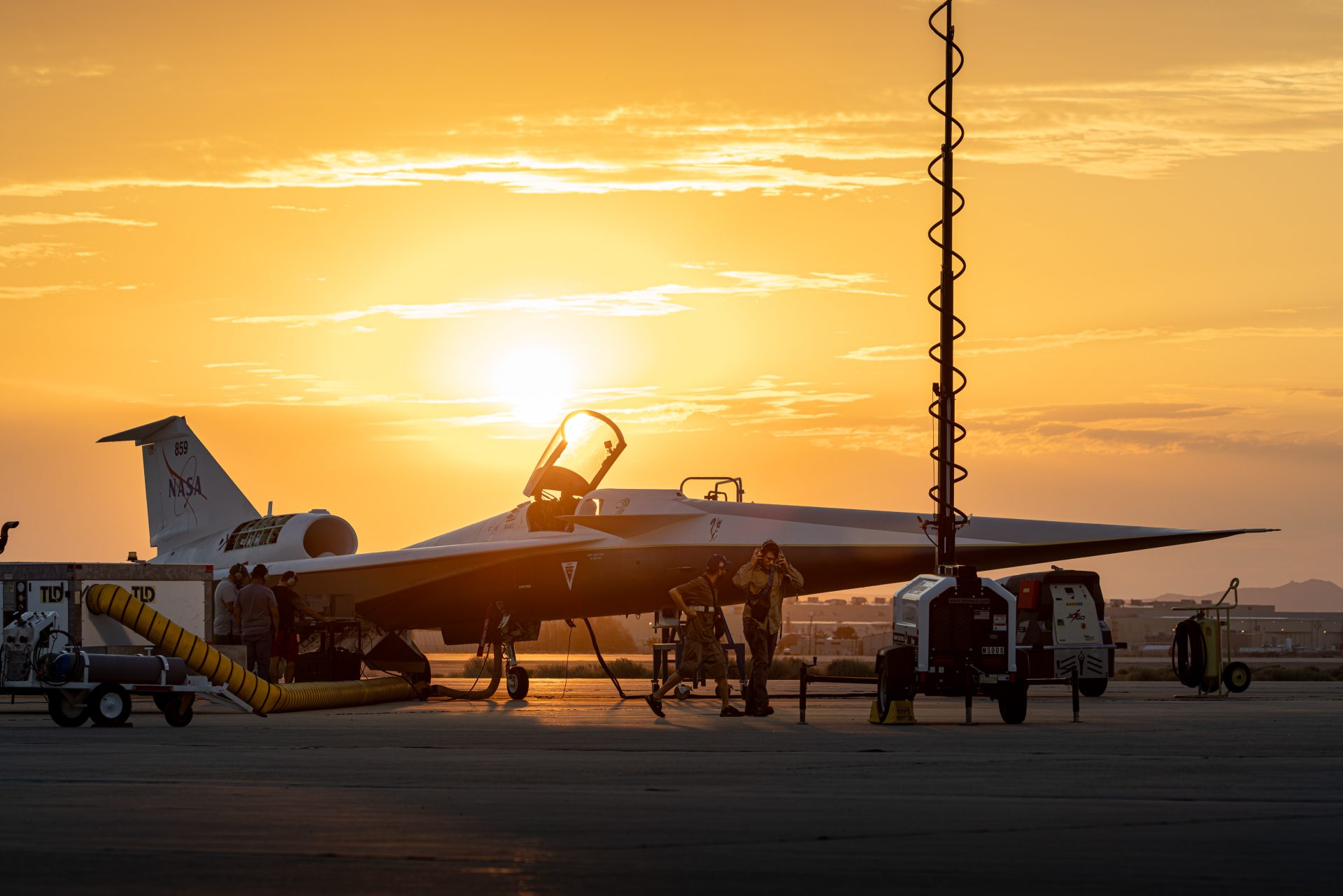
NASA’s X-59 at Sunrise
NASA’s X-59 quiet supersonic research aircraft sits on the ramp at sunrise before ground tests at Lockheed Martin’s Skunk Works facility in Palmdale, California, on July 18, 2025. The X-59 is the centerpiece of NASA’s Quesst mission to demonstrate quiet supersonic flight.
-
ESA data records help underpin climate change report

According to the newly released 35th State of the Climate report, 2024 saw record highs in greenhouse gas concentrations, global land and ocean temperatures, sea levels, and ocean heat content. Glaciers also suffered their largest annual ice loss on record. Data records from ESA’s Climate Change Initiative helped underpin these findings.
-
Juice team resolves anomaly on approach to Venus

The European Space Agency’s Jupiter Icy Moons Explorer (Juice) is on track for its gravity-assist flyby at Venus on 31 August, following the successful resolution of a spacecraft communication anomaly that temporarily severed contact with Earth.
The issue, which emerged during a routine ground station pass on 16 July, temporarily disrupted Juice’s ability to transmit information about its health and status (telemetry).
Thanks to swift and coordinated action by the teams at ESA’s European Space Operations Centre (ESOC) in Darmstadt, Germany, and Juice’s manufacturer, Airbus, communication was restored in time to prepare for the upcoming planetary encounter.
-
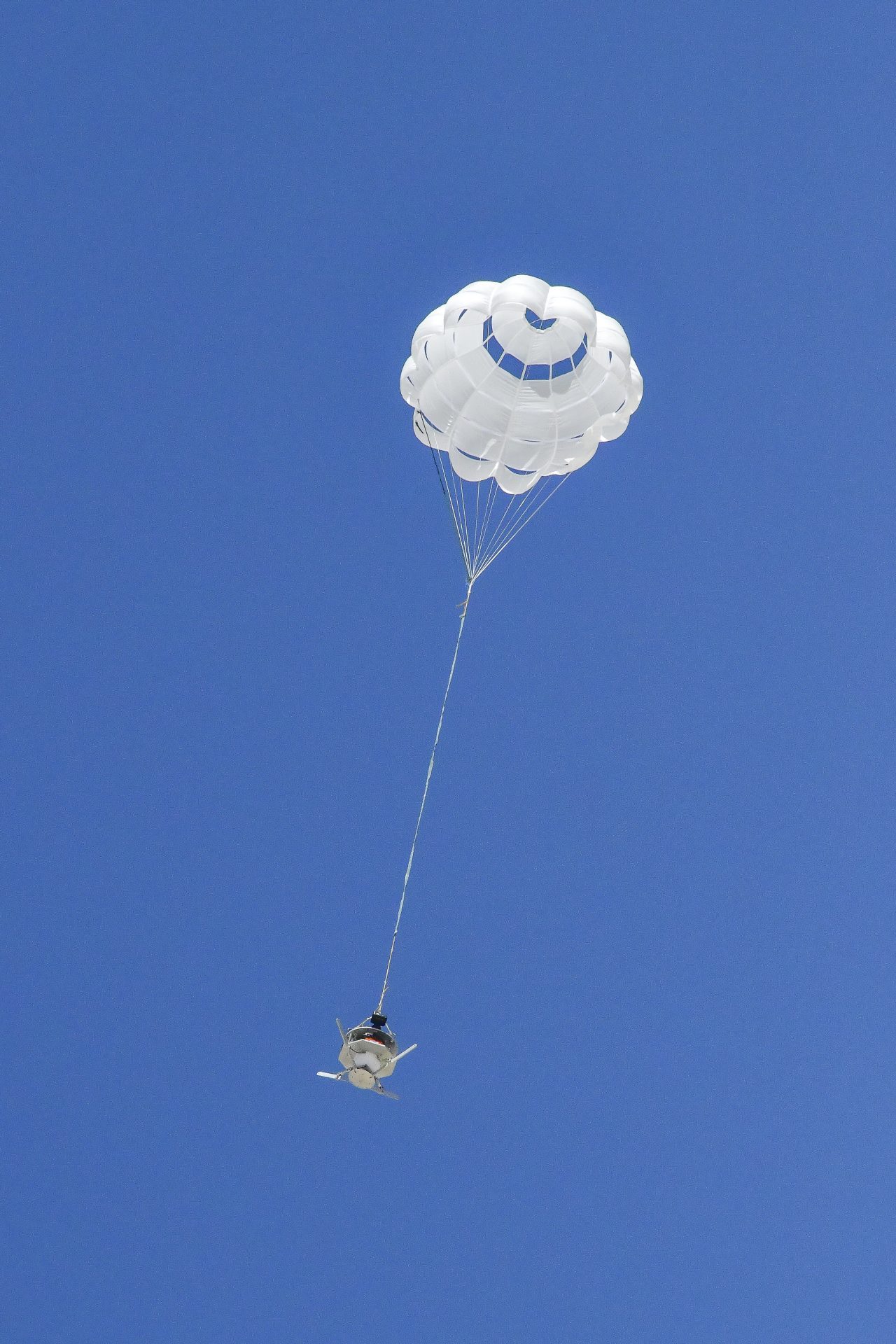
Epic Research Can Help Mars Missions
The parachute of the Enhancing Parachutes by Instrumenting the Canopy test experiment deploys following an air launch from an Alta X drone on June 4, 2025, at NASA’s Armstrong Flight Research Center in Edwards, California.
-
Week in images: 18-22 August 2025

Week in images: 18-22 August 2025
Discover our week through the lens
-

Cities by the Bay
California’s San Francisco Bay Area surrounded by the cities of San Francisco, Oakland, and San Jose, and their suburbs, is pictured from the International Space Station as it orbited 260 miles above the Golden State on Aug. 3, 2025.
-
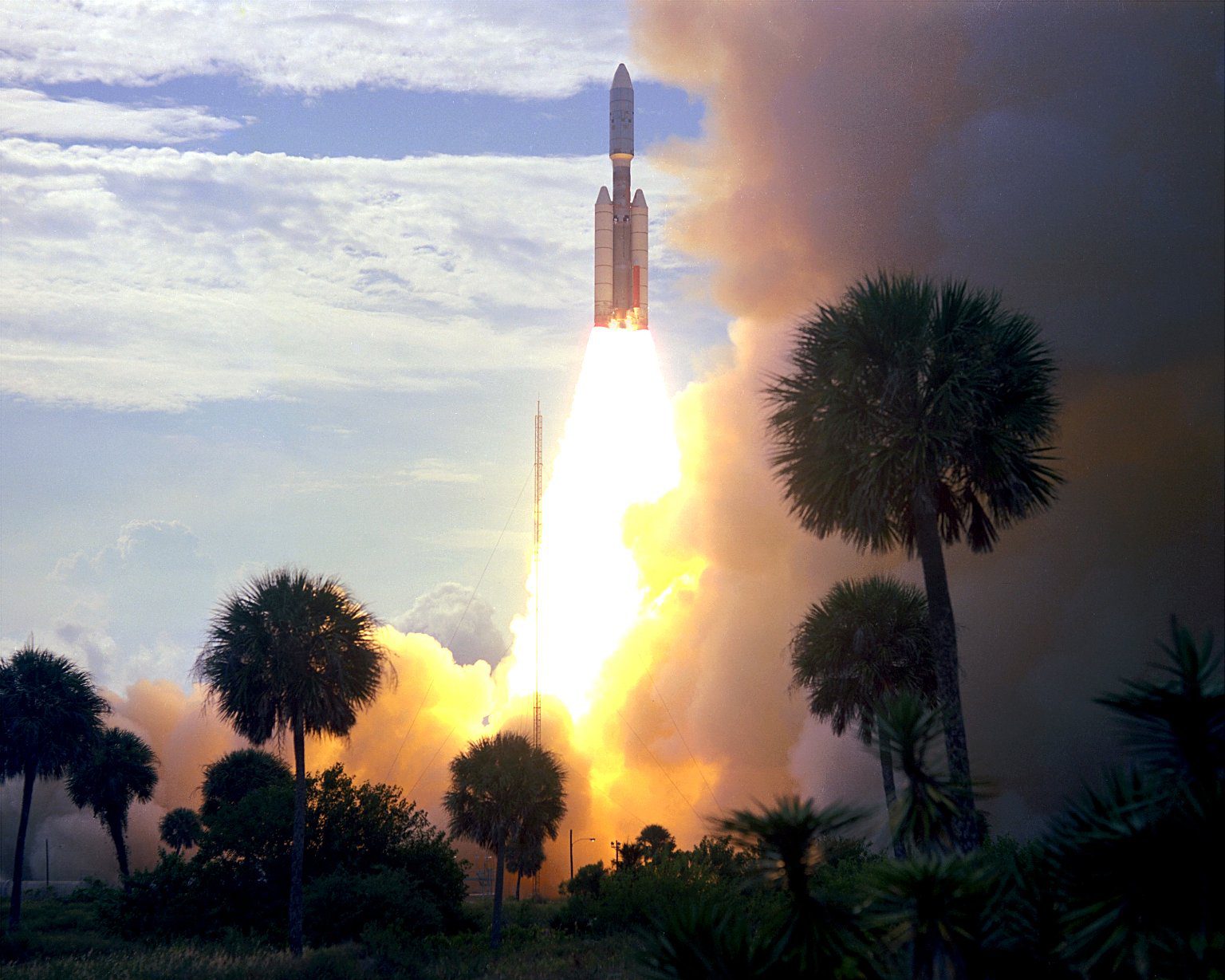
Viking 1 Begins Journey to Mars
Viking 1 was launched by a Titan-Centaur rocket from Complex 41 at Cape Canaveral Air Force Station at 5:22 p.m. EDT on Aug. 20, 1975, to begin a half-billion mile, 11-month journey through space to explore Mars. The 4-ton spacecraft went into orbit around the red planet in mid-1976 and landed on Mars on July 20, 1976.
