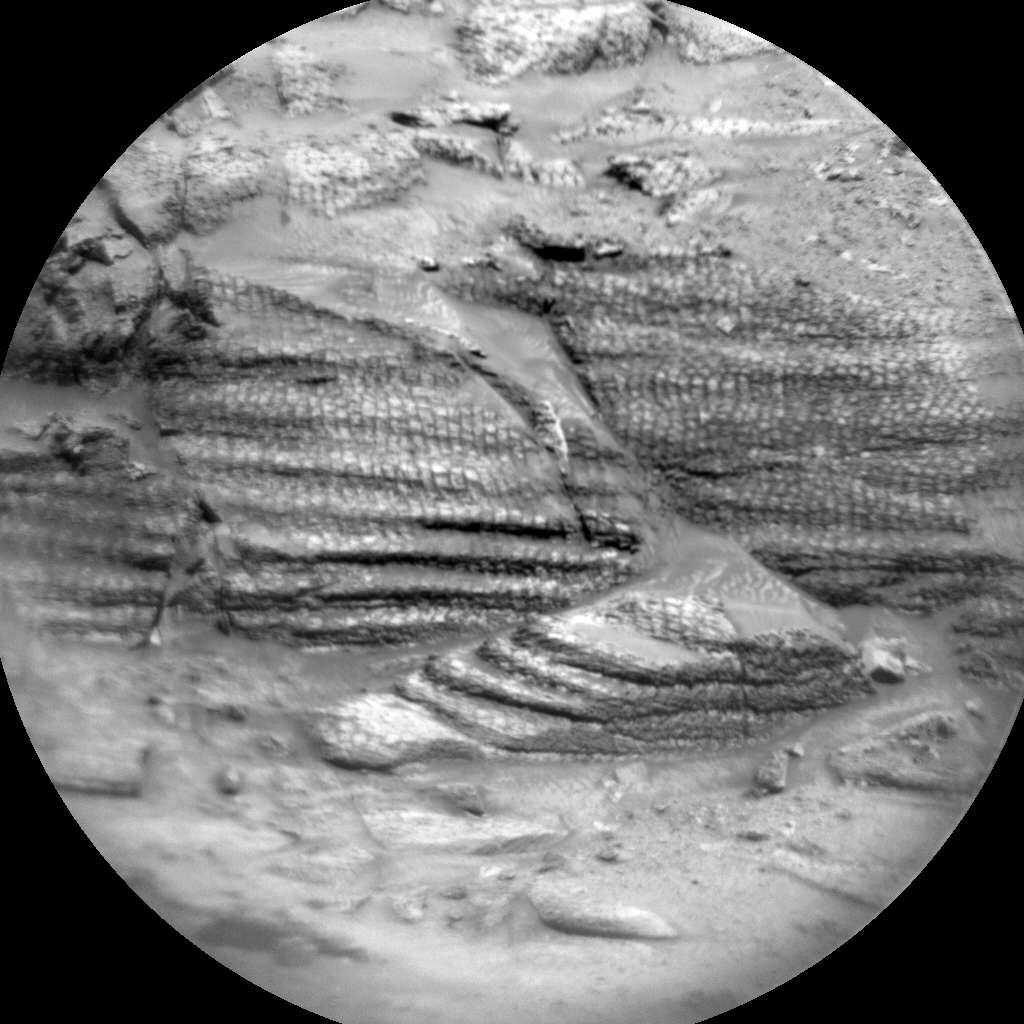
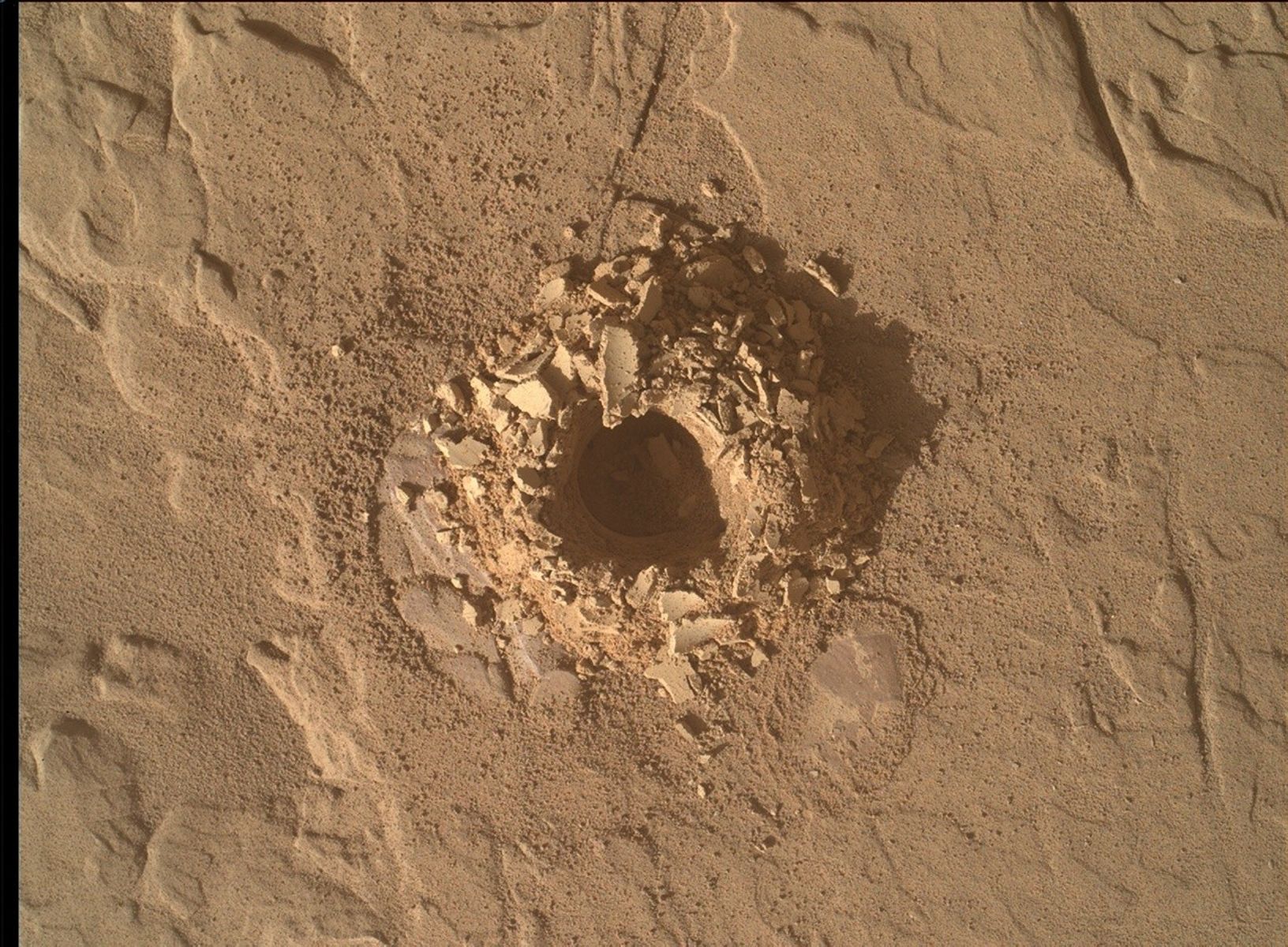
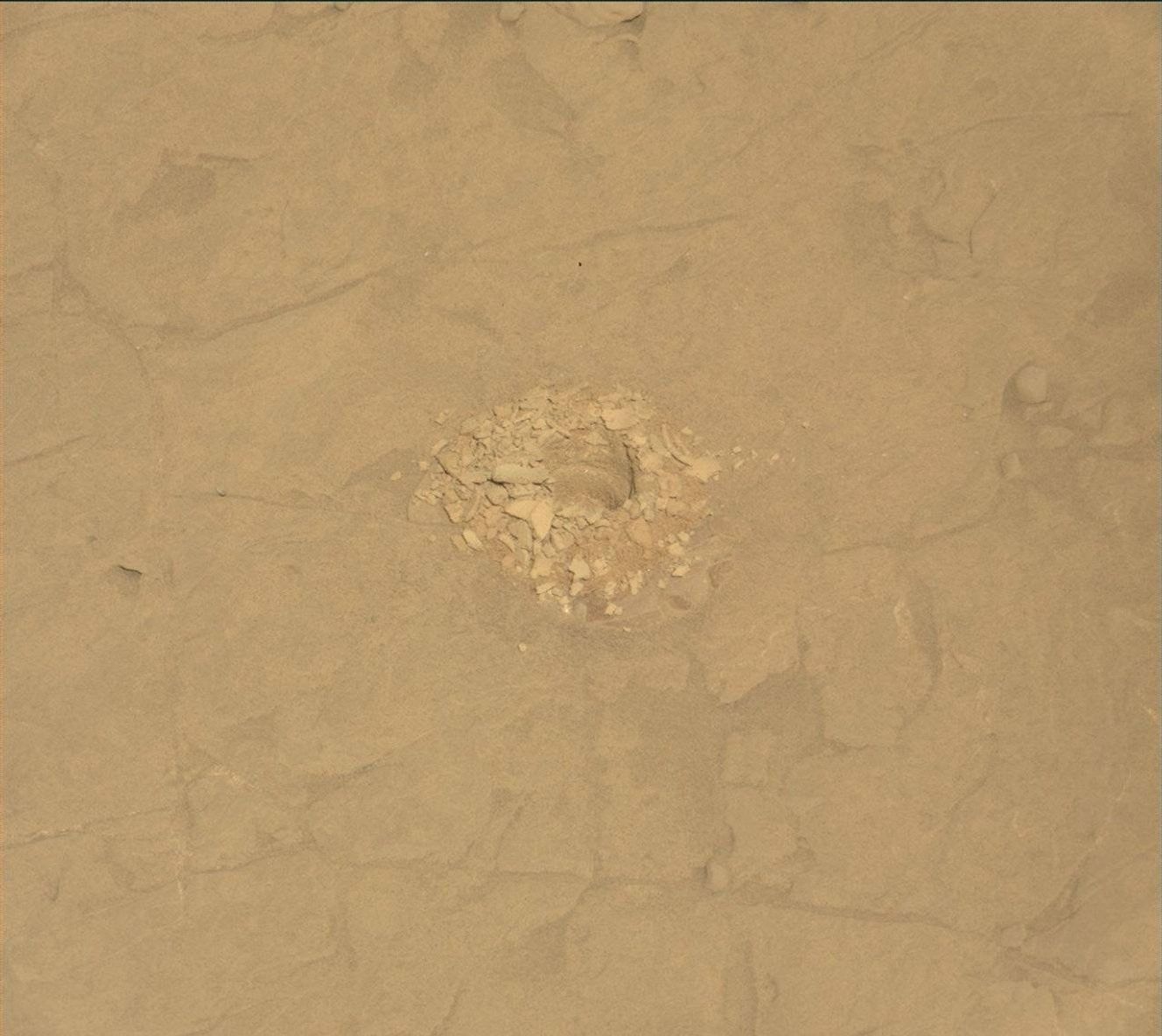
NASA’s Mars rover Curiosity acquired this image of interesting textures exposed in an outcrop at the base of the “Mishe Mokwa” butte, ahead of the rover, using its Chemistry & Camera (ChemCam) Remote Micro Imager (RMI). Curiosity captured the image on June 13, 2025 — Sol 4569, or Martian day 4,569 of the Mars Science Laboratory mission — at 17:53:55 UTC.
NASA/JPL-Caltech/LANL
Written by Lucy Thompson, APXS Collaborator and Senior Research Scientist at the University of New Brunswick
Earth planning date: Wednesday, June 18, 2025
Not only did our drive execute perfectly, Curiosity ended up in one of the safest, most stable parking spots of the whole mission. We often come into the start of planning hoping that all the wheels are safely on the ground, but the terrain on Mars is not always very cooperative. As the APXS strategic planner I was really hoping that the rover was stable enough to unstow the arm and place APXS on a rock — which it was! We are acquiring APXS and ChemCam compositional analyses and accompanying Mastcam and MAHLI imaging of a brushed, flat, typical bedrock target, “Tarija.” This allows us to track the chemistry of the bedrock that hosts the potential boxwork features that we are driving towards.
As well as composition, we continue to image the terrain around us to better understand the local and regional context. Mastcam will acquire mosaics of some linear ridges off to the north of our current location, as well as of a potential fracture fill just out in front of our current parking spot, “Laguna del Bayo.” ChemCam will image part of an interesting outcrop (“Mishe Mokwa”) that we have already observed (see the image associated with this blog).
Thanks to the relatively benign terrain, the engineers have planned a 54-meter drive (about 177 feet) to our next location. After that drive (hopefully) executes successfully, we have a series of untargeted science observations. MARDI will image the terrain beneath the wheels and ChemCam will pick a rock target autonomously from our new workspace and analyze its chemistry.
To track atmospheric and environmental fluctuations, we are acquiring a Mastcam tau to measure dust in the sky as well as a Navcam large dust-devil survey and suprahorizon movie. The plan is rounded, as always, with standard DAN, REMS, and RAD activities.
NASA Tech to Use Moonlight to Enhance Measurements from Space
NASA’s Arcstone instrument will be the first mission exclusively dedicated to measuring moonlight, or lunar reflectance, from space as a way to calibrate and improve science data collected by Earth-viewing, in-orbit instruments.
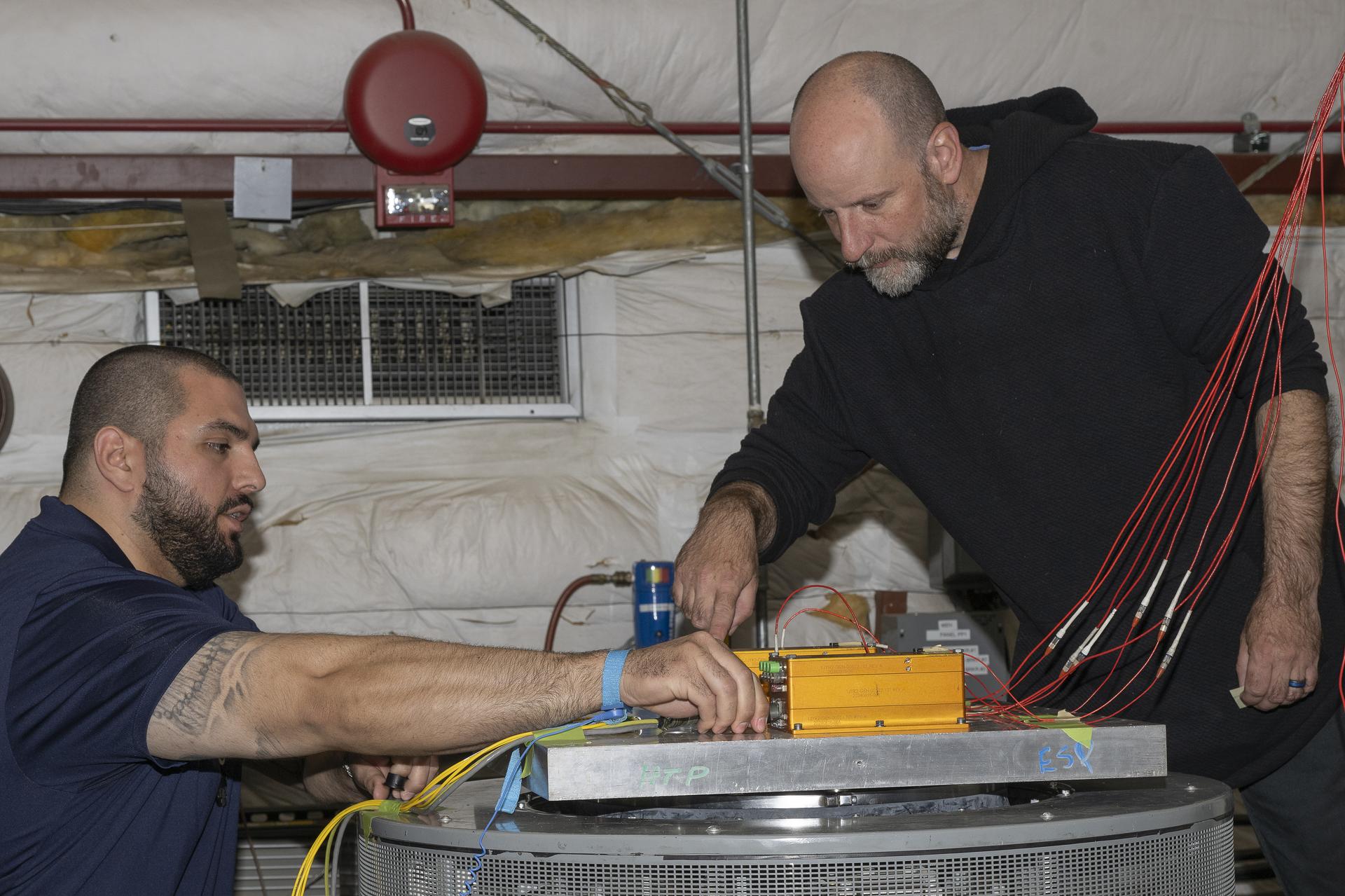
Credits: Blue Canyon Technologies
NASA will soon launch a one-of-a-kind instrument, called Arcstone, to improve the quality of data from Earth-viewing sensors in orbit. In this technology demonstration, the mission will measure sunlight reflected from the Moon— a technique called lunar calibration. Such measurements of lunar spectral reflectance can ultimately be used to set a high-accuracy, universal standard for use across the international scientific community and commercial space industry.
To ensure satellite and airborne sensors are working properly, researchers calibrate them by comparing the sensor measurements against a known standard measurement. Arcstone will be the first mission exclusively dedicated to measuring lunar reflectance from space as a way to calibrate and improve science data collected by Earth-viewing, in-orbit instruments.
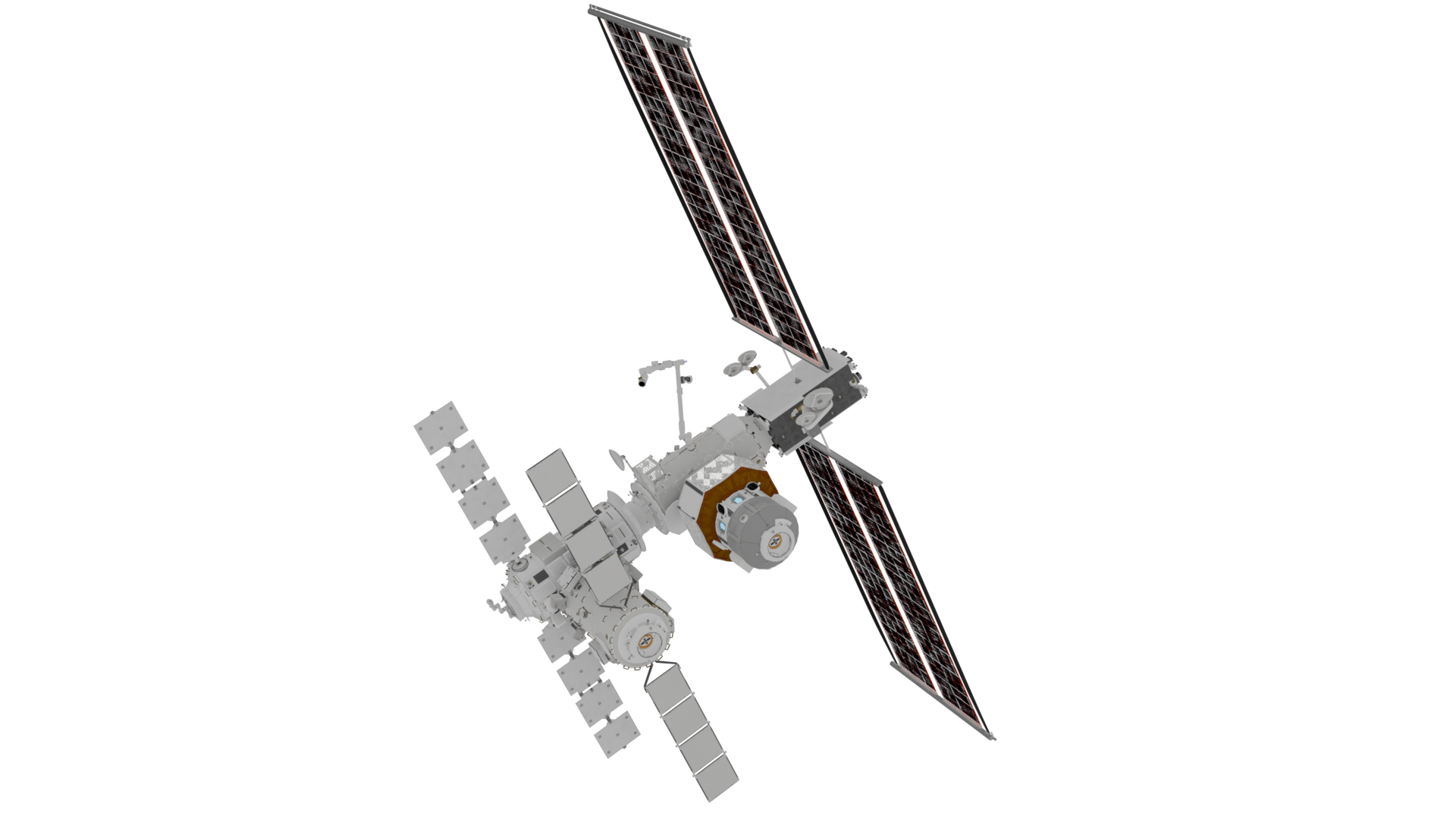
This visualization demonstrates how Arcstone will operate while in orbit measuring lunar reflectance to establish a new calibration standard for future Earth-observing remote sensors. Arcstone’s satellite platform was manufactured by Blue Canyon Technologies.
NASA/Tim Marvel/Blue Canyon Technologies
“One of the most challenging tasks in remote sensing from space is achieving required instrument calibration accuracy on-orbit,” said Constantine Lukashin, principal investigator for the Arcstone mission and physical scientist at NASA’s Langley Research Center in Hampton, Virginia. “The Moon is an excellent and available calibration source beyond Earth’s atmosphere. The light reflected off the Moon is extremely stable and measurable at a very high level of detail. Arcstone’s goal is to improve the accuracy of lunar calibration to increase the quality of spaceborne remote sensing data products for generations to come.”
Across its planned six-month mission, Arcstone will use a spectrometer — a scientific instrument that measures and analyzes light by separating it into its constituent wavelengths, or spectrum — to measure lunar spectral reflectance. Expected to launch in late June as a rideshare on a small CubeSat, Arcstone will begin collecting data, a milestone called first light, approximately three weeks after reaching orbit.
“The mission demonstrates a new, more cost-efficient instrument design, hardware performance, operations, and data processing to achieve high-accuracy reference measurements of lunar spectral reflectance,” said Lukashin.
Measuring the lunar reflectance at the necessary ranges of lunar phase angles and librations is required to build a highly accurate lunar reference. A satellite platform in space would provide this required sampling. Arcstone will use a spectrometer to demonstrate the ability to observe and establish a data record of lunar spectral reflectance throughout its librations and phases for other instruments to use the Moon to calibrate sensors.
NASA/Scientific Visualization Studio
Measurements of lunar reflectance taken from Earth’s surface can be affected by interference from the atmosphere, which can complicate calibration efforts. Researchers already use the Sun and Moon to calibrate spaceborne instruments, but not at a level of precision and agreement that could come from having a universal standard.
Lukashin and colleagues want to increase calibration accuracy by getting above the atmosphere to measure reflected solar wavelengths in a way that provides a stable and universal calibration source. Another recent NASA mission, called the Airborne Lunar Spectral Irradiance mission also used sensors mounted on high-altitude aircraft to improve lunar irradiance measurements from planes.
There is not an internationally accepted standard (SI-traceable) calibration for lunar reflectance from space across the scientific community or the commercial space industry.
“Dedicated radiometric characterization measurements of the Moon have never been acquired from a space-based platform,” said Thomas Stone, co-investigator for Arcstone and scientist at the U.S. Geological Survey (USGS). “A high-accuracy, SI-traceable lunar calibration system enables several important capabilities for space-based Earth observing missions such as calibrating datasets against a common reference – the Moon, calibrating sensors on-orbit, and the ability to bridge gaps in past datasets.”
The Arcstone spacecraft with solar panels installed as it is tested before being integrated for launch.
Blue Canyon Technologies
If the initial Arcstone technology demonstration is successful, a longer Arcstone mission could allow scientists to make the Moon the preferred reference standard for many other satellites. The new calibration standard could also be applied retroactively to previous Earth data records to improve their accuracy or fill in data gaps for data fields. It could also improve high-precision sensor performance on-orbit, which is critical for calibrating instruments that may be sensitive to degradation or hardware breakdown over time in space.
“Earth observations from space play a critical role in monitoring the environmental health of our planet,” said Stone. “Lunar calibration is a robust and cost-effective way to achieve high accuracy and inter-consistency of Earth observation datasets, enabling more accurate assessments of Earth’s current state and more reliable predictions of future trends.”
On June 11, NASA’s LRO (Lunar Reconnaissance Orbiter) captured photos of the site where the ispace Mission 2 SMBC x HAKUTO-R Venture Moon (RESILIENCE) lunar lander experienced a hard landing on June 5, 2025, UTC.
RESILIENCE lunar lander impact site, as seen by NASA’s Lunar Reconnaissance Orbiter Camera (LROC) on June 11, 2025. The lander created a dark smudge surrounded by a subtle bright halo.
Credit: NASA/Goddard/Arizona State University.
RESILIENCE was launched on Jan. 15 on a privately funded spacecraft.
LRO’s right Narrow Angle Camera (one in a suite of cameras known as LROC) captured the images featured here from about 50 miles above the surface of Mare Frigoris, a volcanic region interspersed with large-scale faults known as wrinkle ridges.
The dark smudge visible above the arrow in the photo formed as the vehicle impacted the surface, kicking up regolith — the rock and dust that make up Moon “soil.” The faint bright halo encircling the site resulted from low-angle regolith particles scouring the delicate surface.
This animation shows the RESILIENCE site before and after the impact. In the image, north is up. Looking from west to east, or left to right, the area pictured covers 2 miles.
Credit: NASA/Goddard/Arizona State University.
LRO is managed by NASA’s Goddard Space Flight Center in Greenbelt, Maryland, for the Science Mission Directorate at NASA Headquarters in Washington. Launched on June 18, 2009, LRO has collected a treasure trove of data with its seven powerful instruments, making an invaluable contribution to our knowledge about the Moon. NASA is returning to the Moon with commercial and international partners to expand human presence in space and bring back new knowledge and opportunities.
Preparations for Next Moonwalk Simulations Underway (and Underwater)
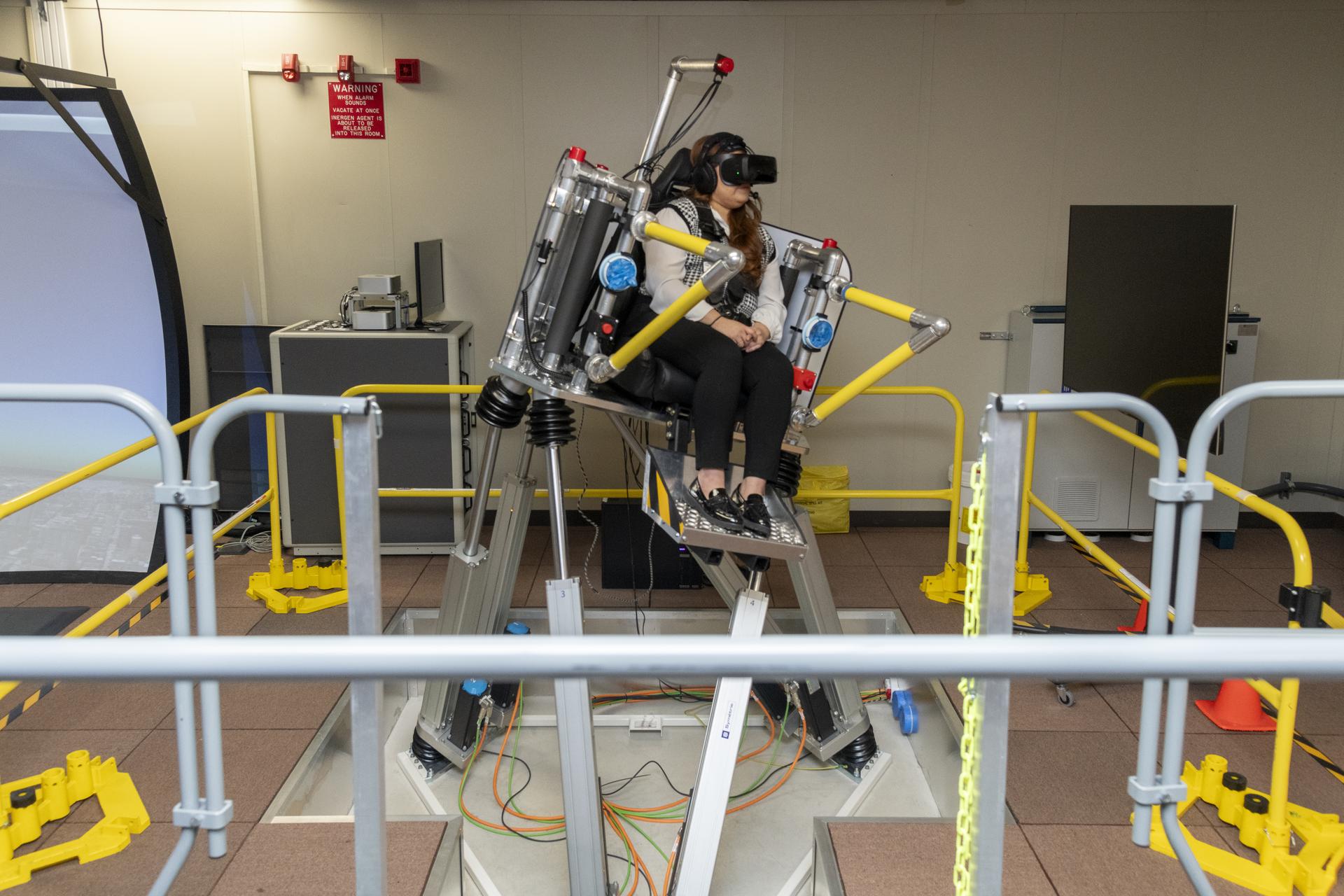
NASA employee Naomi Torres sits inside the air taxi passenger ride quality simulator at NASA’s Armstrong Flight Research Center in Edwards, California, as the simulator moves during a study on Oct. 23, 2024. Research continues to better understand how humans may interact with these new types of aircraft.
NASA/Steve Freeman
NASA’s Advanced Air Mobility vision involves the skies above the U.S. filled with new types of aircraft, including air taxis. But making that vision a reality involves ensuring that people will actually want to ride these aircraft – which is why NASA has been working to evaluate comfort, to see what passengers will and won’t tolerate.
NASA is conducting a series of studies to understand how air taxi motion, vibration, and other factors affect ride comfort. The agency will provide the data it gathers to industry and others to guide the design and operational practices for future air taxis.
“The results of this study can guide air taxi companies to design aircraft that take off, land, and respond to winds and gusts in a way that is comfortable for the passengers,” said Curt Hanson, senior flight controls researcher for this project based at NASA’s Armstrong Flight Research Center in Edwards, California. “Passengers who enjoy their experience in an air taxi are more likely to become repeat riders, which will help the industry grow.”
The air taxi comfort research team uses NASA Armstrong’s Ride Quality Laboratory as well as the Human Vibration Lab and Vertical Motion Simulator at NASA’s Ames Research Center in California’s Silicon Valley to study passenger response to ride quality, as well as how easily and precisely a pilot can control and maneuver aircraft.
After pilots checked out the simulator setup, the research team conducted a study in October where NASA employees volunteered to participate as passengers to experience the virtual air taxi flights and then describe their comfort level to the researchers.
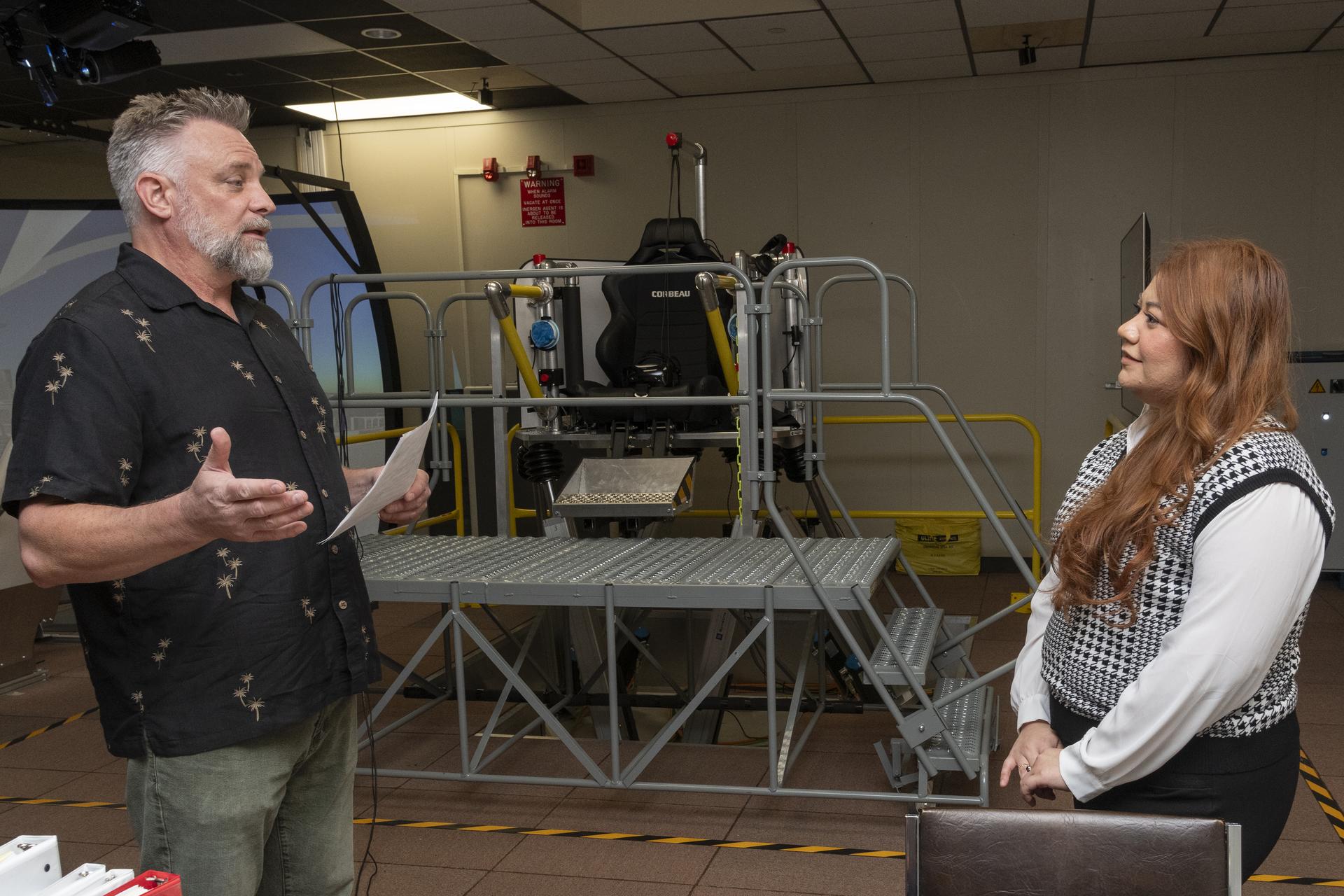
Curt Hanson, senior flight controls researcher for the Revolutionary Vertical Lift Technology project based at NASA’s Armstrong Flight Research Center in Edwards, California, explains the study about to begin to NASA employee and test subject Naomi Torres on Oct. 23, 2024. Behind them is the air taxi passenger ride quality simulator in NASA Armstrong’s Ride Quality Laboratory. Studies continue to better understand passenger comfort for future air taxi rides.
NASA/Steve Freeman
Using this testing, the team produced an initial study that found a relationship between levels of sudden vertical motion and passenger discomfort. More data collection is needed to understand the combined effect of motion, vibration, and other factors on passenger comfort.
“In the Vertical Motion Simulator, we can investigate how technology and aircraft design choices affect the handling qualities of the aircraft, generate data as pilots maneuver the air taxi models under realistic conditions, and then use this to further investigate passenger comfort in the Ride Quality and Human Vibration Labs,” said Carlos Malpica, senior rotorcraft flight dynamics researcher for this effort based at NASA Ames.
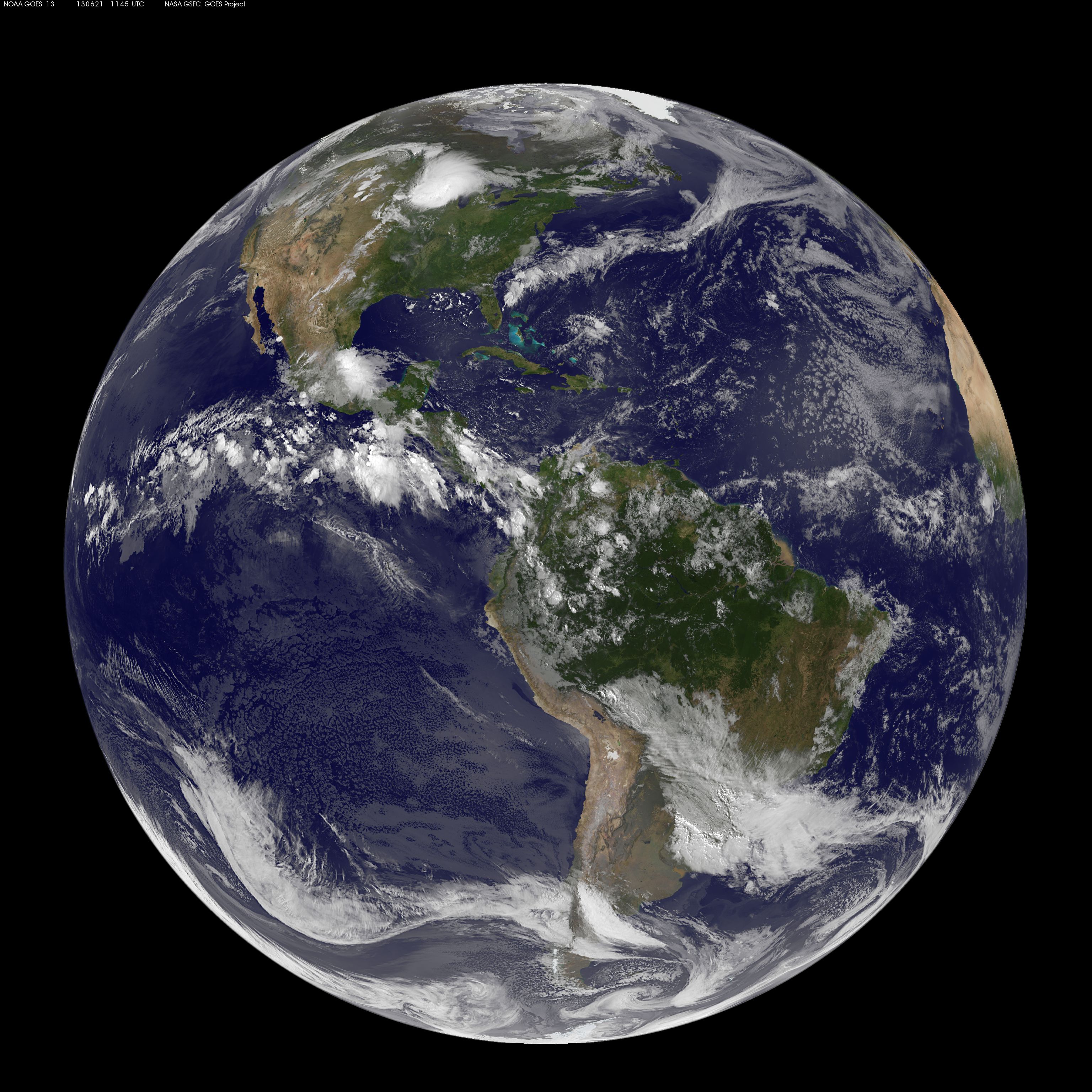
This full-disk image from NOAA’s GOES-13 satellite shows the Americas at the start of astronomical summer in the Northern Hemisphere on June 21, 2012.
NASA
This full-disk image from NOAA’s GOES-13 satellite was captured at 7:45 a.m. EDT (11:45 UTC) and shows the Americas on June 21, 2012, the start of astronomical summer – in the Northern Hemisphere – that year.
The first day of summer in 2025 is June 20; it is also the longest day of the year. In the Southern Hemisphere, it’s the shortest day of the year and the beginning of winter.
Earth orbits at an angle, so the Northern Hemisphere is tilted toward the Sun half of the year — this is summer in the Northern Hemisphere, and winter in the Southern Hemisphere. The other half of the year, the Northern Hemisphere is tilted away from the Sun, creating winter in the north and summer in the south. Solstices happen twice per year, at the points in Earth’s orbit where this tilt is most pronounced.
Curiosity Blog, Sols 4573-4574: Welcome to the Uyuni Quad
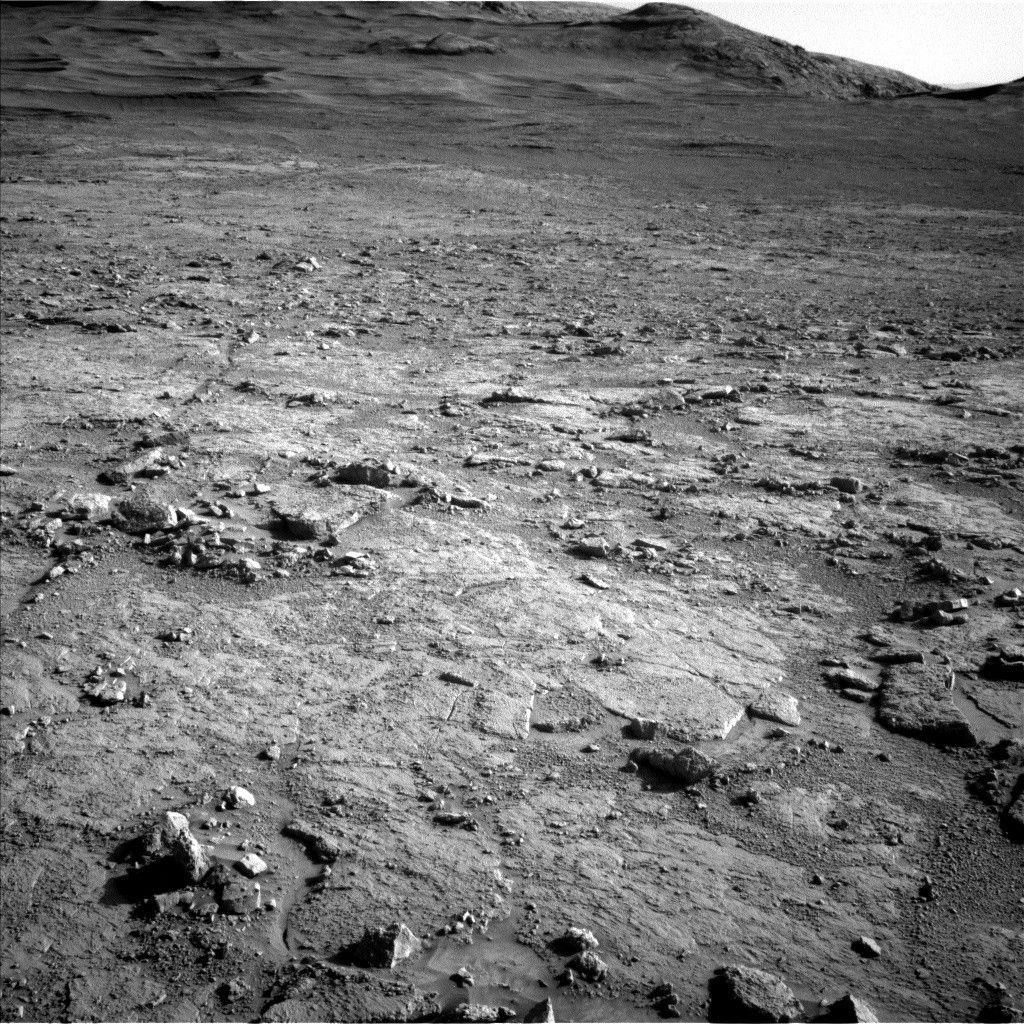
NASA’s Mars rover Curiosity acquired this image, looking southwest toward the distant large boxwork structures in the Uyuni quad, using its Left Navigation Camera on June 15, 2025 — Sol 4571, or Martian day 4,571 of the Mars Science Laboratory mission — at 21:27:38 UTC.
NASA/JPL-Caltech
Written by Lauren Edgar, Planetary Geologist at USGS Astrogeology Science Center
Earth planning date: Monday, June 16, 2025
Over the weekend Curiosity successfully wrapped up activities at the “Altadena” drill site and got back on the road. The approximately 48-meter drive (about 157 feet) was successful, and placed the rover in the next mapping quadrangle (informally referred to as a quad).
As a reminder, the rover’s exploration area has been divided into 1.5 kilometer by 1.5 kilometer square quads, and each quad is named after a town of less than 100,000 people. As Curiosity explores features within a quad, we assign informal target names that correspond to geologic formations and features from that town on Earth.
Uyuni, Bolivia, is the gateway city near the world’s largest salt flats (salars), and it seems like an appropriate name as Curiosity explores drier depositional environments higher in the Mount Sharp stratigraphy. The team is excited to use some new target names that will draw from Uyuni and surrounding areas, including the Atacama Desert in Chile, which hosts many Mars analog sites including eolian features, studies of life in extreme environments, and some of the world’s great observatories. A fitting theme for this next phase of exploration!
As for today’s two-sol plan, we have a good balance of contact science, remote sensing, and another long drive. The team planned APXS and MAHLI on a nodular bedrock target named “Flamingo” to assess its chemistry and texture. In the targeted remote sensing block, the science team planned a Mastcam mosaic of “Los Patos” to characterize a depression which may be related to a small impact crater or boxwork structures, along with a Mastcam image of “La Lava” to investigate an interesting dark block. There are also several Mastcam mosaics of nearby troughs to assess active surface processes, and documentation images for ChemCam observations. The plan includes a ChemCam LIBS observation on a target named “Tacos” to assess the local bedrock, and a long-distance RMI mosaic to evaluate sedimentary structures at “Mishe Mokwa” butte. Then the rover will drive about 56 meters (about 184 feet) to the southwest, and take post-drive imaging to prepare for the next plan. On the second sol, Curiosity will complete a ChemCam calibration target activity, a Mastcam data management activity, and a few Navcam activities to monitor clouds and dust in the atmosphere.
We’re looking forward to exploring more of Uyuni as we work our way toward the larger exposure of boxwork structures that lie ahead, and the clues they hold to ancient Mars conditions.
NASA astronauts (left to right) Anne McClain and Nichole Ayers pose for a portrait together aboard the International Space Station. Moments earlier, Ayers finished trimming McClain’s hair using an electric razor with a suction hose attached that collects the loose hair to protect the station’s atmosphere.
NASA
Students from New York and Utah will hear from NASA astronauts aboard the International Space Station as they answer prerecorded questions in two separate events.
At 11:30 a.m. EDT on Monday, June 23, NASA astronauts Nichole Ayers and Anne McClain will answer questions submitted by students from P.S. 71 Forest Elementary School in Ridgewood, New York. Media interested in covering the event must RSVP by 5 p.m. Friday, June 20, to Regina Beshay at: rbeshay2@school.nyc.gov or 347-740-6165.
At 11:05 a.m. on Friday, June 27, Ayers and McClain will answer questions submitted by students from Douglas Space and Science Foundation, Inc., in Layton, Utah. Media interested in covering the event must RSVP by 5 p.m. Wednesday, June 25, to Sarah Merrill at: sarahmonique@gmail.com or 805-743-3341.
P.S. 71 Forest Elementary School will host kindergarten through fifth grade students. Douglas Space and Science Foundation will host participants from the Science, Technology, Achievement Research camp. Both events aim to inspire students to imagine a future in science, technology, engineering, and mathematics careers through ongoing collaborations, mentorship, and hands-on learning experiences.
For nearly 25 years, astronauts have continuously lived and worked aboard the space station, testing technologies, performing science, and developing skills needed to explore farther from Earth. Astronauts aboard the orbiting laboratory communicate with NASA’s Mission Control Center in Houston 24 hours a day through SCaN’s (Space Communications and Navigation) Near Space Network.
Important research and technology investigations taking place aboard the space station benefit people on Earth and lays the groundwork for other agency missions. As part of NASA’s Artemis campaign, the agency will send astronauts to the Moon to prepare for future human exploration of Mars; inspiring explorers and ensuring the United States continues to lead in space exploration and discovery.
See videos of astronauts aboard the space station at:
Two students guide their rover through an obstacle course in this April 11, 2025, image from the 2025 Human Exploration Rover Challenge. The annual engineering competition – one of NASA’s longest standing student challenges – is in its 31st year. This year’s competition challenged teams to design, build, and test a lunar rover powered by either human pilots or remote control. More than 500 students with 75 teams from around the world participated, representing 35 colleges and universities, 38 high schools, and two middle schools from 20 states, Puerto Rico, and 16 other nations.
Preparations for Next Moonwalk Simulations Underway (and Underwater)
Library
Scientific papers, industry forum presentations, and videos covering the concepts used in the digital information platform are available to the public. For those interested in a deeper understanding of the technical workings of DIP, please refer to these resources.
Preparations for Next Moonwalk Simulations Underway (and Underwater)
Start April 14, 2021 at 11:00 AM EDT
End April 14, 2021 at 1:00 PM EDT
NASA’s Digital Information Platform (DIP) sub-project as part of Air Traffic Management -eXploration (ATM-X) project has recently released the Request for Information (RFI) to obtain information to define collaboration strategy and identify community needs and goals. As a follow-on activity, DIP hosted an online information session to provide the stakeholder community with background of DIP sub-project, example use cases, collaboration approach, and areas of potential contributions both from NASA and interested parties. The purpose of the information session was to help the community understand the scope of the sub-project and thus respond to the RFI in a meaningful way.
NASA uses satellite lidar technology to study Earth’s forests, key carbon sinks. The GEDI mission maps forest height and biomass from the International Space Station, while ICESat-2 fills polar data gaps. Together, they enable a first-of-its-kind global biomass map, guiding smarter forest conservation and carbon tracking.
NASA Engineers Simulate Lunar Lighting for Artemis III Moon Landing
Better understanding the lunar lighting environment will help NASA prepare astronauts for the harsh environment Artemis III Moonwalkers will experience on their mission. NASA’s Artemis III mission will build on earlier test flights and add new capabilities with the human landing system and advanced spacesuits to send the first astronauts to explore the lunar South Pole and prepare humanity to go to Mars.
Using high-intensity lighting and low-fidelity mock-ups of a lunar lander, lunar surface, and lunar rocks, NASA engineers are simulating the Moon’s environment at the Flat Floor Facility to study and experience the extreme lighting condition. The facility is located at NASA’s Marshall Space Flight Center in Huntsville, Alabama.
NASA engineers inside the Flat Floor Facility at Marshall Space Flight Center in Huntsville, Alabama, mimic lander inspection and assessment tasks future Artemis astronauts may do during Artemis III. Lights are positioned at a low angle to replicate the strong shadows that are cast across the lunar South Pole.
NASA/Charles Beason
“The goal is really to understand how shadows will affect lander visual inspection and assessment efforts throughout a future crewed mission,” said Emma Jaynes, test engineer at the facility. “Because the Flat Floor Facility is similar to an inverted air hockey table, NASA and our industry partners can rearrange large, heavy structures with ease – and inspect the shadows’ effects from multiple angles, helping to ensure mission success and astronaut safety for Artemis III.”
Data and analysis from testing at NASA are improving models Artemis astronauts will use in preparation for lander and surface operations on the Moon during Artemis III. The testing also is helping cross-agency teams evaluate various tools astronauts may use.
The 86-foot-long by 44-foot-wide facility at NASA is one of the largest, flattest, and most stable air-bearing floors in the world, allowing objects to move across the floor without friction on a cushion of air.
Test teams use large, 12-kilowatt and 6-kilowatt lights to replicate the low-angle, high contrast conditions of the lunar South Pole. Large swaths of fabric are placed on top of the epoxy floor to imitate the reflective properties of lunar regolith. All the mock-ups are placed on air bearings, allowing engineers to easily move and situate structures on the floor.
The Flat Floor Facility is an air-bearing floor, providing full-scale simulation capabilities for lunar surface systems by simulating zero gravity in two dimensions. Wearing low-fidelity materials, test engineers can understand how the extreme lighting of the Moon’s South Pole could affect surface operations during Artemis III.
NASA/Charles Beason
“The Sun is at a permanent low angle at the South Pole of the Moon, meaning astronauts will experience high contrasts between the lit and shadowed regions,” Jaynes said. “The color white can become blinding in direct sunlight, while the shadows behind a rock could stretch for feet and ones behind a lander could extend for miles.”
The laboratory is large enough for people to walk around and experience this phenomenon with the naked eye, adding insight to what NASA calls ‘human in-the-loop testing.
NASA is working with SpaceX to develop the company’s Starship Human Landing System to safely send Artemis astronauts to the Moon’s surface and back to lunar orbit for Artemis III.
Through the Artemis campaign, NASA will send astronauts to explore the Moon for scientific discovery, economic benefits, and to build the foundation for the first crewed missions to Mars – for the benefit of all.
For more information about Artemis missions, visit:
This website uses cookies to improve your experience. We'll assume you're ok with this, but you can opt-out if you wish.AcceptRead More
Privacy & Cookies Policy
Privacy Overview
This website uses cookies to improve your experience while you navigate through the website. Out of these, the cookies that are categorized as necessary are stored on your browser as they are essential for the working of basic functionalities of the website. We also use third-party cookies that help us analyze and understand how you use this website. These cookies will be stored in your browser only with your consent. You also have the option to opt-out of these cookies. But opting out of some of these cookies may affect your browsing experience.
Necessary cookies are absolutely essential for the website to function properly. This category only includes cookies that ensures basic functionalities and security features of the website. These cookies do not store any personal information.
Any cookies that may not be particularly necessary for the website to function and is used specifically to collect user personal data via analytics, ads, other embedded contents are termed as non-necessary cookies. It is mandatory to procure user consent prior to running these cookies on your website.









.JPG?w=1024&h=512&fit=clip&crop=faces%2Cfocalpoint)