Tag: planethunt

  • Mechele Elliott Safeguards Agency Information Systems at Johnson

    As an IT security administrator at NASA’s Johnson Space Center in Houston, Mechele Elliott protects the information systems that support astronaut health and mission readiness.

    The encouragement of a family friend set her on this path, leading to a rewarding and somewhat unexpected career in human spaceflight.

    A woman wearing business casual clothing stands in front of an old space shuttle cockpit mockup.
    Mechele Elliott stands in front of a space shuttle cockpit mockup in the lobby of the Mission Control Center at NASA’s Johnson Space Center in Houston. Image courtesy of Mechele Elliott

    “While I was caring for my son during his cancer treatment—living in the hospital with him and supporting his recovery at home—a family friend who worked at NASA took notice,” Elliott said. “She quietly observed my strength, organization, and unwavering dedication to my son. One day she called and said, ‘Get your resume together.’”

    Elliott doubted she was qualified for a position at NASA, though the friend was certain she could learn and handle anything after caring for her son. “Her belief in me gave me the courage to take that first step—and it changed the course of my life.”

    The friend’s endorsement helped her land the position. Elliott was nervous at first, since she did not know much about NASA’s operations and had limited prior experience. With time and training, she grew more certain of the value she brought to the team.

    “Reflecting on the numerous personal challenges I have encountered has reinforced my confidence in my ability to overcome obstacles while maintaining a positive outlook throughout my journey,” she said. “I am proud to have successfully adapted and become a productive member of my team.” In her role today, Elliott safeguards NASA’s information systems. She develops, implements, and maintains security policies, procedures, and systems in the Human Health and Performance Directorate, ensuring compliance with federal and NASA-specific security standards. Her work includes managing access control protocols and responding  to security incidents.

    A woman wearing business casual clothing stands in front of a large pool that is used for astronaut training.
    Mechele Elliott in the Neutral Buoyancy Laboratory at Johnson Space Center. Image courtesy of Mechele Elliott

    One of her most challenging tasks involved assessing, revitalizing, and implementing four outdated security plans through collaboration with a diverse team. “We successfully aligned the security plans with established standards and garnered commendations from NASA leadership,” she said.

    Outside of work, Elliott enjoys several hobbies that help her relax and maintain balance. She began painting at a young age and continues to find calm through her art. She is an avid gardener, in spite of the Houston summer heat, and feels fulfilled by the beauty of her flowers and sharing homegrown fruits and vegetables with her friends and family. She has also earned a reputation as an excellent baker. “I enjoy making cheesecakes for workplace celebrations and I’ve discovered that many of my coworkers enjoy this hobby of mine, as well!”

    Elliott is profoundly grateful for the opportunity to serve at NASA for over 25 years. Looking ahead to the agency’s future, she offers an important piece of advice to up-and-coming team members. “Remain authentic to yourselves, pursue your aspirations with determination, and uphold a commitment to excellence in all your endeavors.”

  • Curiosity Blog, Sols 4649-4654: Ridges, Hollows and Nodules, Oh My

    2 min read

    Curiosity Blog, Sols 4649-4654: Ridges, Hollows and Nodules, Oh My

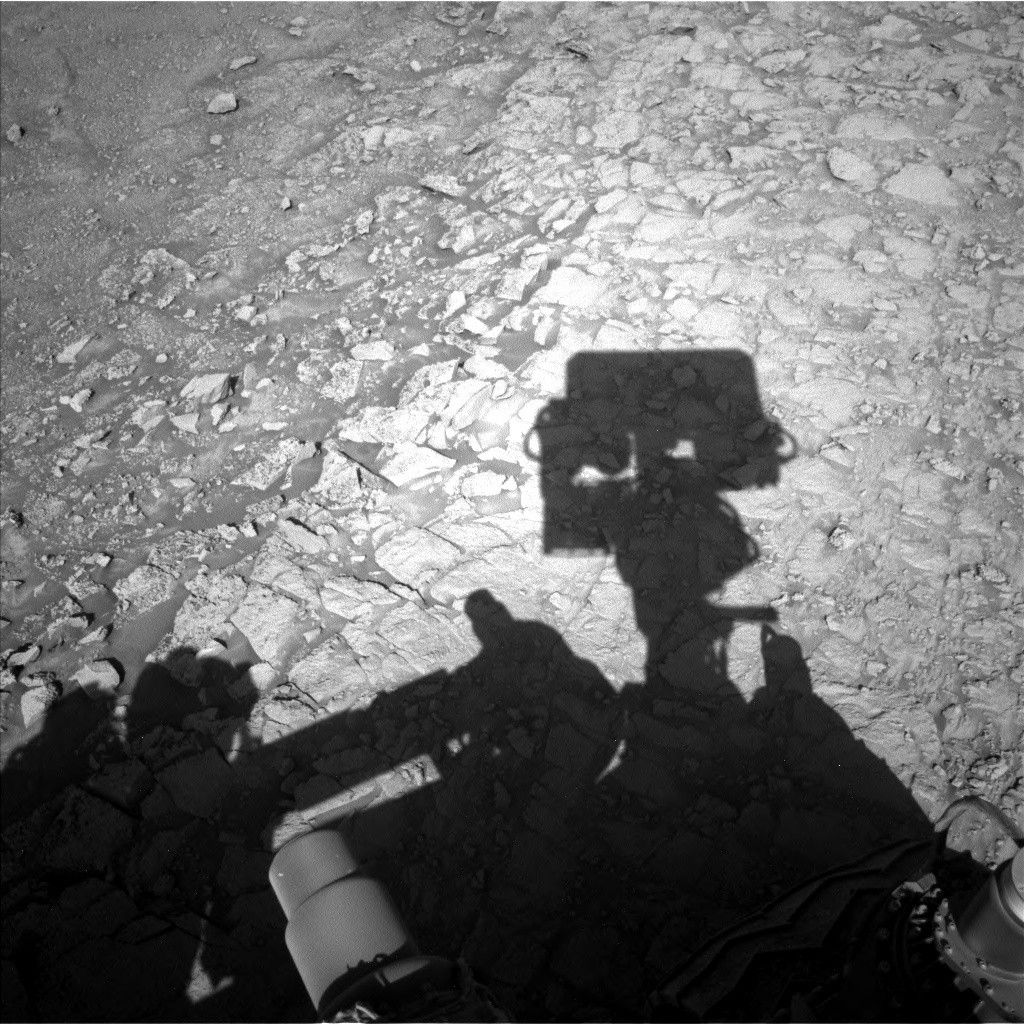
    A grayscale photo from the Martian surface shows a rough, rocky landscape in medium gray, with a shadow of the Curiosity rover’s boxy masthead showing at the center of the frame, and the shadow of its body covering some of the bottom of the frame. Along an uneven vertical border from the top to the bottom of the image, the texture of the terrain is separated from more ground-up soil and rock of many sizes, while the right side is covered in larger, flatter rocks, with numerous cracks and crevices separating them from each other.
    NASA’s Mars rover Curiosity acquired this image using its Left Navigation Camera, showing the transition from smoother ridge bedrock (right) to more nodular bedrock (bottom left to top middle) on the edge of a shallow hollow (top left). Curiosity, whose masthead shadow is also visible, captured this image on Sept. 5, 2025 — Sol 4650, or Martian day 4,650 of the Mars Science Laboratory mission — at 00:22:34 UTC.
    NASA/JPL-Caltech

    Written by Lucy Thompson, Planetary Scientist and APXS Team Member, University of New Brunswick, Canada

    Earth planning date: Friday, Sept. 5, 2025

    Curiosity is in the midst of the boxwork campaign, trying to decipher why we see such pronounced ridges and hollows in this area of Mount Sharp. When this terrain was first identified from orbit it was hypothesized that the ridges may be the result of cementation by circulating fluids, followed by differential erosion of the less resistant bedrock in between (the hollows that we now observe). 

    We have been exploring the boxwork terrain documenting textures, structures and composition to investigate potential differences between ridges and hollows. One of the textural features we have observed are nodules in varying abundance. The focus of our activities this week was to document the transition from smoother bedrock atop a boxwork ridge to more nodular bedrock associated with the edge of a shallow hollow. 

    In Tuesday’s three-sol plan we analyzed the smoother bedrock within the ridge, documenting textures with MAHLI, Mastcam, and ChemCam RMI, and chemistry with ChemCam LIBS and APXS. Curiosity then successfully bumped towards the edge of the ridge/hollow to place the more nodular bedrock in our workspace. Friday’s three-sol plan was basically a repeat of the previous observations, but this time focused on the more nodular bedrock. The planned drive should take us to another boxwork ridge, and closer to the area where we plan to drill into one of the ridges.

    As the APXS strategic planner this week, I helped to select the rock targets for analysis by our instrument, ensuring they were safe to touch and that they met the science intent of the boxwork campaign. I also communicated to the rest of the team the most recent results from our APXS compositional analyses and how they fit into our investigation of the boxwork terrain. This will help to inform our fast-approaching decision about where to drill.

    Both plans included Mastcam and ChemCam long-distance RMI imaging of more distant features, including other boxwork ridges and hollows, buttes, the yardang unit, and Gale crater rim. Planned environmental activities continue to monitor dust in the atmosphere, dust-devil activity, and clouds. Standard REMS, RAD, and DAN activities round out the week’s activities.

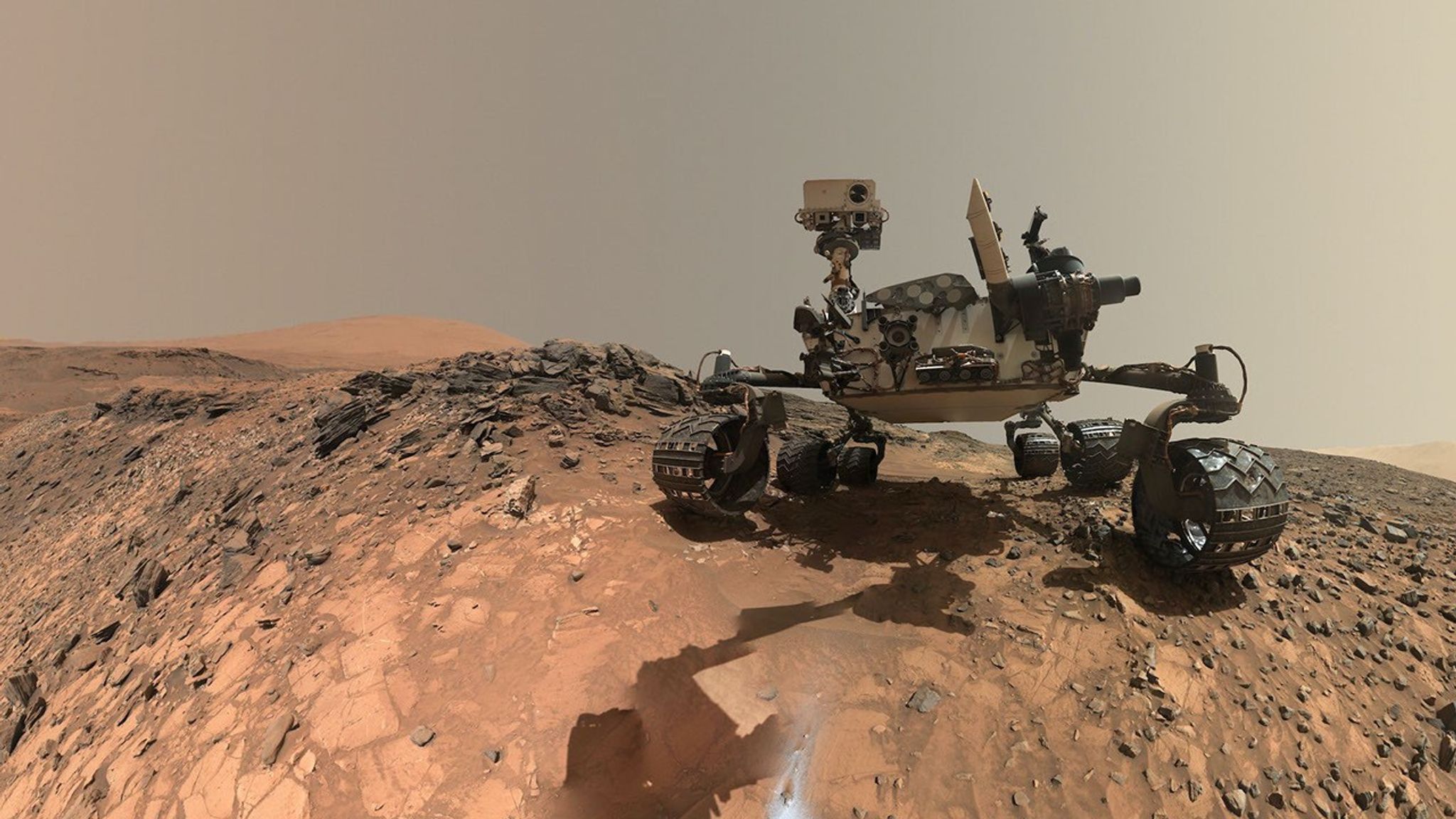
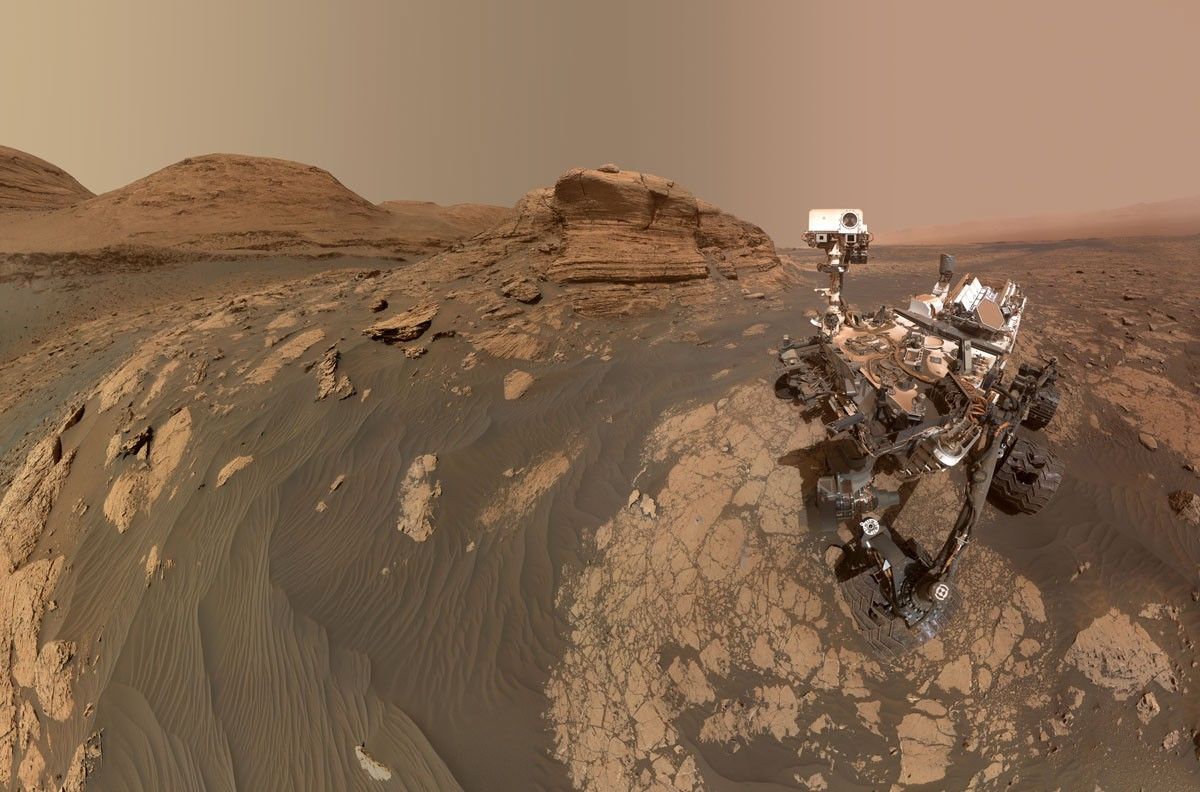
    A rover sits on the hilly, orange Martian surface beneath a flat grey sky, surrounded by chunks of rock.
    NASA’s Mars rover Curiosity at the base of Mount Sharp
    NASA/JPL-Caltech/MSSS

    Details

    Last Updated

    Sep 12, 2025

    Related Terms

  • NASA Awards Third Glenn Facility and Engineering Services Contract

    The letters NASA on a blue circle with red and white detail, all surrounded by a black background
    Credit: NASA

    NASA has selected Troy Sierra JV, LLC of Huntsville, Alabama, to provide engineering, research, and scientific support at the agency’s Glenn Research Center in Cleveland.  

    The Test Facility Operations, Maintenance, and Engineering Services III contract is a cost-plus-fixed-fee, indefinite-delivery/indefinite-quantity contract with a maximum potential value of approximately $388.3 million. The performance period begins Jan. 1, 2026, with a three-year base period followed by a two-year option, and a potential six-month extension through June 2031.

    This contract will provide and manage the engineering, technical, manufacturing, development, operations, maintenance, inspection, and certification support services needed to conduct aerospace testing in NASA Glenn’s facilities and laboratories.

    For information about NASA and other agency programs, visit:

    https://www.nasa.gov

    -end-

    Tiernan Doyle
    Headquarters, Washington
    202-358-1600
    tiernan.doyle@nasa.gov

    Jan Wittry
    Glenn Research Center, Cleveland
    216-433-5466
    jan.m.wittry-1@nasa.gov

    Details

    Last Updated

    Sep 12, 2025

    Related Terms

  • NASA’s X-59 Moves Toward First Flight at Speed of Safety

    5 Min Read

    NASA’s X-59 Moves Toward First Flight at Speed of Safety

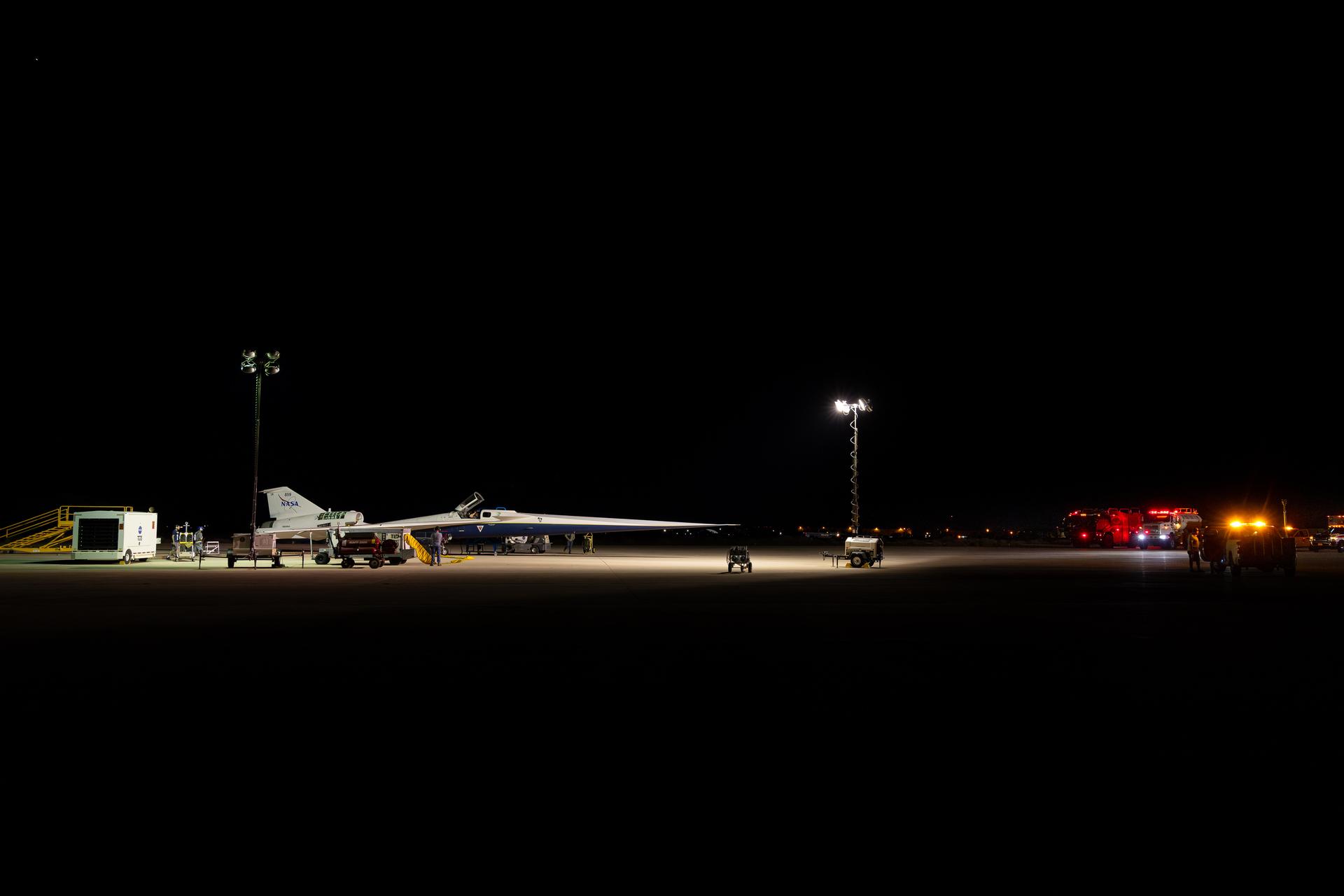
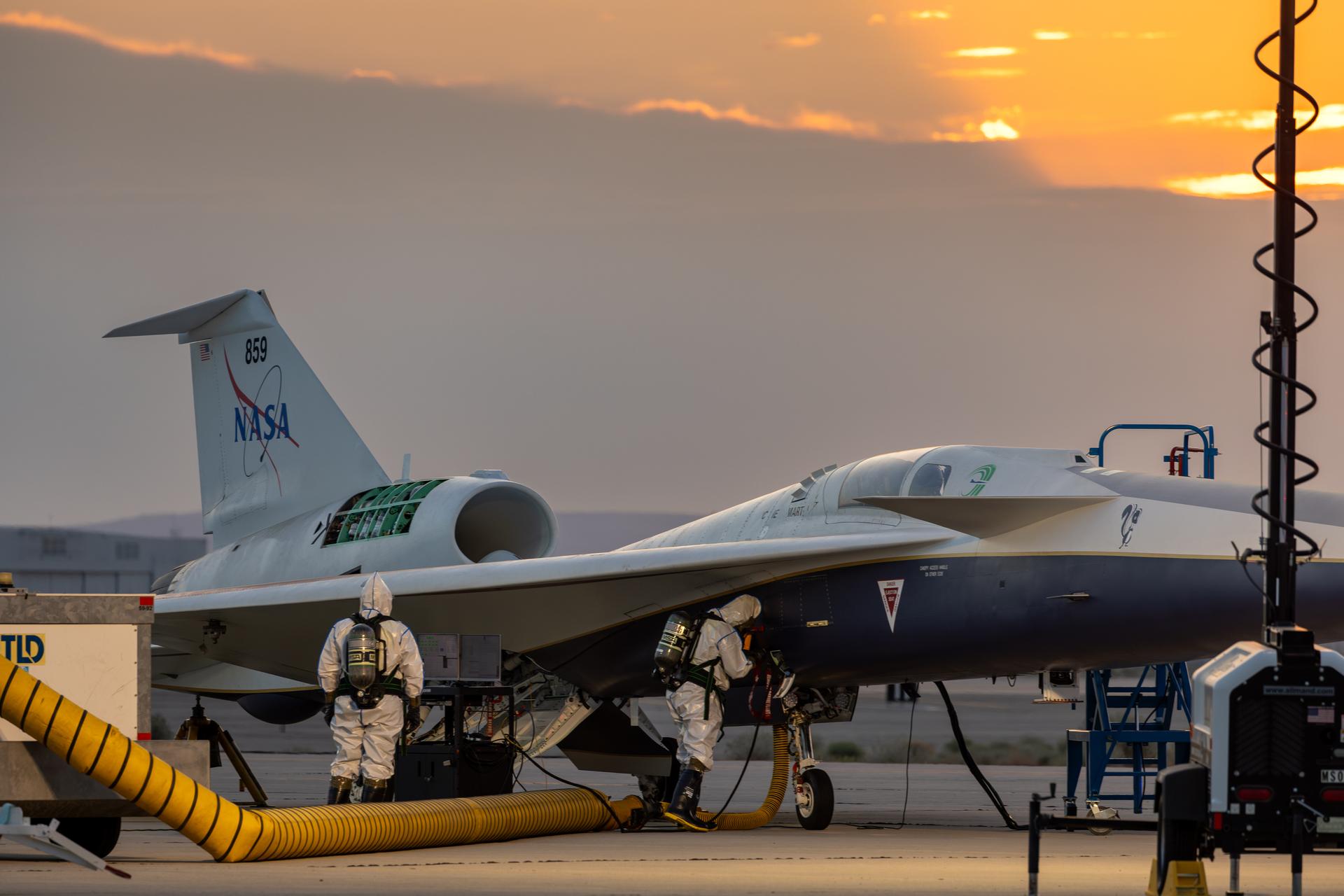
    NASA’s X-59 is seen under floodlights at dawn, with firetrucks and safety vehicles positioned nearby during a hydrazine safety check at Plant 42 in Palmdale, California. It is still dark outside, and areas beyond the center of the image appear black. In the center, the aircraft is shown in profile from left to right in full length, with crew around it and its canopy open. Some distance ahead of the aircraft, lights from safety vehicles are visible. Other equipment, including a trailer and a yellow ladder, is also visible in the scene.

    NASA’s X-59 quiet supersonic research aircraft is seen at dawn with firetrucks and safety personnel nearby during a hydrazine safety check at U.S. Air Force Plant 42 in Palmdale, California, on Aug. 18, 2025. The operation highlights the extensive precautions built into the aircraft’s safety procedures for a system that serves as a critical safeguard, ensuring the engine can be restarted in flight as the X-59 prepares for its first flight.

    Credits:
    Lockheed Martin

    As NASA’s one-of-a-kind X-59 quiet supersonic research aircraft approaches first flight, its team is mapping every step from taxi and takeoff to cruising and landing – and their decision-making is guided by safety.

    First flight will be a lower-altitude loop at about 240 mph to check system integration, kicking off a phase of flight testing focused on verifying the aircraft’s airworthiness and safety. During subsequent test flights, the X-59 will go higher and faster, eventually exceeding the speed of sound. The aircraft is designed to fly supersonic while generating a quiet thump rather than a loud sonic boom.

    To help ensure that first flight – and every flight after that – will begin and end safely, engineers have layered protection into the aircraft.

    The X-59’s Flight Test Instrumentation System (FTIS) serves as one of its primary record keepers, collecting and transmitting audio, video, data from onboard sensors, and avionics information – all of which NASA will track across the life of the aircraft.

    “We record 60 different streams of data with over 20,000 parameters on board,” said Shedrick Bessent, NASA X-59 instrumentation engineer. “Before we even take off, it’s reassuring to know the system has already seen more than 200 days of work.”

    Through ground tests and system evaluations, the system has already generated more than 8,000 files over 237 days of recording. That record provides a detailed history that helps engineers verify the aircraft’s readiness for flight.

    Two maintainers in white protective suits, air tanks, masks, rubber gloves, and boots check NASA’s X-59 hydrazine system during a hydrazine safety check at U.S. Air Force Plant 42 in Palmdale, California. The sky is slightly overcast, with some sunlight rays beginning to peek out from behind the clouds. The aircraft has a panel open, a ladder positioned on the right side of its fuselage, and air ducts extending from the aircraft into a service cart.
    Maintainers perform a hydrazine safety check on the agency’s quiet supersonic X-59 aircraft at U.S. Air Force Plant 42 in Palmdale, California, on Aug. 18, 2025. Hydrazine is a highly toxic chemical, but it serves as a critical backup to restart the engine in flight, if necessary, and is one of several safety features being validated ahead of the aircraft’s first flight.
    Credits: Lockheed Martin

    “There’s just so much new technology on this aircraft, and if a system like FTIS can offer a bit of relief by showing us what’s working – with reliability and consistency – that reduces stress and uncertainty,” Bessent said. “I think that helps the project just as much as it helps our team.”

    The aircraft also uses a digital fly-by-wire system that will keep the aircraft stable and limit unsafe maneuvers. First developed in the 1970s at NASA’s Armstrong Flight Research Center in Edwards, California, digital fly-by-wire replaced how aircraft were flown, moving away from traditional cables and pulleys to computerized flight controls and actuators.

    On the X-59, the pilot’s inputs – such as movement of the stick or throttle – are translated into electronic signals and decoded by a computer. Those signals are then sent through fiber-optic wires to the aircraft’s surfaces, like its wings and tail.

    Additionally, the aircraft uses multiple computers that back each other up and keep the system operating. If one fails, another takes over. The same goes for electrical and hydraulic systems, which also have independent backup systems to ensure the aircraft can fly safely.

    Onboard batteries back up the X-59’s hydraulic and electrical systems, with thermal batteries driving the electric pump that powers hydraulics. Backing up the engine is an emergency restart system that uses hydrazine, a highly reactive liquid fuel. In the unlikely event of a loss of power, the hydrazine system would restart the engine in flight. The system would help restore power so the pilot could stabilize or recover the aircraft.

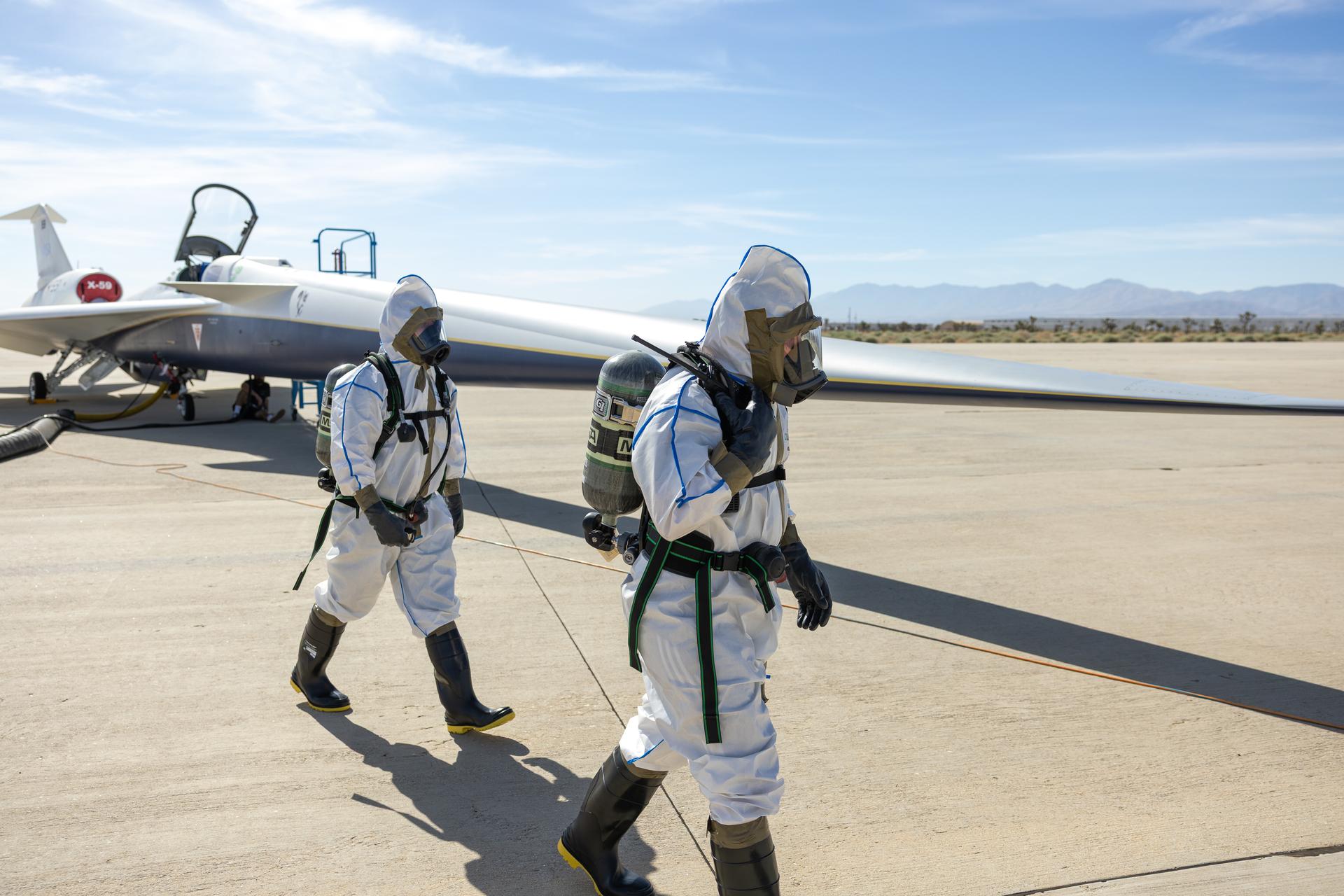
    Two maintainers in white protective suits, air tanks, masks, rubber gloves, and boots walk around the front of NASA’s X-59 quiet supersonic research aircraft during a hydrazine safety check at U.S. Air Force Plant 42 in Palmdale, California, on Aug. 18, 2025. The sky is mostly clear, with some vegetation and mountains visible in the background. The aircraft has its canopy open, a ladder positioned on the right side of its fuselage, and air ducts extending from the aircraft. 
    Maintainers perform a hydrazine safety check on NASA’s quiet supersonic X-59 aircraft at U.S. Air Force Plant 42 in Palmdale, California, on Aug. 18, 2025. Hydrazine is a highly toxic chemical, but it serves as a critical backup to restart the engine in flight, if necessary, which is one of several safety features being validated ahead of the aircraft’s first flight. 
    Credits: Lockheed Martin

    Protective Measures

    Behind each of these systems is a team of engineers, technicians, safety and quality assurance experts, and others. The team includes a crew chief responsible for maintenance on the aircraft and ensuring the aircraft is ready for flight.

    “I try to always walk up and shake the crew chief’s hand,” said Nils Larson, NASA X-59 lead test pilot. “Because it’s not your airplane – it’s the crew chief’s airplane – and they’re trusting you with it. You’re just borrowing it for an hour or two, then bringing it back and handing it over.”

    Larson, set to serve as pilot for first flight, may only be borrowing the aircraft from the X-59’s crew chiefs – Matt Arnold from X-59 contractor Lockheed Martin and Juan Salazar from NASA – but plenty of the aircraft’s safety systems were designed specifically to protect the pilot in flight.

    The X-59’s life support system is designed to deliver oxygen through the pilot’s mask to compensate for the decreased atmospheric pressure at the aircraft’s cruising altitude of 55,000 feet – altitudes more than twice as high as that of a typical airliner. In order to withstand high-altitude flight, Larson will also wear a counter-pressure garment, or g-suit, similar to what fighter pilots wear.

    In the unlikely event it’s needed, the X-59 also features an ejection seat and canopy adapted from a U.S. Air Force T-38 trainer, which comes equipped with essentials like a first aid kit, radio, and water. Due to the design, build, and test rigor put into the X-59, the ejection seat is a safety measure.

    All these systems form a network of safety, adding confidence to the pilot and engineers as they approach to the next milestone – first flight.

    “There’s a lot of trust that goes into flying something new,” Larson said. “You’re trusting the engineers, the maintainers, the designers – everyone who has touched the aircraft. And if I’m not comfortable, I’m not getting in. But if they trust the aircraft, and they trust me in it, then I’m all in.”

  • NASA, War Department Partnership Tests Boundaries of Autonomous Drone Operations

    3 min read

    Preparations for Next Moonwalk Simulations Underway (and Underwater)

    Researchers in the Verification and Validation Lab at NASA’s Ames Research Center in California’s Silicon Valley monitor a simulated drone’s flight path during a test of the FUSE demonstration.
    NASA/Brandon Torres Navarrete

    Through an ongoing collaboration, NASA and the Department of War are working to advance the future of modern drones to support long distance cargo transportation that could increase efficiency, reduce human workload, and enhance safety.  

    Researchers from NASA’s Ames Research Center in California’s Silicon Valley recently participated in a live flight demonstration showcasing how drones can successfully fly without their operators being able to see them, a concept known as beyond visual line of sight (BVLOS).  

    Cargo drones, a type of Unmanned Aerial Systems (UAS), carried various payloads more than 75 miles across North Dakota, between Grand Forks Air Force Base and Cavalier Space Force Station. This demonstration was conducted as part of the War Department’s UAS Logistics, Traffic, Research, and Autonomy (ULTRA) effort. 

    NASA’s UAS Service Supplier (USS) technology helped to demonstrate that cargo drones could operate safely even in complex, shared airspace. During the tests, flight data including location, altitude, and other critical data were transmitted live to the NASA system, ensuring full situational awareness throughout the demonstration. 

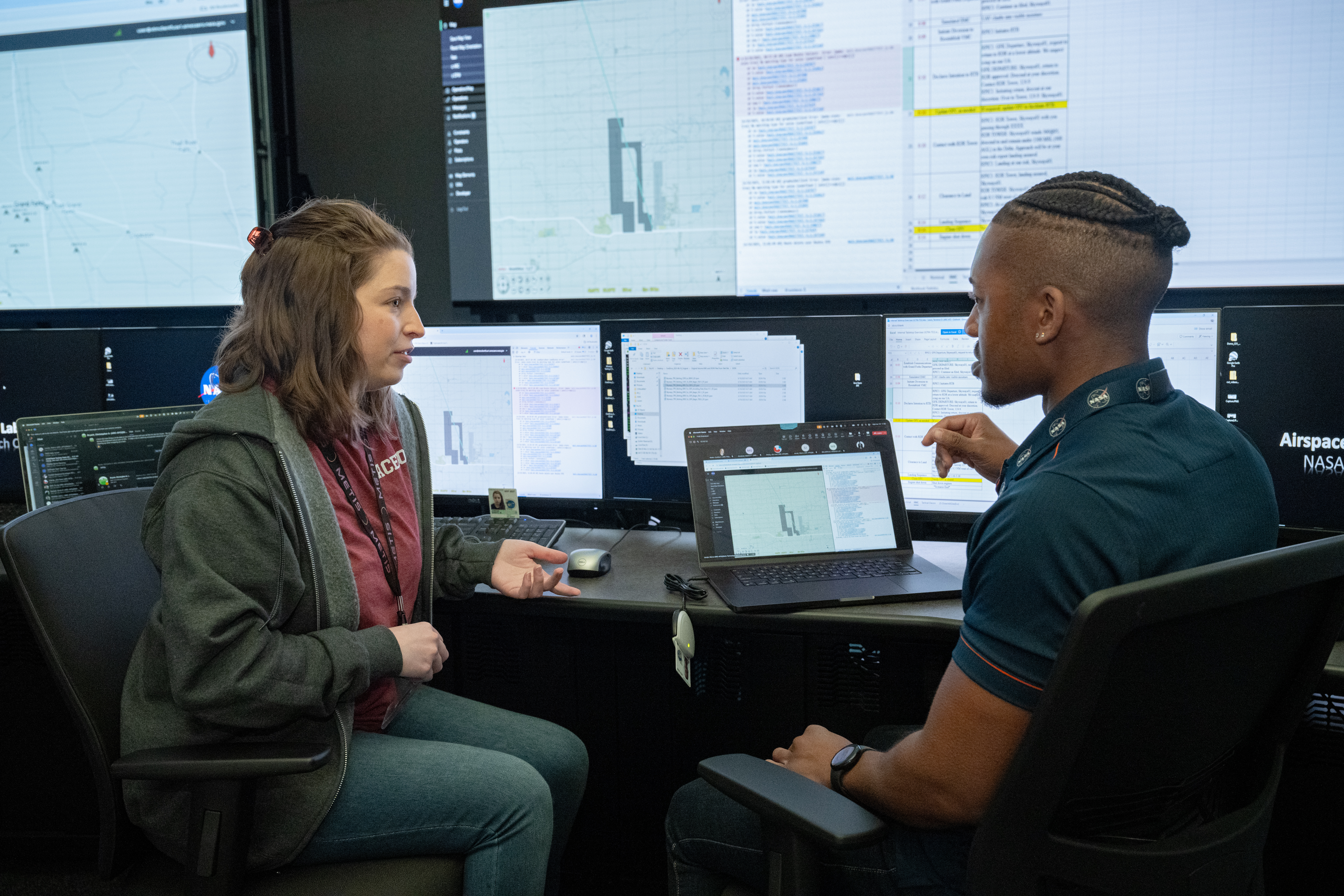
    Terrence Lewis and Sheryl Jurcak, members of the FUSE project team at NASA Ames, discuss the monitoring efforts of the FUSE demonstration at the Airspace Operations Lab. 
    NASA/Brandon Torres Navarrete

    The collaboration between NASA and the Department of War is known as the Federal USS Synthesis Effort (FUSE). The demonstration allowed FUSE researchers to test real-time tracking, situational awareness, and other factors important to safely integrating of drone traffic management into U.S. national airspace. The FUSE work marks an important step towards routine, scalable autonomous cargo drone operations and broader use for future military logistics. 

    “NASA and the Department of War have a long and storied partnership, collaborating with one another to contribute to continued advancement of shared American ideals,” said Todd Ericson, senior advisor to the NASA administrator. “FUSE builds upon our interagency cooperation to contribute enhanced capabilities for drones flying beyond the visual line of sight. This mission is the next big step toward true autonomous flight and will yield valuable insights that we can leverage as both the commercial drone, cargo and urban air taxi industries continue to expand and innovate. As always, safety is of paramount importance at NASA, and we are working with our partners at the FAA and Department of Transportation to ensure we regulate this appropriately.” 

    Autonomous and semi-autonomous drones could potentially support a broad range of tasks for commercial, military, and private users. They could transport critical medical supplies to remote locations, monitor wildfires from above, allow customers to receive deliveries directly in their backyards. NASA is researching technology to further develop the infrastructure needed for these operations to take place safely and effectively, without disrupting the existing U.S. airspace. 

    “This system is crucial for enabling safe, routine BVLOS operations,” said Terrence Lewis, FUSE project manager at NASA Ames. “It ensures all stakeholders can see and respond to drone activity, which provides the operator with greater situational awareness.” 

    NASA Ames is collaborating on the FUSE project with the War Department’s Office of the Undersecretary of War for Acquisition and Sustainment. The NASA FUSE effort is also collaborating with ULTRA, a multi-entity partnership including the Office of the Secretary of War, the County of Grand Forks, the Northern Plains UAS Test Site, the Grand Sky Development, the Air Force Research Laboratory, and several other commercial partners, aiming to bolster capabilities within the National Airspace System. 

    Details

    Last Updated

    Sep 12, 2025

  • A Brief Outburst

    This image focuses on a twisting jet of material erupting from the Sun, glowing bright against the black backdrop of space. The Sun is a fiery, deep red ball taking up three-quarters of the image on the right.
    The Sun blew out a coronal mass ejection along with part of a solar filament over a three-hour period on Feb. 24, 2015. Because this occurred way over near the edge of the Sun, it was unlikely to have any effect on Earth.
    NASA

    The NASA-ESA Solar and Heliospheric Observatory (SOHO) spacecraft captured this extreme ultraviolet wavelength image of the Sun on Feb. 24, 2015, during a three-hour period in which our closest star blew out a coronal mass ejection along with part of a solar filament. While some of the strands fell back into the Sun, a substantial part raced into space in a bright cloud of particles.

    Launched in December 1995, the joint NASA-ESA SOHO mission, was designed to study the Sun inside out. Though its mission was scheduled to run until only 1998, it has continued collecting data, adding to scientists’ understanding of our closest star, and making many new discoveries, including more than 5,000 comets.

    NASA continues to study the Sun with various spacecraft. Soon, there will be three new ways to study the Sun’s influence across the solar system with the launch of a trio of NASA and National Oceanic and Atmospheric Administration (NOAA) spacecraft. Expected to launch no earlier than Tuesday, Sept. 23, the missions include NASA’s IMAP (Interstellar Mapping and Acceleration Probe), NASA’s Carruthers Geocorona Observatory, and NOAA’s SWFO-L1 (Space Weather Follow On-Lagrange 1) spacecraft.

    Image credit: NASA

  • NASA’s GUARDIAN Tsunami Detection Tech Catches Wave in Real Time

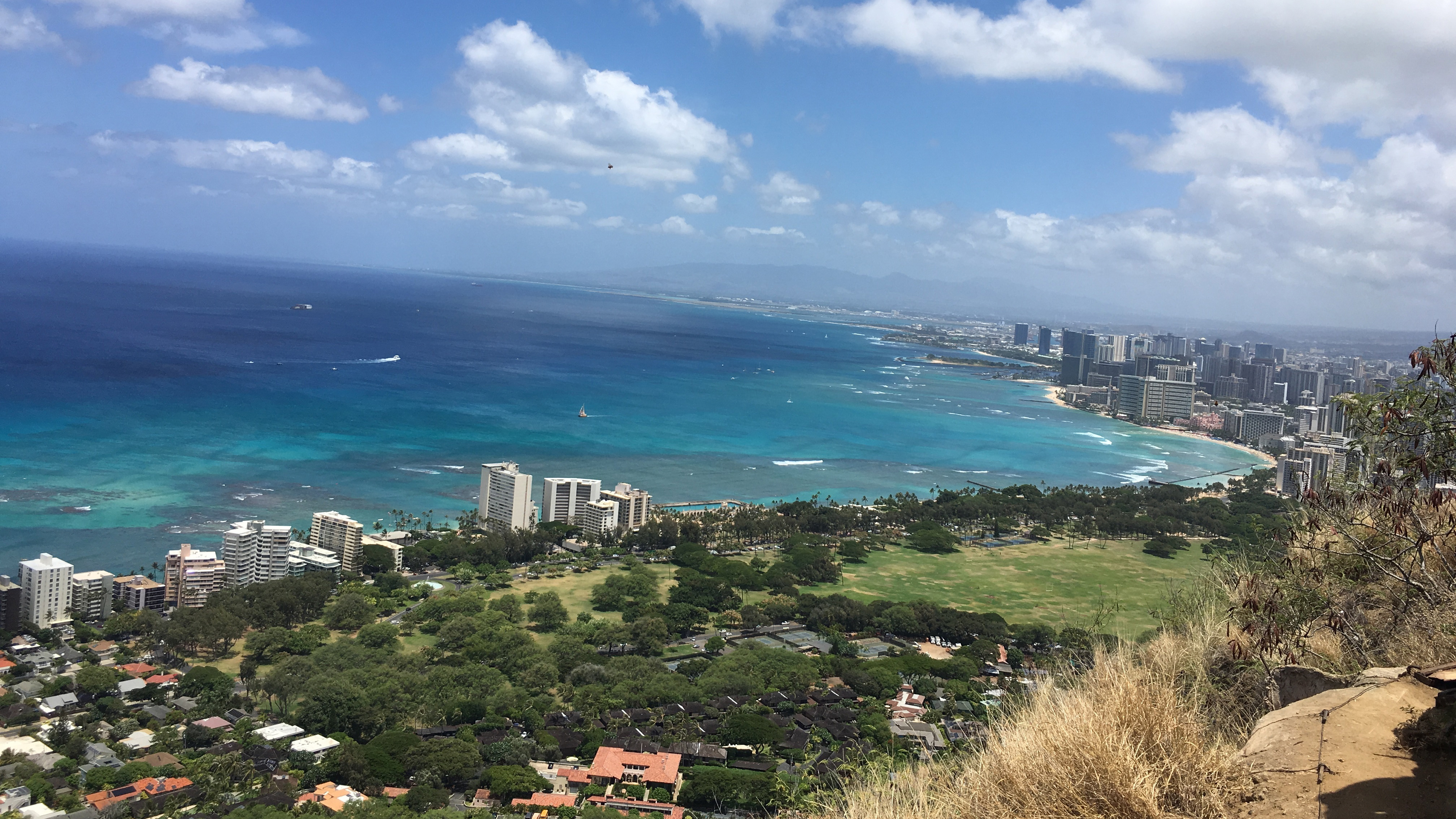
    A panoramic view from a high vantage point overlooking Honolulu. The turquoise Pacific Ocean stretches to the horizon, meeting the city skyline and Waikiki beach. A large green park and lush trees sit between the coast and the foreground hillside.
    Honolulu is pictured here beside a calm sea in 2017. A JPL technology recently detected and confirmed a tsunami up to 45 minutes prior to detection by tide gauges in Hawaii, and it estimated the speed of the wave to be over 580 miles per hour (260 meters per second) near the coast.
    NASA/JPL-Caltech

    A massive earthquake and subsequent tsunami off Russia in late July tested an experimental detection system that had deployed a critical component just the day before.

    A recent tsunami triggered by a magnitude 8.8 earthquake off Russia’s Kamchatka Peninsula sent pressure waves to the upper layer of the atmosphere, NASA scientists have reported. While the tsunami did not wreak widespread damage, it was an early test for a detection system being developed at the agency’s Jet Propulsion Laboratory in Southern California.

    Called GUARDIAN (GNSS Upper Atmospheric Real-time Disaster Information and Alert Network), the experimental technology “functioned to its full extent,” said Camille Martire, one of its developers at JPL. The system flagged distortions in the atmosphere and issued notifications to subscribed subject matter experts in as little as 20 minutes after the quake. It confirmed signs of the approaching tsunami about 30 to 40 minutes before waves made landfall in Hawaii and sites across the Pacific on July 29 (local time).

    “Those extra minutes of knowing something is coming could make a real difference when it comes to warning communities in the path,” said JPL scientist Siddharth Krishnamoorthy.

    Near-real-time outputs from GUARDIAN must be interpreted by experts trained to identify the signs of tsunamis. But already it’s one of the fastest monitoring tools of its kind: Within about 10 minutes of receiving data, it can produce a snapshot of a tsunami’s rumble reaching the upper atmosphere.

    The dots in this graph indicate wave disturbances in the ionosphere as measured between ground stations and navigation satellites. The initial spike shows the acoustic wave coming from the epicenter of the July 29 quake that caused the tsunami; the red squiggle shows the gravity wave the tsunami generated.
    NASA/JPL-Caltech

    The goal of GUARDIAN is to augment existing early warning systems. A key question after a major undersea earthquake is whether a tsunami was generated. Today, forecasters use seismic data as a proxy to predict if and where a tsunami could occur, and they rely on sea-based instruments to confirm that a tsunami is passing by. Deep-ocean pressure sensors remain the gold standard when it comes to sizing up waves, but they are expensive and sparse in locations.

    “NASA’s GUARDIAN can help fill the gaps,” said Christopher Moore, director of the National Oceanic and Atmospheric Administration Center for Tsunami Research. “It provides one more piece of information, one more valuable data point, that can help us determine, yes, we need to make the call to evacuate.”

    Moore noted that GUARDIAN adds a unique perspective: It’s able to sense sea surface motion from high above Earth, globally and in near-real-time.

    Bill Fry, chair of the United Nations technical working group responsible for tsunami early warning in the Pacific, said GUARDIAN is part of a technological “paradigm shift.” By directly observing ocean dynamics from space, “GUARDIAN is absolutely something that we in the early warning community are looking for to help underpin next generation forecasting.”

    How GUARDIAN works

    GUARDIAN takes advantage of tsunami physics. During a tsunami, many square miles of the ocean surface can rise and fall nearly in unison. This displaces a significant amount of air above it, sending low-frequency sound and gravity waves speeding upwards toward space. The waves interact with the charged particles of the upper atmosphere — the ionosphere — where they slightly distort the radio signals coming down to scientific ground stations of GPS and other positioning and timing satellites. These satellites are known collectively as the Global Navigation Satellite System (GNSS).

    While GNSS processing methods on Earth correct for such distortions, GUARDIAN uses them as clues.

    The software scours a trove of data transmitted to more than 350 continuously operating GNSS ground stations around the world. It can potentially identify evidence of a tsunami up to about 745 miles (1,200 kilometers) from a given station. In ideal situations, vulnerable coastal communities near a GNSS station could know when a tsunami was heading their way and authorities would have as much as 1 hour and 20 minutes to evacuate the low-lying areas, thereby saving countless lives and property.

    Key to this effort is the network of GNSS stations around the world supported by NASA’s Space Geodesy Project and Global GNSS Network, as well as JPL’s Global Differential GPS network that transmits the data in real time.

    The Kamchatka event offered a timely case study for GUARDIAN. A day before the quake off Russia’s northeast coast, the team had deployed two new elements that were years in the making: an artificial intelligence to mine signals of interest and an accompanying prototype messaging system.

    Both were put to the test when one of the strongest earthquakes ever recorded spawned a tsunami traveling hundreds of miles per hour across the Pacific Ocean. Having been trained to spot the kinds of atmospheric distortions caused by a tsunami, GUARDIAN flagged the signals for human review and notified subscribed subject matter experts.

    Notably, tsunamis are most often caused by large undersea earthquakes, but not always. Volcanic eruptions, underwater landslides, and certain weather conditions in some geographic locations can all produce dangerous waves. An advantage of GUARDIAN is that it doesn’t require information on what caused a tsunami; rather, it can detect that one was generated and then can alert the authorities to help minimize the loss of life and property. 

    While there’s no silver bullet to stop a tsunami from making landfall, “GUARDIAN has real potential to help by providing open access to this data,” said Adrienne Moseley, co-director of the Joint Australian Tsunami Warning Centre. “Tsunamis don’t respect national boundaries. We need to be able to share data around the whole region to be able to make assessments about the threat for all exposed coastlines.”

    To learn more about GUARDIAN, visit:

    https://guardian.jpl.nasa.gov

    News Media Contacts

    Jane J. Lee / Andrew Wang
    Jet Propulsion Laboratory, Pasadena, Calif.
    626-379-6874 / 818-354-0307
    jane.j.lee@jpl.nasa.gov / andrew.wang@jpl.nasa.gov 

    Written by Sally Younger

    2025-117

  • NASA Ames Science Directorate: Stars of the Month – September 2025

    Ames Science Directorate’s Stars of the Month: September 2025

    Image collage of with three portrait photos of NASA Ames scientists, pictured left to right, Taejin Park, Lydia Schweitzer, and Rachel Morgan.

    The NASA Ames Science Directorate recognizes the outstanding contributions of (pictured left to right) Taejin Park, Lydia Schweitzer, and Rachel Morgan. Their commitment to the NASA mission represents the entrepreneurial spirit, technical expertise, and collaborative disposition needed to explore this world and beyond.

    Earth Science Star: Taejin Park

    Taejin Park is a NASA Earth eXchange (NEX) research scientist within the Biospheric Science Branch, for the Bay Area Environmental Research Institute (BAERI). As the Project Scientist for the Wildfire, Ecosystem Resilience, & Risk Assessment (WERK) project, he has exhibited exemplary leadership and teamwork leading to this multi-year study with the California Natural Resources Agency (CNRA) and California Air Resources Board (CARB) to develop tracking tools of statewide ecological condition, disturbance, and recovery efforts related to wildfires.

    Photo of NASA Ames scientist Lydia Schweitzer in a laboratory setting.

    Space Science and Astrobiology Star: Lydia Schweitzer

    Lydia Schweitzer is a research scientist within the Planetary Systems Branch for the Bay Area Environmental Research Institute (BAERI) as a member of the Neutron Spectrometer System (NSS) team with broad contributions in instrumentation, robotic rovers and lunar exploration. Lydia is recognized for her leadership on a collaborative project to design and build a complex interface unit that is crucial for NSS to communicate with the Japanese Space Agency’s Lunar Polar eXploration rover mission (LUPEX). In addition, she is recognized for her role as an instrument scientist for the Volatiles Investigating Polar Exploration Rover (VIPER) and MoonRanger missions.

    Photo of NASA Ames optical scientist Rachel Morgan.

    Space Science and Astrobiology Star: Rachel Morgan

    Rachel Morgan is an optical scientist in the Astrophysics Branch for the SETI Institute. As AstroPIC’s lead experimentalist and the driving force behind the recently commissioned photonic testbed at NASA Ames, this month she achieved a record 92 dB on-chip suppression on a single photonic-integrated chip (PIC) output channel. This advances critical coronagraph technology and is a significant milestone relevant to the Habitable Worlds Observatory.

  • NASA, Embry-Riddle Enact Agreement to Advance Research, Educational Opportunities

    3 min read

    Preparations for Next Moonwalk Simulations Underway (and Underwater)

    NASA’s Langley Research Center Acting Director Dr. Trina Marsh Dyal and Dr. Jeremy Ernst, vice president for Research and Doctoral Programs at Embry-Riddle Aeronautical University, complete the signing of a Space Act Agreement during a ceremony held at NASA Langley in Hampton, Virginia on Thursday, Sept. 11, 2025
    NASA’s Langley Research Center Acting Director Dr. Trina Marsh Dyal and Dr. Jeremy Ernst, vice president for Research and Doctoral Programs at Embry-Riddle Aeronautical University, complete the signing of a Space Act Agreement during a ceremony held at NASA Langley in Hampton, Virginia on Thursday, Sept. 11, 2025
    NASA/Mark Knopp

    As NASA inspires the world through discovery in a new era of innovation and exploration, NASA’s Langley Research Center in Hampton, Virginia, and Embry-Riddle Aeronautical University are working together to advance research, educational opportunities, and workforce development to enable the next generation of aerospace breakthroughs.

    The collaborative work will happen through a Space Act Agreement NASA Langley and Embry-Riddle signed during a ceremony held Thursday at NASA Langley. The agreement will leverage NASA Langley’s aerospace expertise and Embry-Riddle’s specialized educational programs and research to drive innovation in aerospace, research, education, and technology, while simultaneously developing a highly skilled workforce for the future of space exploration and advanced air mobility.

    Dr. Trina Marsh Dyal, NASA Langley’s acting center director, and Dr. Jeremy Ernst, vice president for Research and Doctoral Programs at Embry-Riddle, presided over the ceremony.

    “NASA Langley values opportunities to partner with colleges and universities on research and technology demonstrations that lay the foundation for tomorrow’s innovations,” said Dyal. “These collaborations play an essential role in advancing aeronautics, space exploration, and science initiatives that benefit NASA, industry, academia, and the nation.”

    In addition to forging a formal partnership between NASA Langley and Embry-Riddle, the agreement lays the framework to support Embry-Riddle’s development of an Augmented Reality tool by using NASA sensor technology and data. Augmented Reality uses computer-generated elements to enhance a user’s real-world environment and can help users better visualize data. Incorporating model and lunar landing data from Navigation Doppler Lidar, a technology developed at NASA Langley, this tool will enhance visualization and training for entry, descent, and landing, and deorbit, descent, and landing systems — advancing our capabilities for future Moon and Mars missions.

    NASA’s Langley Research Center Acting Director Dr. Trina Marsh Dyal, left, and Dr. Jeremy Ernst, vice president for Research and Doctoral Programs at Embry-Riddle Aeronautical University, sign a Space Act Agreement during a ceremony held at NASA Langley in Hampton, Virginia on Thursday, Sept. 11, 2025.
    NASA’s Langley Research Center Acting Director Dr. Trina Marsh Dyal and Dr. Jeremy Ernst, vice president for Research and Doctoral Programs at Embry-Riddle Aeronautical University, sign a Space Act Agreement during a ceremony held at NASA Langley in Hampton, Virginia on Thursday, Sept. 11, 2025.
    NASA/Mark Knopp

    “As we work to push the boundaries of what is possible and solve the complexities of a sustained human presence on the lunar surface and Mars, this partnership with Embry-Riddle will not only support NASA’s exploration goals but will also ensure the future workforce is equipped to maintain our nation’s aerospace leadership,” Dyal said.

    Embry-Riddle educates more than 30,000 students through its residential campuses in Daytona Beach, Florida, and Prescott, Arizona, and through online programs offered by its
    Worldwide Campus, which counts more than 100 locations across the globe, including a site at Naval Station Norfolk in Virginia.

    “We are thrilled that this partnership with NASA Langley is making it possible for our faculty, students, and staff to engage with NASA talent and collaborate on cutting-edge aerospace applications and technology,” said Ernst. “This partnership also presents an incredible opportunity for our students to augment direct research experiences, enhancing career readiness as they prepare to take on the aerospace challenges of tomorrow.”

    NASA is committed to partnering with a wide variety of domestic and international partners, in academia, industry, and across the government, to successfully accomplish its diverse missions, including NASA’s Artemis campaign which will return astronauts to the Moon and help pave the way for future human missions to Mars.

    For more information on programs at NASA Langley, visit:

    https://nasa.gov/langley

    Brittny McGraw
    NASA Langley Research Center

    Details

    Last Updated

    Sep 11, 2025

    Related Terms

  • Thermophysics Facilities Branch – Points of Contact

    2 min read

    Preparations for Next Moonwalk Simulations Underway (and Underwater)

    For general inquires:

    For questions regarding scheduling of arc jet tests:

    For questions regarding scheduling of ballistic range tests:

    For questions on the Ames Vertical Gun Range (AVGR), contact the AVGR Science Coordinator:

    For questions on the Electric Arc Shock Tube (EAST):

    For questions regarding the Planetary Aeolian Laboratory:

    SHIPPING ADDRESS

    For tests in the AHF or TFD, the shipping address is

    • NASA Ames Research Center
    • Building N234 Room 112
    • Moffett Field, CA 94035-0001

    For tests in the PTF or IHF, the shipping address is

    • NASA Ames Research Center
    • Building N238 Room 103
    • Moffett Field, CA 94035-0001

    For tests in the HFFF, the shipping address is

    • NASA Ames Research Center
    • Building N237 Room 150
    • Moffett Field, CA 94035-0001

    For tests in the AVGR, the shipping address is

    • NASA Ames Research Center
    • Building N204A Room 104
    • Moffett Field, CA 94035-0001

    For tests in the EAST, the shipping address is

    • NASA Ames Research Center
    • Building N229 Room 157 
    • Moffett Field, CA 94035-0001

    Or you can mail us at:

    NASA Ames Research CenterThermophysics Facilities Branch Mail Stop 229-4 Moffett Field, CA 94035-1000

  • Shining Pismis 24

    In what appears as a celestial dreamscape, a blue and black sky filled with brilliant stars covers about two thirds of the image. The stars are different sizes and shades of white, beige, yellow, and light orange. Across the bottom third of the scene is a craggy, mountain-like vista with spire-like peaks and deep, seemingly misty valleys. These so-called mountains appear in varying shades of orange, yellow, and brown. The soaring spires are going up, up, up, where a wispy, ethereal white cloud stretches horizontally across the scene. Steam appears to rise from the mountaintops and join with this cloud. At the top, right corner of the image, a swath of orange and brown structure cuts diagonally across the sky.
    NASA, ESA, CSA, STScI

    NASA’s James Webb Space Telescope captured this sparkling scene of star birth in an image released on Sept. 4, 2025. Called Pismis 24, this young star cluster resides in the core of the nearby Lobster Nebula, approximately 5,500 light-years from Earth in the constellation Scorpius. Home to a vibrant stellar nursery and one of the closest sites of massive star birth, Pismis 24 provides rare insight into large and massive stars. Its proximity makes this region one of the best places to explore the properties of hot young stars and how they evolve.

    Captured in infrared light by Webb’s NIRCam (Near-Infrared Camera), this image reveals thousands of jewel-like stars of varying sizes and colors. The largest and most brilliant ones with the six-point diffraction spikes are the most massive stars in the cluster. Hundreds to thousands of smaller members of the cluster appear as white, yellow, and red, depending on their stellar type and the amount of dust enshrouding them. Webb also shows us tens of thousands of stars behind the cluster that are part of the Milky Way galaxy.

    Learn more about this star cluster.

    Image credit: NASA, ESA, CSA, STScI

  • New U.S.-European Sea Level Satellite Will Help Safeguard Ships at Sea

    5 min read

    Preparations for Next Moonwalk Simulations Underway (and Underwater)

    A ship plows through rough seas in the Bering Sea
    A ship plows through rough seas in the Bering Sea in the aftermath of Typhoon Tip, one of the largest hurricanes on record. The Sentinel-6B satellite will provide data crucial to forecasting sea states, information that can help ships avoid danger.
    CC BY 2.0 NOAA/Commander Richard Behn

    Sea surface height data from the Sentinel-6B satellite, led by NASA and ESA, will help with the development of marine weather forecasts, alerting ships to possible dangers.

    Because most global trade travels by ship, accurate, timely ocean forecasts are essential. These forecasts provide crucial information about storms, high winds, and rough water, and they depend on measurements provided by instruments in the ocean and by satellites including Sentinel-6B, a joint mission led by NASA and ESA (European Space Agency) that will provide essential sea level and other ocean data after it launches this November.

    The satellite will eventually take over from its twin, Sentinel-6 Michael Freilich, which launched in 2020. Both satellites have an altimeter instrument that measures sea levels, wind speeds, and wave heights, among other characteristics, which meteorologists feed into models that produce marine weather forecasts. Those forecasts provide information on the state of the ocean as well as the changing locations of large currents like the Gulf Stream. Dangerous conditions can result when waves interact with such currents, putting ships at risk.

    “Building on NASA’s long legacy of satellite altimetry data and its real-world impact on shipping operations, Sentinel-6B will soon take on the vital task of improving ocean and weather forecasts to help keep ships, their crews, and cargo safe”, said Nadya Vinogradova Shiffer, lead program scientist at NASA Headquarters in Washington.

    Sentinel-6 Michael Freilich and Sentinel-6B are part of the Sentinel-6/Jason-CS (Continuity of Service) mission, the latest in a series of ocean-observing radar altimetry missions that have monitored Earth’s changing seas since the early 1990s. Sentinel-6/Jason-CS is a collaboration between NASA, ESA, the European Union, EUMETSAT (European Organisation for the Exploitation of Meteorological Satellites), and NOAA (U.S. National Oceanic and Atmospheric Administration). The European Commission provided funding support, and the French space agency CNES (Centre National d’Études Spatiales) contributed technical support.

    Keeping current

    “The ocean is getting busier, but it’s also getting more dangerous,” said Avichal Mehra, deputy director of the Ocean Prediction Center at the National Weather Service in College Park, Maryland. He and his colleagues produce marine weather forecasts using data from ocean-based instruments as well as complementary measurements from five satellites, including Sentinel-6 Michael Freilich. Among those measurements: sea level, wave height, and wind speed. The forecasters derive the location of large currents from changes in sea level.

    One of the planet’s major currents, the Gulf Stream is located off the southeastern coast of the United States, but its exact position varies. “Ships will actually change course depending on where the Gulf Stream is and the direction of the waves,” said Mehra. “There have been instances where, in calm conditions, waves interacting with the Gulf Stream have caused damage or the loss of cargo containers on ships.”

    Large, warm currents like the Gulf Stream can have relatively sharp boundaries since they are generally higher than their surroundings. Water expands as it warms, so warm seawater is taller than cooler water. If waves interact with these currents in a certain way, seas can become extremely rough, presenting a hazard to even the largest ships.

    “Satellite altimeters are the only reliable measurement we have of where these big currents can be,” said Deirdre Byrne, sea surface height team lead at NOAA in College Park.

    There are hundreds of floating sensors scattered about the ocean that could pick up parts of where such currents are located, but these instruments are widely dispersed and limited in the area they measure at any one time. Satellites like Sentinel-6B offer greater spatial coverage, measuring areas that aren’t regularly monitored and providing essential information for the forecasts that ships need.

    Consistency is key

    Sentinel-6B won’t just help marine weather forecasts through its near-real-time data, though. It will also extend a long-term dataset featuring more than 30 years of sea level measurements, just as Sentinel-6 Michael Freilich does today.

    “Since 1992, we have launched a series of satellites that have provided consistent sea level observations from the same orbit in space. This continuity allows each new mission to be calibrated against its predecessors, providing measurements with centimeter-level accuracy that don’t drift over time,” said Severine Fournier, Sentinel-6B deputy project scientist at NASA’s Jet Propulsion Laboratory in Southern California.  

    This long-running, repeated measurement has turned this dataset into the gold standard sea level measurement from space — a reference against which data from other sea level satellites is checked. It also serves as a baseline, giving forecasters a way to tell what ocean conditions have looked like over time and how they are changing now. “This kind of data can’t be easily replaced,” said Mehra.

    More about Sentinel-6B

    Sentinel-6/Jason-CS was jointly developed by ESA, EUMETSAT, NASA, and NOAA, with funding support from the European Commission and technical support from CNES.

    A division of Caltech in Pasadena, JPL contributed three science instruments for each Sentinel-6 satellite: the Advanced Microwave Radiometer, the Global Navigation Satellite System – Radio Occultation, and the Laser Retroreflector Array. NASA is also contributing launch services, ground systems supporting operation of the NASA science instruments, the science data processors for two of these instruments, and support for the U.S. members of the international Ocean Surface Topography and Sentinel-6 science teams.

    For more about Sentinel-6/Jason-CS, visit:

    https://sealevel.jpl.nasa.gov/missions/jason-cs-sentinel-6

    News Media Contacts

    Jane J. Lee / Andrew Wang
    Jet Propulsion Laboratory, Pasadena, Calif.
    626-491-1943 / 626-379-6874
    jane.j.lee@jpl.nasa.gov / andrew.wang@jpl.nasa.gov

    2025-116

  • Artemis II Crew Both Subjects and Scientists in NASA Deep Space Research

    Artemis II NASA astronauts (left to right) Reid Wiseman, Victor Glover, and Christina Koch, and CSA (Canadian Space Agency) astronaut Jeremy Hansen stand in the white room on the crew access arm of the mobile launcher at Launch Pad 39B as part of an integrated ground systems test at Kennedy Space Center in Florida on Wednesday, Sept. 20, 2023. The test ensures the ground systems team is ready to support the crew timeline on launch day.
    NASA/Frank Michaux

    With Artemis II, NASA is taking the science of living and working in space beyond low Earth orbit. While the test flight will help confirm the systems and hardware needed for human deep space exploration, the crew also will be serving as both scientists and volunteer research subjects, completing a suite of experiments that will allow NASA to better understand how human health may change in deep space environments. Results will help the agency build future interventions, protocols, and preventative measures to best protect astronauts on future missions to the lunar surface and to Mars.

    Science on Artemis II will include seven main research areas:

    ARCHeR: Artemis Research for Crew Health and Readiness 

    NASA’s Artemis II mission provides an opportunity to explore how deep space travel affects sleep, stress, cognition, and teamwork — key factors in astronaut health and performance. While these effects are well-documented in low Earth orbit, they’ve never been fully studied during lunar missions.

    Artemis II astronauts who agreed to be part of the study will wear wristband devices that continuously monitor movement and sleep patterns throughout the mission. The data will be used for real-time health monitoring and safety assessments, while pre- and post-flight evaluations will provide deeper insights into cognition, behavior, sleep quality, and teamwork in the unique environment of deep space and the Orion spacecraft.

    The findings from the test flight will inform future mission planning and crew support systems, helping NASA optimize human performance for the next era of exploration on the Moon and Mars.

    Immune Biomarkers

    Saliva provides a unique window into how the human immune system functions in a deep space environment. Tracing changes in astronauts’ saliva from before, during, and after the mission will enable researchers to investigate how the human body responds to deep space in unprecedented ways.

    Dry saliva will be collected before, during, and after the mission. It will be blotted onto specialized paper in pocket-sized booklets since equipment needed to preserve wet spit samples in space – including refrigeration – will not be available due to volume constraints. To augment that information, liquid saliva and blood samples will be collected before and after the mission.  

    Astronaut Randy Bresnik in a red shirt looks at small white booklet for saliva collection. He is on the International Space Station.
    NASA Astronaut Randy Bresnik prepares to collect a dry saliva sample aboard the International Space Station. The process, which helps scientists investigate how the immune system is affected by spaceflight and will be part of the Artemis II mission, involves blotting saliva onto special paper that’s stored in pocket-sized booklets.
    Credit: NASA

    With these wet and dry saliva samples, scientists will gain insights into how the astronauts’ immune systems are affected by the increased stresses of radiation, isolation, and distance from Earth during their deep space flight. They also will examine whether otherwise dormant viruses are reactivated in space, as has been seen previously on the International Space Station with viruses that can cause chickenpox and shingles.

    The information gathered from this study, when combined with data from other missions, will help researchers develop ways to keep crew members safe and healthy as we explore farther and travel for longer periods on deep space missions.

    AVATAR: A Virtual Astronaut Tissue Analog Response

    AVATAR is another important component of NASA’s strategy to gain a holistic understanding of how the deep space environment affects humans. Scientists plan to use organ-on-a-chip technology during Artemis II, marking the first time these devices will be used beyond the Van Allen belts.

    Roughly the size of a USB thumb drive, the chips will measure how individual astronauts respond to deep space stressors, including extreme radiation and microgravity. The organ chips will contain cells developed from preflight blood donations provided by crew members to create miniature stand-ins, or “avatars,” of their bone marrow. Bone marrow plays a vital role in the immune system and is particularly sensitive to radiation, which is why scientists selected it for this study.

    Two fingers holding a transparent rectangular device the size of a USB drive. Inside the device is a long line of blue with two short, red lines at opposite ends.
    An organ chip for conducting bone marrow experiments in space.
    Credit: Emulate

    A key goal for this research is to validate whether organ chips can serve as accurate tools for measuring and predicting human responses to stressors. To evaluate this, scientists will compare AVATAR data with space station findings, as well as with samples taken from the crew before and after flight.

    AVATAR could inform measures to ensure crew health on future deep space missions, including personalizing medical kits to each astronaut. For citizens on Earth, it could lead to advancements in individualized treatments for diseases such as cancer.

    AVATAR is a demonstration of the power of public-private partnerships. It’s a collaboration between government agencies and commercial space companies: NASA, National Center for Advancing Translational Sciences within the National Institutes of Health, Biomedical Advanced Research and Development Authority, Space Tango, and Emulate.

    Artemis II Standard Measures

    The crew also will become the first astronauts in deep space to participate in the Spaceflight Standard Measures study, an investigation that’s been collecting data from participating crew members aboard the space station and elsewhere since 2018. The study aims to collect a comprehensive snapshot of astronauts’ bodies and minds by gathering a consistent set of core measurements of physiological response.

    The crew will provide biological samples including blood, urine, and saliva for evaluating nutritional status, cardiovascular health, and immunological function starting about six months before their launch. The crew also will participate in tests and surveys evaluating balance, vestibular function, muscle performance, changes in their microbiome, as well as ocular and brain health. While in space, data gathering will include an assessment of motion sickness symptoms. After landing, there will be additional tests of head, eye, and body movements, among other functional performance tasks. Data collection will continue for a month after their return.

    All this information will be available for scientists interested in studying the effects of spaceflight via request to NASA’s Life Sciences Data Archive. The results from this work could lead to future interventions, technologies, and studies that help predict the adaptability of crews on a Mars mission.

    Radiation Sensors Inside Orion

    During the uncrewed Artemis I mission, Orion was blanketed in 5,600 passive and 34 active radiation sensors. The information they gathered assured researchers Orion’s design can provide protection for crew members from hazardous radiation levels during lunar missions. That doesn’t mean that scientists don’t want more information, however.

    Similar to Artemis I, six active radiation sensors, collectively called the Hybrid Electronic Radiation Assessors, will be deployed at various locations inside the Orion crew module. Crew also will wear dosimeters in their pockets. These sensors will provide warnings of hazardous radiation levels caused by space weather events made by the Sun. If necessary, this data will be used by mission control to drive decisions for the crew to build a shelter to protect from radiation exposure due to space weather. 

    Additionally, NASA has again partnered the German Space Agency DLR for an updated model of their M-42 sensor – an M-42 EXT – for Artemis II. The new version offers six times more resolution to distinguish between different types of energy, compared to the Artemis I version. This will allow it to accurately measure the radiation exposure from heavy ions which are thought to be particularly hazardous for radiation risk. Artemis II will carry four of the monitors, affixed at points around the cabin by the crew.

    Collectively, sensor data will paint a full picture of radiation exposures inside Orion and provide context for interpreting the results of the ARCHeR, AVATAR, Artemis II Standard Measures, and Immune Biomarkers experiments.

    Lunar Observations Campaign

    The Artemis II crew will take advantage of their location to explore the Moon from above. As the first humans to see the lunar surface up close since 1972, they’ll document their observations through photographs and audio recordings to inform scientists’ understanding of the Moon and share their experience of being far from Earth. It’s possible the crew could be the first humans to see certain areas of the Moon’s far side, though this will depend on the time and date of launch, which will affect which areas of the Moon will be illuminated and therefore visible when the spacecraft flies by.

    Spacecraft such as NASA’s Lunar Reconnaissance Orbiter have been surveying and mapping the Moon for decades, but Artemis II provides a unique opportunity for humans to evaluate the lunar surface from above. Human eyes and brains are highly sensitive to subtle changes in color, texture, and other surface characteristics. Having the crew observe the lunar surface directly – equipped with questions that scientists didn’t even know to ask during Apollo missions – could form the basis for future scientific investigations into the Moon’s geological history, the lunar environment, or new impact sites.

    This visualization simulates what the crew of Artemis II might see out the Orion windows on the day of their closest approach to the Moon. It compresses 36 hours into a little more than a minute as it flies the virtual camera on a realistic trajectory that swings the spacecraft around the Moon’s far side. This sample trajectory is timed so that the far side is fully illuminated when the astronauts fly by, but other lighting conditions are possible depending on the exact Artemis II launch date. The launch is scheduled for no later than April of 2026.
    NASA Goddard/Ernie Wright

    It will also offer the first opportunity for an Artemis mission to integrate science flight control operations. From their console in the flight control room in mission control, a science officer will consult with a team of scientists with expertise in impact cratering, volcanism, tectonism, and lunar ice, to provide real-time data analysis and guidance to the Artemis II crew in space. During the mission, the lunar science team will be located in mission control’s Science Evaluation Room at NASA’s Johnson Space Center in Houston. 

    Lessons learned during Artemis II will pave the way for lunar science operations on future missions.

    CubeSats

    Several additional experiments are hitching a ride to space onboard Artemis II in the form of CubeSats – shoe-box-sized technology demonstrations and scientific experiments. Though separate from the objectives of the Artemis II mission, they may enhance understanding of the space environment.

    Technicians install the Korea AeroSpace Administration (KASA) K-Rad Cube within the Orion stage adapter inside the Multi-Payload Processing Facility at NASA’s Kennedy Space Center in Florida on Tuesday, Sept. 2, 2025. The K-Rad Cube, about the size of a shoebox, is one of the CubeSats slated to fly on NASA’s Artemis II test flight in 2026.
    Credit: NASA

    Four international space agencies have signed agreements to send CubeSats into space aboard the SLS (Space Launch System) rocket, each with their own objectives. All will be released from an adapter on the SLS upper stage into a high-Earth orbit, where they will conduct an orbital maneuver to reach their desired orbit.

    • ATENEA – Argentina’s Comisión Nacional de Actividades Espaciales will collect data on radiation doses across various shielding methods, measure the radiation spectrum around Earth, collect GPS data to help optimize future mission design, and validate a long-range communications link.
    • K-Rad Cube – The Korea Aerospace Administration will use a dosimeter made of material designed to mimic human tissue to measure space radiation and assess biological effects at various altitudes across the Van Allen radiation belt.
    • Space Weather CubeSat – The Saudi Space Agency will measure aspects of space weather, including radiation, solar X-rays, solar energetic particles, and magnetic fields, at a range of distances from Earth.
    • TACHELES – The Germany Space Agency DLR will collect measurements on the effects of the space environment on electrical components to inform technologies for lunar vehicles.

    Together, these research areas will inform plans for future missions within NASA’s Artemis campaign. Through Artemis, NASA will send astronauts to explore the Moon for scientific discovery, economic benefits, and build the foundation for the first crewed missions to Mars.