
Image:
A starburst shines in infrared (MIRI)
Tag: image
-
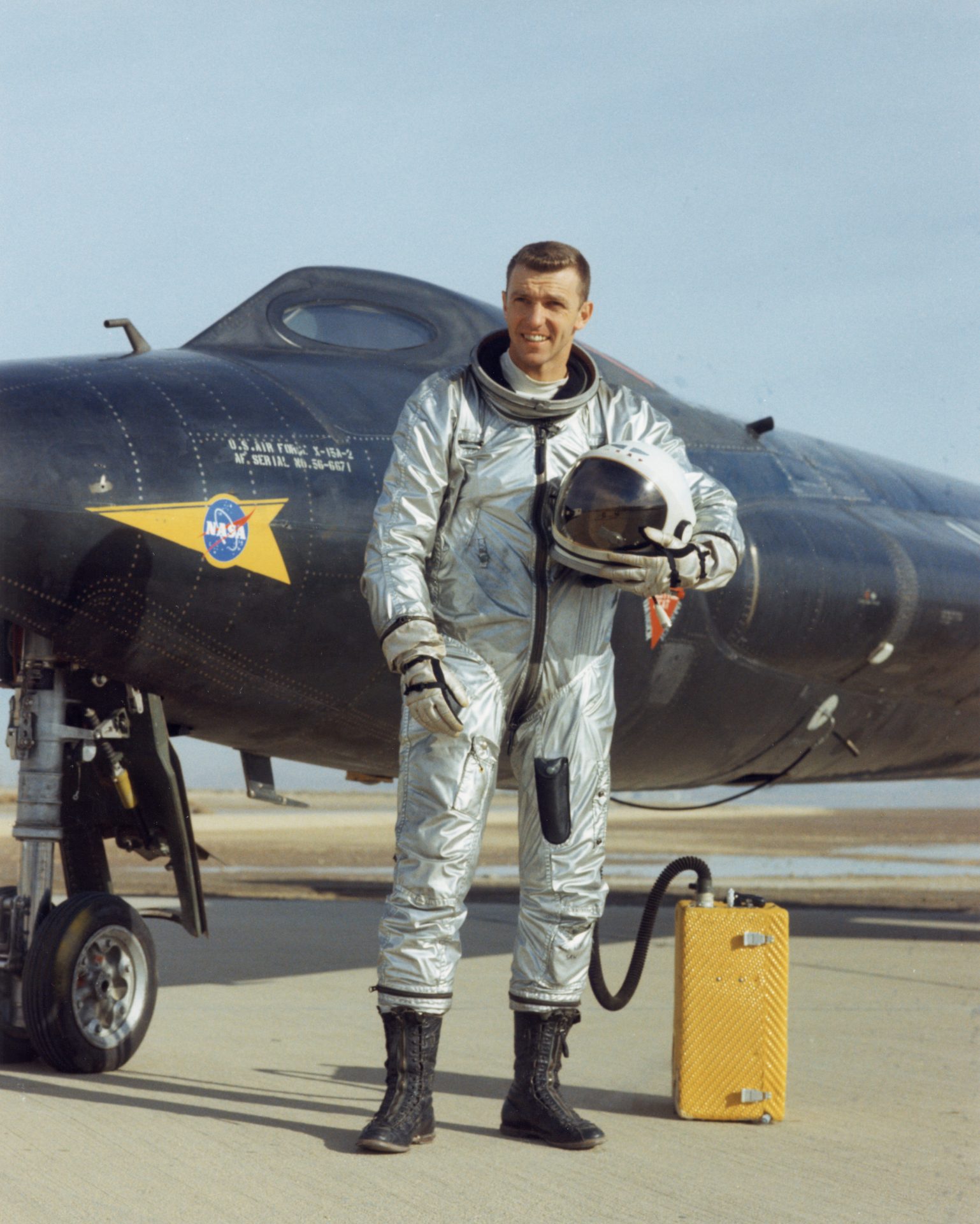
Astronaut Joe Engle Flies X-15
In 1963, Captain Engle was assigned as one of two Air Force test pilots to fly the X-15 Research Rocket aircraft. In 1965, he flew the X-15 to an altitude of 280,600 feet, and became the youngest pilot ever to qualify as an astronaut. Three of his sixteen flights in the X-15 exceeded the 50-mile (264,000 feet) altitude required for astronaut rating.
-
A new adventure on the International Space Station

Video:
00:04:13Daniel Neuenschwander, ESA head of Space and Robotic Exploration, explains that Ignis mission will include an ambitious technological and scientific programme with several experiments led by ESA and proposed by the Polish space industry.
On 26 June 2025, ESA project astronaut Sławosz Uznański-Wiśniewski from Poland and his crewmates arrived to the International Space Station on the Axiom-4 mission (Ax-4).
The Polish project astronaut is the second of a new generation of European astronauts to fly on a commercial human spaceflight opportunity with Axiom Space.
-
Will asteroid 2024 YR4 hit the Moon?

Asteroid 2024 YR4 made headlines earlier this year when its probability of impacting Earth in 2032 rose as high as 3%. While an Earth impact has now been ruled out, the asteroid’s story continues.
The final glimpse of the asteroid as it faded out of view of humankind’s most powerful telescopes left it with a 4% chance of colliding with the Moon on 22 December 2032.
The likelihood of a lunar impact will now remain stable until the asteroid returns to view in mid-2028. In this FAQ, find out why we are left with this lingering uncertainty and how ESA’s planned NEOMIR space telescope will help us avoid similar situations in the future.
-
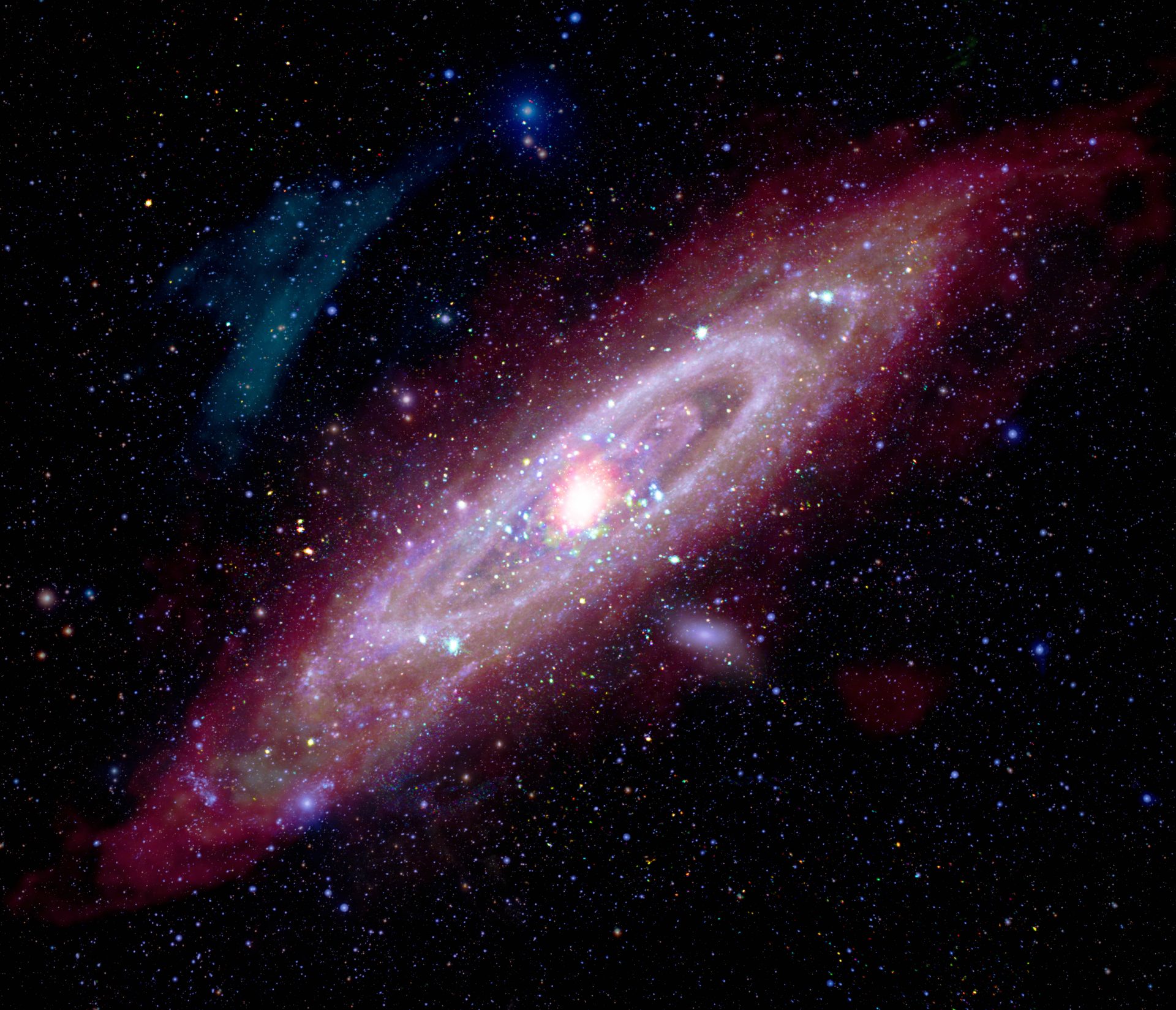
Sparkling Andromeda
The Andromeda galaxy, also known as Messier 31 (M31), is the closest spiral galaxy to the Milky Way at a distance of about 2.5 million light-years. This new composite image contains data of M31 taken by some of the world’s most powerful telescopes in different kinds of light. This image is released in tribute to the groundbreaking legacy of Dr. Vera Rubin, whose observations transformed our understanding of the universe.
-
Ax-4 joins the International Space Station

Video:
00:02:36On 26 June 2025 ESA project astronaut Sławosz Uznański-Wiśniewski from Poland and his crewmates arrived to the International Space Station on the Axiom-4 mission (Ax-4).
The Polish project astronaut is the second of a new generation of European astronauts to fly on a commercial human spaceflight opportunity with Axiom Space.
Sponsored by the Polish government and supported by ESA, the Polish Ministry of Economic Development and Technology (MRiT), and the Polish Space Agency (POLSA), the mission will include an ambitious technological and scientific programme with several experiments led by ESA and proposed by the Polish space industry.Access the related broadcast quality footage: Launch campaign / Training
-
New ESA gravity mission to detect weakening ocean conveyor

At the Living Planet Symposium, attendees have been hearing how ESA’s Next Generation Gravity Mission could provide the first opportunity to directly track a vital ocean circulation system that warms our planet – but is now weakening, risking a possible collapse with far-reaching consequences.
-
Watch MTG-S1 and Sentinel-4 launch live

The second of the Meteosat Third Generation (MTG) satellites and the first instrument for the Copernicus Sentinel-4 mission are ready for liftoff at Cape Canaveral in Florida, US. Live coverage of this launch will be shown on ESA WebTV, on Tuesday, 1 July.
-
Earth tones on Mars

The European Space Agency’s Mars Express has captured a swirl of colour on the Red Planet, with yellows and rust-oranges meeting deep reds and browns. Lurking within this martian palette are not one but four dust devils, each snaking their way across the surface.
-
Satellite records expose fire driving Gran Chaco transformation

At ESA’s Living Planet Symposium, scientists have unveiled how the combination of different long-term, high-resolution satellite datasets from ESA’s Climate Change Initiative is shedding new light on the South American Gran Chaco – one of the world’s most endangered dry forest ecosystems. These data reveal, in remarkable clarity, that fire is the primary driver of widespread, accelerating deforestation across the region.
-
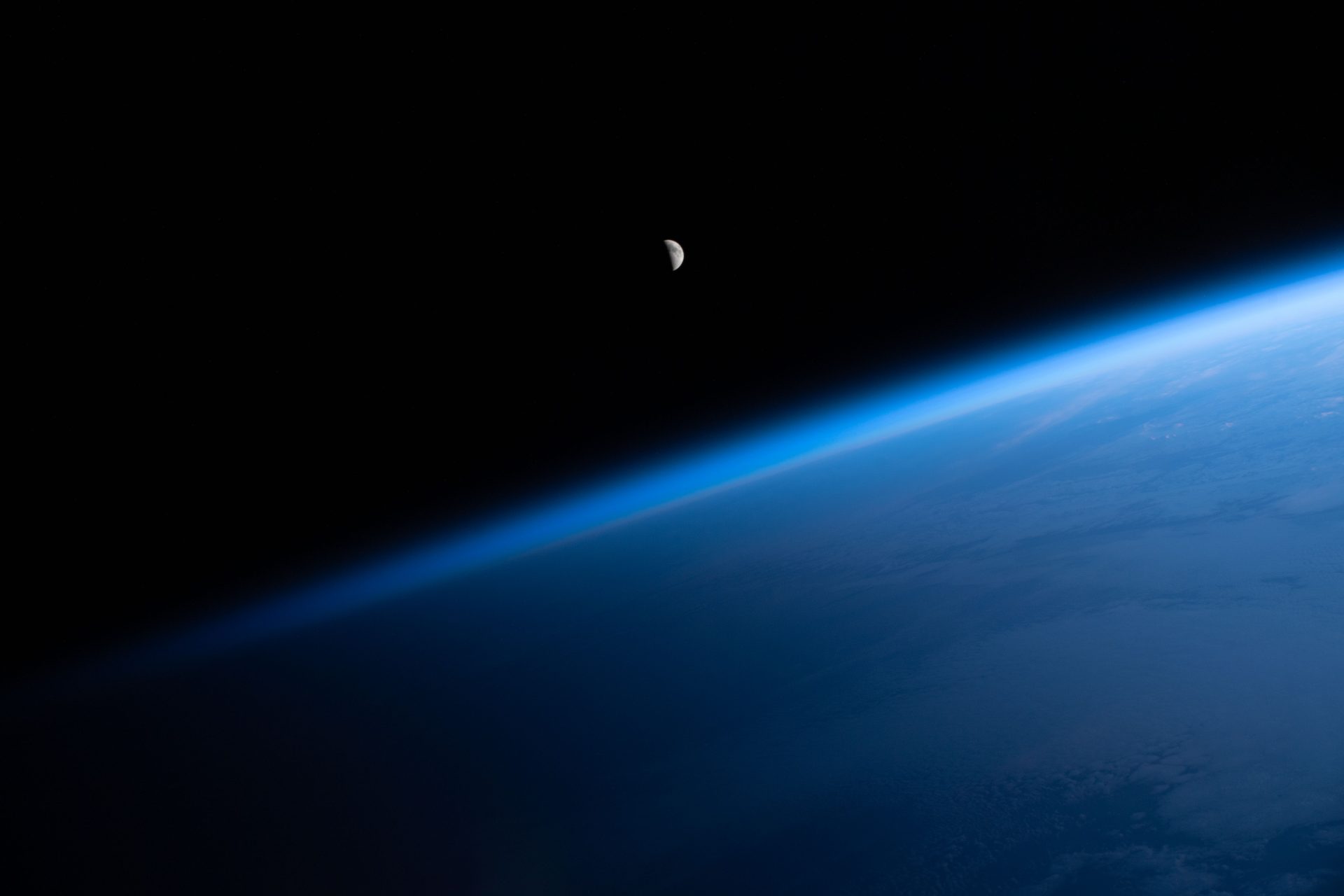
Waning Crescent Moon
NASA astronaut Bob Hines took this picture of the waning crescent moon on May 8, 2022, as the International Space Station flew into an orbital sunrise 260 miles above the Atlantic Ocean off the northwest coast of the United States.
-
Webb finds evidence of a lightweight planet around TWA 7

Astronomers using the NASA/ESA/CSA James Webb Space Telescope have captured compelling evidence of a planet with a mass similar to Saturn orbiting the young nearby star TWA 7.
If confirmed, this would represent Webb’s first direct image discovery of a planet, and the lightest planet ever seen with this technique.