Tag: image

  • Space-enabled air traffic control takes flight globally

    Boeing's ecoDemonstrator Explorer, operated by United Airlines, ready to test ESA-supported Iris technology

    Air travellers will shrink their carbon footprint while reducing flight delays worldwide, thanks to a collaboration between the European Space Agency (ESA), satellite operator Viasat and aerospace company Boeing. Flights to test the space-based technology with new aviation standards from and to the USA and Europe took place in late October and early November.

  • NASA Astronaut Jonny Kim Returns to Earth

    NASA Astronaut Jonny Kim Returns to Earth

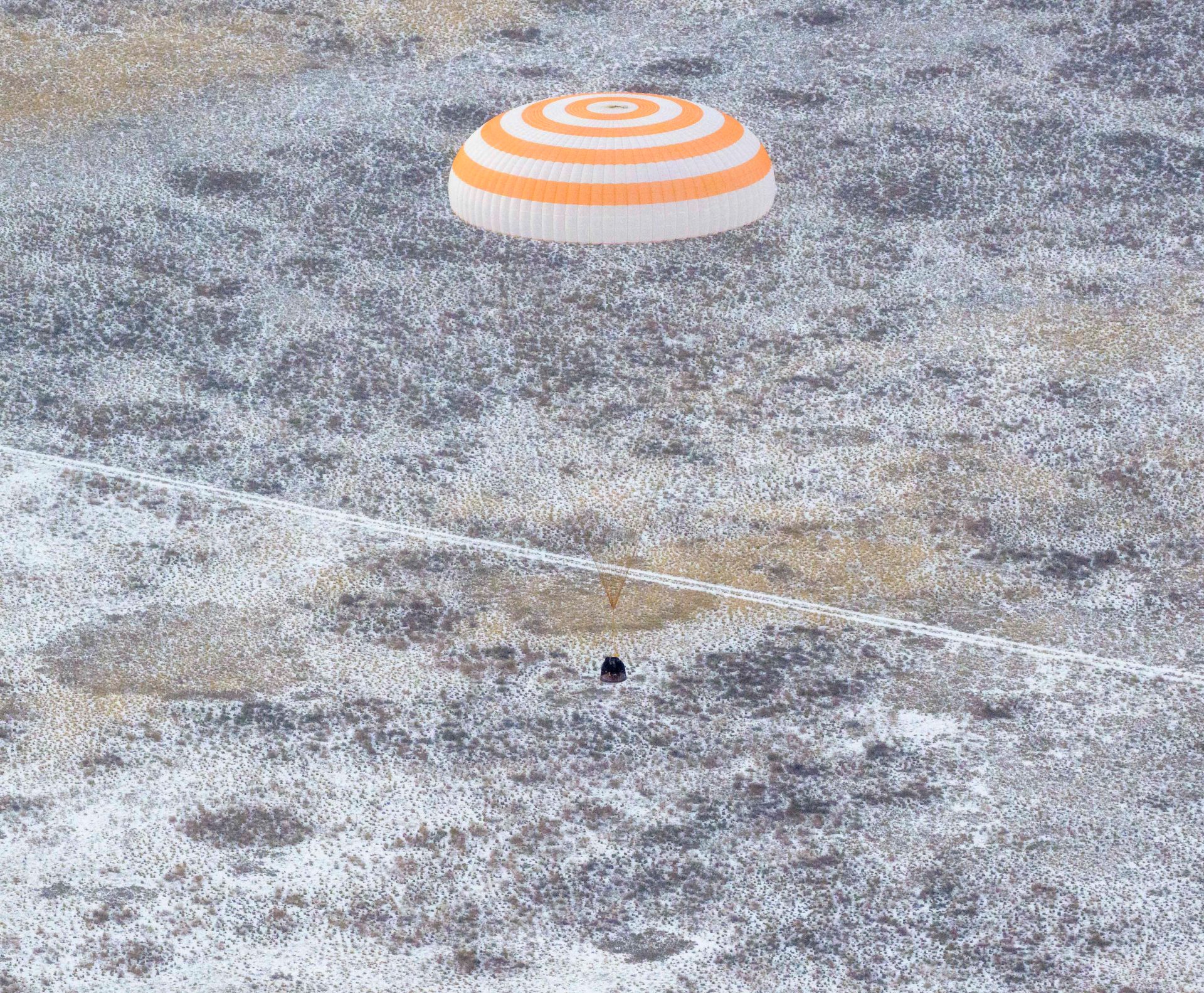
    The Soyuz MS-27 spacecraft is seen as it lands in a remote area near the town of Zhezkazgan, Kazakhstan with Expedition 73 NASA astronaut Jonny Kim, and Roscosmos cosmonauts Sergey Ryzhikov and Alexey Zubritsky aboard, Tuesday, Dec. 9, 2025.

  • Funding boost unlocks future space science programme

    Voyage 2050 themes

    In its 50th anniversary year, European Space Agency (ESA) Member States have recommitted to space science. A historic budget increase for the Science Programme of 3.5% per year through to 2028, in addition to inflation, will enable some of the most ambitious missions ever, and bolster European leadership in space science. 

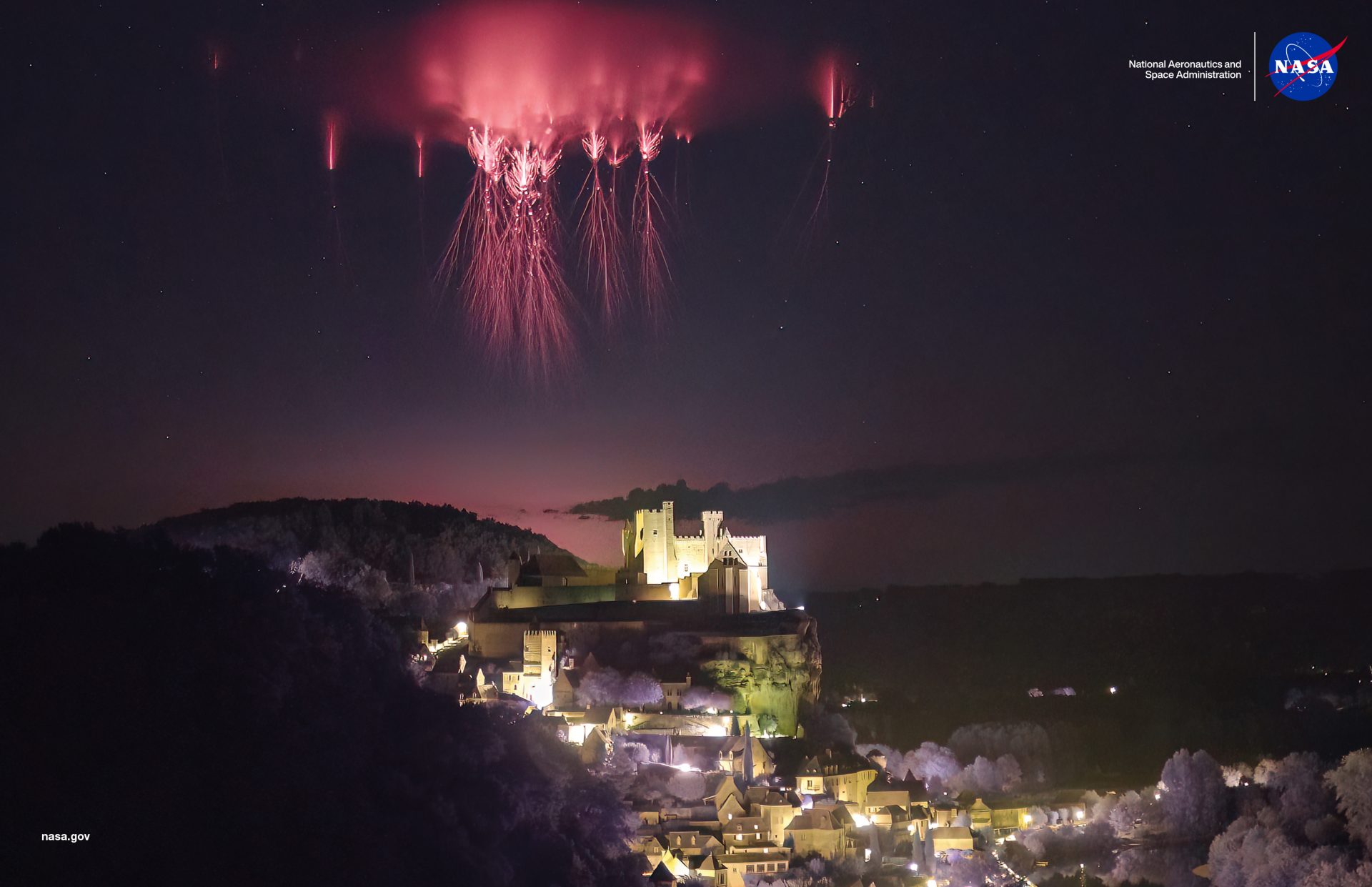
  • Sprites Over Château de Beynac

    Sprites Over Château de Beynac

    A flash of lightning, and then—something else. High above a storm, a crimson figure blinks in and out of existence. If you see it, you are a lucky witness of a sprite, one of the least-understood electrical phenomena in Earth’s upper atmosphere.

  • Webb identifies earliest supernova to date

    GRB 250314A Pull-out (NIRCam image)

    The NASA/ESA/CSA James Webb Space Telescope has confirmed the source of a super-bright flash of light known as a gamma-ray burst, generated by an exploding massive star when the Universe was only 730 million years old. For the first time for such a remote event, the telescope provided a detection of the supernova’s host galaxy. Webb’s quick-turnaround observations verified data taken by telescopes around the world that had been following the gamma-ray burst since it onset, which occurred in mid-March.

  • Galileo pre-launch media briefing


    Video:
    00:42:04

    Watch the replay of the media briefing held ahead of the 14th operational launch of the Galileo programme. The briefing covers the mission details for the launch of two Galileo satellites, which are set to lift off on 17 December aboard Ariane 6 from Europe’s Spaceport in French Guiana.

  • Flaring black hole whips up ultra-fast winds

    Artist’s impression of black hole in NGC 3783

    Leading X-ray space telescopes XMM-Newton and XRISM have spotted an extraordinary blast from a supermassive black hole. In a matter of hours, the gravitational monster whipped up powerful winds, flinging material out into space at eye-watering speeds of 60 000 km per second.

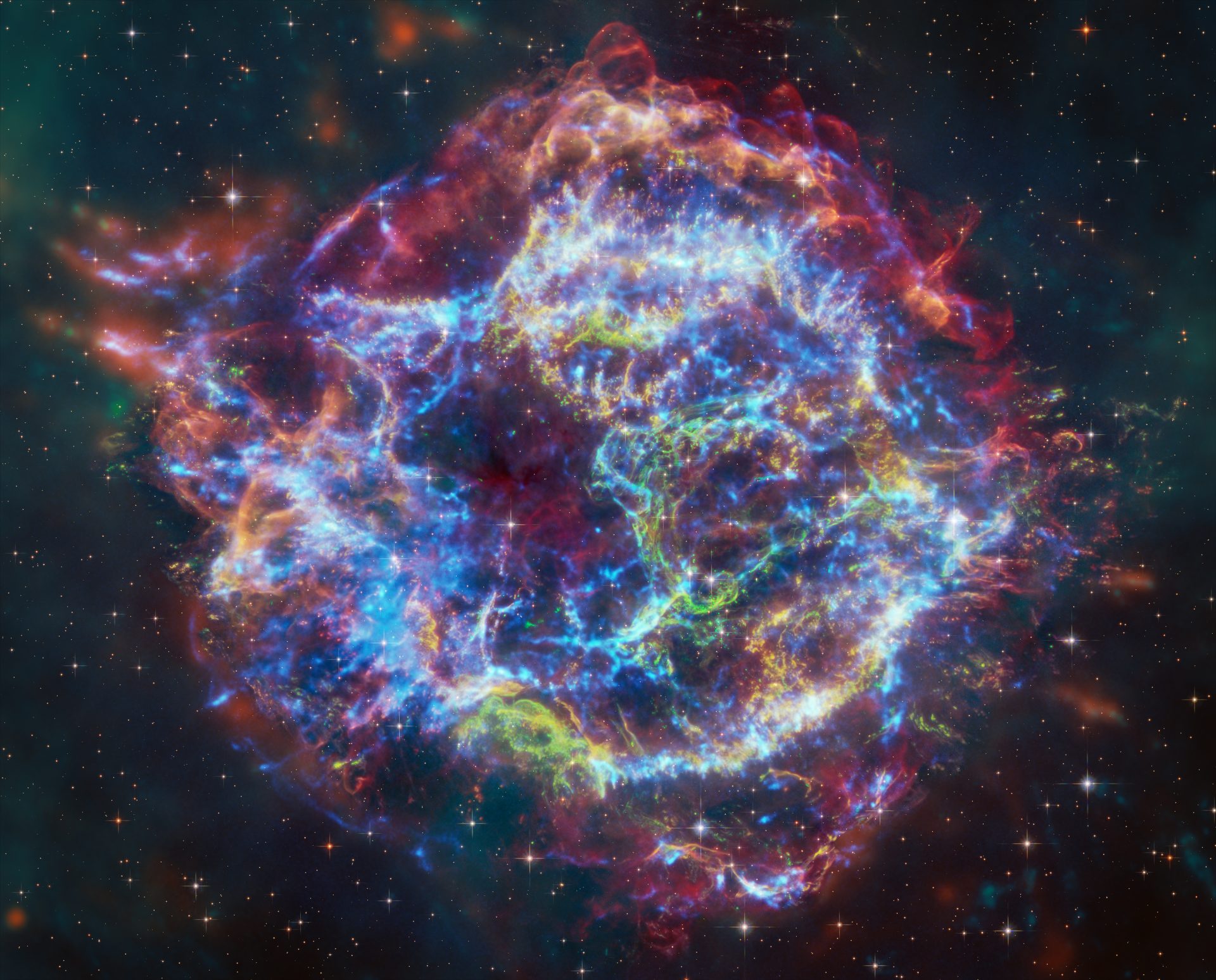
  • XRISM Finds Chlorine, Potassium in Cas A

    XRISM Finds Chlorine, Potassium in Cas A

    This composite image of the Cassiopeia A (or Cas A) supernova remnant, released Jan. 8, 2024, contains X-rays from Chandra (blue), infrared data from Webb (red, green, blue), and optical data from Hubble (red and white). A study by the XRISM (X-ray Imaging and Spectroscopy Mission) spacecraft has made the first-ever X-ray detections of chlorine and potassium in the wreckage.

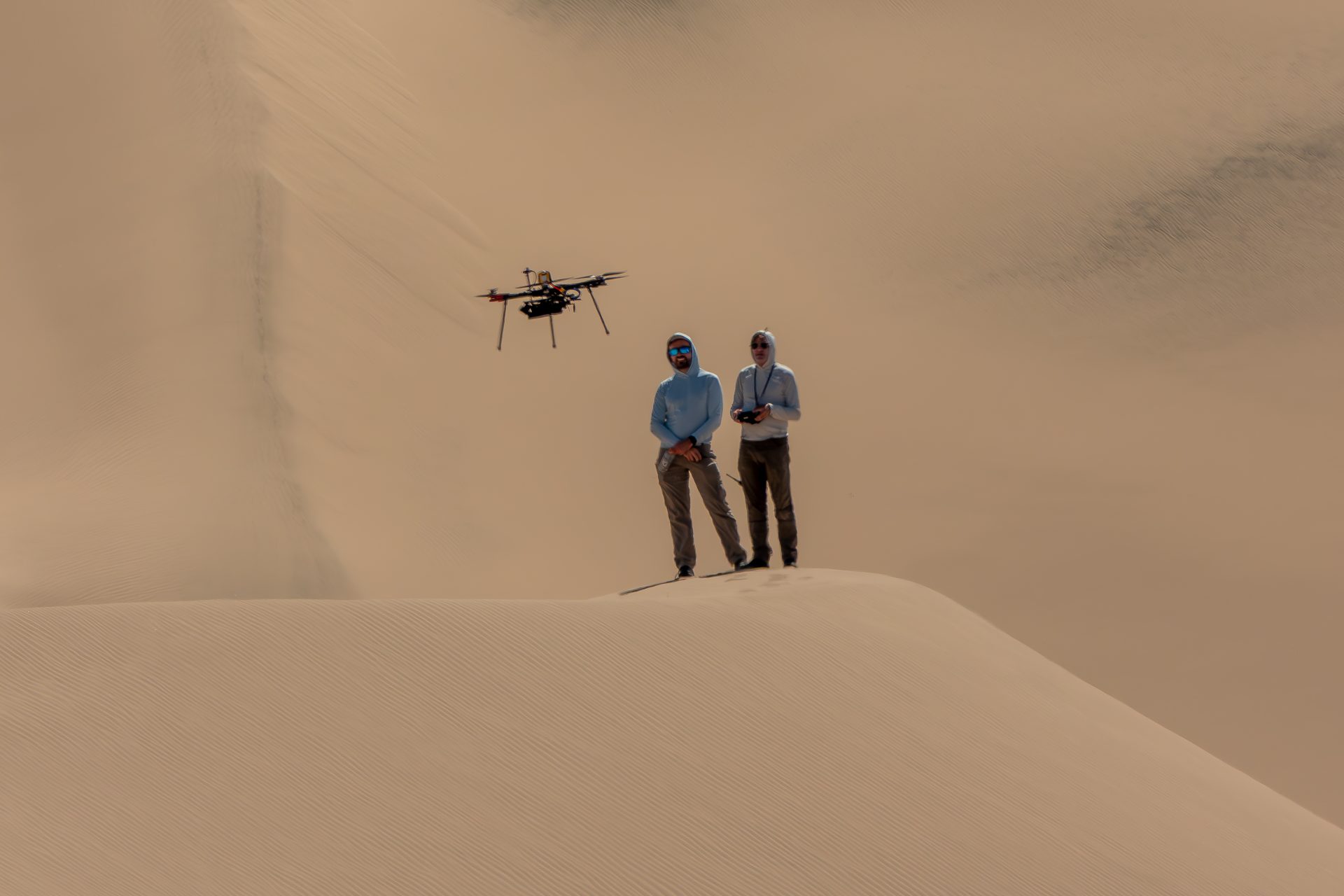
  • Testing Drones for Mars in the Mojave Desert

    Testing Drones for Mars in the Mojave Desert

    Researchers from NASA’s Jet Propulsion Laboratory in Southern California monitor a research drone in the Dumont Dunes area of the Mojave Desert in September 2025 as part of a test campaign to develop navigation software to guide future rotorcraft on Mars.

  • Week in images: 01-05 December 2025

    30 years of SOHO imaging the Sun

    Week in images: 01-05 December 2025

    Discover our week through the lens

  • Hubble reobserves 3I/ATLAS


    Image:

    The NASA/ESA Hubble Space Telescope reobserved interstellar comet 3I/ATLAS on 30 November with its Wide Field Camera 3 instrument. At the time, the comet was about 286 million km from Earth. Hubble tracked the comet as it moved across the sky. As a result, background stars appear as streaks of light.

    Hubble previously observed 3I/ATLAS in July, shortly after its discovery, and a number of observatories have since studied the comet as well. Observations are expected to continue for several more months as 3I/ATLAS heads out of the solar system.

    For the latest updates and FAQs related to comet 3I/ATLAS, see esa.int/3IATLAS.


    [Image description: A bright white point sits at the centre of the image, surrounded by a large, soft blue glow that fades gradually into a dark background. Thin, faint streaks appear diagonally across the image, suggesting motion or stars in the distance. The overall effect is of a luminous object in space, radiating light against a deep, dark backdrop.]

  • Earth from Space: Singing dunes and mysterious lakes

    This Copernicus Sentinel-1 image features part of the Badain Jaran Desert in northwestern China.
    Image:
    This Copernicus Sentinel-1 image features part of the Badain Jaran Desert in northwestern China.

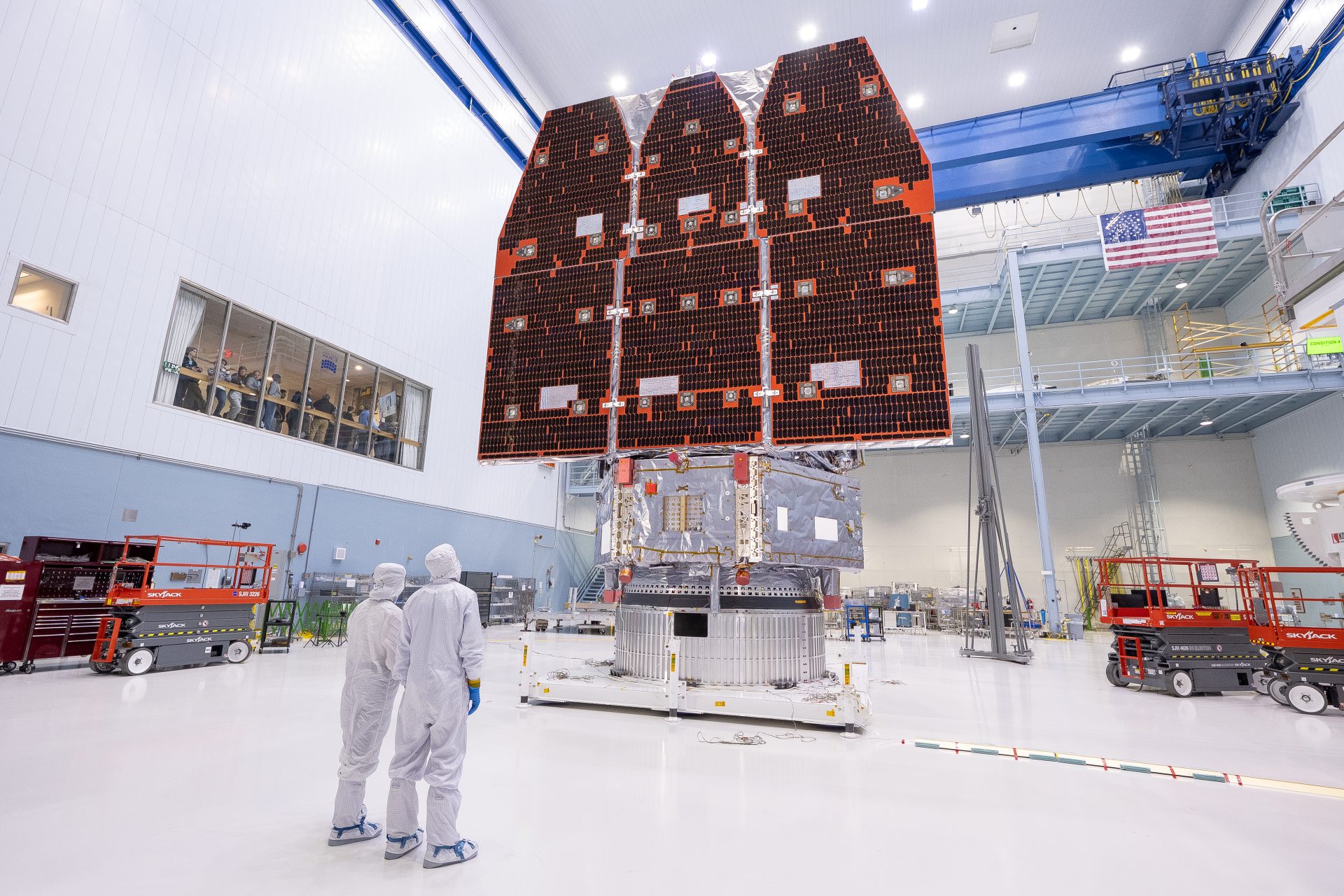
  • NASA’s Nancy Grace Roman Space Telescope Completed

    NASA’s Nancy Grace Roman Space Telescope Completed

    Over the course of several hours, technicians meticulously connected the inner and outer segments of NASA’s Nancy Grace Roman Space Telescope.