<div data-cycle-pager-template=” ” readability=”31.5″>
Bigelow Expandable Activity Module (BEAM) Artist’s Interpretation
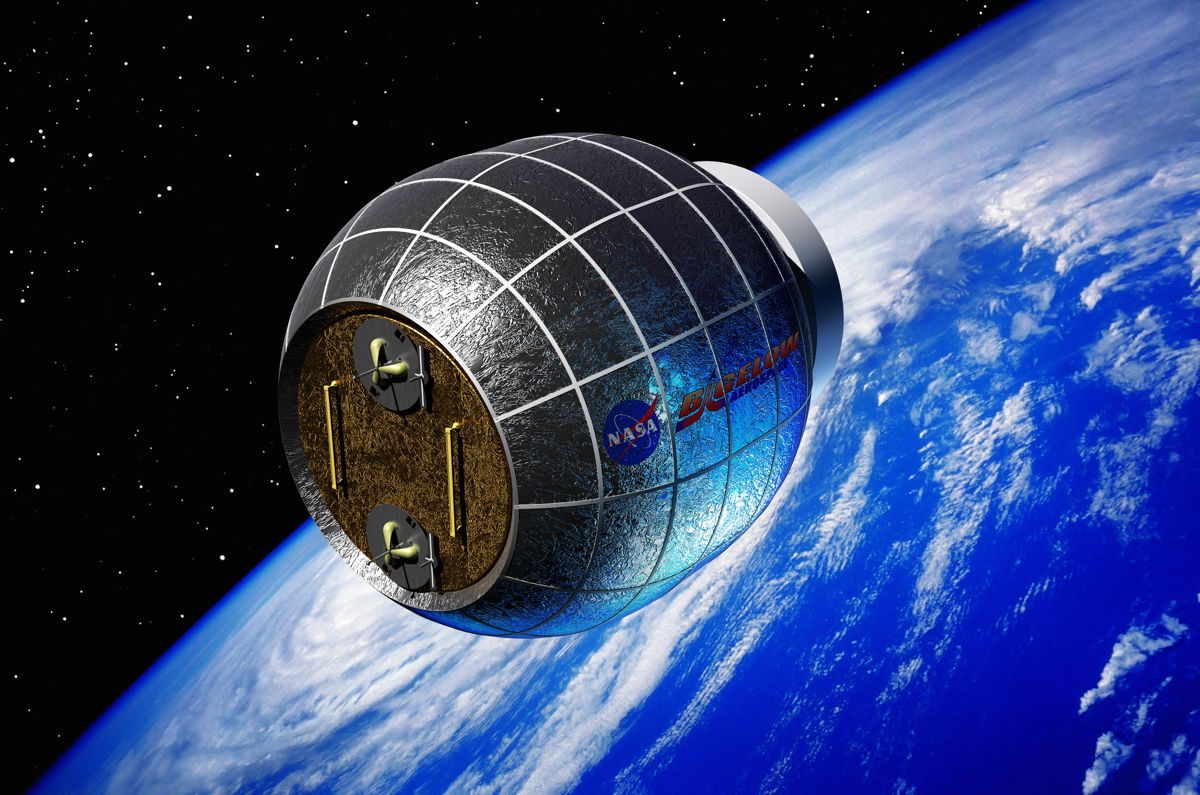
Artist’s conception of the private-sector supplied Bigelow Expandable Activity Module (BEAM) to be launched around the summer of 2015.
<div data-cycle-pager-template=”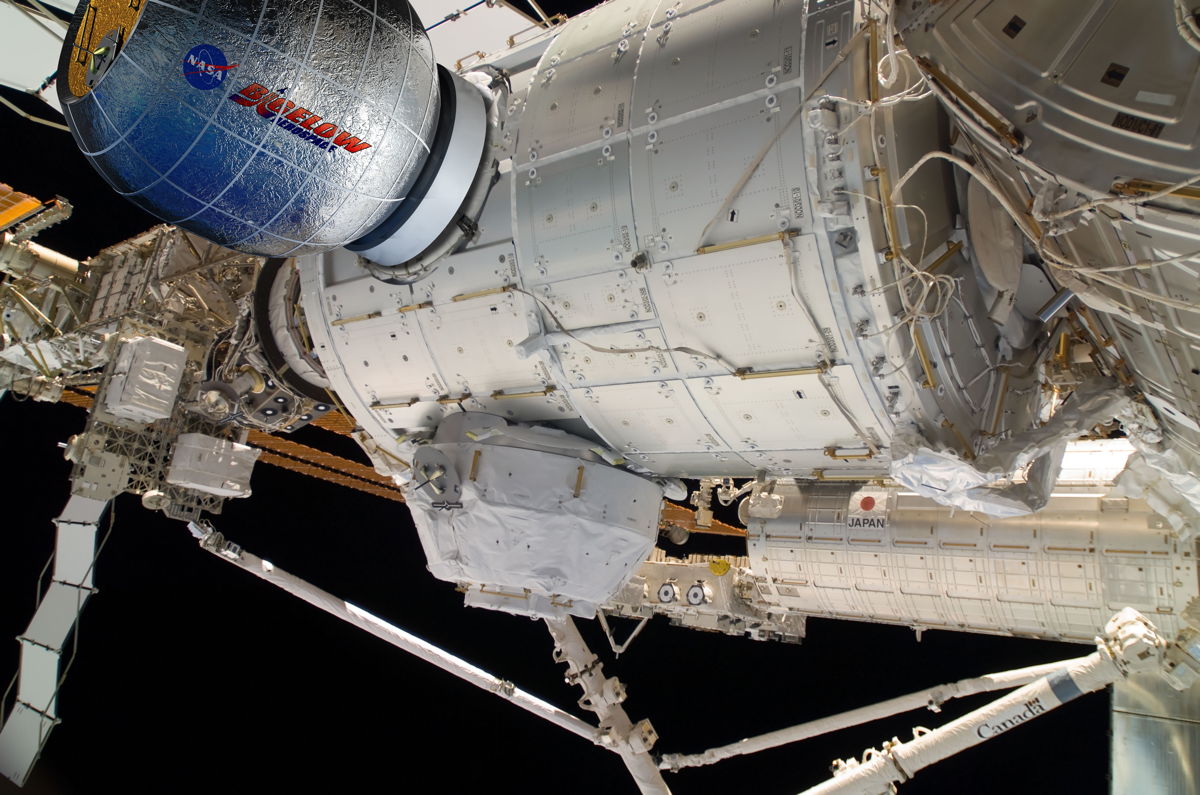 ” readability=”32″>
BEAM on the ISS
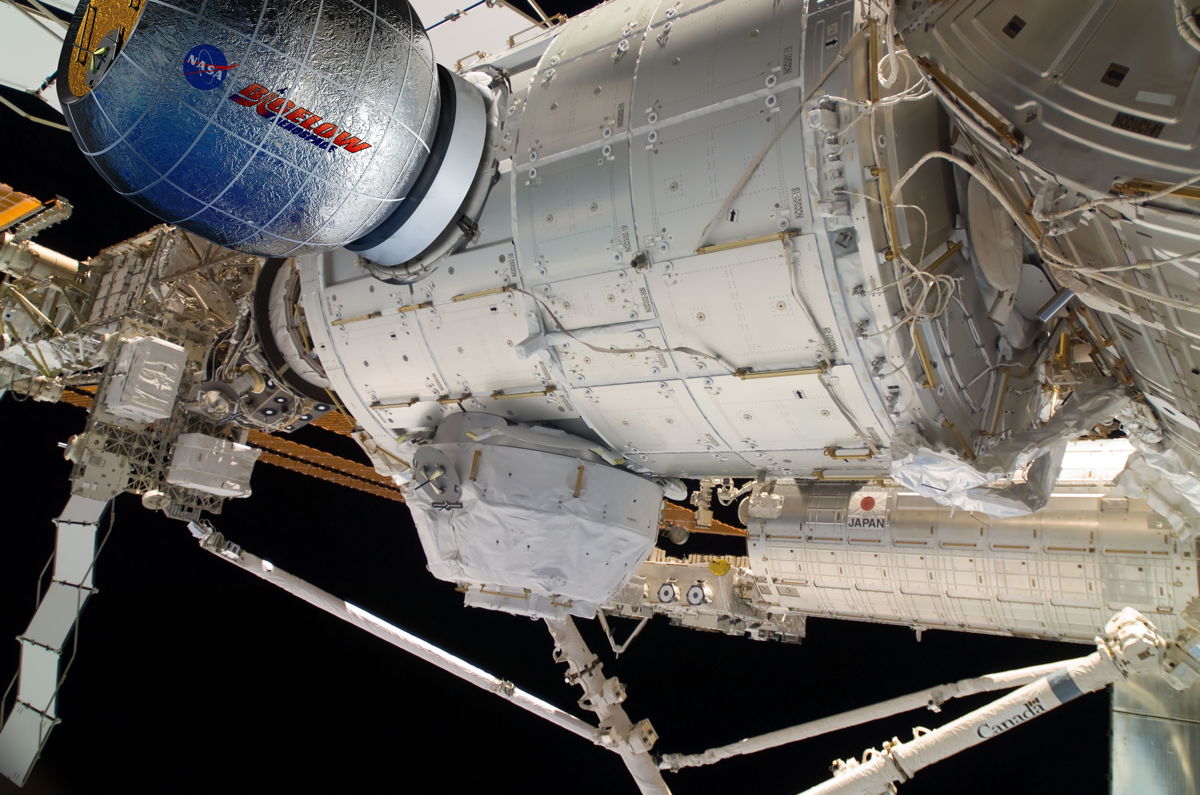
New addition to the International Space Station, the Bigelow Expandable Activity Module (BEAM) attached to Node 3 of the orbital complex.
<div data-cycle-pager-template=” ” readability=”31.5″>
Bigelow Expandable Activity Module
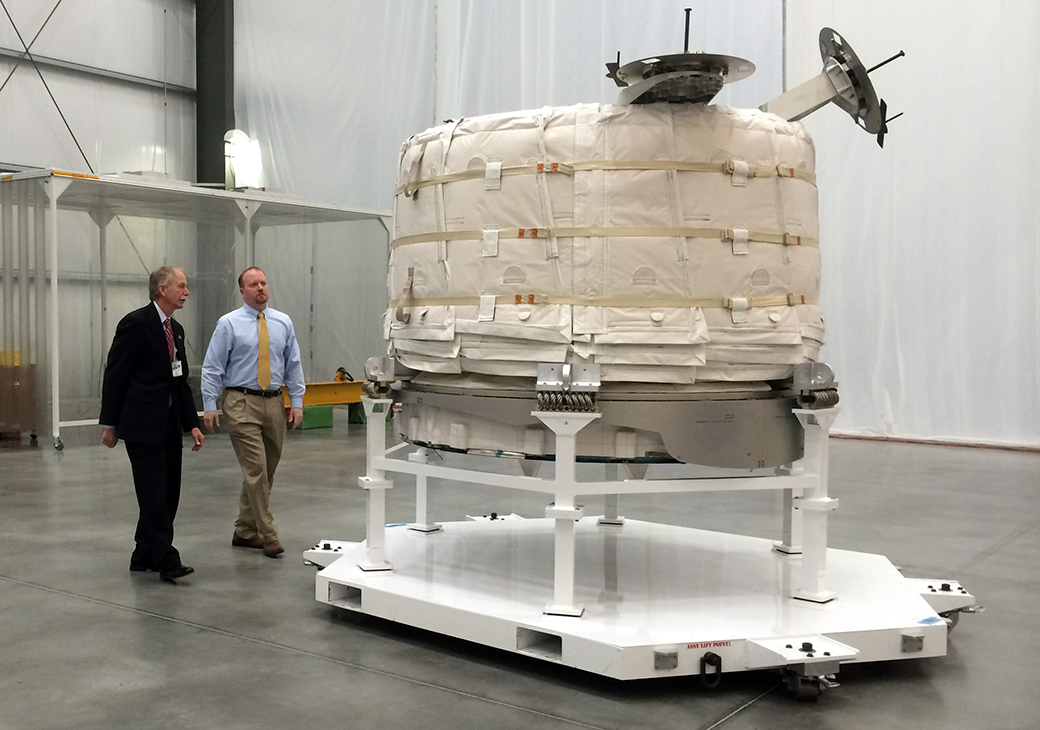
NASA officials view the Bigelow Expandable Activity Module at Bigelow’s facility in Las Vegas in March. The module is scheduled for launch to the ISS in early 2016.
<div data-cycle-pager-template=”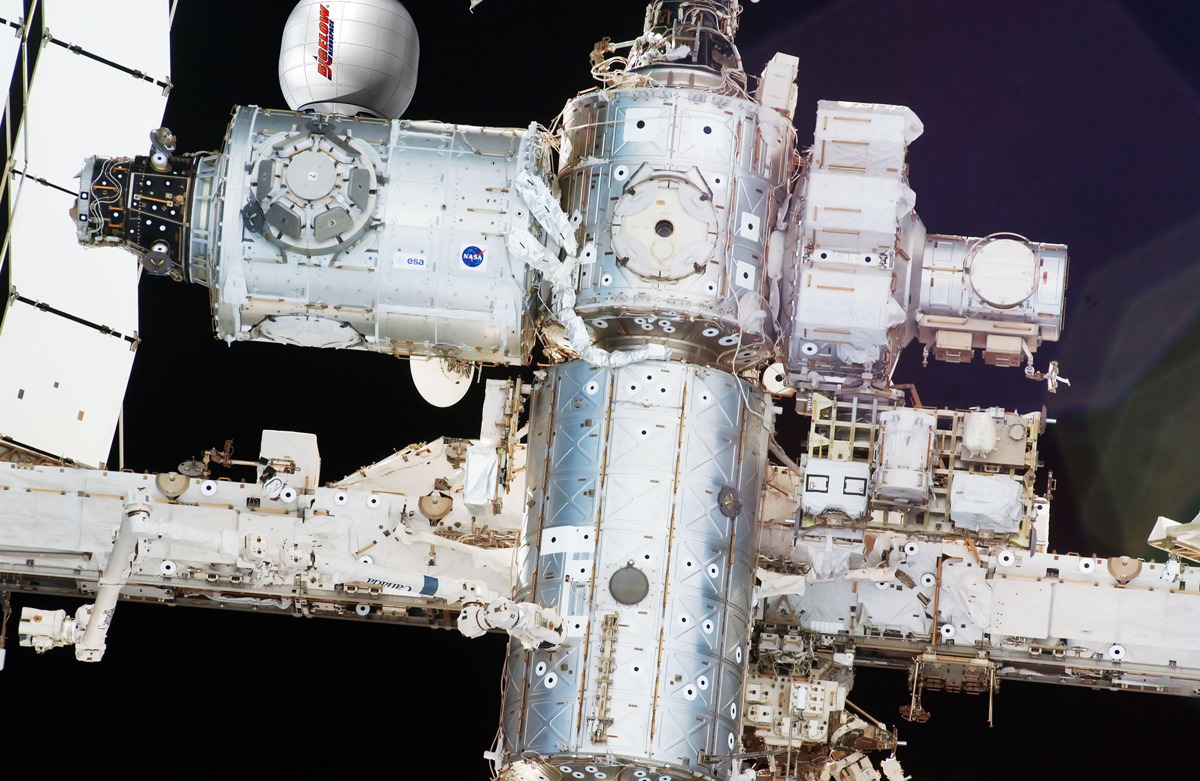 ” readability=”31.5″>
Bigelow Expandable Activity Module
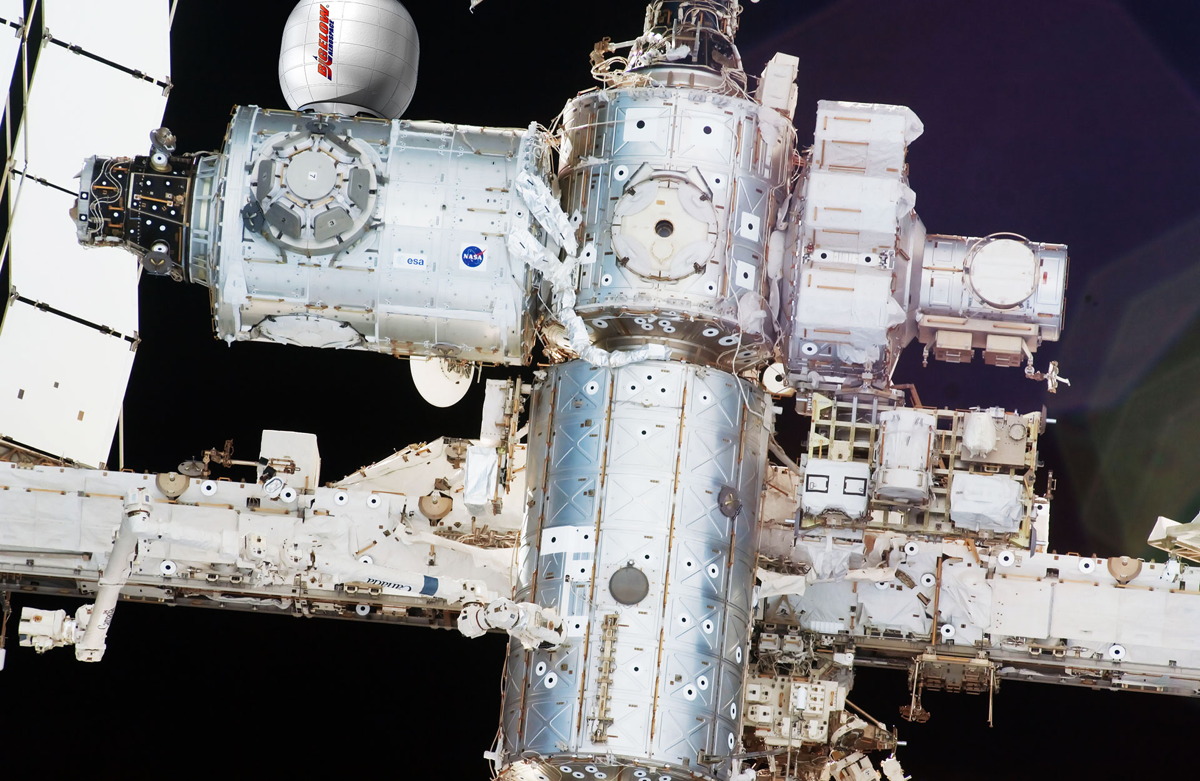
This image shows how Bigelow Aerospace’s Bigelow Expandable Activity Module (BEAM) will look after its arrival at the International Space Station in 2015.
<div data-cycle-pager-template=” ” readability=”32″>
Bigelow Moon Base Illustration
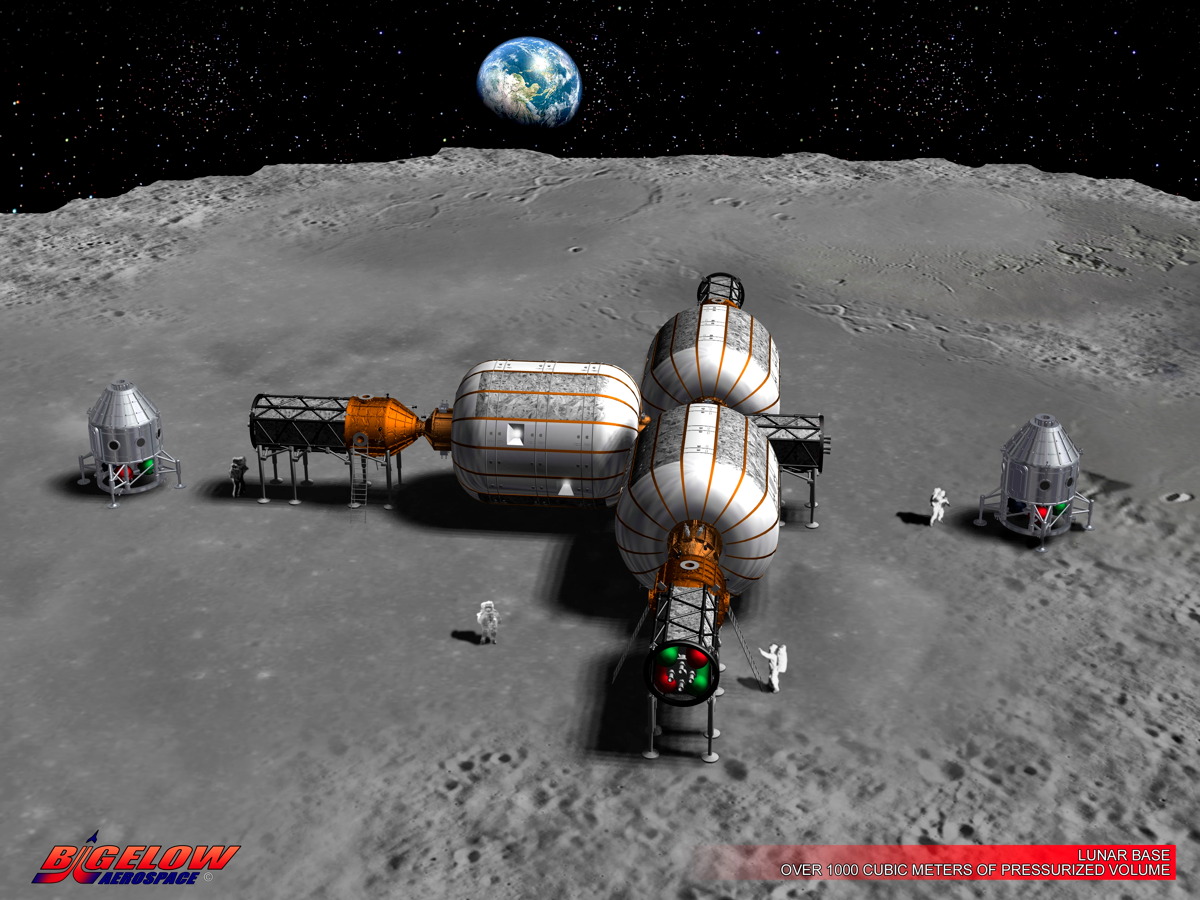
This early concept art shows a lunar base as envisioned by Bigelow Aerospace, which builds expandable space habitats.
<div data-cycle-pager-template=”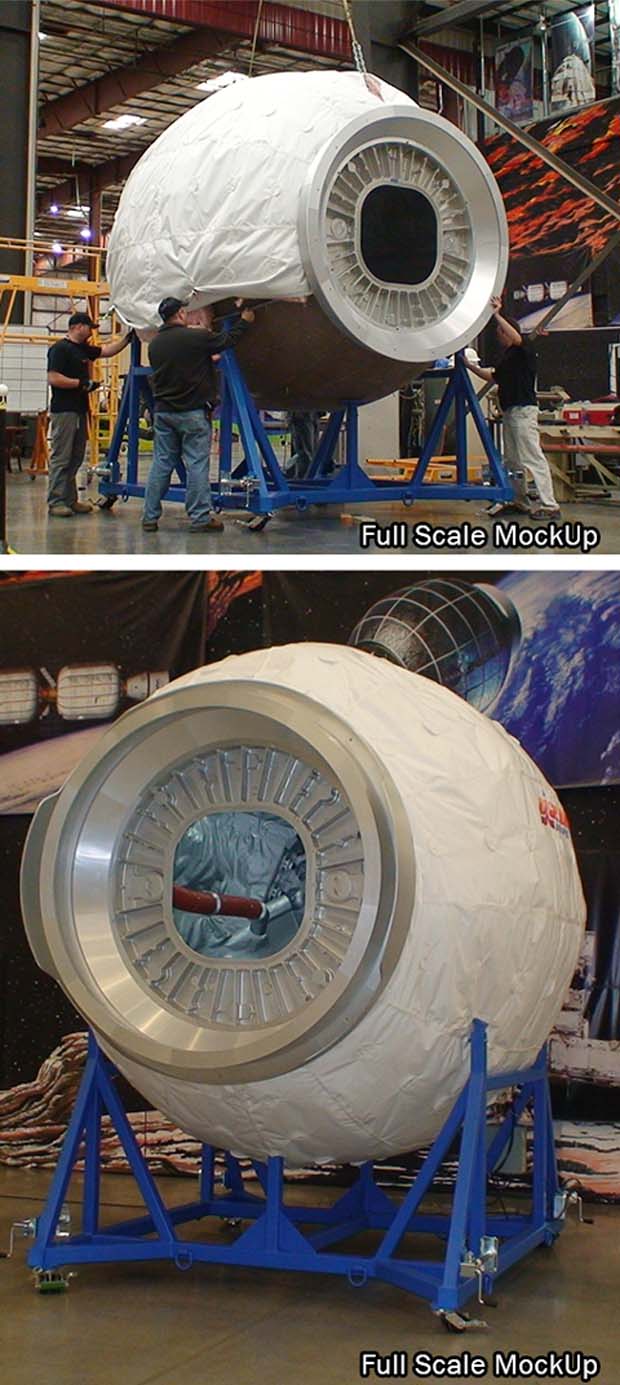 ” readability=”33″>
Bigelow Aerospace’s BEAM module
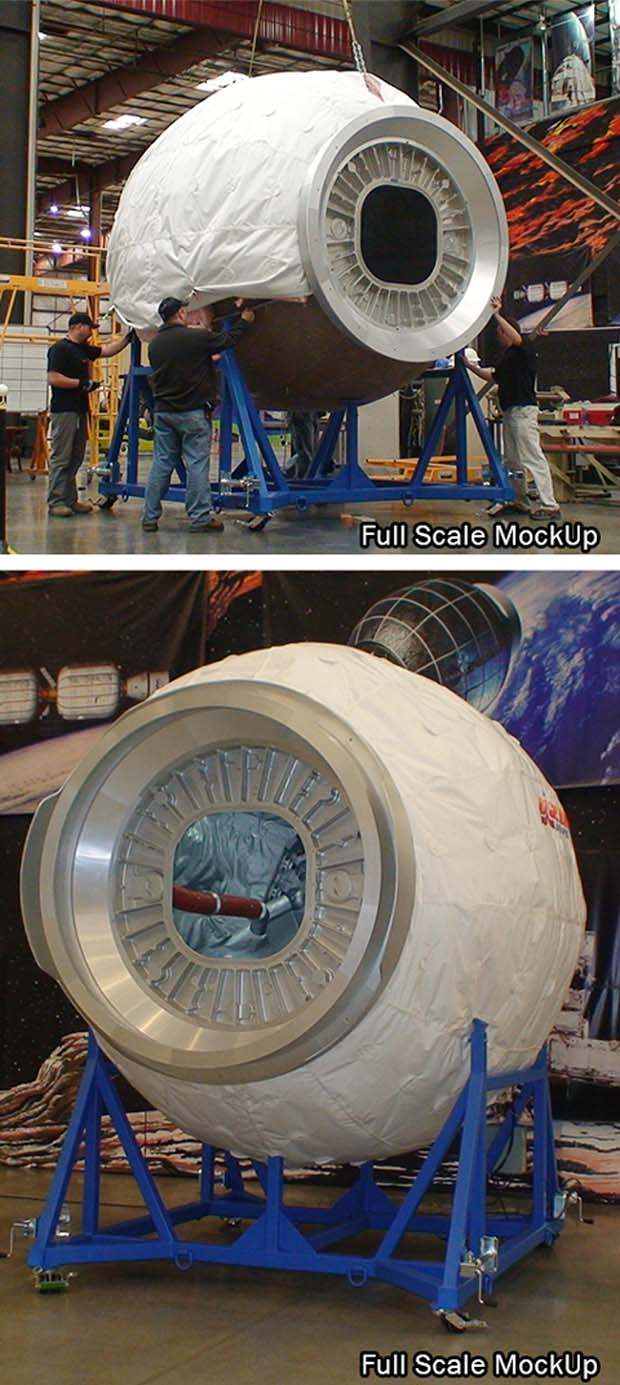
A mockup of Bigelow Aerospace’s inflatable BEAM module is seen at the company’s Las Vegas headquarters. BEAM, or the Bigelow Expandable Activity Module, will be delivered to the International Space Station in 2015.
<div data-cycle-pager-template=” ” readability=”31″>
Bigelow Aerospace’s Moon Bases
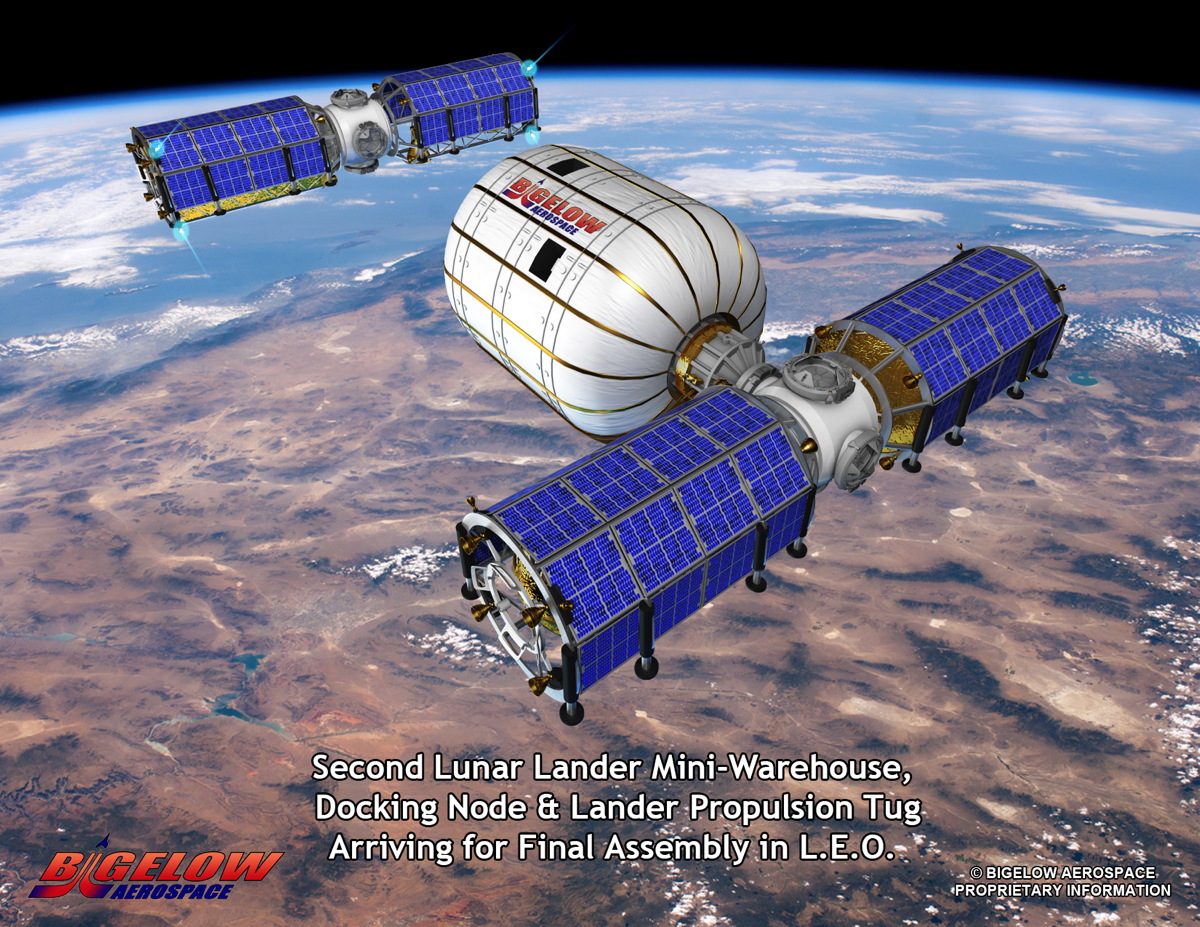
Representatives with Bigelow Aerospace plan to build bases on the moon.
<div data-cycle-pager-template=” ” readability=”31″>
Bigelow Aerospace’s Moon Bases
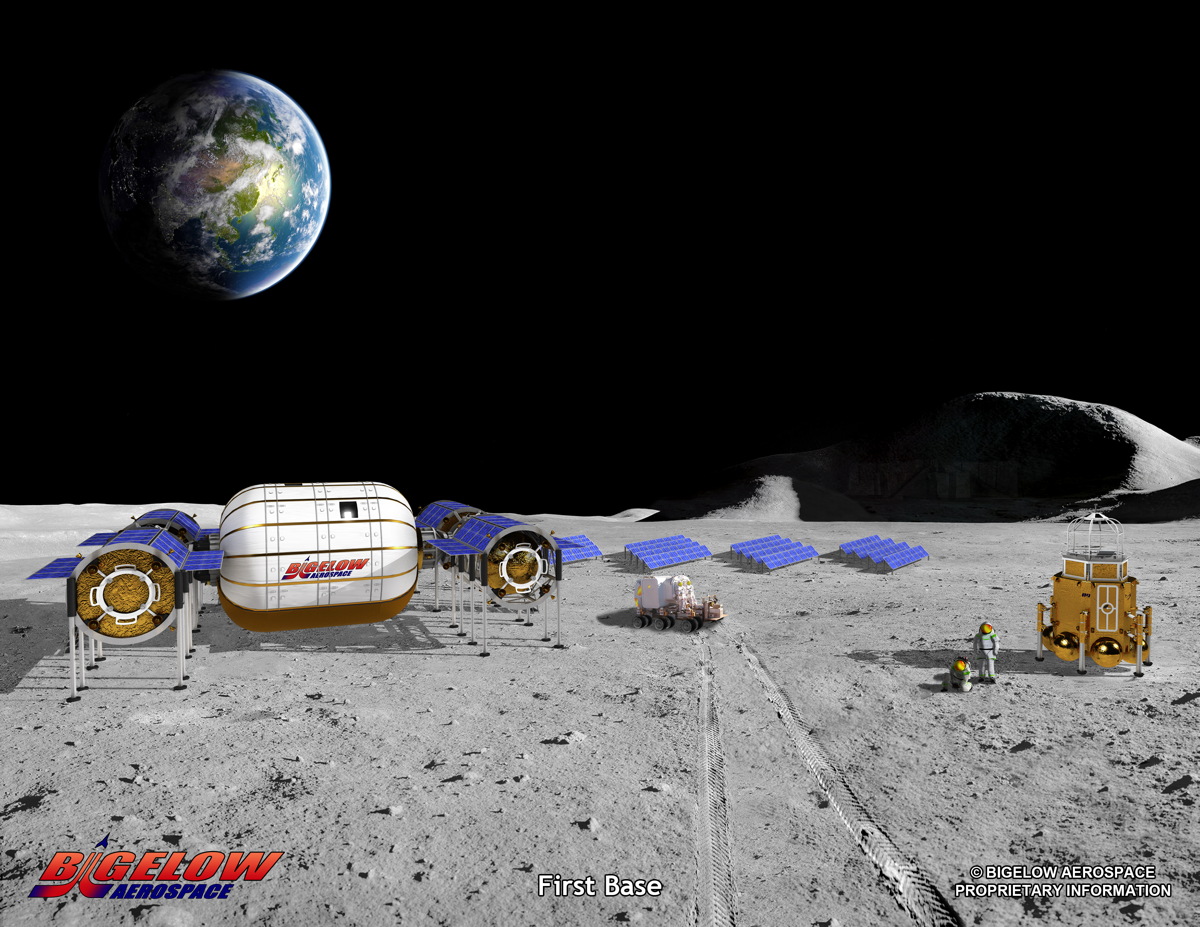
Representatives with Bigelow Aerospace plan to build bases on the moon.
<div data-cycle-pager-template=” ” readability=”31″>
Bigelow Aerospace’s Moon Bases
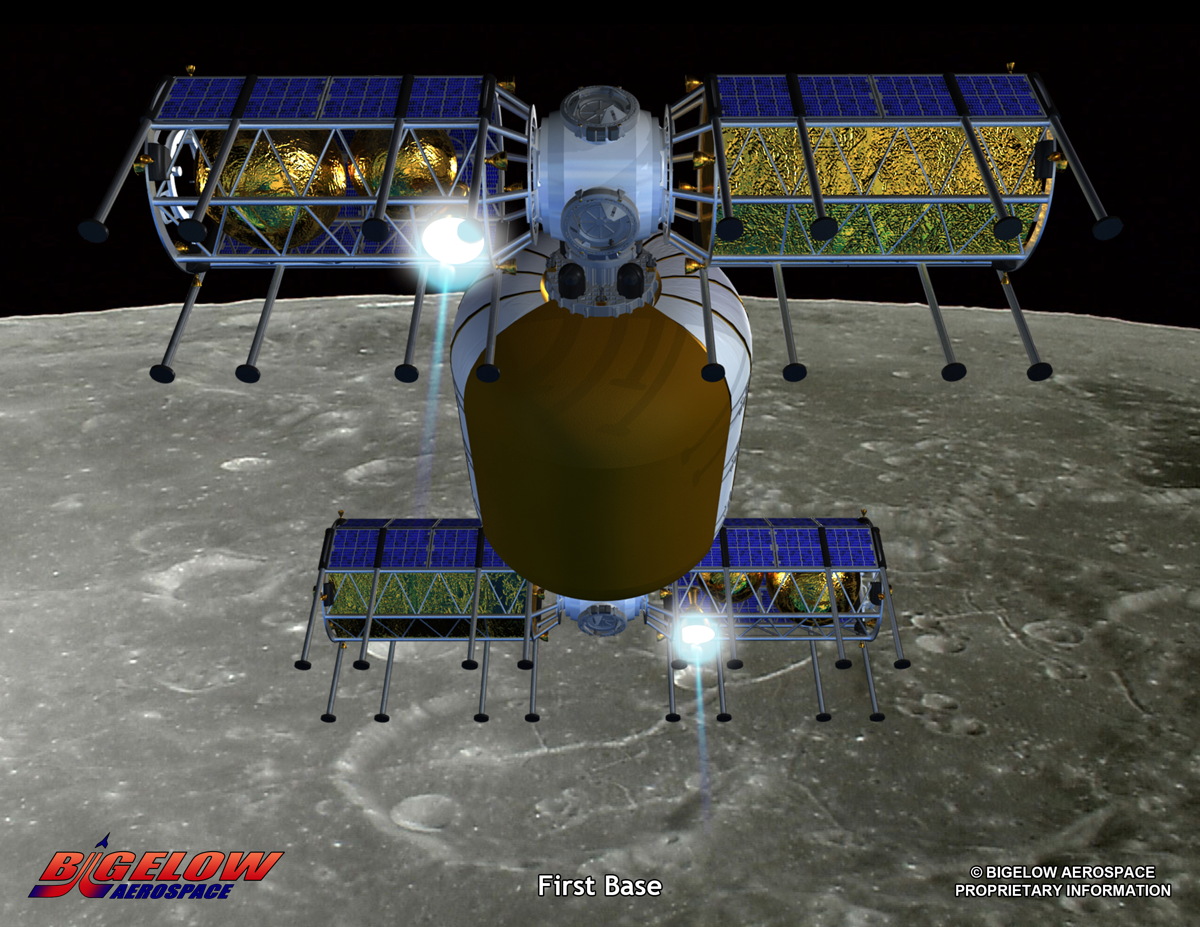
Representatives with Bigelow Aerospace plan to build bases on the moon.
<div data-cycle-pager-template=” ” readability=”31″>
Bigelow Aerospace’s Moon Bases
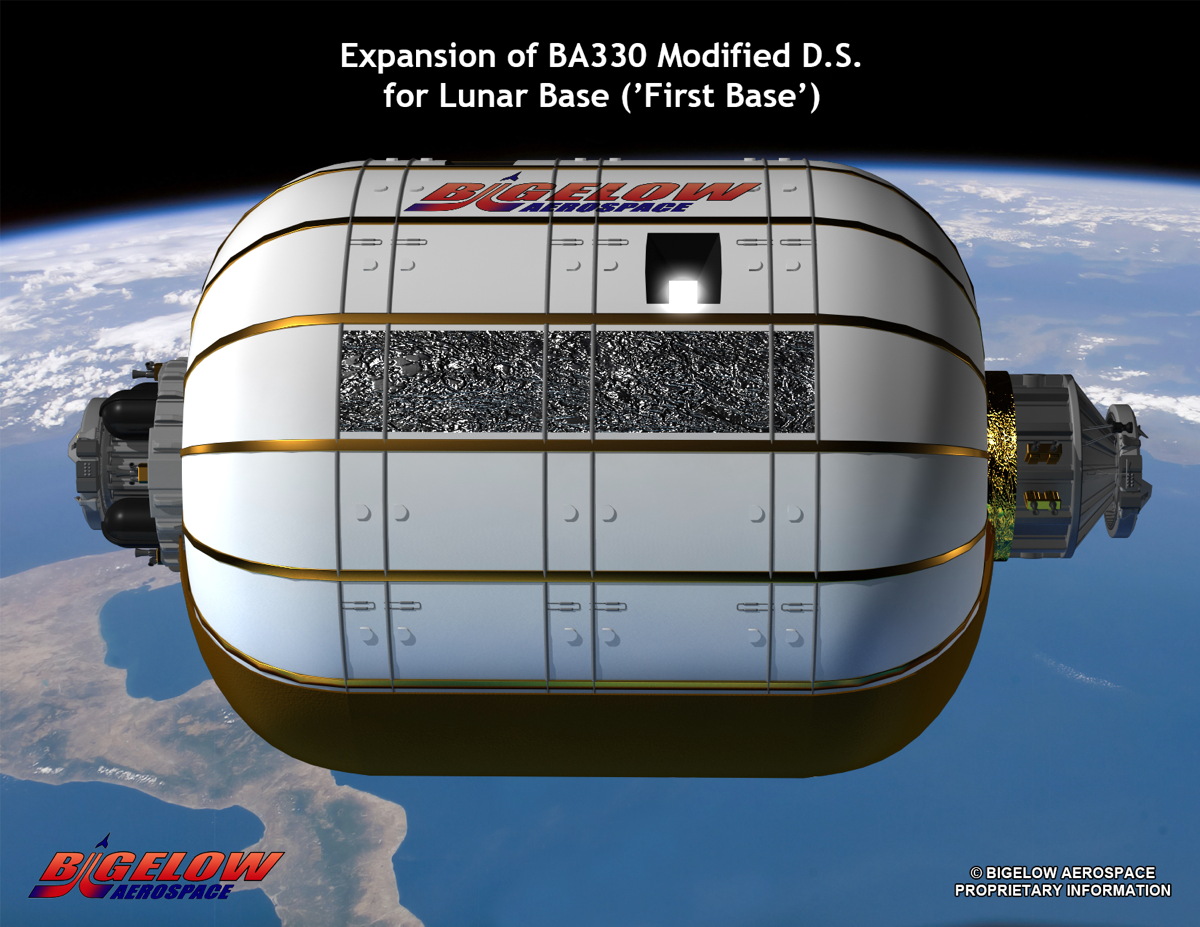
Representatives with Bigelow Aerospace plan to build bases on the moon.
<div data-cycle-pager-template=” ” readability=”31″>
Bigelow Aerospace’s Moon Bases
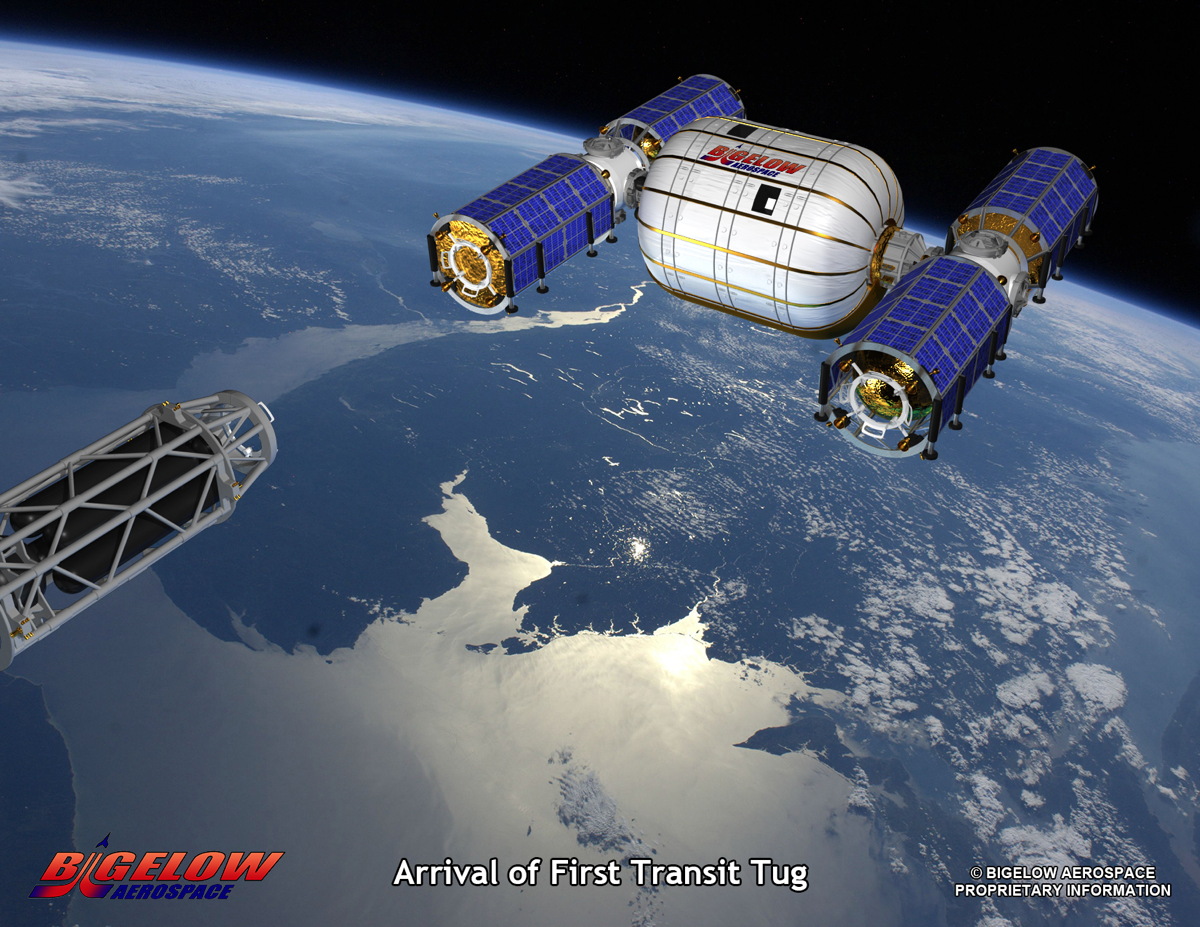
Representatives with Bigelow Aerospace plan to build bases on the moon.
<div data-cycle-pager-template=” ” readability=”31″>
Bigelow Aerospace’s Moon Bases
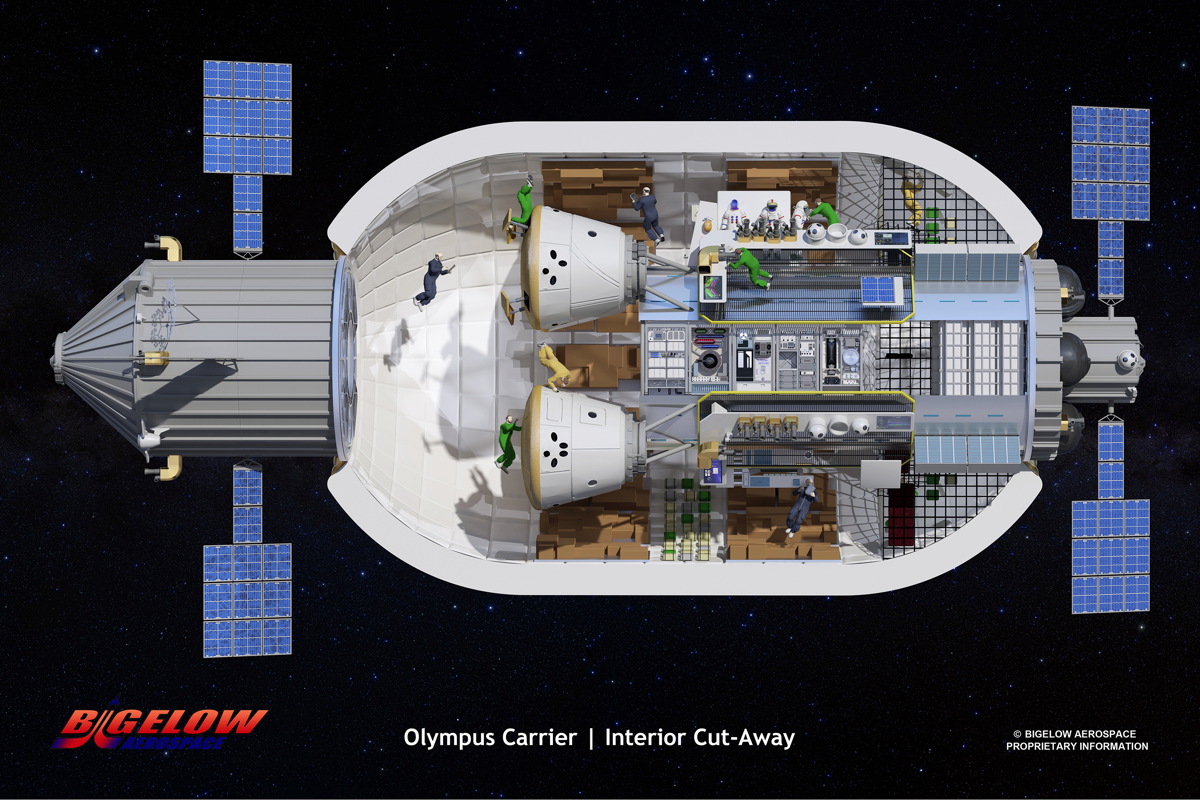
Representatives with Bigelow Aerospace plan to build bases on the moon.
<div data-cycle-pager-template=” ” readability=”31″>
Bigelow Aerospace’s Moon Bases
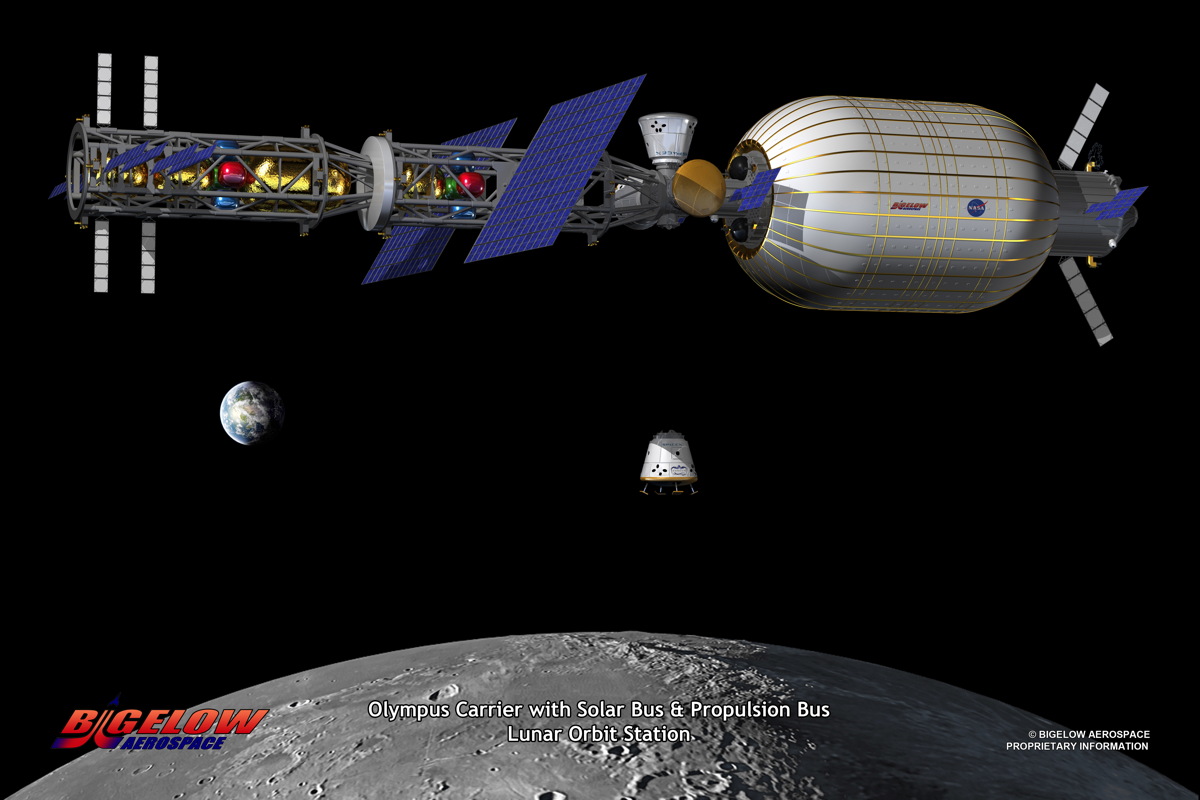
Representatives with Bigelow Aerospace plan to build bases on the moon.
<div data-cycle-pager-template=” ” readability=”31″>
Bigelow Aerospace’s Moon Bases
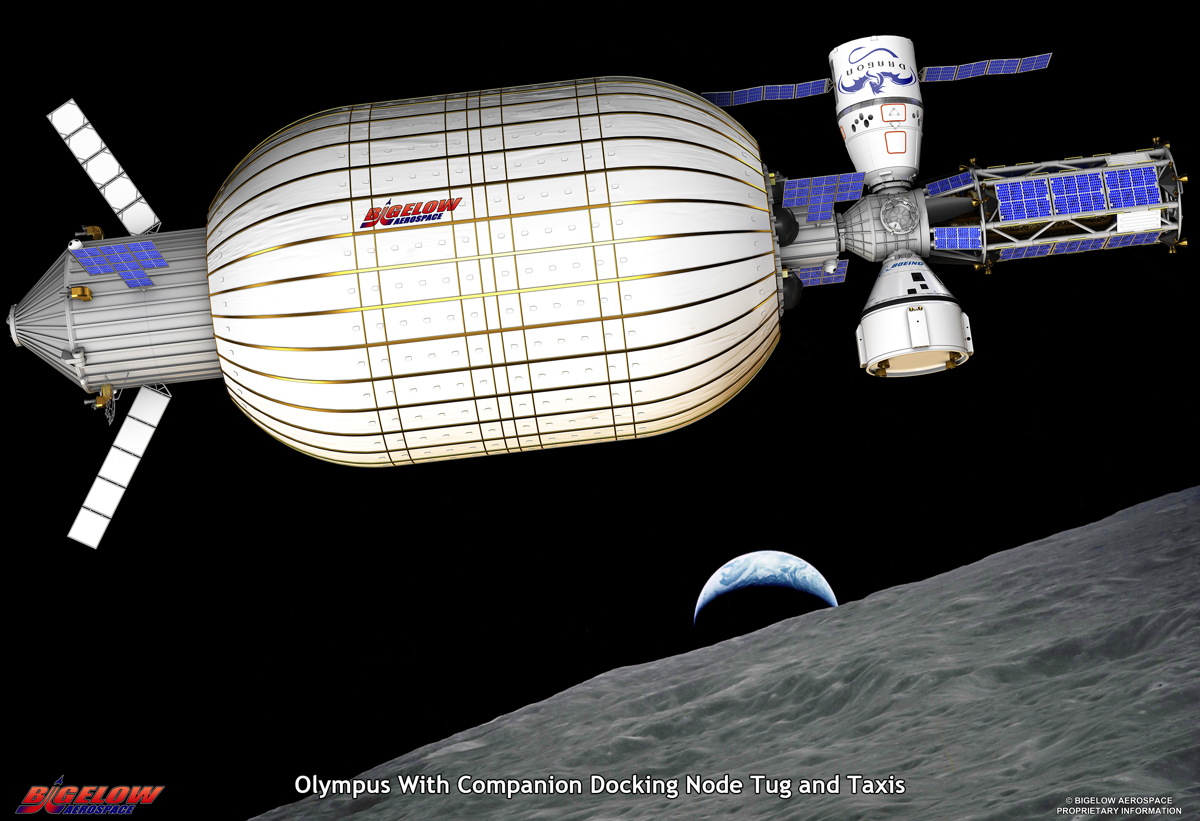
Representatives with Bigelow Aerospace plan to build bases on the moon.
<div data-cycle-pager-template=” ” readability=”32.5″>
Bigelow Aerospace BA 330 at Mars
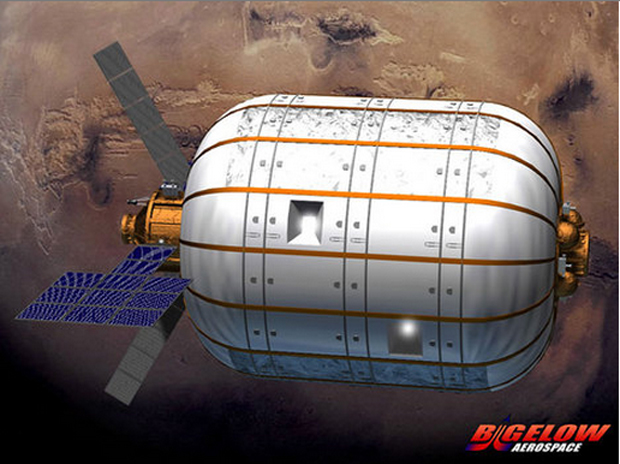
An artist’s illustration of a Bigelow Aerospace BA 330 inflatable module with Mars in the background. The BA 330 module is expected to be designed to form part of a multi-module space station, or serve as an independent orbiting outpost.
<div data-cycle-pager-template=” ” readability=”32.5″>
Inside BA 330 Commercial Space Habitat
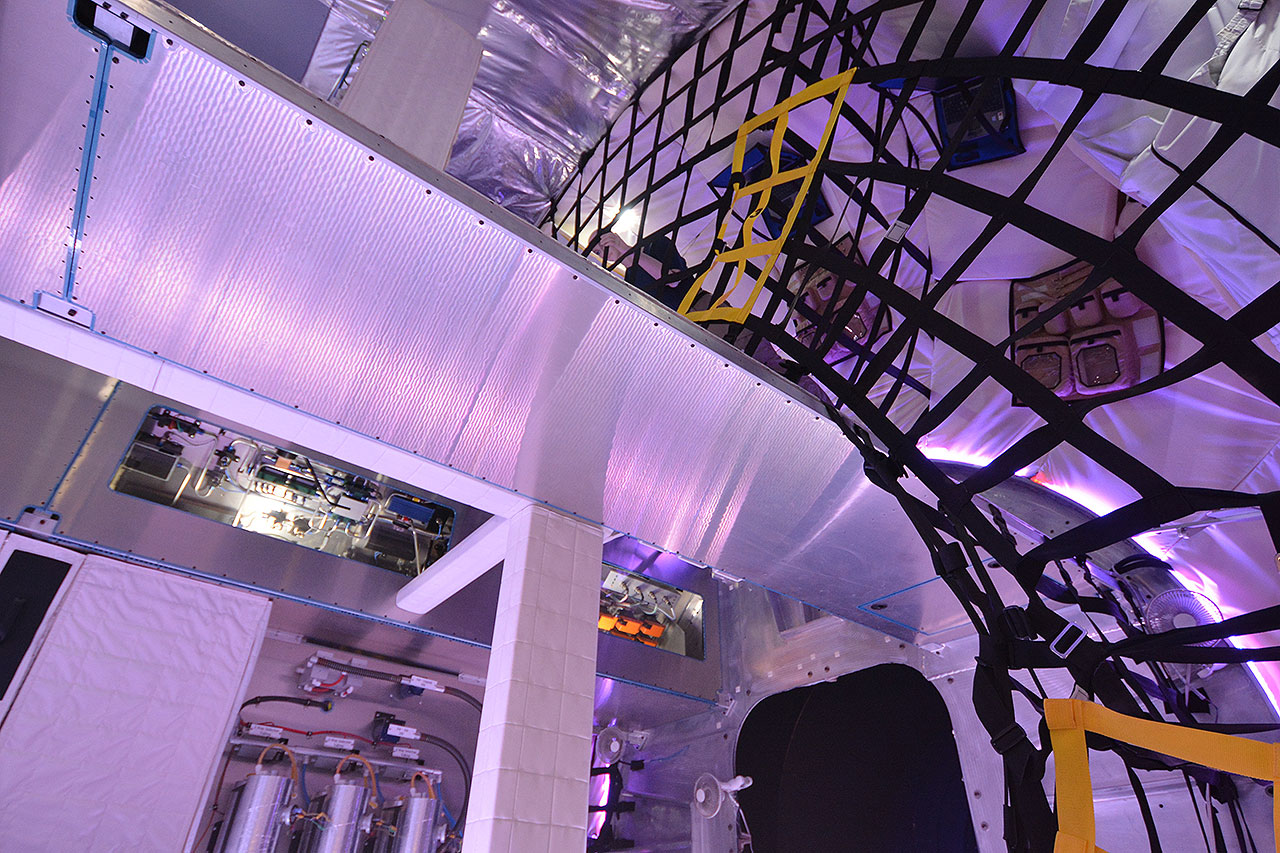
A view from inside Bigelow Aerospace’s full-scale model of a BA 330 commercial space habitat. The module has a 22-foot-wide interior (6.7 meters) when fully expanded in low-Earth orbit, allowing it to support a crew of six.
<div data-cycle-pager-template=” ” readability=”33.5″>
Full-Scale Model of the BA 330 Inflatable Space Habitat
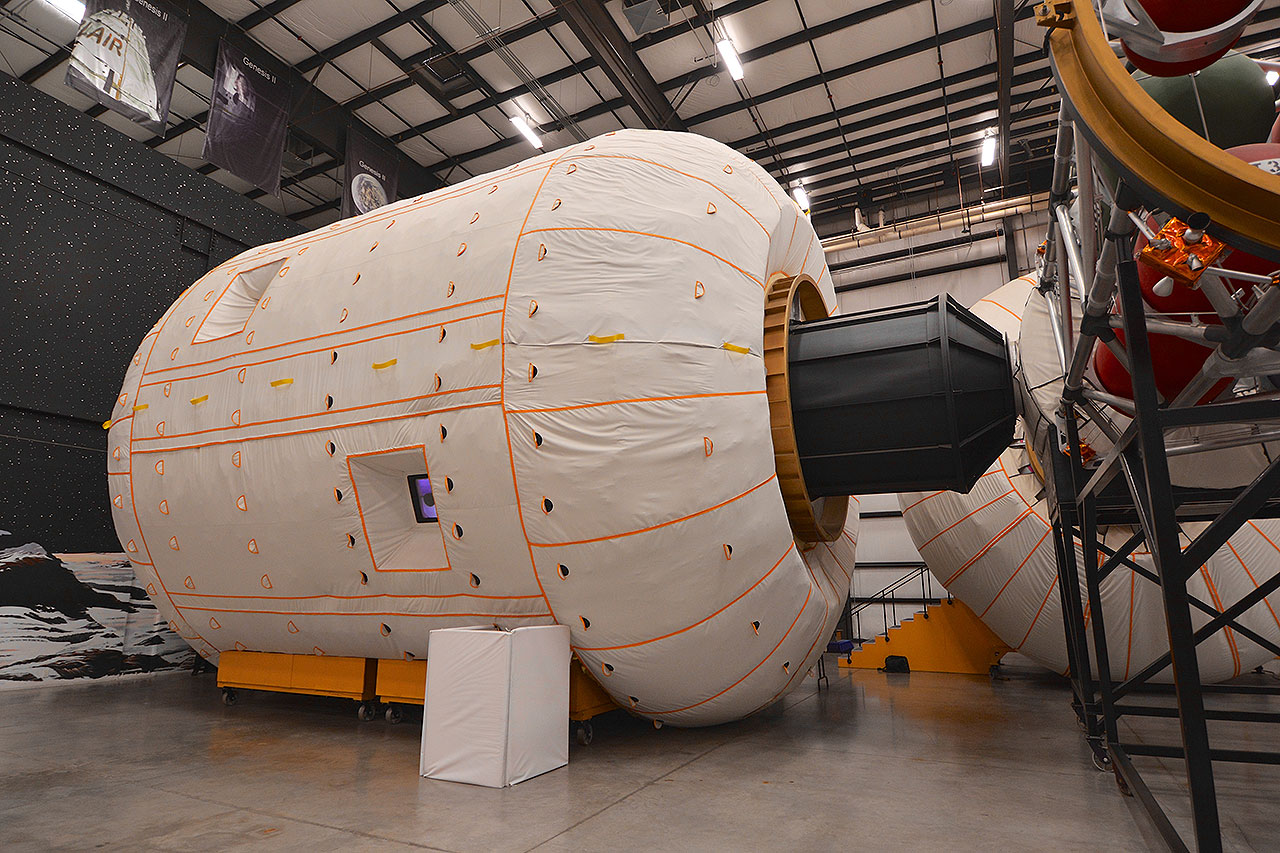
Full-scale model of the BA 330 inflatable space habitat, as seen at Bigelow Aerospace’s Las Vegas facilities, Wednesday, April 30, 2014.
<div data-cycle-pager-template=” ” readability=”31.5″>
Inflation Factor: Bigelow Readies Test Module
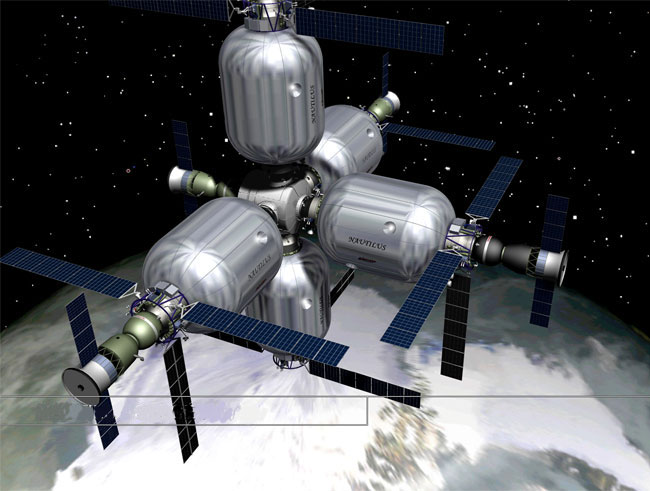
Room to grow! Bigelow Aerospace is busy plotting out a series of inflatable structures to be positioned in space.
<div data-cycle-pager-template=” ” readability=”33.5″>
Robert Bigelow Portrait

Bigelow Aerospace President Robert Bigelow talks during a press conference shortly after he and NASA Deputy Administrator Lori Garver toured the Bigelow Aerospace facilities on Friday, Feb. 4, 2011, in Las Vegas.
<div data-cycle-pager-template=” ” readability=”31.5″>
Bigelow Alpha Station
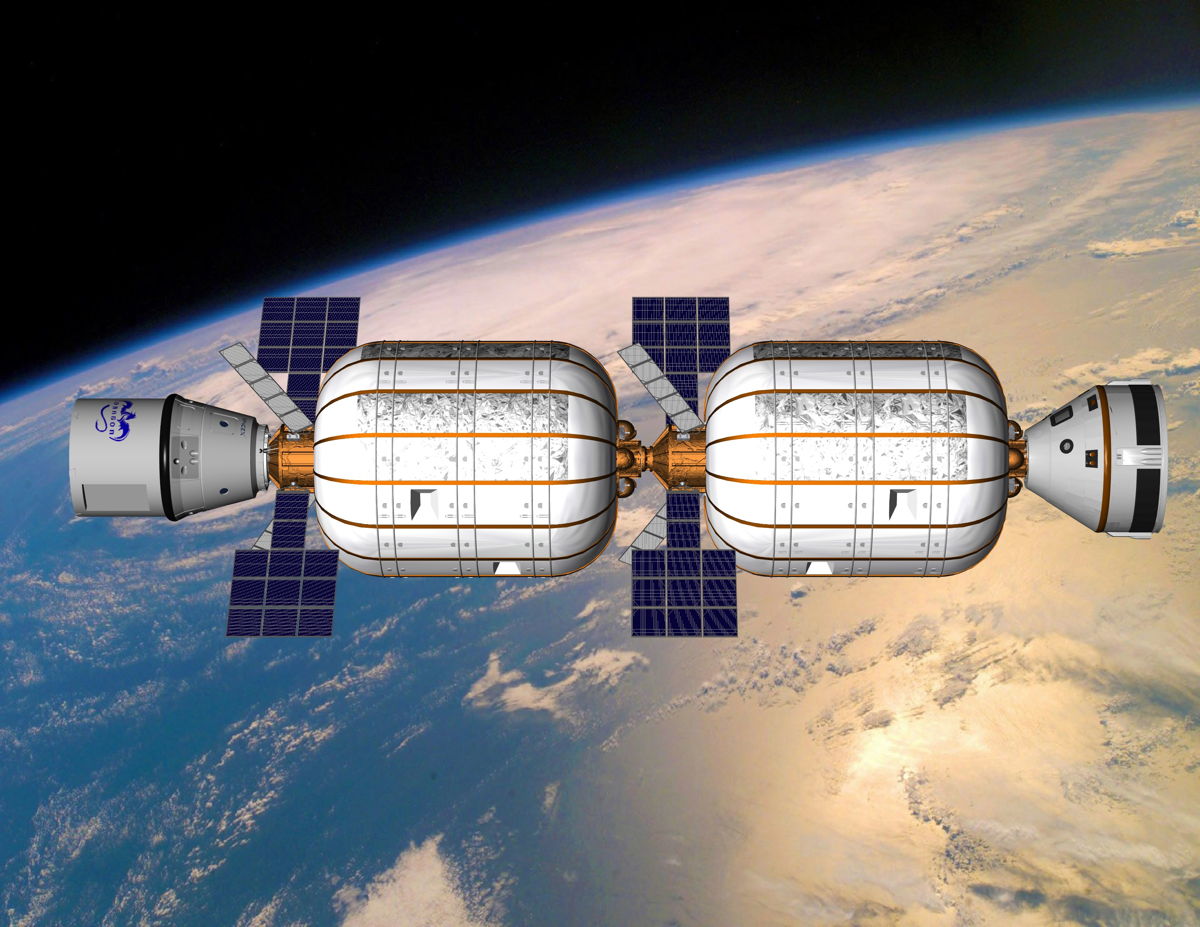
Artist’s view of the Bigelow Alpha Station comprised of two BA 330 expandable habitats built by private spaceflight company Bigelow Aerospace.
<div data-cycle-pager-template=” ” readability=”33″>
Garver Tours Bigelow Aerospace
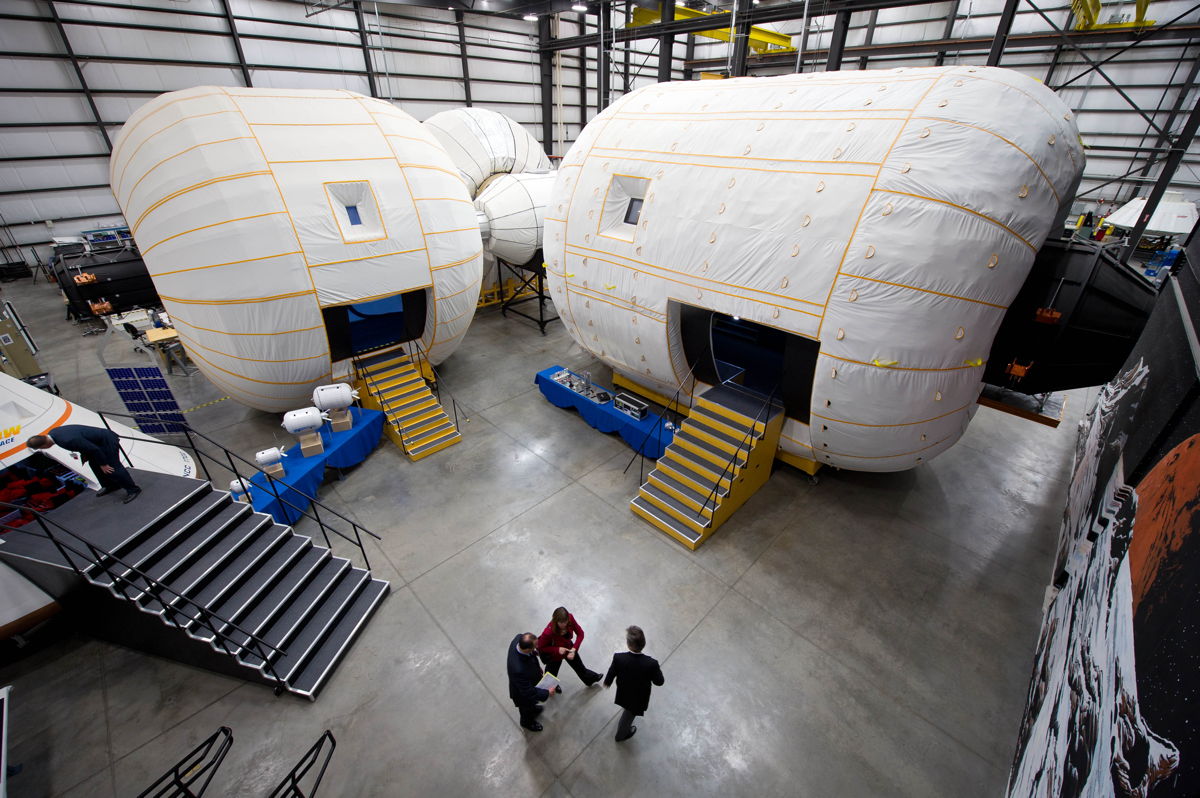
NASA Deputy Administrator Lori Garver is given a tour of the Bigelow Aerospace facilities by the company’s President Robert Bigelow back in Feb. 2011, in Las Vegas. NASA has been discussing potential partnership opportunities with Bigelow for its inflatable habitat technologies as part of NASA’s goal to develop innovative technologies to ensure that the U.S. remains competitive in future space endeavors.
<div data-cycle-pager-template=” ” readability=”32.5″>
NASA and Bigelow Aerospace President Robert Bigelow
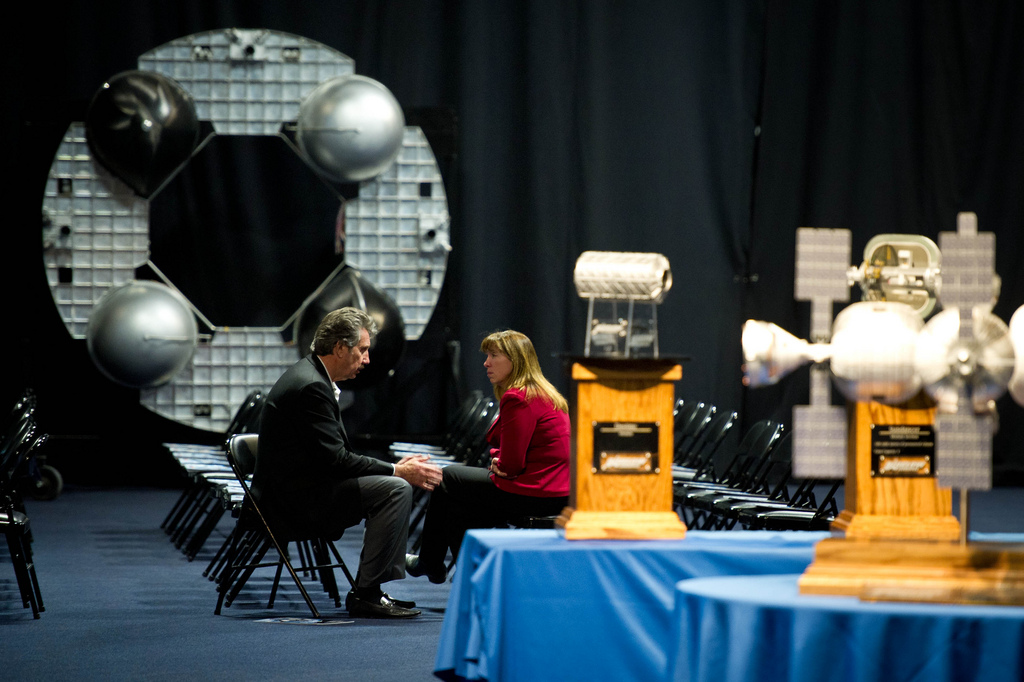
NASA Deputy Administrator Lori Garver talks with Bigelow Aerospace President Robert Bigelow prior to touring their facilities on Feb. 4, 2011 in Las Vegas. NASA has been discussing potential partnership opportunities with Bigelow for its inflatable habitat technologies.
<div data-cycle-pager-template=” ” readability=”32″>
Private Moon Bases Planned
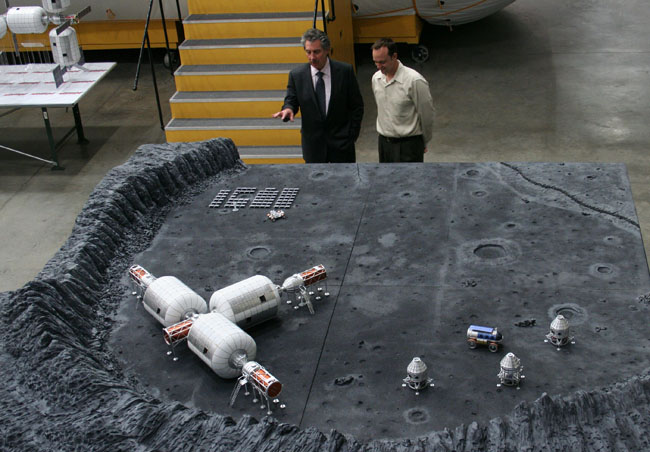
Space entrepreneur Robert Bigelow (left) discusses layout plans of the company’s lunar base with Eric Haakonstad, one of the Bigelow Aerospace lead engineers.
<div data-cycle-pager-template=” ” readability=”32.5″>
EXCLUSIVE: Bigelow Orbital Module Launched into Space
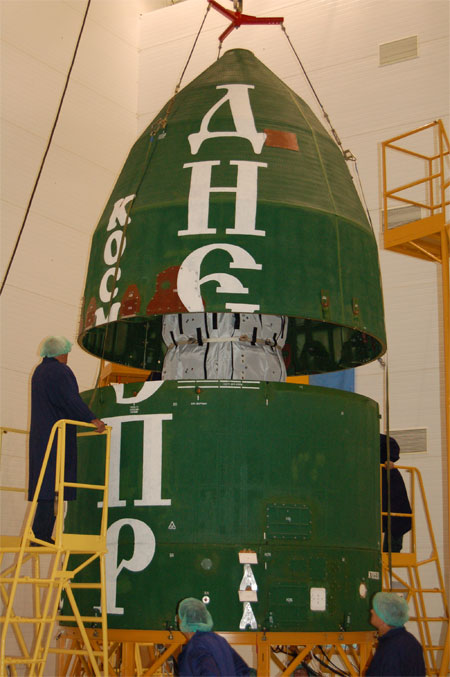
Tucked inside the nose fairing of a Dnepr booster, the Bigelow Aerospace Genesis-1 expandable module. Prototype hardware is a technology test for larger modules and a foothold on advanced habitable structures in space. Photo courtesy: Mike Gold
<div data-cycle-pager-template=” ” readability=”32″>
Bigelow’s Aerospace’s Genesis 1
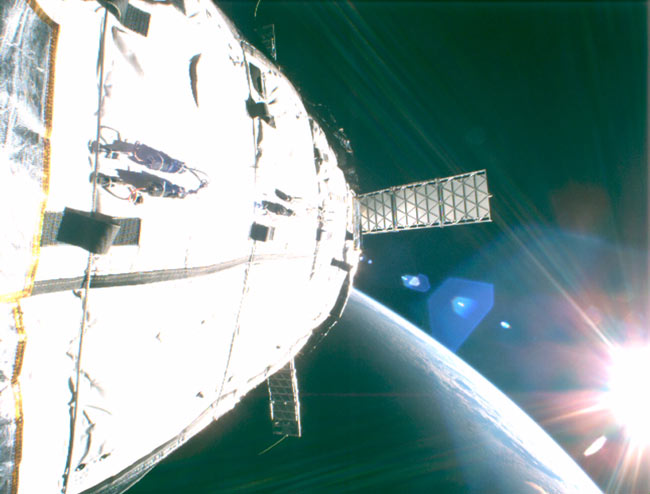
Bigelow Aerospace’s Genesis 2 spacecraft is a near twin of Genesis 1, seen here in this self-portrait after its July 2006 launch.
<div data-cycle-pager-template=” ” readability=”32″>
Bigelow Aerospace and Space Station
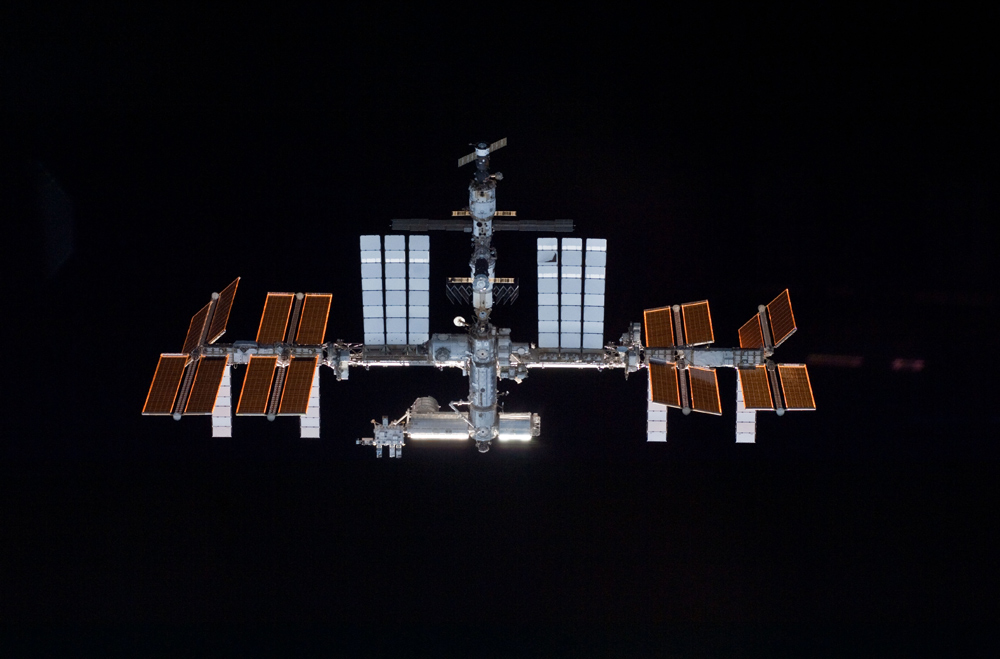
The International Space Station has modules a many – with discussions under way to attach a privately built Bigelow Expandable Activity Module, or BEAM for short.
<div data-cycle-pager-template=” ” readability=”31.5″>
Instant Moonbases
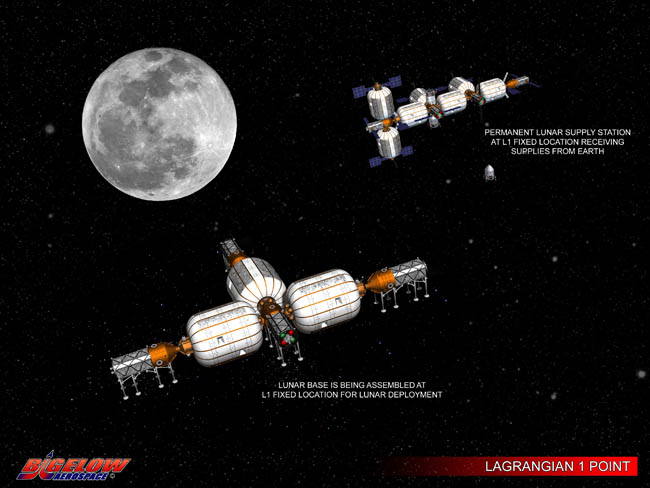
Bigelow Aerospace engineers see an instant moon base by using a cluster of expandable modules that are piloted to the moon’s surface.
<div data-cycle-pager-template=” ” readability=”32.5″>
Our Future and the Moon
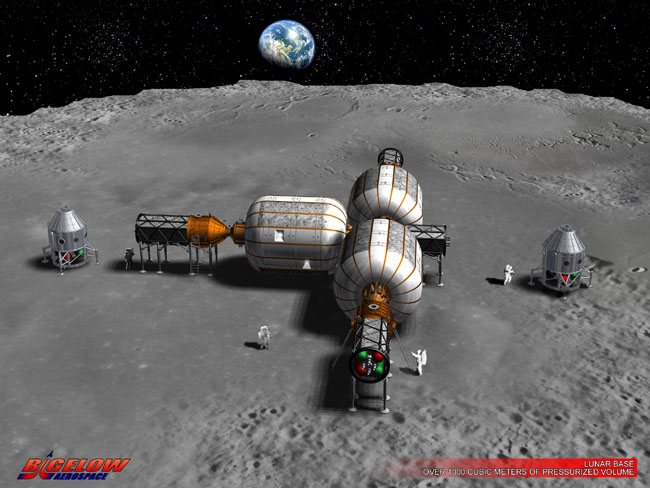
Several private spaceflight companies are eyeing the moon as a destination for future space tourists like this one envisioned by entrepreneur Robert Bigelow of Bigelow Aerospace, who has already launched two space station module prototypes into orbit.
<div data-cycle-pager-template=” ” readability=”32″>
Bigelow Moon Habitat
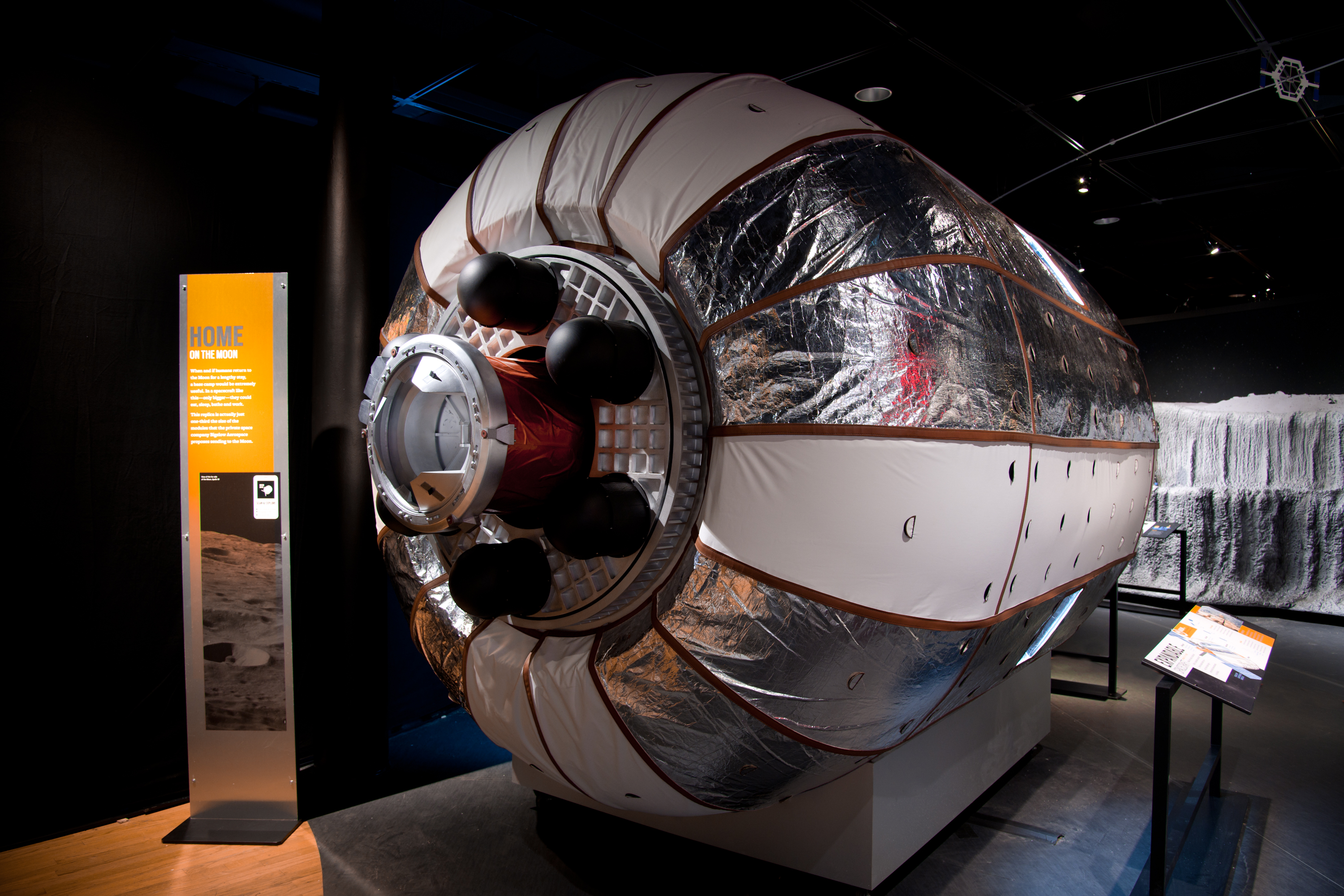
Made with walls of reinforced fabric, expandable spacecraft like this model by the private space company Bigelow Aerospace—shown here in one-third scale—may one day house astronauts on the moon.
<div data-cycle-pager-template=” ” readability=”31.5″>
Bigelow Aerospace’s Space Station Prototype
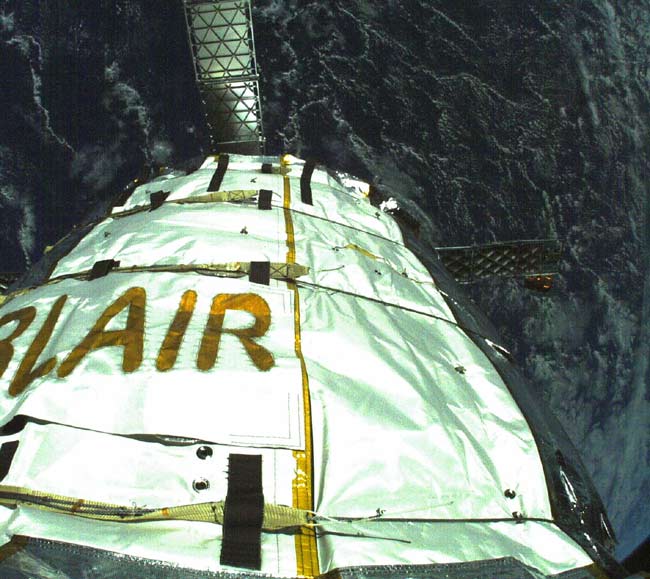
A picture on the end of one of the aft solar arrays looks toward the midsection of Genesis 2 as well as the forward solar panels.
<div data-cycle-pager-template=” ” readability=”31.5″>
Bigelow Aerospace’s Moon Vision
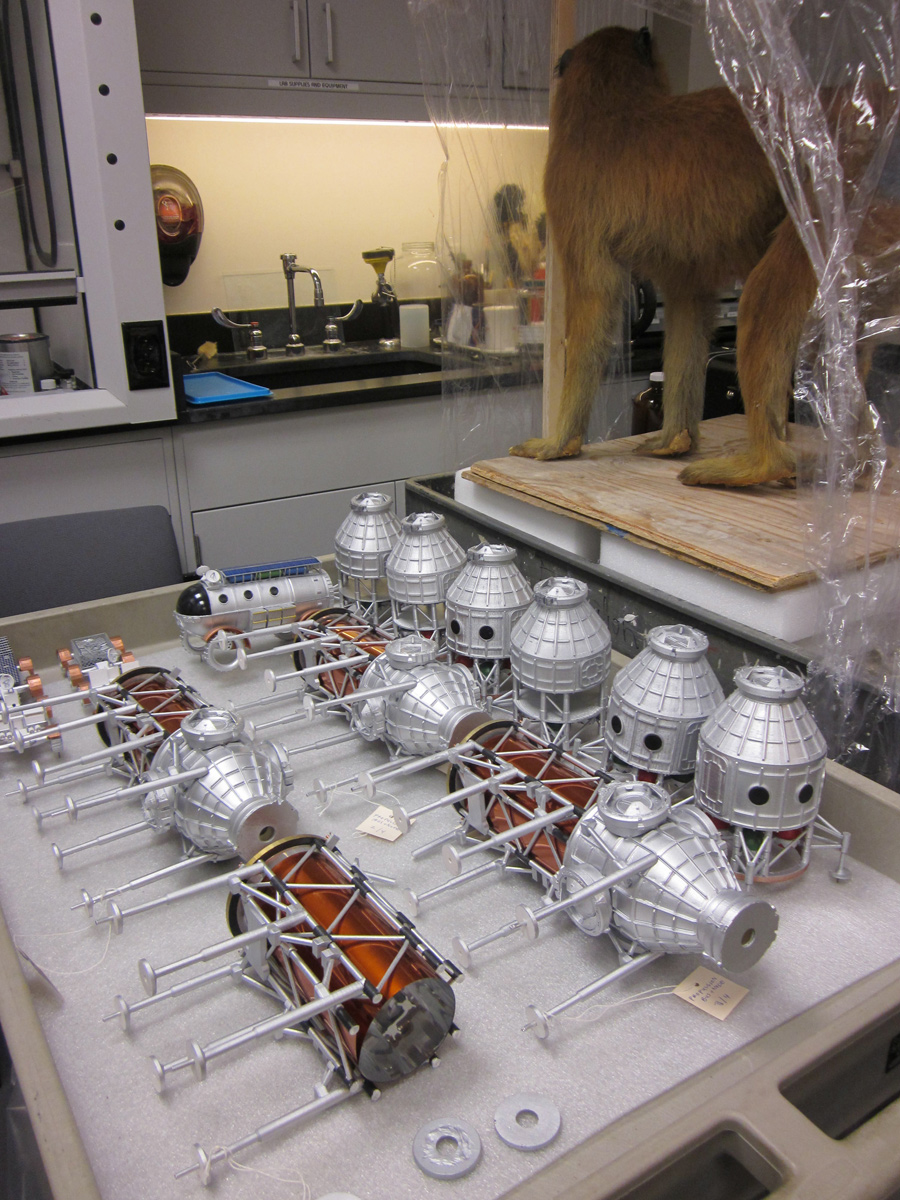
A 1/30 scale model of a Bigelow Aerospace moon colony is prepared in the conservation department of the American Museum of Natural History in New York.
<div data-cycle-pager-template=” ” readability=”33.5″>
Bigelow Space Module Concepts

This layout released by the Las Vegas, Nevada-based Bigelow Aerospace shows the size relations between the firm’s various planned inflatable spacecraft. At top is Genesis 2, a near-identical follow on to the Genesis 1 module, that flew in 2007.
<div data-cycle-pager-template=” ” readability=”32″>
Bigelow Aerospace Aims for an International Market
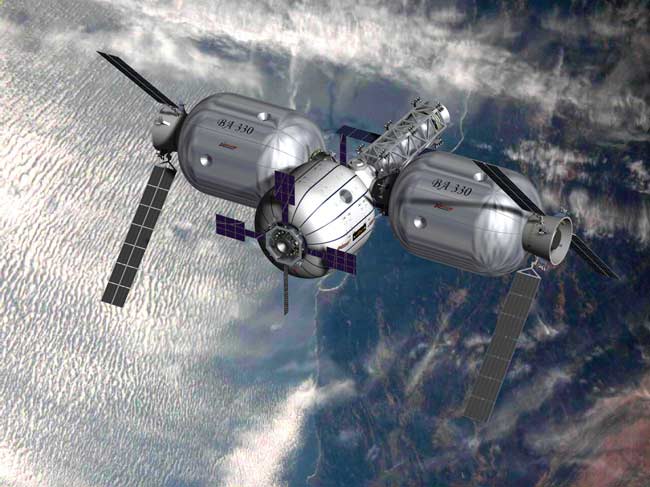
Hang Time in Earth orbit courtesy of Bigelow Aerospace expandable modules. The company unveiled a business plan to populate space with habitable complexes for international space agencies and multinational corporations.
<div data-cycle-pager-template=” ” readability=”31.5″>
Bigelow Aerospace’s Space Vision
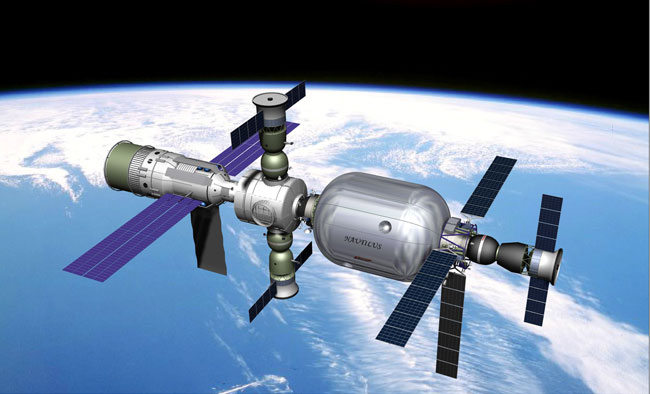
Bigelow Aerospace has planned a series of inflatable structure tests in space. Plan is to evolve testing and hardware to establish the Nautilus outpost in Earth orbit.
<div data-cycle-pager-template=” ” readability=”32″>
Building Up Infrastructure
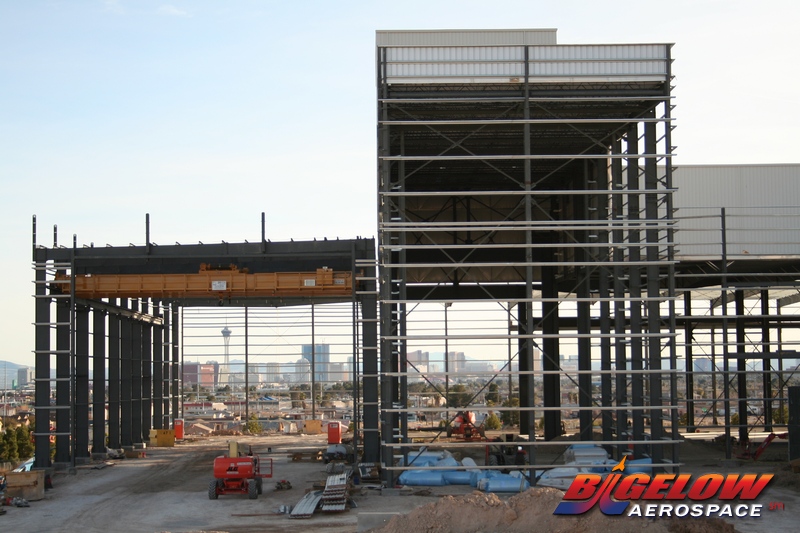
Construction is under way at Bigelow Aerospace in North Las Vegas, a building to crank out expandable habitats.
<div data-cycle-pager-template=” ” readability=”31.5″>
Boeing CST-100 Approaching Bigelow Space Station

This artist’s illustration depicts a Boeing CST-100 spacecraft approaching a private inflatable space station complex designed by Bigelow Aerospace.
<div data-cycle-pager-template=” ” readability=”34.5″>
Commercial Space Stations
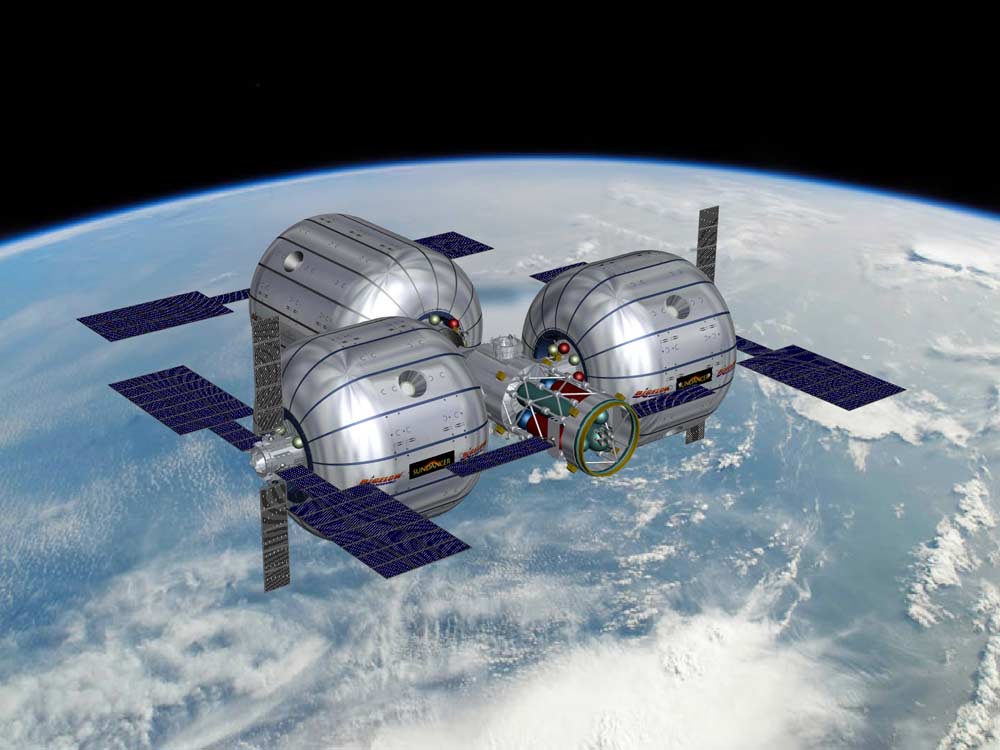
Despite being a feat of engineering and research, the International Space Station’s days are numbered, with some estimates aiming between 2014 to 2020 for its end of operations. But Bigelow Aerospace of Las Vegas, Nev., hopes to build new inflatable space stations like that shown above for commercial uses ranging from tourism to research and other fields.
<div data-cycle-pager-template=” ” readability=”31″>
Bigelow Aerospace’s Sundancer
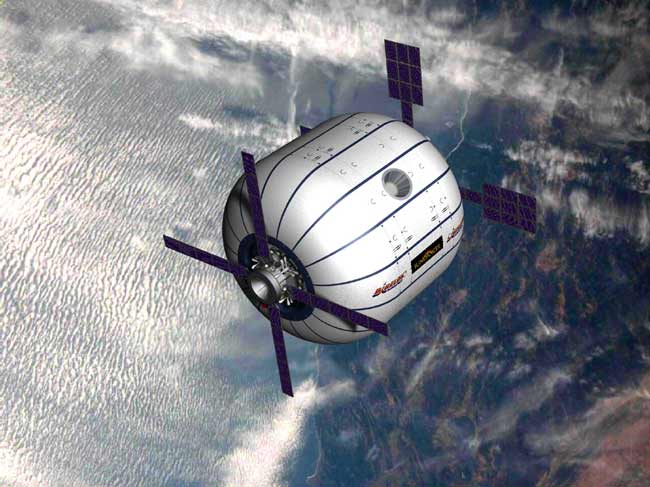
Bigelow Aerospace Sundancer module is designed to be capable of supporting crews in Earth orbit.
<div data-cycle-pager-template=”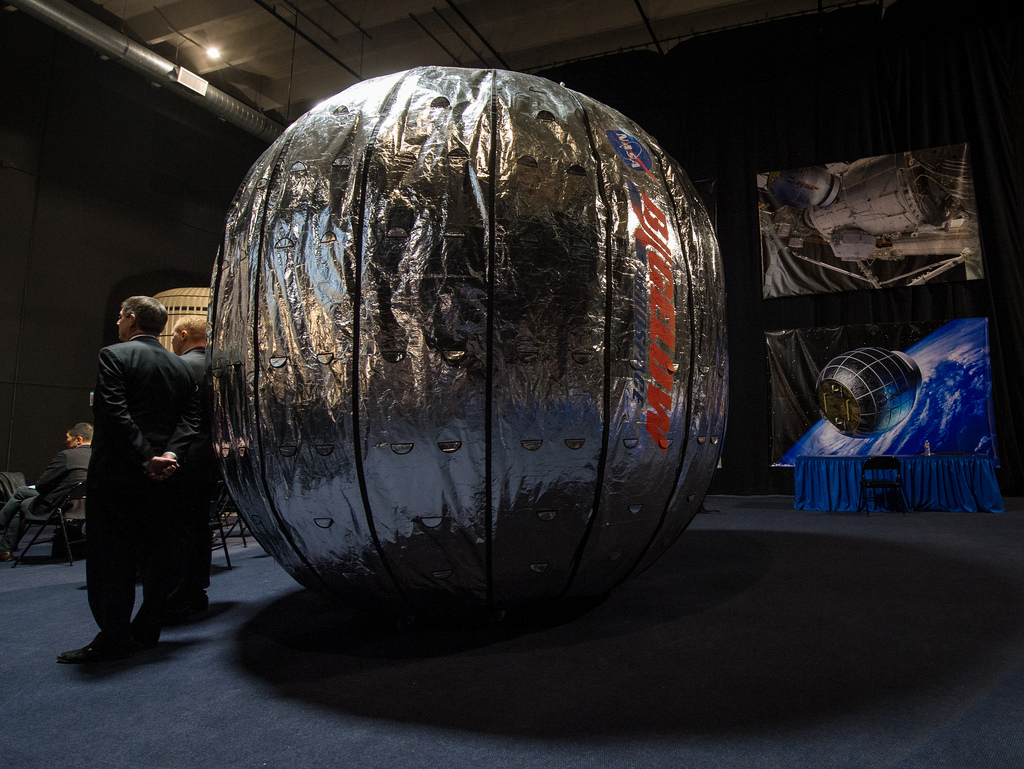 ” readability=”34″>
Bigelow Expandable Activity Module (BEAM)
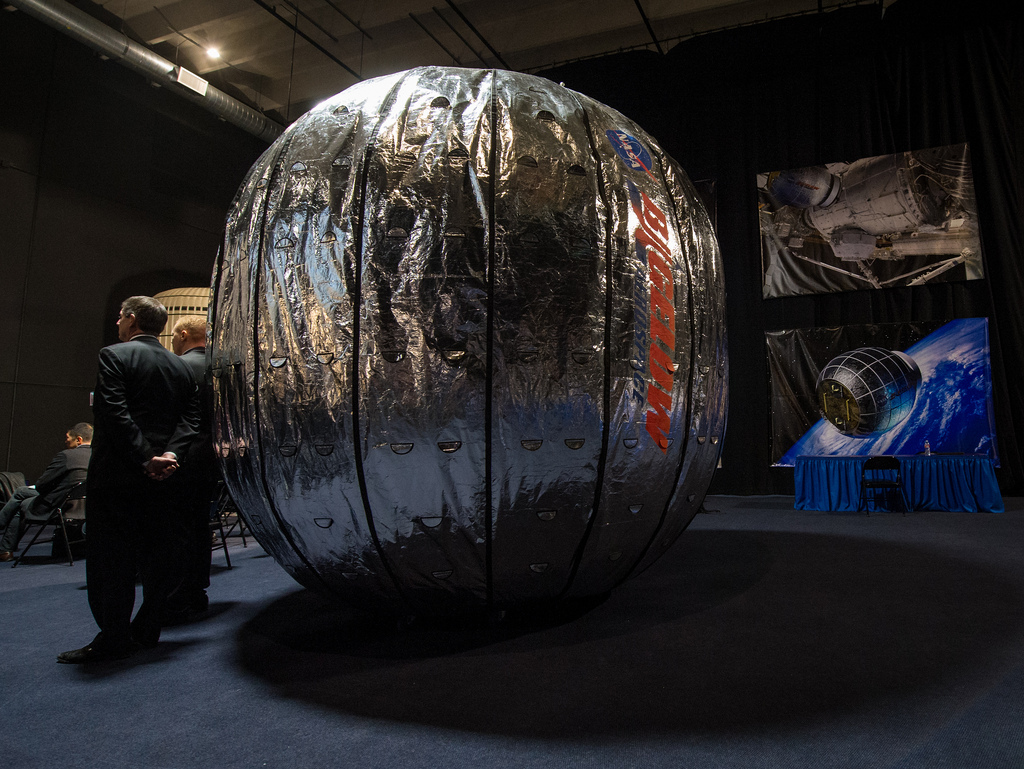
The Bigelow Expandable Activity Module (BEAM) is seen during a media briefing where NASA Deputy Administrator Lori Garver and President and founder of Bigelow Aerospace Robert T. Bigelow announced that BEAM will join the International Space Station to test expandable space habitat technology, Wednesday, Jan. 16, 2013 at Bigelow Aerospace in Las Vegas.
<div data-cycle-pager-template=”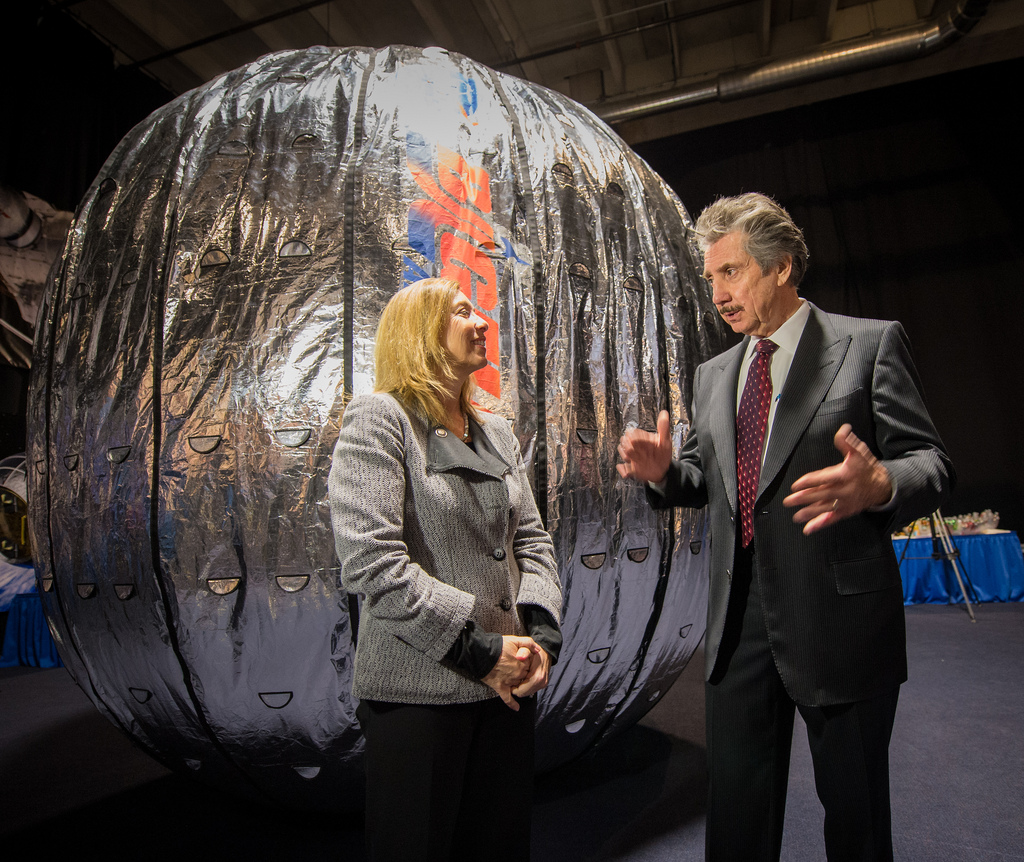 ” readability=”34″>
Bigelow BEAM Contract
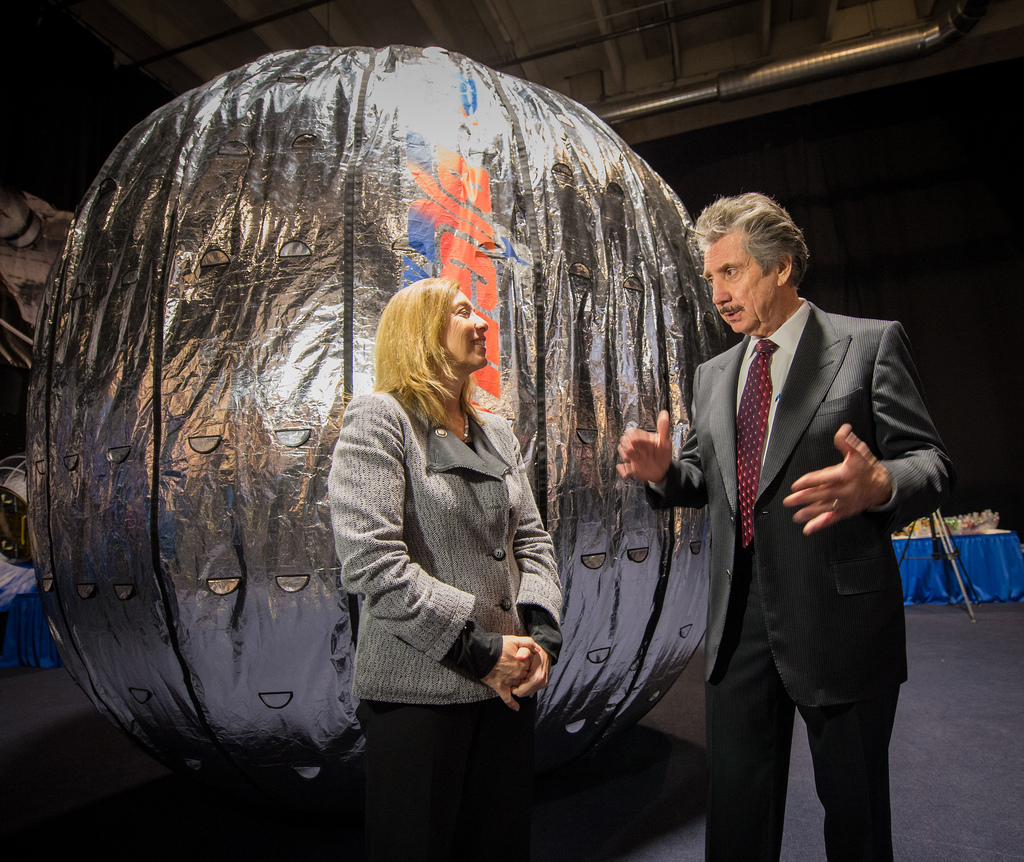
NASA Deputy Administrator Lori Garver and President and founder of Bigelow Aerospace Robert T. Bigelow talk while standing next to the Bigelow Expandable Activity Module (BEAM) during a media briefing where is was announced that the BEAM expandable space habitat technology will be tested on the International Space Station, Wednesday, Jan. 16, 2013 in Las Vegas.
<div data-cycle-pager-template=”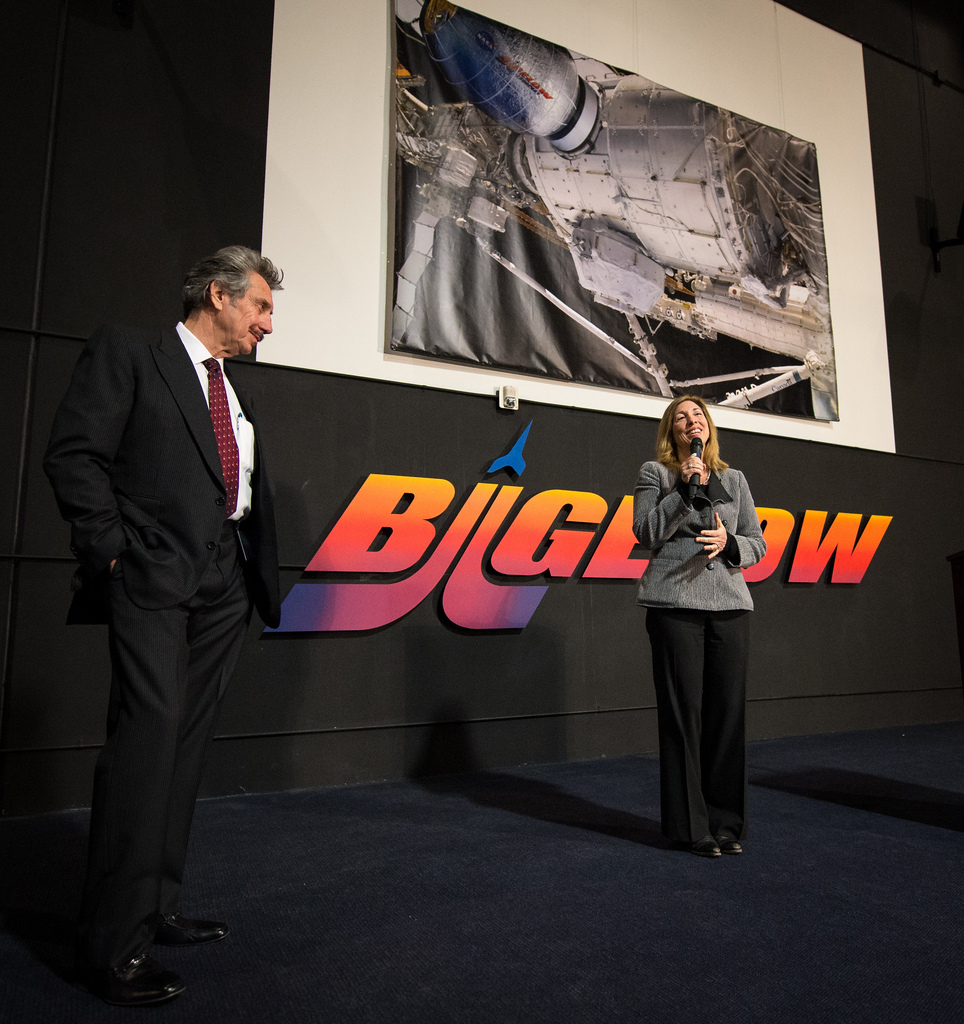 ” readability=”34″>
Lori Garver Speaks About Bigelow BEAM Contract
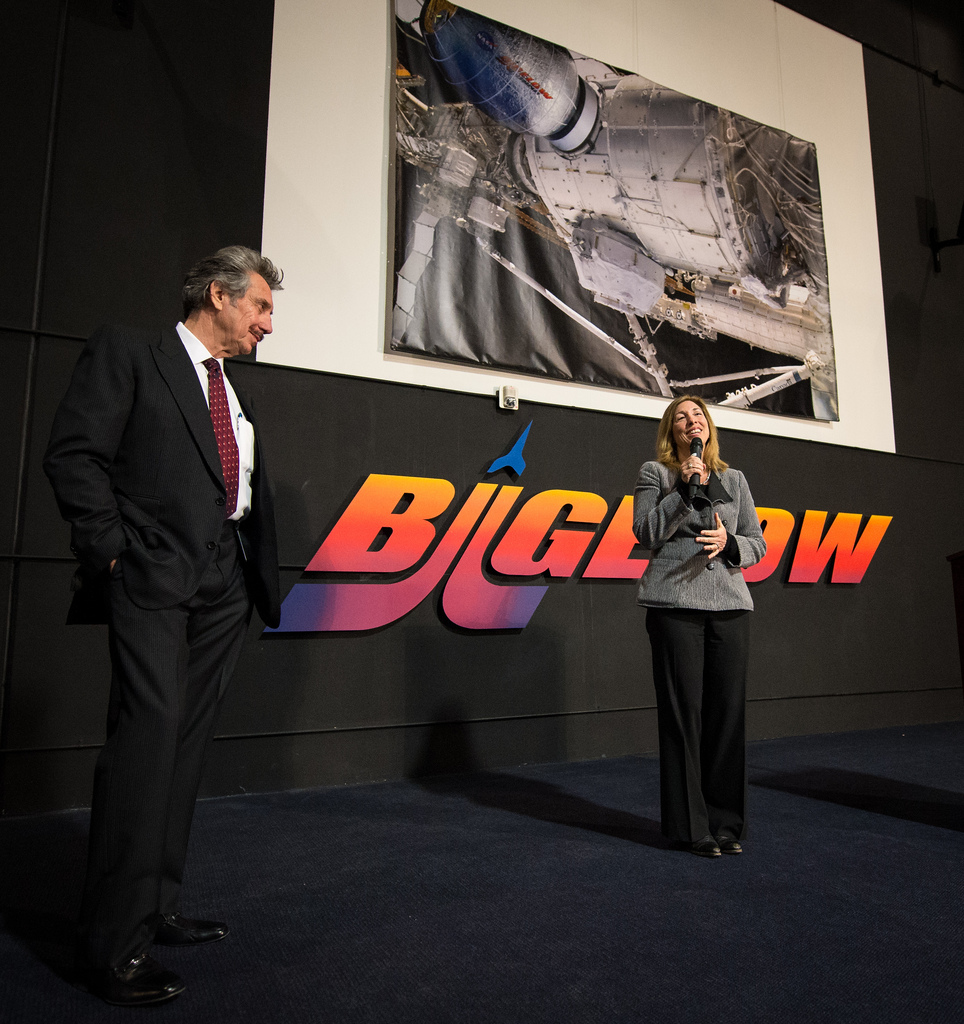
NASA Deputy Administrator Lori Garver and President and founder of Bigelow Aerospace Robert T. Bigelow, announce a planned addition to the International Space Station that will use the orbiting laboratory to test expandable space habitat technology during a press conference held at Bigelow Aerospace on Wednesday, Jan. 16, 2013 in Las Vegas.
<div data-cycle-pager-template=”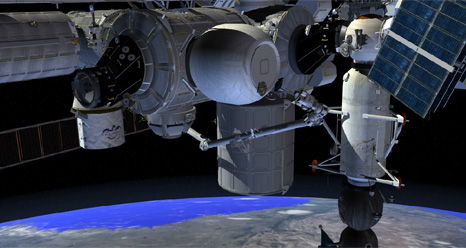 ” readability=”33″>
Bigelow BEAM Habitat Docked to International Space Station
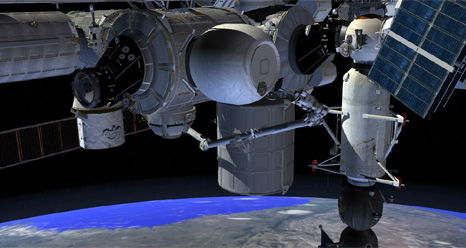
NASA has awarded a $17.8 million contract to Bigelow Aerospace to provide a Bigelow Expandable Activity Module (BEAM), which is scheduled to arrive at the space station in 2015 for a two-year technology demonstration. Artist’s impression released Jan. 16, 2013.
<div data-cycle-pager-template=” ” readability=”34.5″>
Bigelow Aerospace Founder Speaks

President and founder of Bigelow Aerospace Robert T. Bigelow, talks during a media briefing where he and NASA Deputy Administrator Lori Garver discussed their $17.8 million contract to provide a Bigelow Expandable Activity Module (BEAM) to the International Space Station to test expandable space habitat technology, Wednesday, Jan. 16, 2013 at Bigelow Aerospace in Las Vegas.
<div data-cycle-pager-template=” ” readability=”34.5″>
NASA Deputy Administrator Lori Garver Speaks at Vegas Convention
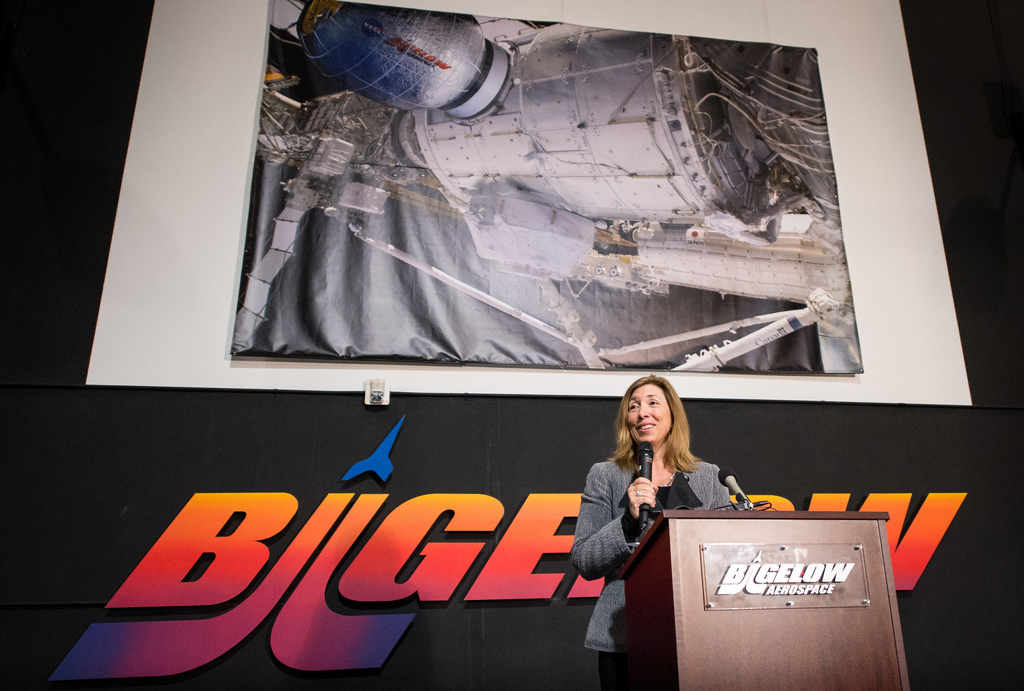
NASA Deputy Administrator Lori Garver talks during a media briefing where she and President and founder of Bigelow Aerospace Robert T. Bigelow, discussed their $17.8 million contract to provide a Bigelow Expandable Activity Module (BEAM) to the International Space Station to test expandable space habitat technology, Wednesday, Jan. 16, 2013 at Bigelow Aerospace in Las Vegas.
<div data-cycle-pager-template=” ” readability=”34.5″>
Bigelow Media Briefing

NASA Deputy Administrator Lori Garver talks during a media briefing where she and President and founder of Bigelow Aerospace Robert T. Bigelow, discussed their $17.8 million contract to provide a Bigelow Expandable Activity Module (BEAM) to the International Space Station to test expandable space habitat technology, Wednesday, Jan. 16, 2013 at Bigelow Aerospace in Las Vegas.
<div data-cycle-pager-template=”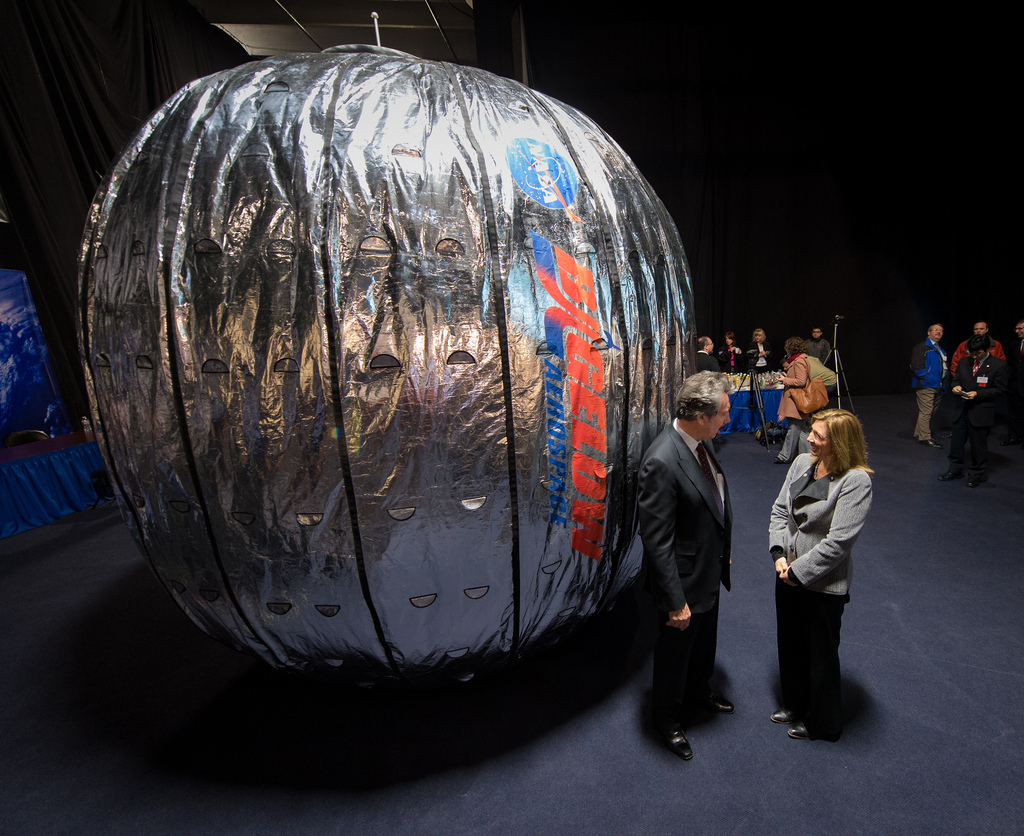 ” readability=”34″>
Bigelow Module
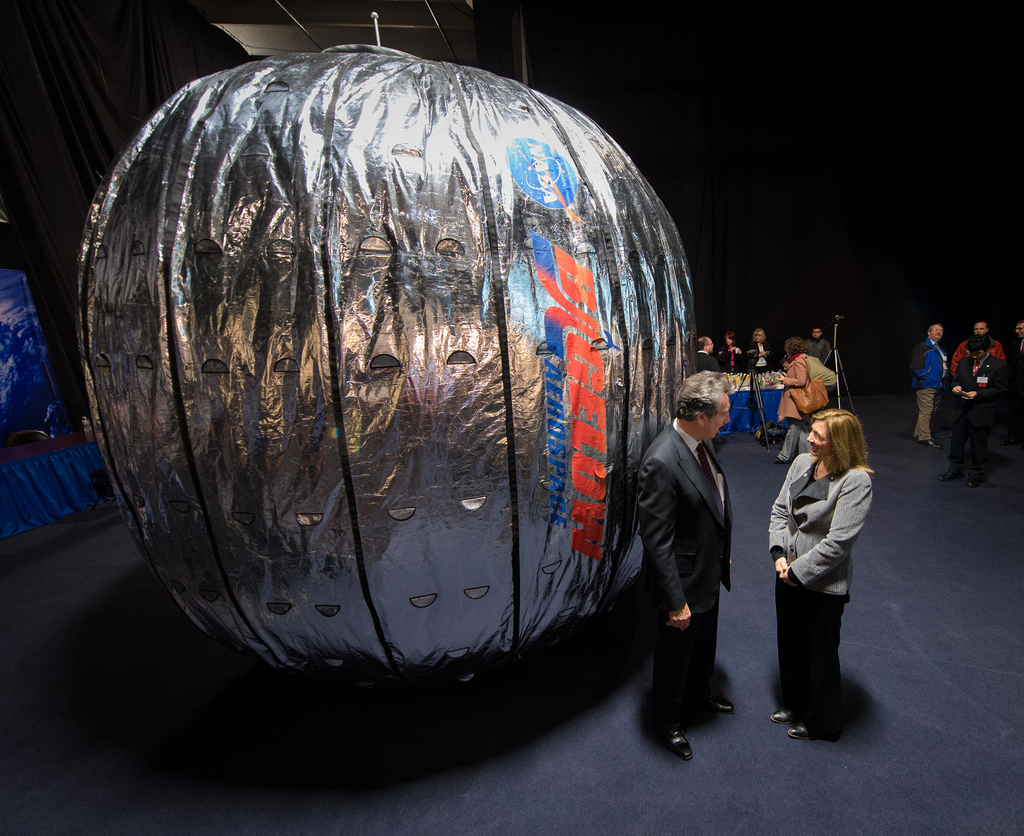
NASA Deputy Administrator Lori Garver and President and founder of Bigelow Aerospace Robert T. Bigelow talk while standing next to the Bigelow Expandable Activity Module (BEAM) during a media briefing where it is was announced that the BEAM expandable space habitat technology will be tested on the International Space Station, Wednesday, Jan. 16, 2013 in Las Vegas.
<div data-cycle-pager-template=”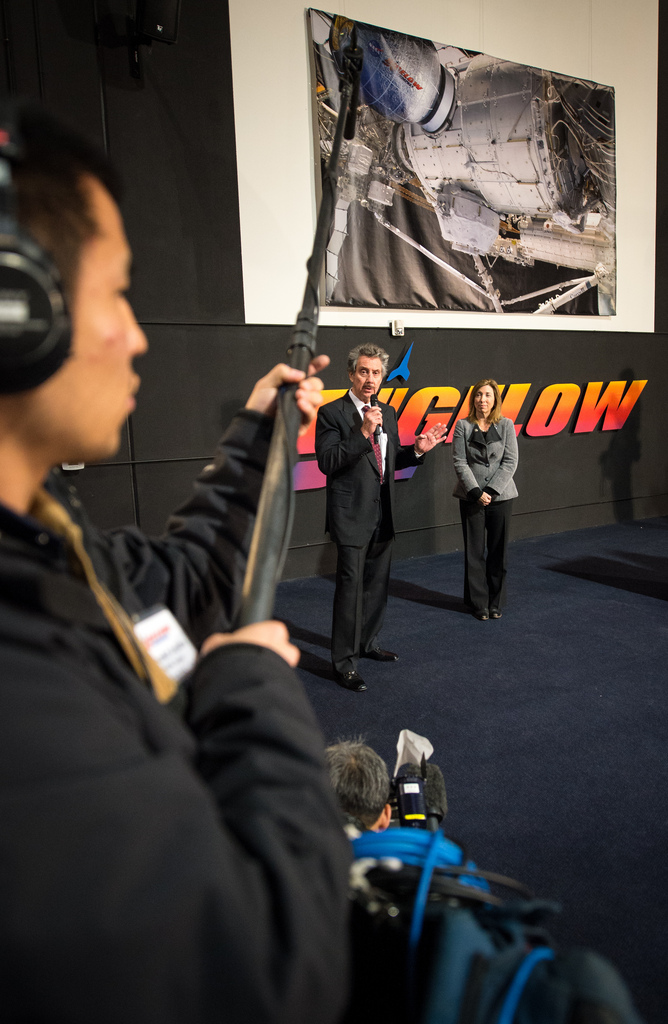 ” readability=”34″>
Bigelow Module Additions
NASA Deputy Administrator Lori Garver and President and founder of Bigelow Aerospace Robert T. Bigelow, announce a planned addition to the International Space Station that will use the orbiting laboratory to test expandable space habitat technology during a press conference held at Bigelow Aerospace on Wednesday, Jan. 16, 2013 in Las Vegas.